Hepper is reader-supported. When you buy via links on our site, we may earn an affiliate commission at no cost to you. Learn more.
Why Is My Cat Licking the Carpet? 7 Vet Reviewed Reasons


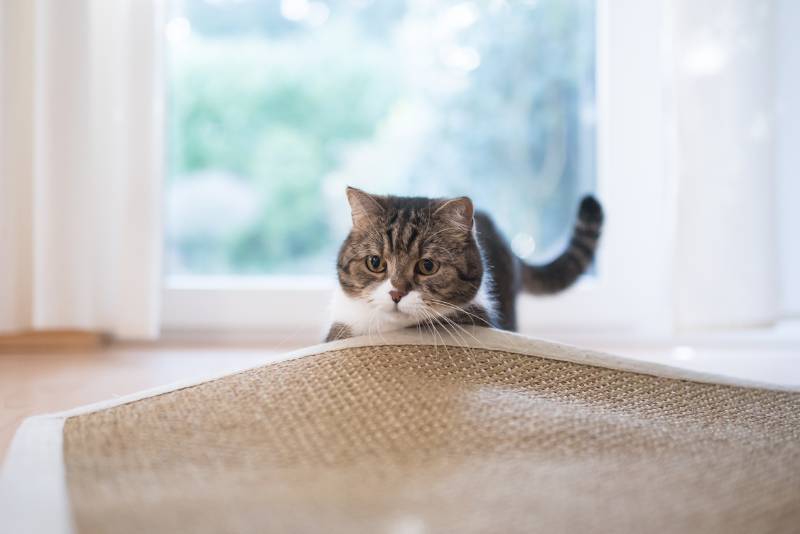
Cats do all sorts of odd things; it’s one of the reasons they’re so adorable, but if your companion is licking the carpet, you may be wondering what causes the behavior. Cats lick carpets for several reasons, from wanting to learn more about interesting smells to health conditions like pica. Stress and anxiety can also prompt some to engage in repetitive activities such as excessive grooming as well as chewing on and licking odd things. Keep reading to learn more about seven reasons why cats lick carpets.

The 7 Reasons Why a Cat Might Be Licking a Carpet
1. Spills
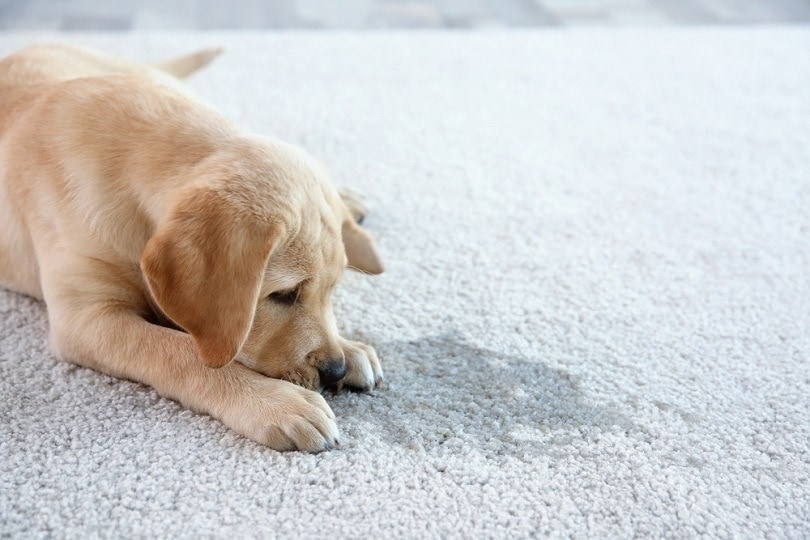
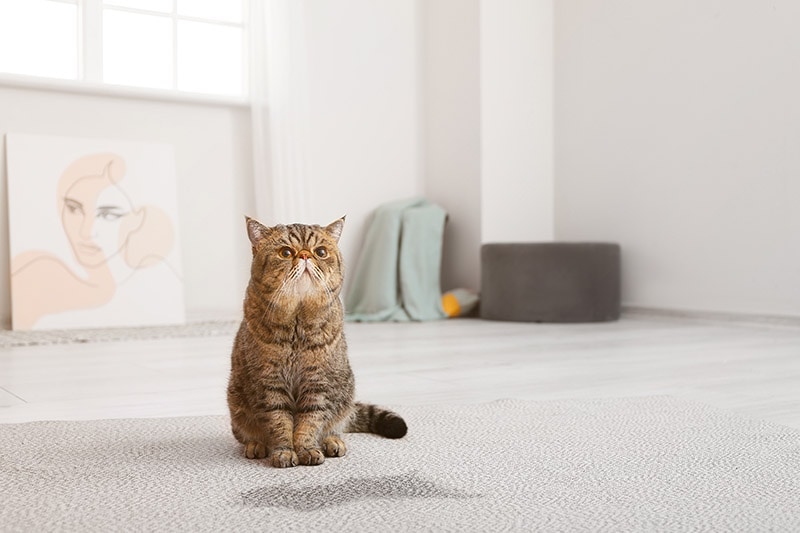
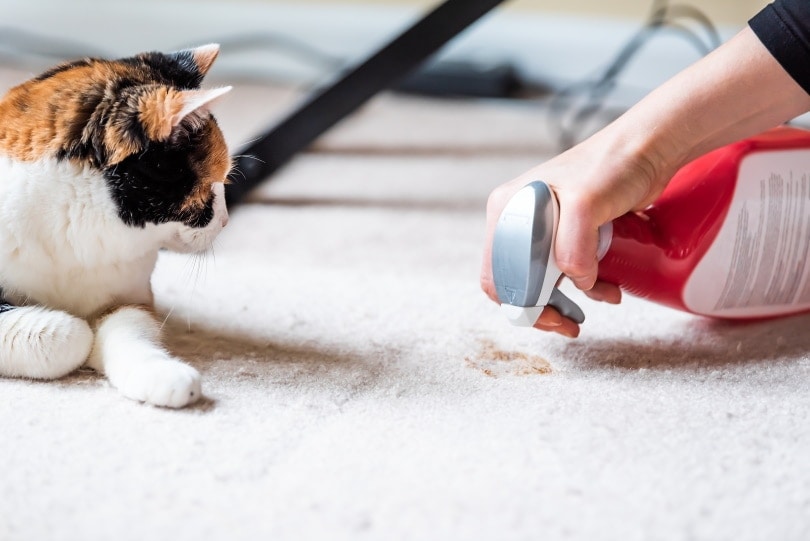
Cats have sensitive noses that can pick up smells and scents that elude humans, and they can detect subtle odors from spills that have been thoroughly cleaned according to human standards. Your cat may be sniffing around a spot on the carpet where something tasty like a bit of tuna casserole fell. Or they may be investigating after getting a whiff of pheromones if they peed or pooped in the area at some point.
There are several carpet cleaning products designed to get rid of cat pee, poo, and vomit smells. Enzymatic options break up the ammonia and other particles that make cat urine so pungent. It’s incredibly common for cats to return to places where they’ve used the bathroom outside of the litter box.
2. Chemical Smells
Anyone who has ever been within a few feet of a litter box knows how pungent cat urine can be, with its distinctive ammonia-like odor. Because cat urine contains ammonia, pets are often attracted to the scent of cleaning products with ammonia. Carpet cleaners with ammonia can prompt some cats to begin investigating materials cleaned with these products with their noses and mouths.
Ammonia is and can cause signs such as drooling, tummy pain, excessive tiredness, lack of appetite, and drooling when ingested. It can also lead to the development of signs such as redness, burns, and rashes on the skin of pets who encounter it.
Other toxic cleaning products include bleach, isopropyl alcohol, phenols, and chlorine. Reach out to your veterinarian for advice if your cat gets into or is exposed to any amount of a cleaning product.
3. Stress
While some cats are mellow and able to roll with the punches, others can become stressed by situations varying from litter box changes to not feeling comfortable in their environment, which can result in withdrawal, intense crying or yowling, lack of appetite, aggression, and excessive grooming.
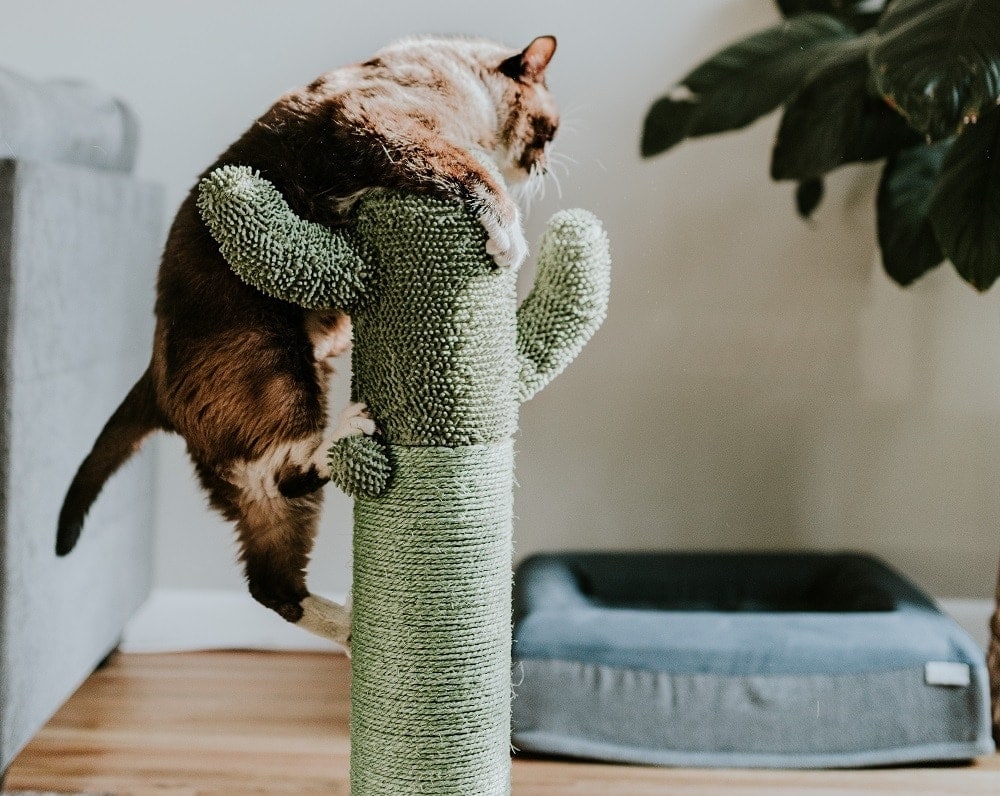
Giving cats feline-friendly places to live reduces their stress levels by providing them with perches and scratchers that can give them a sense of comfort. Perches allow cats to indulge in their natural preference for higher elevations where they can keep an eye on things, and scratchers let them enjoy a comforting activity in ways acceptable to humans.
Hiding places can also help cats deal appropriately with stress, and they allow them to take breaks from stressful situations when they become overwhelming.
4. Obsessive Compulsive Disorder
Cats with obsessive-compulsive disorder (OCD) show signs such as grooming to the point of self-harm and lots of meowing, and they sometimes lick and even chew on fabric and carpeting. OCD-motivated behaviors aren’t generally one-time occurrences; most take time to become ingrained.
Repetitive behaviors like those seen in cats suffering from OCD release soothing chemicals, which creates a feedback loop in which cats turn to activities such as excessive licking when stressed or not getting their needs met.
Stress seems to play a factor in the behavior, as do the ways in which pet parents respond. Male and female cats appear just as likely to develop the condition, but it manifests more frequently in Siamese cats and a few other breeds. Indoor cats appear to be more vulnerable to the condition. Predictable routines often help stressed cats feel more content.
5. Pica
Cats with pica regularly chew on inedible items like carpets, fabric, plants, and wood. The condition can cause signs such as vomiting, lack of appetite, difficulty pooping, and lethargy. When cats eat objects too large to pass through their digestive tracts, they can end up with dangerous abdominal blockages that require urgent treatment.
While veterinarians aren’t sure what causes the condition, stress, anxiety, and boredom appear to be commonly linked to the development of the behavior. Diseases such as diabetes and anemia, an inadequate diet, and parasites can also be responsible. Treatment depends on what’s causing the problem and can range from antiparasitic medication to increased exercise.
6. Lack of Entertainment
While indoor cats tend to live longer and healthier lives than outdoor-only pets, they need to have their mental stimulation, exercise, and entertainment requirements met to stay centered. Cats without enough toys and other activities to keep them busy can create their own entertainment, which can often lead to activities like drape climbing and carpet scratching, chewing, and licking.
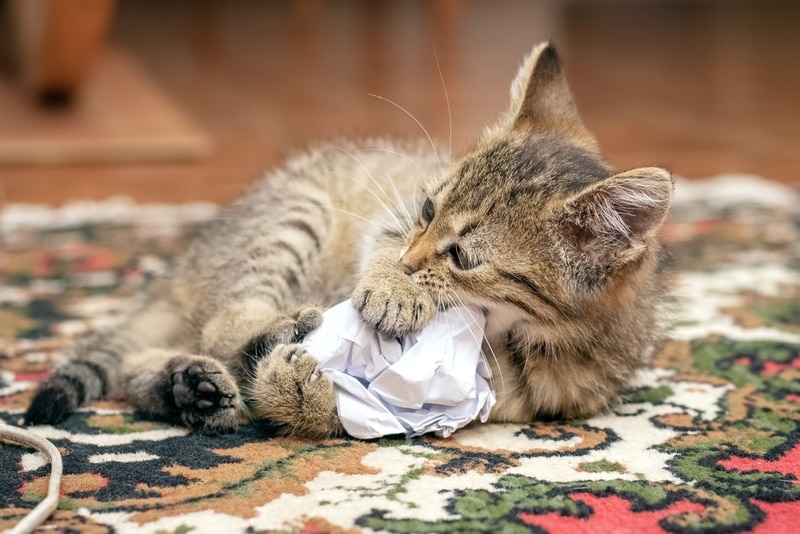
Cats thrive when given several ways to stay mentally engaged, including toys they can enjoy independently, such as stuffed mice and paper balls. There are also nature videos featuring birds, bunnies, and squirrels to keep cats engaged when left alone for a few hours. Food puzzles give cats fun “problems” to solve by requiring them to unleash their inner wildcats to procure treats or bits of kibble.
7. Anxiety
Cats experience anxiety when they’re worried or concerned about something. Common signs of the condition include pacing, howling, hiding, lack of appetite, and excessive grooming. Those who are experiencing severe anxiety often have dilated pupils and hair that stands on end. Pain, traumatic experiences, and separation anxiety can cause anxiety.
Cats sometimes benefit from behavioral therapy designed to either desensitize them and decrease their fear of an event or to create positive associations with something that currently causes them to become scared. Some may also benefit from anti-anxiety medications prescribed by your vet. Music designed for cats may provide a bit of relief for some, and taking steps to avoid situations that trigger anxiety can sometimes help, particularly when it comes to managing mild issues.
Conclusion
While carpet-licking isn’t generally an everyday activity for cats, it’s not always a sign that something concerning is occurring. Cats love to investigate the world using their mouths, which can sometimes lead to licking things like carpets, but medical conditions such as pica can also cause it.
A variety of things including stress, anxiety, and boredom can lead cats to engage in carpet licking. If your cat only occasionally licks the carpet, there’s probably not much to worry about. However, if the activity continues, increases, becomes regular, or is accompanied by signs such as changes in appetite, activity levels, or bathroom habits, reach out to your veterinarian for advice.
Sources
Featured Image Credit: Nils Jacobi, Shutterstock
Get Hepper In Your Inbox


Pet care tips from our vets and experts, straight to your inbox.
You may opt-out at any time. View our Privacy Policy for more information.
Lorre Luther a reformed lawyer from the United States, she moved to the Netherlands to follow her dream and become a writer. Currently living in Rotterdam, Lorre enjoys traveling and reveling in the astonishing beauty of our planet. As an animal lover, Lorre is convinced that cats are smarter than humans.
Join the conversation
Ask a question, share your story, or send private feedback.