Hepper is reader-supported. When you buy via links on our site, we may earn an affiliate commission at no cost to you. Learn more.
Why Do My Cats Eyes Dilate? 7 Reasons


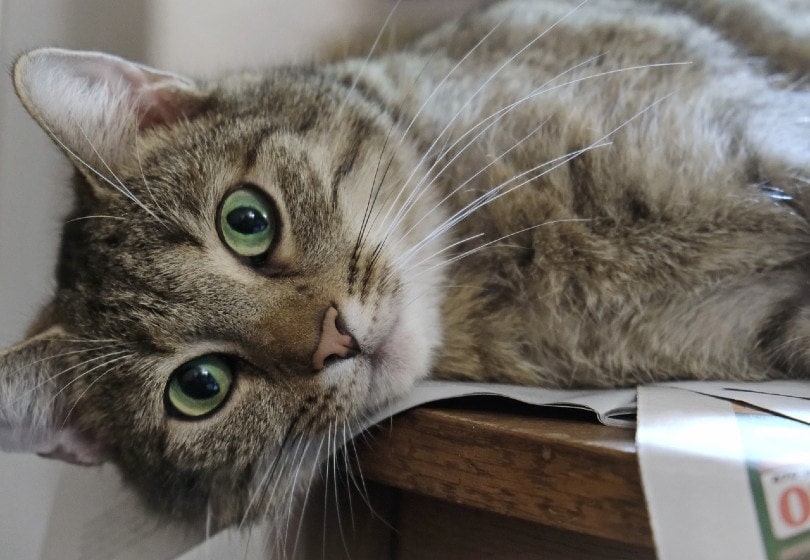
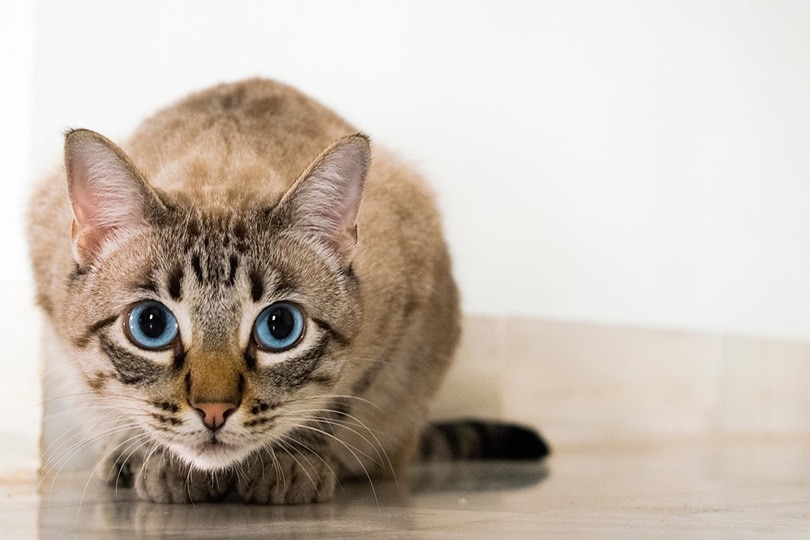
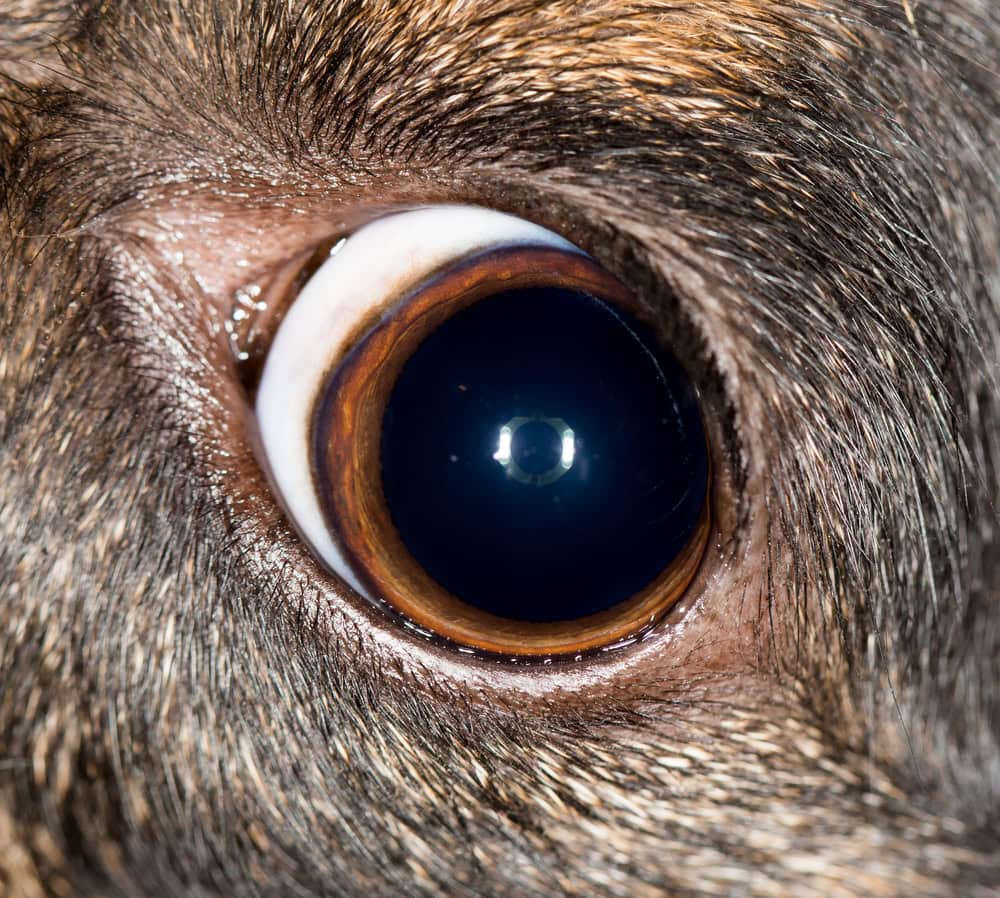
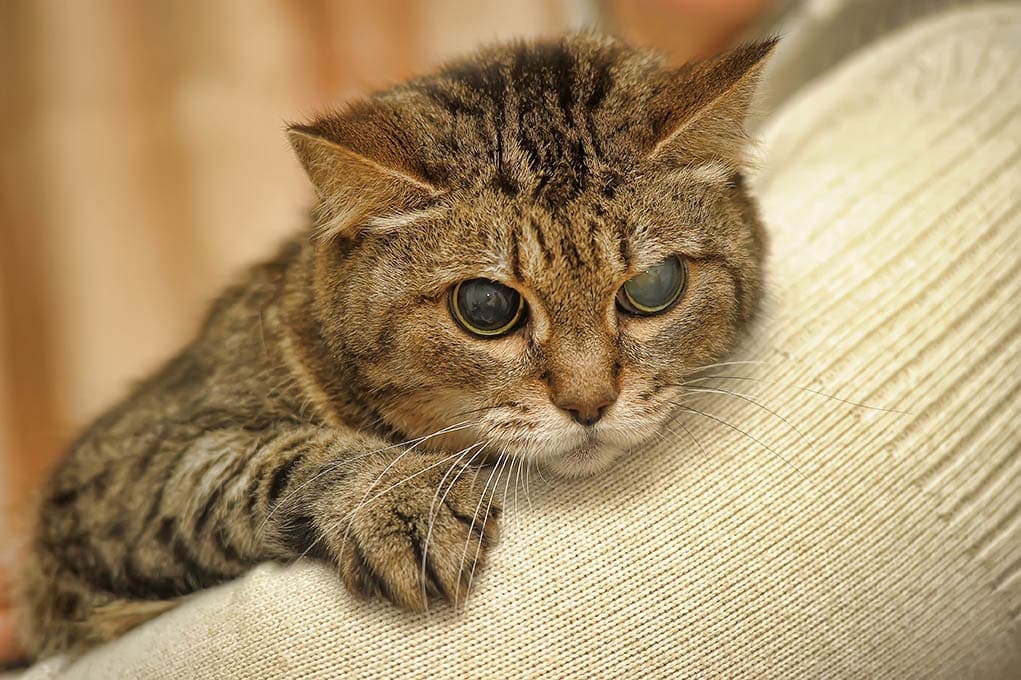
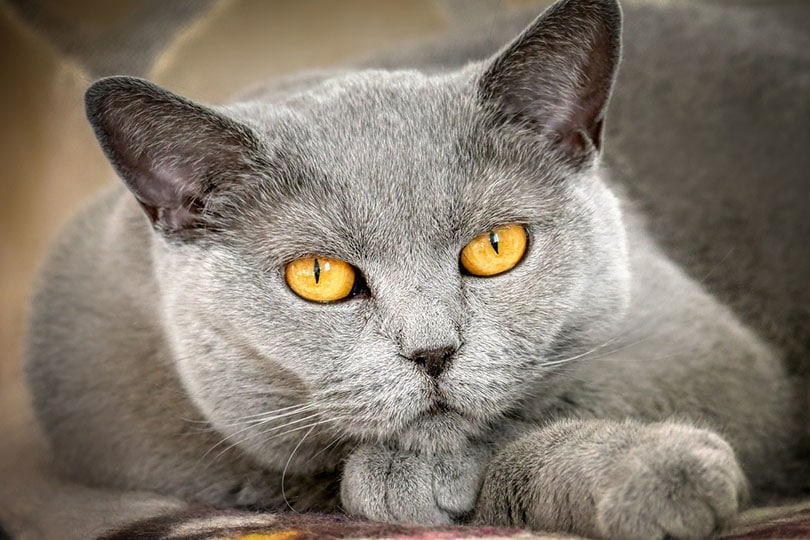
Pupils are the black-looking “holes'' in the center of your pet’s iris that control the amount of light that gets into your cat's eyes. They’re at the center of your pet’s eyes, surrounded by colored irises. Cats' pupils narrow in bright sunlight and open under low light conditions to allow more light to enter the eye. Cats' pupils dilate for other reasons, including when they're excited or scared.
Dilated pupils can also indicate the presence of severe conditions such as high blood pressure or glaucoma. Make an appointment to have your cat evaluated by a veterinarian sooner rather than later if your cat's eyes remain fixed and dilated, even if your pet appears to be doing fine. Keep reading to learn about a few common reasons cats' eyes dilate.

The 7 Reasons Your Cat's Pupils Dilate
1. Play
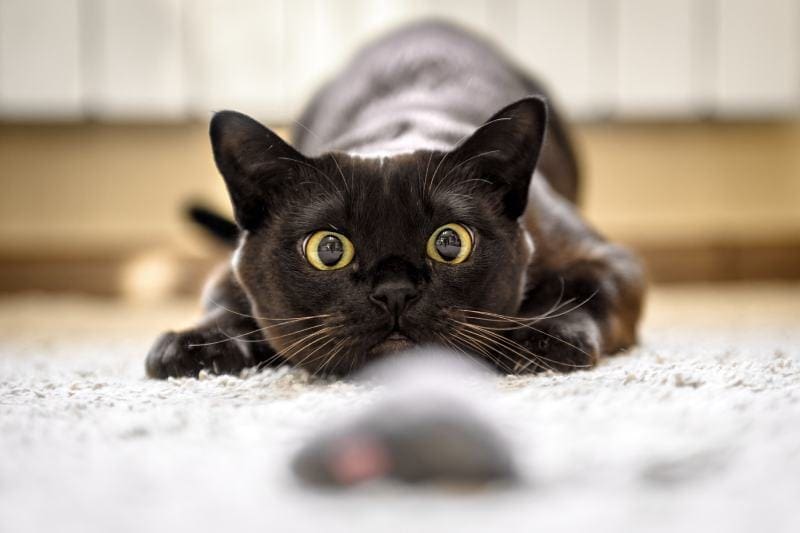
Cats' pupils sometimes dilate when cats are excited and in the middle of a stimulating activity, like chasing, stalking, and pouncing during playtime. When cats hunt, their bodies shift into high gear; their hearts beat faster, and their pupils dilate, sharpening their vision.
While playtime is essential for cats, setting a few ground rules can help keep your cat safe. Avoid allowing your cat to chase your hands or feet to prevent encouraging your pet to see people as appropriate objects for pouncing or biting.
2. Night Vision
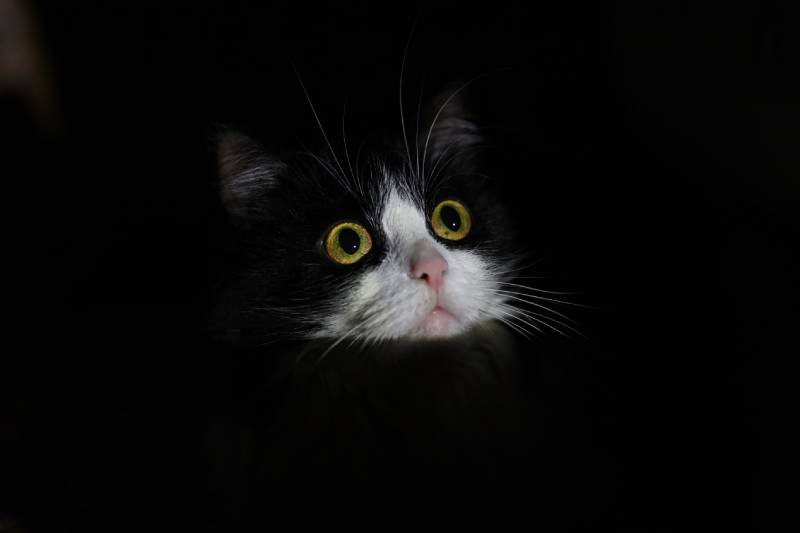
A feline’s vision is optimized for exploring and hunting during dusk and dawn. Cats’ eyes have numerous rods, which gives them sharp low-light vision. They also have a light-reflecting structure called tapetum lucidum that boosts their nighttime visual acuity. Feline night vision is about six times better than that of humans. Cats' pupils become smaller in bright sunlight and open wide in dark conditions. It’s normal for cats to have saucer-wide pupils at night!
3. Stress or Being Scared
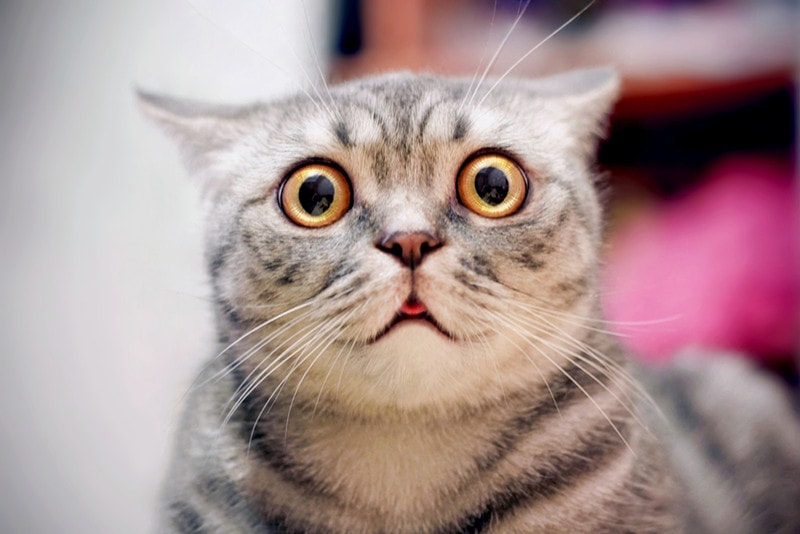
Cats often respond to stressful and frightening situations by going into flight or fight mode, which sometimes involves dilated pupils. Other signs that a cat is becoming stressed include tail thwacking, fast breathing, and trying to appear smaller by crouching or holding their tails against their bodies. Cats that show signs of stress often calm down on their own if given sufficient time and space. They sometimes demonstrate fear-based aggression if the trigger is not removed or they feel trapped. Consider creating a safe space where your cat can retreat when they need to calm down. Choose a quiet location away from dogs, people, or loud noises. Ensure your cat has food, water, a few places to nap, and a high place to hang out to help them regain a sense of calm.
4. High Blood Pressure
Cats' pupils normally open and close in response to lighting conditions. If your cat's pupils remain dilated even in bright sunlight, it could indicate a serious health issue. It's sometimes a sign of blindness. Also, cats with high blood pressure often have fixed and dilated pupils if their retinas have detached as a consequence of the increased pressure.
High blood pressure is difficult to detect in its early stages based on clinical signs alone, and by the time it is diagnosed, the disease has often caused significant damage. Cats' eyes, kidneys, kidneys, brains, and hearts are commonly impacted by hypertension, and blindness is, unfortunately, often one of the indications of the condition.
5. Glaucoma
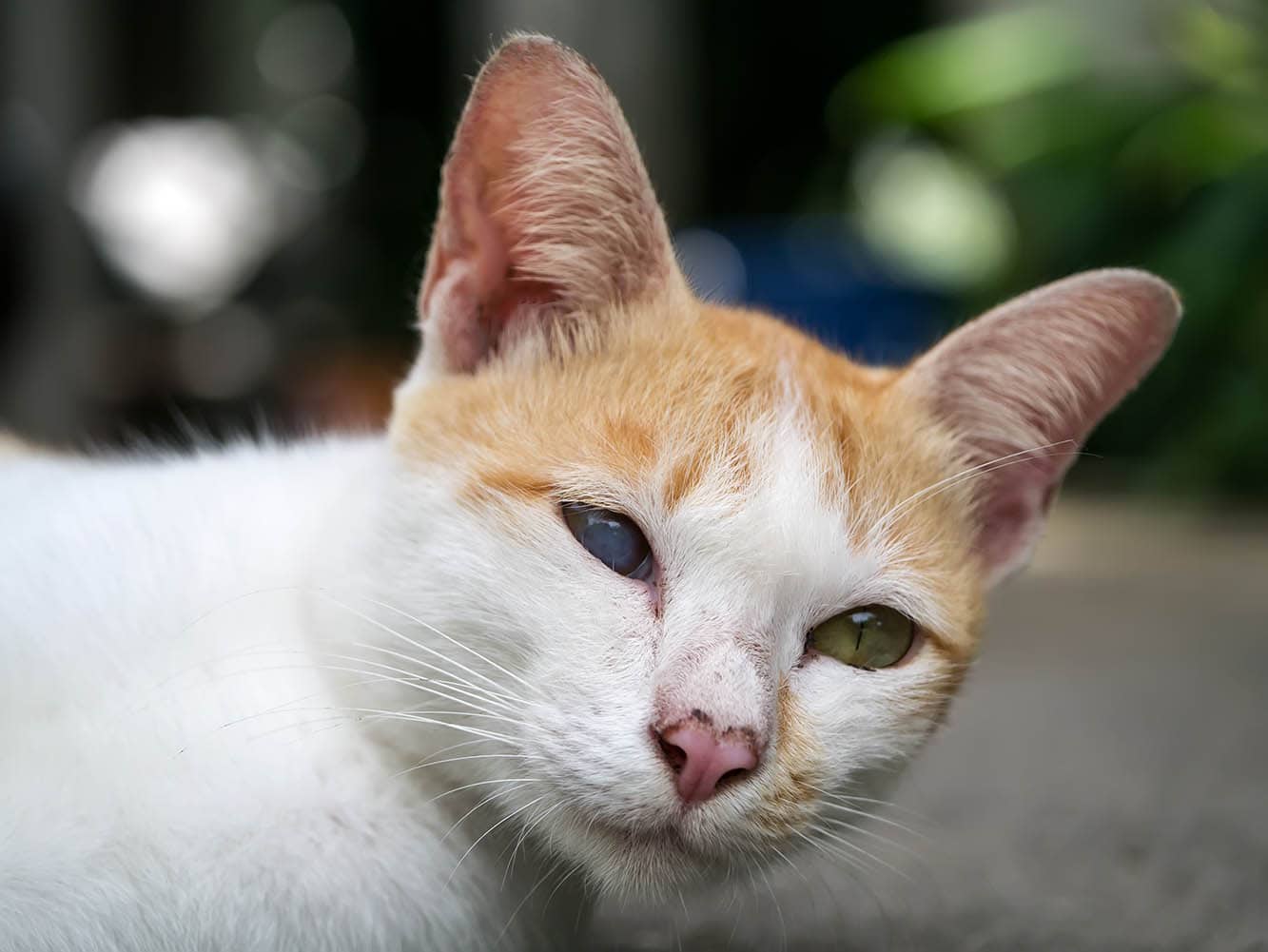
Glaucoma occurs when the fluid in a cat's eye can't drain normally, leading to increased ocular pressure, nerve damage, and poor vision. If left untreated, glaucoma can lead to blindness. Cats can have glaucoma in both eyes or just one. Glaucoma-related vision damage can't be reversed. Primary glaucoma is rare, it usually occurs in both eyes and is often seen in Siamese and Burmese cats. Secondary glaucoma is far more common in cats and it usually develops as a consequence of uveitis (internal eye inflammation) or an eye tumor.
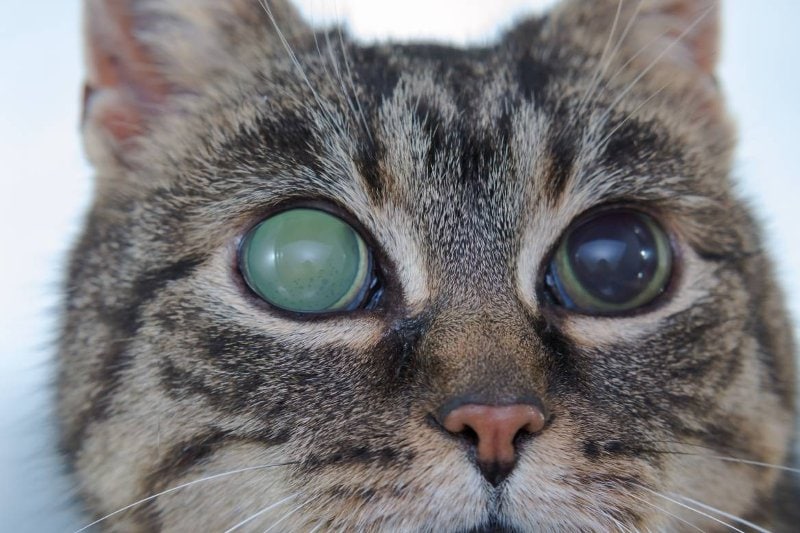
Signs of glaucoma include cloudy eyes and changes in eye size due to pressure increases. Some cats with the condition have a fixed and dilated or abnormally-shaped pupil.
6. Anisocoria
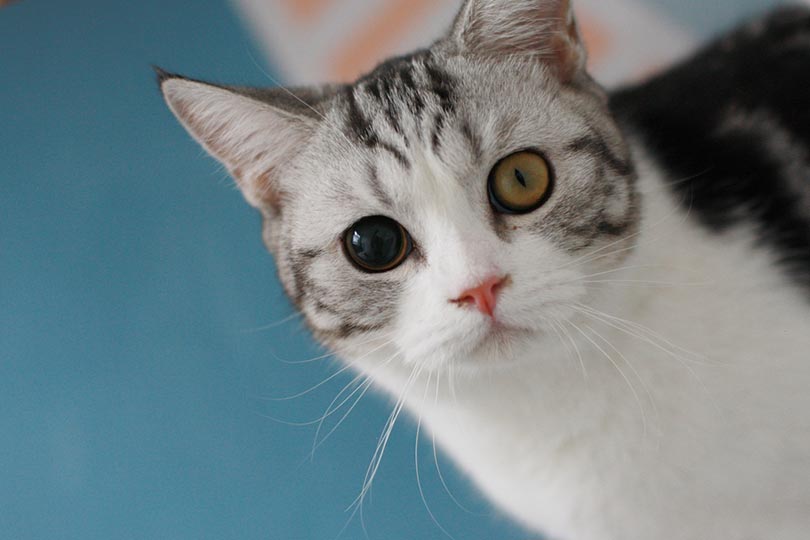
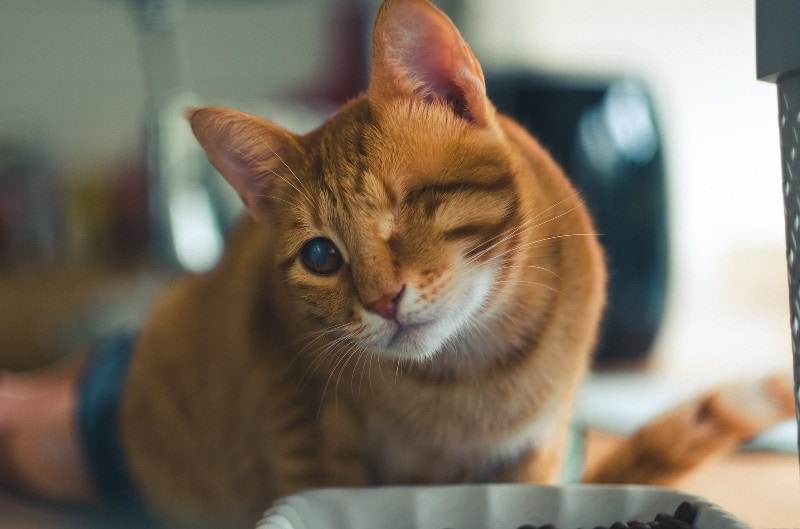
Sometimes your cat’s pupils are different sizes, called anisocoria, and it might be hard to know if the normal pupil is the one that is dilated or narrowed. Anisocoria is always a sign of illness and merits a trip to the veterinarian. The condition can be caused by inflammatory conditions, corneal ulcers, toxins, and ear disease. Viral and fungal infections can be responsible for uneven pupil dilation, particularly in outdoor and stray cats.
Eye cancer and neurological conditions can also cause anisocoria. Make an appointment with your veterinarian if your cat's pupils are different sizes. Take a picture so they can see exactly what you're talking about, particularly if the problem comes and goes.
7. Catnip
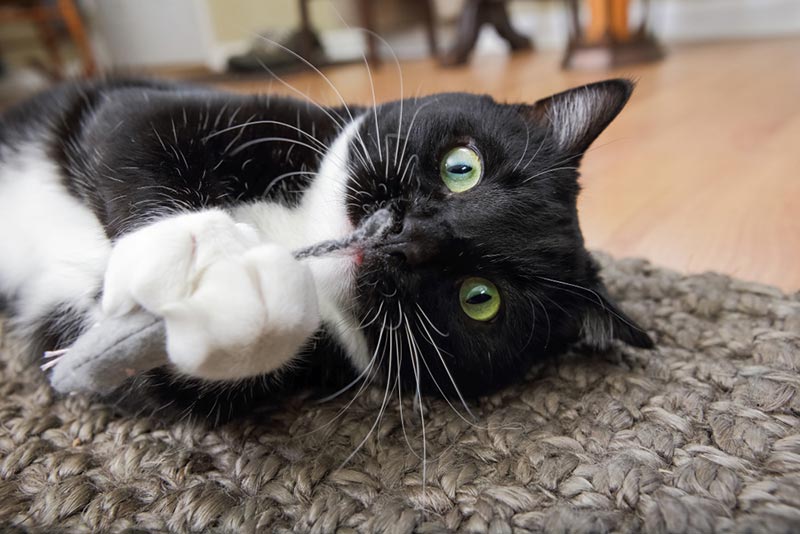
Catnip, technically known as Nepeta cataria, is an easy-to-grow plant that cats love to nibble on and sniff. Many cats can't get enough of it, but others don't react to it at all. When they eat catnip, most cats mellow out and spend a good bit of time napping. Pets that sniff it often become stimulated and excited; it's a great way to encourage couch potato cats to get up and move for playtime. When catnip works as a stimulant, it can make your cat's heart beat faster and cause your pet’s pupils to dilate.
Conclusion
Cats have fantastic vision optimized for seeing and hunting at dawn and dusk. Their eyes are packed full of rods that give them an advantage in picking up subtle movements in the dark. Their pupils open wide to increase the light entering their eyes under dark conditions.
Cats' eyes often dilate when they are playing, excited, or scared. However, it can also be an indication of a severe medical condition. Have your cat evaluated by a veterinarian if one or both of their pupils remain dilated even in bright light or if you regularly observe a difference in the size of your pet's pupils.
Sources
https://www.merckvetmanual.com/cat-owners/eye-disorders-of-cats/eye-structure-and-function-in-cats
https://www.petmd.com/cat/conditions/cardiovascular/c_ct_systemic_hypertension
https://www.vet.cornell.edu/departments-centers-and-institutes/cornell-feline-health-center/health-information/feline-health-topics/feline-glaucoma
https://www.ncbi.nlm.nih.gov/pmc/articles/PMC3348181/
Featured Image Credit: driesel, Pixabay
Get Hepper In Your Inbox


Pet care tips from our vets and experts, straight to your inbox.
You may opt-out at any time. View our Privacy Policy for more information.
Lorre Luther a reformed lawyer from the United States, she moved to the Netherlands to follow her dream and become a writer. Currently living in Rotterdam, Lorre enjoys traveling and reveling in the astonishing beauty of our planet. As an animal lover, Lorre is convinced that cats are smarter than humans.
Join the conversation
Ask a question, share your story, or send private feedback.