Hepper is reader-supported. When you buy via links on our site, we may earn an affiliate commission at no cost to you. Learn more.
Dog Won't Eat Dry Food Anymore? Here's What It Means


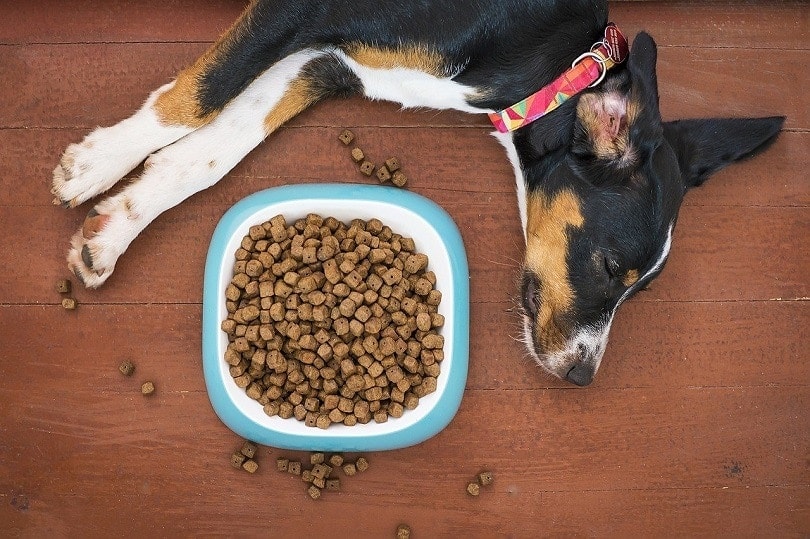
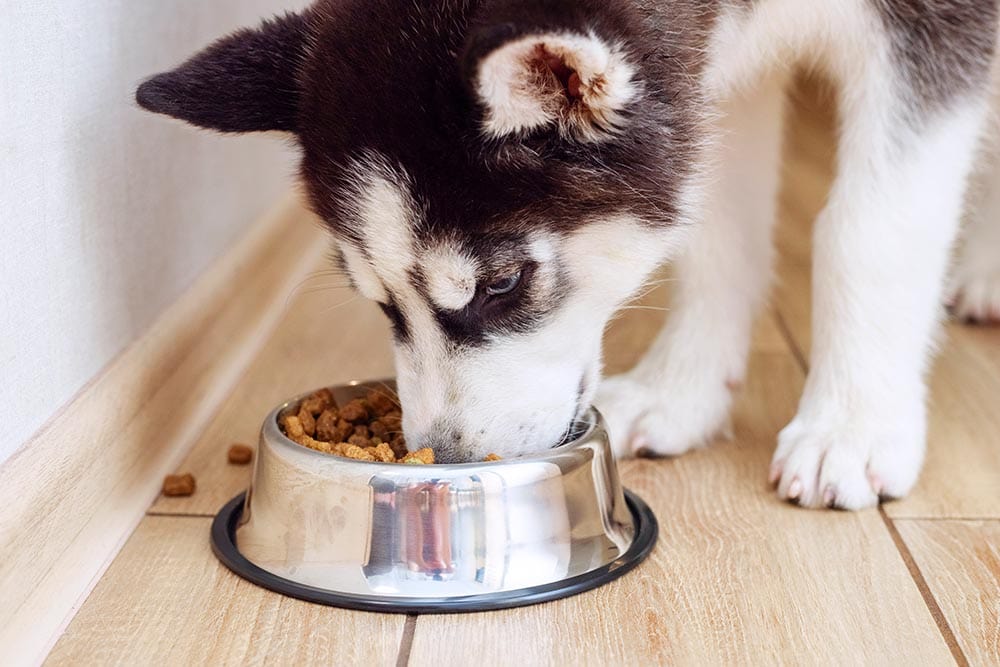
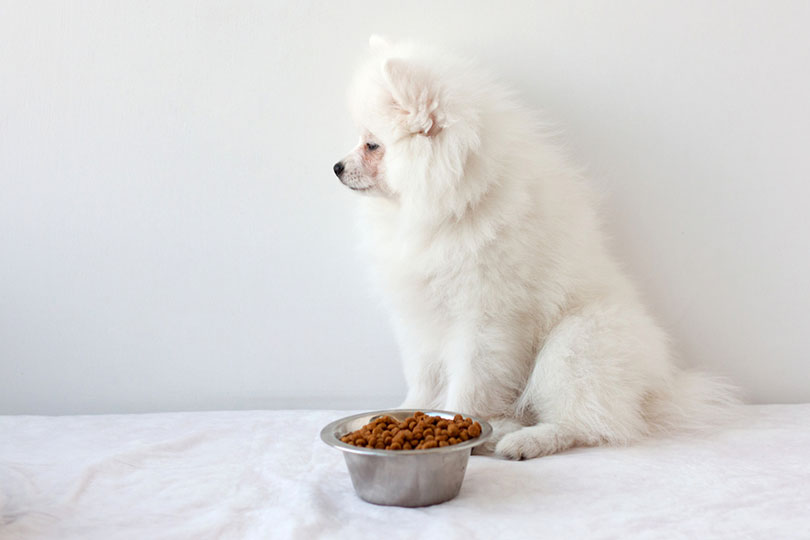
It’s one of the most frustrating experiences that a dog owner can encounter. Your dog — the same mutt who gladly eats out of the garbage and drinks out of the toilet at every opportunity — suddenly refuses to eat their dry food.
It’s fairly common, but what does it mean? Is it something that you should be concerned about? We’ll tell you everything you need to know about this behavior, including when it’s time to call a doctor.

The Different Types of Refusal
A dog’s refusal to eat is called “anorexia,” just like in humans, although it’s a different condition. Canine anorexia can be partial or complete.
"Pseudo-anorexia" is the term used for partial anorexia, when dogs have some desire to eat but a reduced appetite. Pseudo-anorexia can be caused by pain or difficulty eating their food. Injuries in the mouth are a typical cause, but other issues could also be behind a decreased appetite and food consumption.
Complete anorexia is when your dog refuses to eat anything. This is typically much more concerning than partial anorexia.
Food discrimination is when your dog will eat some things but refuse to eat others. For example, they may turn up their noses at their kibble but wolf down any treats you offer them.
Once you figure out what exactly is going on with your dog, you are already on the way to fixing the issue.
First, Make Sure Your Dog’s Okay
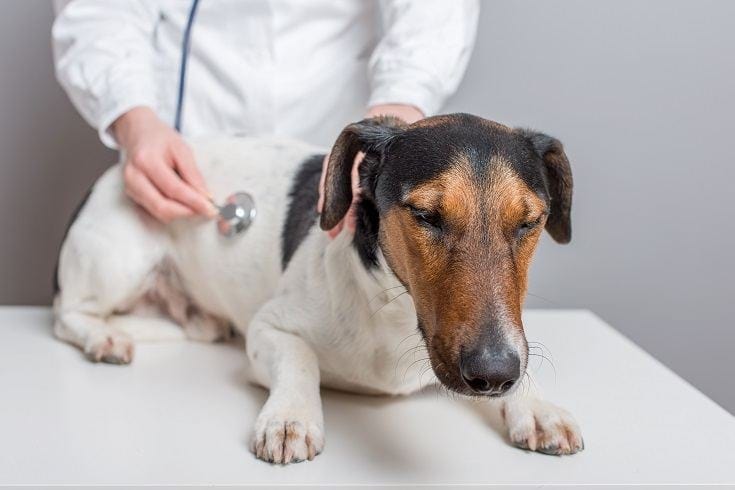
A sudden loss of appetite could be indicative of any number of health conditions. If your dog is refusing to eat anything, you should take them to a vet to make sure they are okay.
That’s especially true if the lack of appetite is accompanied by other symptoms, like vomiting, diarrhea, lethargy, or a change in body temperature. These are serious causes for concern, and you should get your dog checked immediately.
Some conditions that can cause lack of appetite include infections, bowel obstruction, liver failure, and more.
Dental problems are another common cause, especially for pups that refuse to eat crunchy kibble. If your dog has bad or broken teeth, it could make it painful to chew, which would cause them to refuse to munch on their dry food.
If your dog’s health check comes back clean, you can move on to addressing other potential issues.

The 9 Reasons Why Your Pup Might Not Eat Dry Food Anymore
1. Dissatisfaction With the Food
Sometimes dogs won’t eat their food for the simple reason that they don’t like it. This is more common when feeding your dog a new food. If your pup is refusing to eat a new kibble, you might want to try switching brands (slowly, of course).
However, if you’ve been feeding your dog the same food for a while without issue, you might want to inspect the bag. You might’ve gotten a spoiled batch or something similar. It’s worth testing out a different bag to see if it was just an issue with that particular batch.
It’s always possible that your dog will just decide not to eat their old kibble anymore for one reason or another. You can try switching to a different recipe to see if that solves the problem. This is an excellent opportunity to switch your dog to a healthier kibble or even a raw diet.
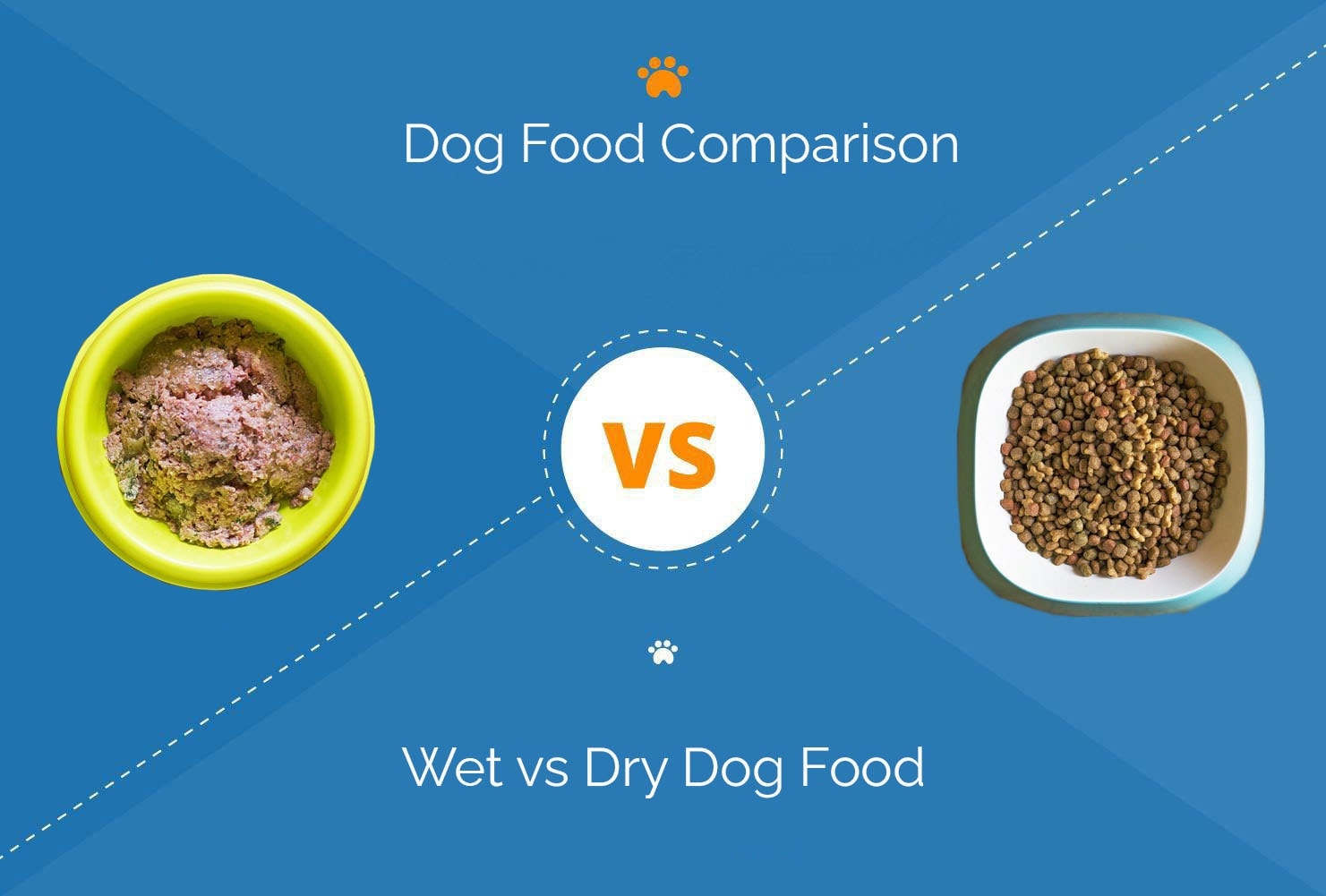
You could also experiment with toppers like wet food or raw, freeze-dried meat. These may spice up your dog’s dish, reinvigorating their interest in their food.
If your pup is only suffering from a reduced appetite or clearly discriminating between foods, dissatisfaction with their food is the most likely cause.
Our Favorite Dog Food Deal Right Now
2. New Recipe
Sometimes, manufacturers change the recipe for their kibble. You may not realize anything’s different, but your dog will, and they may not care for the change.
Inspect the food and see if it looks different, then check the ingredients list for any changes. You can also go to the manufacturer’s website or Google the food to see if any recipe alterations have been announced.
While you’re investigating, also check to see if there have been any recalls that you’ve missed. The last thing that you want is to continue serving your dog dangerous or contaminated kibble.

See also: Dog Won’t Eat Their Food But Will Eat Treats? 5 Possible Reasons
3. Age
As dogs get older, they typically eat less. Many senior dogs switch to just a single meal per day at a certain point. If your pet is eating one meal fine but turning up their noses at their second course, you might want to consider reducing the amount that you feed them every day.
The reduced appetite could be due to a reduced sense of taste or smell. It could also be due to the fact that your dog isn’t expending as much energy as they used to. Regardless, you’re just wasting food if you keep shoving unwelcome meals in their face.
4. Stress
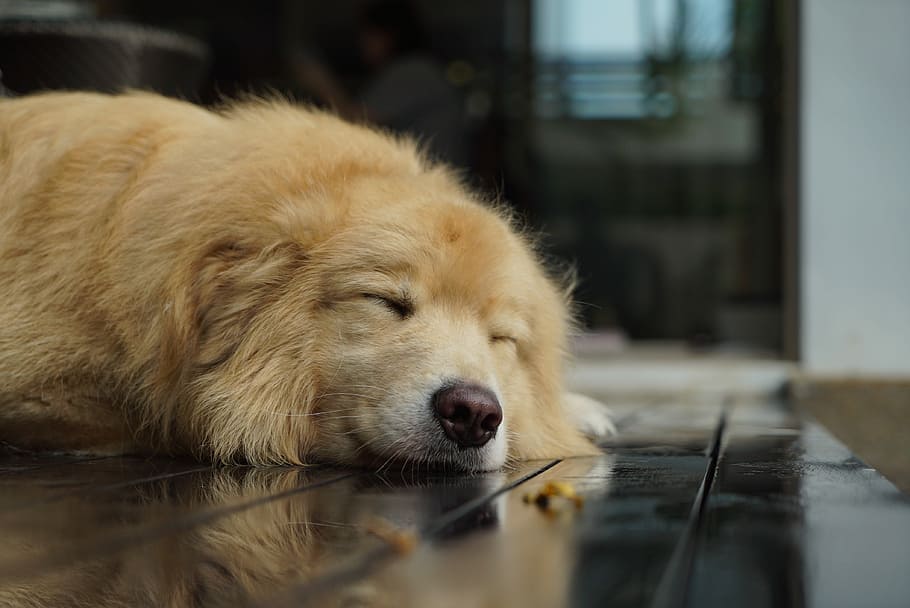
When your dog is stressed, they’re not likely to have much of an appetite. Stress could be due to any number of factors, including a recent move, chaotic conditions around the house, or even something as simple as a new bowl.
If you suspect that stress might be the cause, make plans to keep your dog’s schedule as rigid as possible. Feed them at the exact same time and place every day, and try to keep walks and other notable interactions consistent.
Larger changes, such as moving to a new house or adding a new dog, can take more time for your dog to adjust to. It’s especially important to give them some sort of normalcy during these times, so don’t make any unnecessary changes, like switching to a new food or feeding them in a different location.

5. Too Many Treats
Dry kibble is certainly not exciting, especially when compared to steak, hamburgers, or whatever else you happen to be eating.
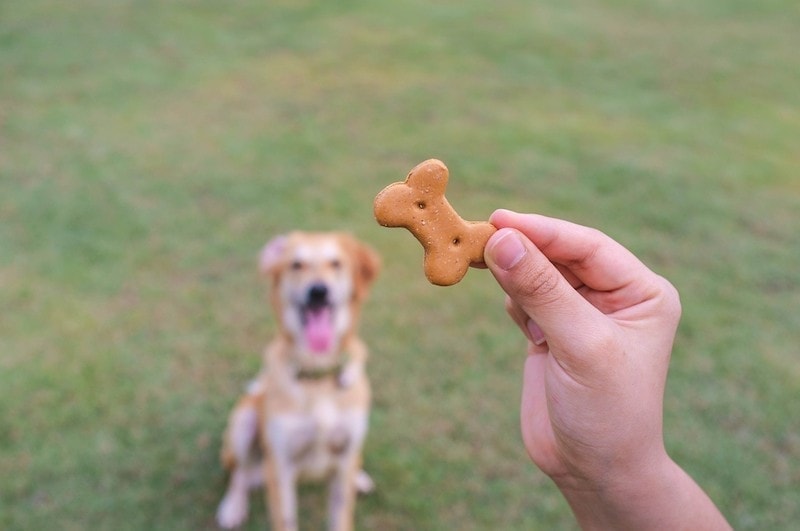
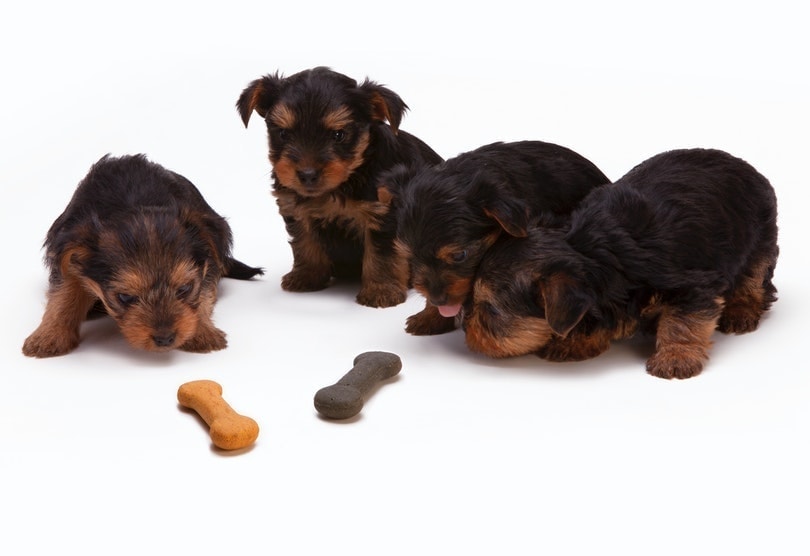
Sometimes your dog will lose their taste for boring old kibble because you’ve been offering them too many treats and scraps. It’s like spoiling your appetite for broccoli by eating too much ice cream.
If you’ve been ramping up the number of treats you’ve been giving your pup lately, cut back and see if their appetite returns. If it does, it’s a sure sign that you’re the cause of the problem.
6. New Medication
If your dog has recently switched to a new medication, lack of appetite or nausea may be one of the side effects. Check the label and see if anything of the sort is mentioned.
You can check with a vet to see if there’s anything you can do to reduce the effects of the meds. This may mean lowering the dosage, mixing it in a special way, or switching to another medication entirely.
7. Overfeeding
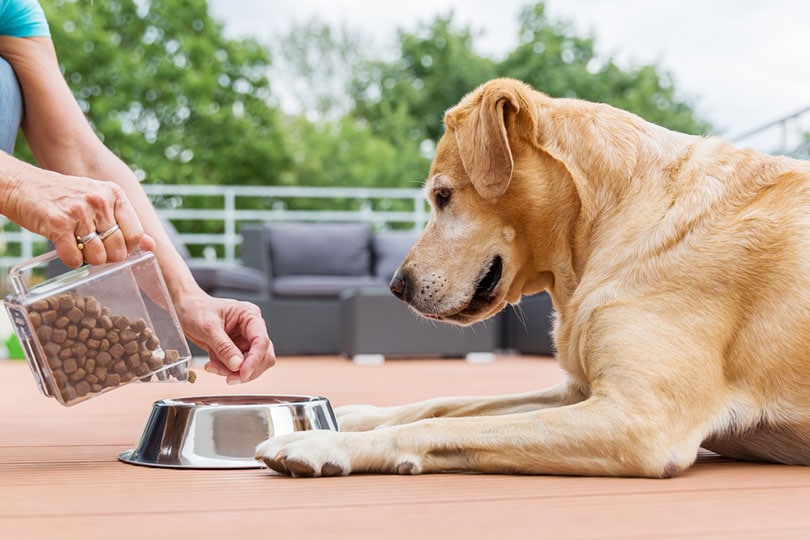
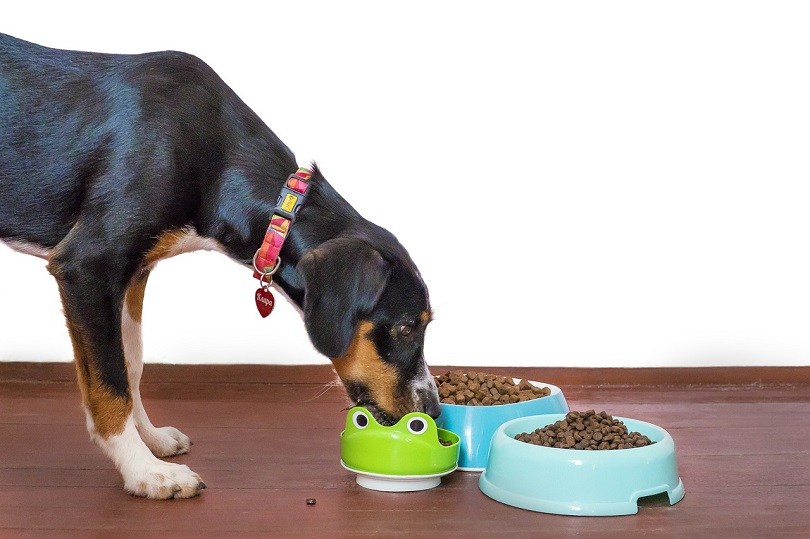
One of the reasons that your dog might lose interest in their supper is because you’re simply feeding them too much. If you’re really filling the bowl to the brim or letting your dog free-feed throughout the day, they may not have much of an appetite when you put a fresh bowl in front of them.
Also, if you live with other people, it’s worth checking with them to make sure no one’s accidentally double-feeding your dog (because you know your dog won’t argue). It’s a surprisingly easy mistake to make, so it’s worth having a quick conversation with all your housemates.
8. Separation Anxiety
When many people think of separation anxiety, they picture whining, barking, and destructiveness. However, sometimes, your dog will stop eating because you haven’t been home as much or haven’t been able to spend time with them when you are home. This is especially common among new dogs.
The best way to solve this problem is simply to spend more time with your dog. If that’s not possible, try to gradually desensitize your dog to your absence so it’s not such a traumatic event every day.
9. Indigestion
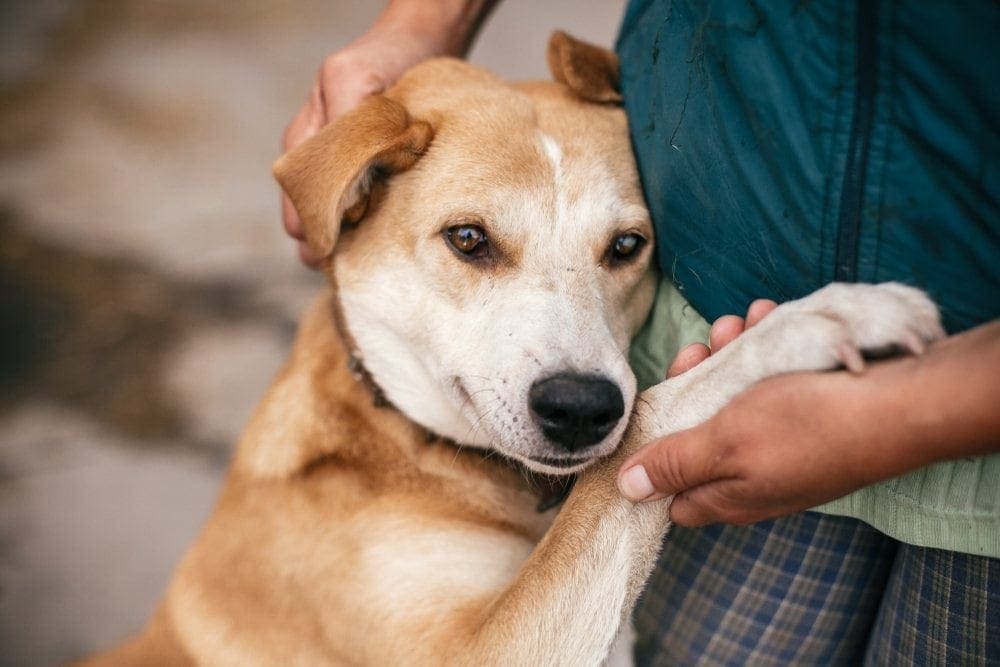
Sometimes your dog simply ate something that did not agree with them, causing them to lose their appetite. Do a quick visual inspection of your home and yard to see if there is anything your dog might have gotten into, like human food, garden vegetables, or the like.
If you find something toxic that looks like it’s been munched on, take your dog to the vet or call poison control immediately.
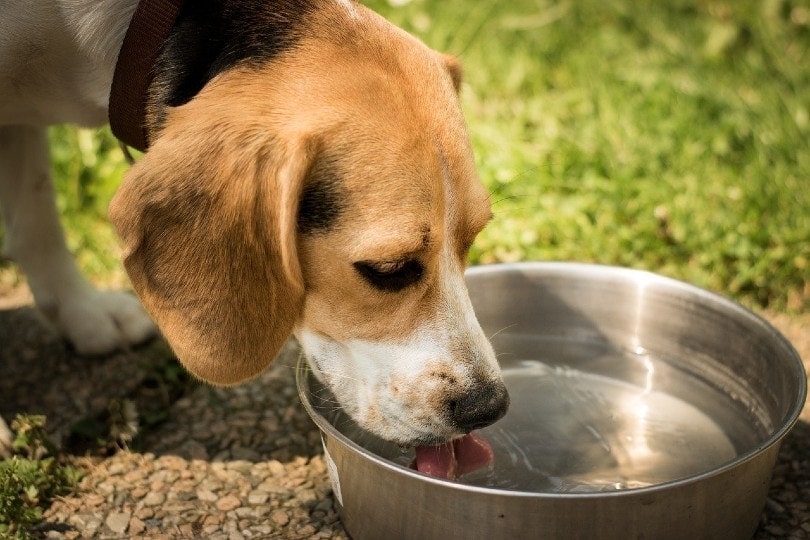
If you find the culprit and it’s something harmless, you can wait out the indigestion. Make sure you offer your dog water and dog-safe bone broth cooked without onions, garlic, or excessive salt. This will help them stay dehydrated and gently reset their appetite. Give your dog a bland diet based on plain, boiled, boneless chicken and rice for a couple of days then start reintroducing its food gradually.

Whatever You Do, Don’t Ignore the Problem
Dogs typically have great appetites, and if they turn up their nose at their food bowl, it could be indicating that something is up. You should always take canine anorexia seriously and rule out any dangerous causes before writing it off as an anomaly. If you are sure the underlying issue is not a medical problem, then a simple change of diet or cutting down on treats might solve the issue!
Related Read: Is Dry Dog Food Bad for My Dog?
Featured Image Credit: Pixabay
Get Hepper In Your Inbox


Pet care tips from our vets and experts, straight to your inbox.
You may opt-out at any time. View our Privacy Policy for more information.
Nicole is a lover of animals of all sizes but is especially fascinated with the feline variety. She’s the proud mom of Baby, a Burmese, and works every day so he can relax in the sunshine or by the fire. She’s always had a cat in her home and has spent countless days with others, observing behaviors and softening up even the grouchiest of the lot. Nicole wants to share her kitty expertise with you so you and your cat can live happy, healthy, and care-free.
Join the conversation
Ask a question, share your story, or send private feedback.