Hepper is reader-supported. When you buy via links on our site, we may earn an affiliate commission at no cost to you. Learn more.
Why Is My Dog’s Poop Black? 7 Vet-Reviewed Causes & Solutions


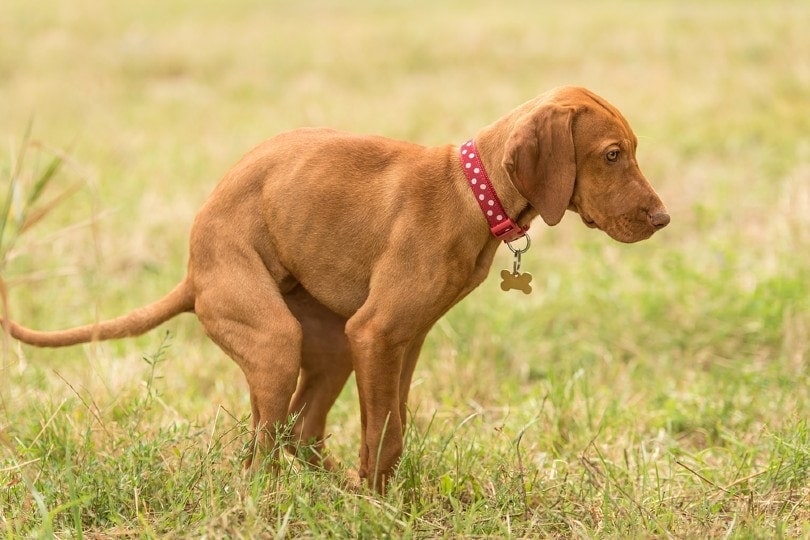
As pet owners, we usually get a good idea of what’s normal and what isn’t when it comes to our pet’s bowel movements. And black poop isn’t normal. It’s an immediate cause for concern. That’s because the most common cause of black stool is partially digested blood. But there isn’t one single cause of blood getting into poop, and there are a few other things that can turn poop black.
So, before you take your dog to the vet, it can be helpful to figure out as much as you can about the cause. Here are seven reasons why your dog might be passing a black stool.

The 7 Reasons Your Dog’s Poop Might Be Black
1. Intestinal Bleeding

The most common cause of black poop is partially digested blood because your dog has acute bleeding in their stomach or small intestine. If it’s in the lower digestive tract, the blood will come out bright red. Bleeding into the stomach or small intestine can result in a black, tarry appearance to your dog’s stool called melena. This bleeding can have a range of causes but may be life-threatening and require immediate intervention.
Treatment
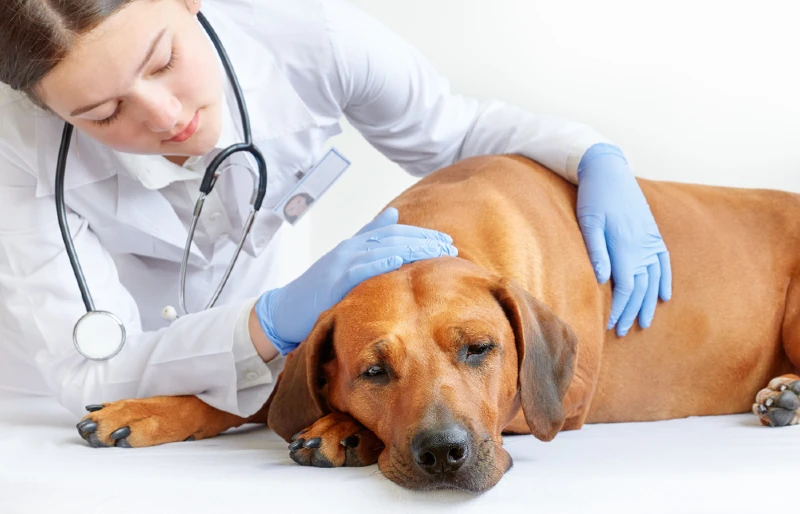
Seek vet care immediately. Stomach and small intestinal bleeding can be very serious and usually requires veterinary attention.
2. Eating Bloody Food

If your dog is passing black poop, there’s a chance it’s not their blood that is making it black. Dogs who eat raw meat or attack live animals might swallow some blood that turns their poop dark. This is a good scenario because it means that your dog isn’t bleeding internally, but there are also concerns with feeding raw food to your pet.
Treatment
If the cause of black poop is bloody food, your dog shouldn’t be in direct danger. But if you aren’t absolutely sure of the cause, seek vet advice just in case.
3. Ingesting Charcoal or Black Dye

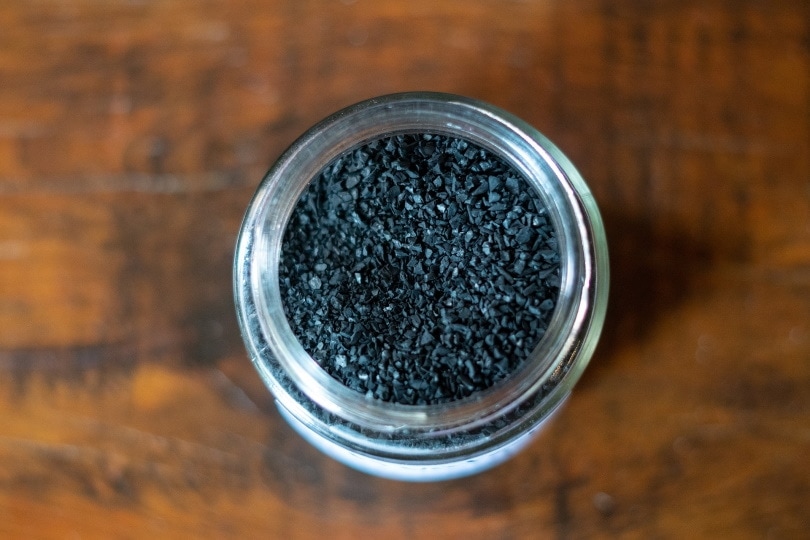
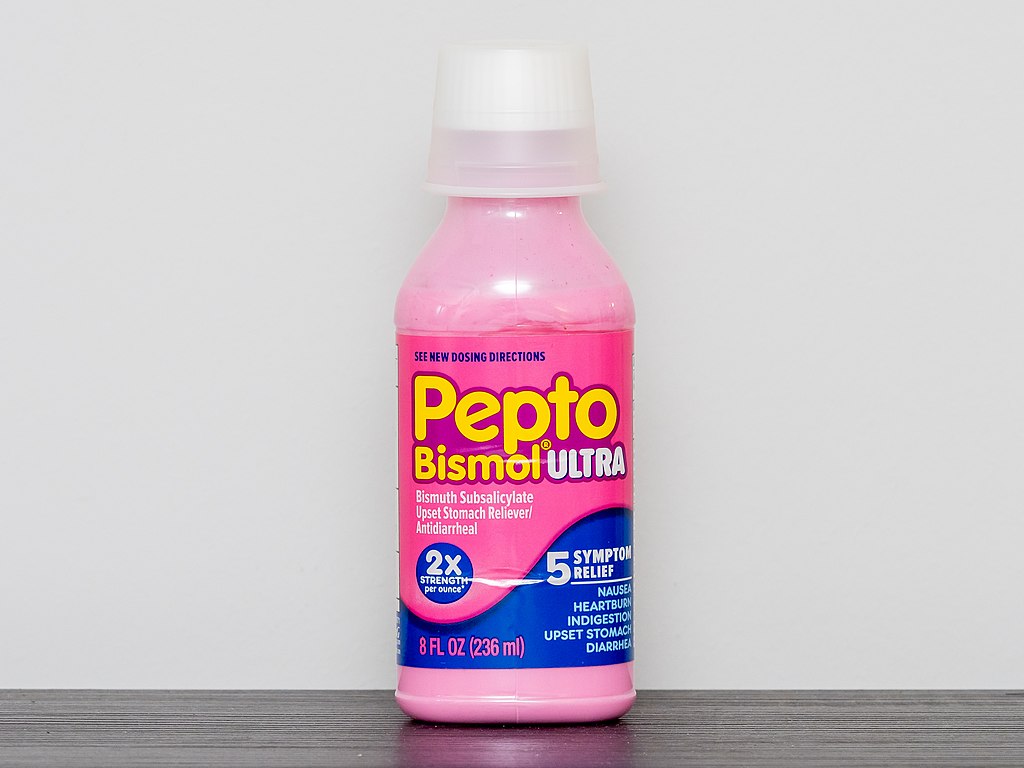
Another cause of black stool is food that’s dark black in color. One common source of this is activated charcoal. Your vet might prescribe charcoal if your dog has recently eaten something toxic, and some dogs might get into activated charcoal products on their own. Some owners give charcoal biscuits as a way of easing bloating or gas in their dogs.
Another common cause is black food dye. Black dye shouldn’t be a part of your dog’s diet, but if they have a habit of stealing food, they might find something they shouldn’t. Food dyes will usually cause staining on your dog’s mouth and fur as well as dark stool.
Treatment
Like the bloody food, this one doesn’t need medical intervention. The dye should work its way through in a day or two. Keep an eye out for other signs of distress in the meantime, especially if your dog ate something they shouldn’t.
4. Medication Reactions

Medications can sometimes have side effects that shouldn’t be ignored, including digestive bleeding. When your dog is on a new medication, you should be watching more closely than normal for reactions like this, just in case your dog is sensitive to the medication. Nonsteroidal anti-inflammatory medications are a more common cause of this.
Treatment
Consult with your vet immediately about a change in medication. Usually, a change in medication is required.
5. Stomach Ulcers
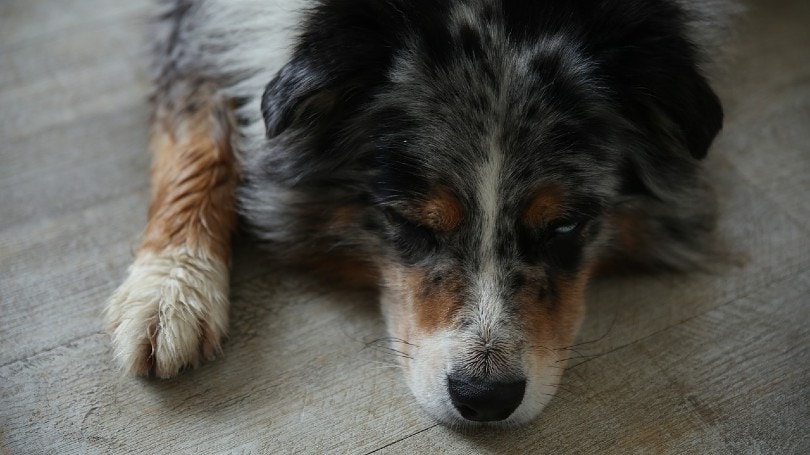
Stomach ulcers are an erosion in your dog’s stomach or intestinal lining caused by an excess of digestive acids. These holes can develop over time, and depending on where they are in the digestive tract, they can cause black melena.
Treatment
Like other kinds of internal bleeding, you should seek vet care to diagnose and treat stomach ulcers. If the ulcer is still mild, an antacid or similar medication might be sufficient to treat it, while serious ulcers or perforated ulcers can require surgery.
6. Bacteria or Virus

Some illnesses can attack the stomach lining and intestinal walls, destroying sections and leading to internal bleeding. If your dog is sick, you might see other signs of illness like lethargy, loss of appetite, or vomiting. These diseases have a wide range of severity, and many can be life-threatening without proper vet care.
Treatment
Seek vet care. Some bacterial infections can be treated with antibiotics, while other illnesses may require a different medication plan or surgery.
7. Swallowing Blood From Another Injury
Another common cause of blood in stool is swallowing blood from another injury. This might be a bleeding mouth or throat injury, where the dog swallows blood involuntarily, or an injured dog might lick their wounds, swallowing blood in the process. Some dogs attempt to hide their wounds, so you might not notice an injury if you aren’t looking for it.
Treatment
Find the source of blood and treat it according to the severity of the injury. If your dog is swallowing enough blood for it to turn their stool black, vet care will probably be required to treat the wound.
Last Thoughts
As you can see, there are many different causes of black stool, but most of them come down to blood being introduced into your dog’s stomach or small intestines. This list is not exhaustive and your vet will need to consider many possibilities. There are a few possible causes that are mostly harmless to your dog, but black stool is often a sign that something is seriously wrong.
Take your dog’s poop seriously, as black stool usually means that your dog is unwell and requires treatment from a qualified vet.
Featured Image Credit: SasaStock, Shutterstock
Get Hepper In Your Inbox


Pet care tips from our vets and experts, straight to your inbox.
You may opt-out at any time. View our Privacy Policy for more information.
Chelsea Flake Mortensen is a writer with a passion for pets. She grew up around everything from cats to chameleons and loves working with all kinds of animals. Chelsea has a BA in English and Creative Writing from Brigham Young University.
Chelsea loves reading, writing, sewing, and board games. She's lived in half a dozen US states and two countries. She is currently living in New England with her husband. Her articles have been featured in various magazines and literary journals for children and adults. Her writing has been translated into over 40 languages.
Join the conversation
Ask a question, share your story, or send private feedback.