Hepper is reader-supported. When you buy via links on our site, we may earn an affiliate commission at no cost to you. Learn more.
When Is Dog Diarrhea an Emergency? Our Vet Explains
In this article
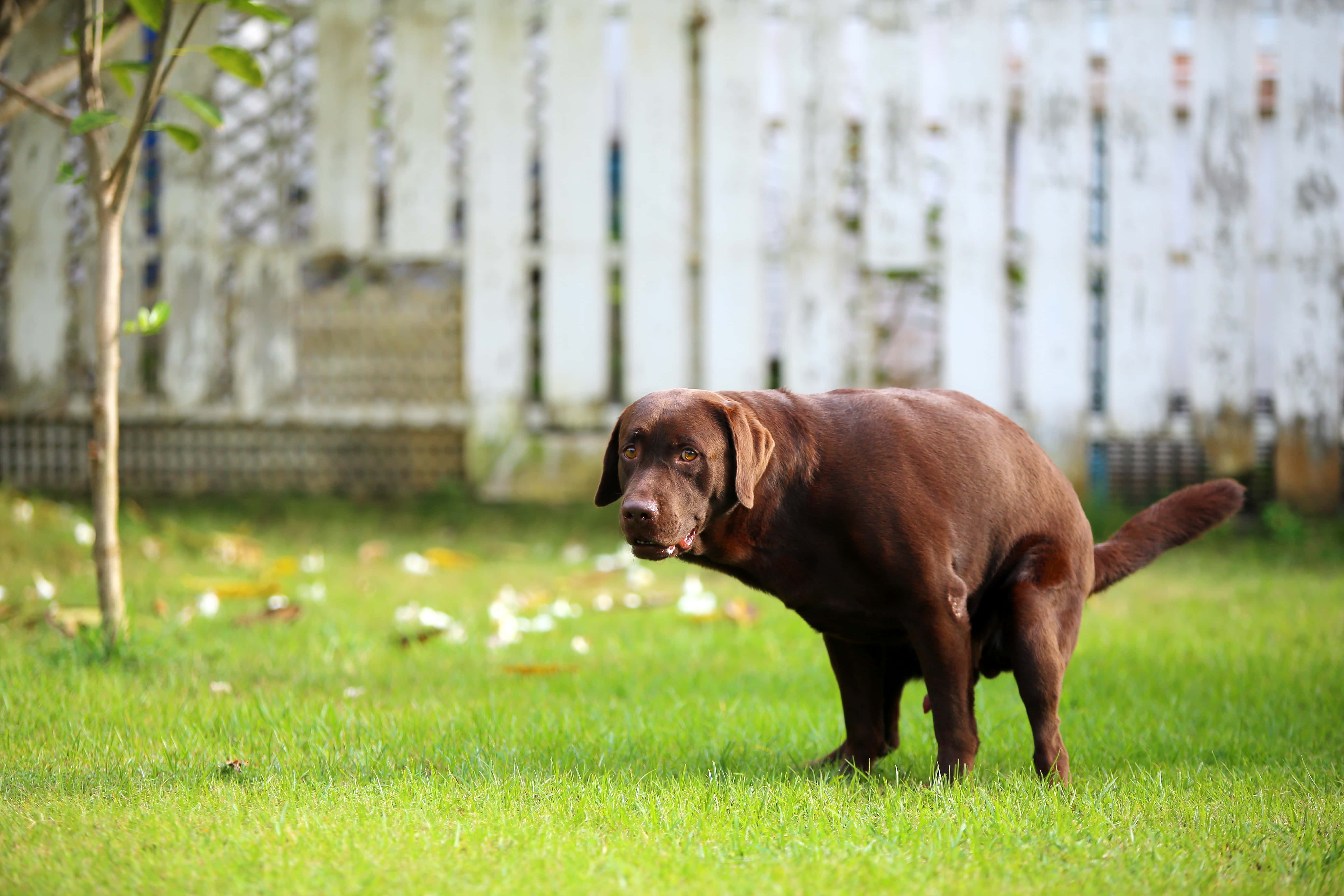
Unfortunately, dogs and diarrhea aren’t an uncommon mix, and most dog owners have had to clean some up at one point or another. If dogs are known for having bouts of diarrhea, how do you know when it’s a problem?
Diarrhea can be a sign of an emergency in dogs, so you’ll need to know how to tell when that’s happening and when it isn’t.

What Causes Diarrhea in Dogs?
Diarrhea is a non-specific symptom, meaning a very long list of problems can cause it. Here are some of the most important causes to know:
- Diet: Dogs usually do not tolerate diet changes very well. Getting into a different food item, rotating their foods, or outright changing them can cause episodes of diarrhea often.
- Allergies: Additionally, some dogs do not tolerate certain diets, and this may be because they’re allergic to an ingredient. Food allergies can develop at any time, and so a dog doesn’t have to start a new diet or treat to start having problems.
- Infections: Many infections can trigger diarrhea. Sometimes this is because they’re intestinal infections, causing inflammation of the GI tract cells. Other times, it can be infections elsewhere that stress the body and lead to diarrhea.
- Stress: Speaking of stress, dogs tend to develop diarrhea when they get stressed. Stress causes inflammation in the gut, which can upset the normal bacterial flora of the GI tract, and diarrhea develops when this happens.
- Parasites: Intestinal parasites in particular can be moving around, blocking things up, causing inflammation, and generally running amuck in a dog’s GI tract. This very often causes diarrhea or even vomiting as well. You may or may not see some of these parasites, like worms, in their stool.
- Toxins: Many toxins will trigger diarrhea. Sometimes this is due to the stress on the body, other times simply because they ate something new and their GI tract doesn’t like that, or in bad cases, they can get into something specifically GI toxic.
- Diseases: Various illnesses can cause diarrhea—even if they have nothing to do with the GI tract. If they cause inflammation, shunt blood away from the intestines, or stress the body and lead to chronic adrenaline release, these are all reasons to cause diarrhea in dogs. Some diseases are also specific to the GI tract, so it makes sense that they’ll cause diarrhea, like inflammatory bowel disease (IBD).


When Diarrhea Is an Emergency
Bloody Diarrhea
To start, blood in diarrhea isn’t always an emergency in dogs, but it can be. If a dog passes what appears to be mostly or all blood in their diarrhea, then they need to see a vet. If there’s some visible blood in the stool, this may be due to the inflammation with diarrhea and may be treatable from home.
A good additional rule of thumb is if everything else seems normal with the dog, with normal appetite, energy levels, and no other signs of illness besides diarrhea, then blood in the diarrhea can usually be monitored. If they have bloody diarrhea AND are acting ill, they must get to a vet ASAP.
Non-Stop Diarrhea
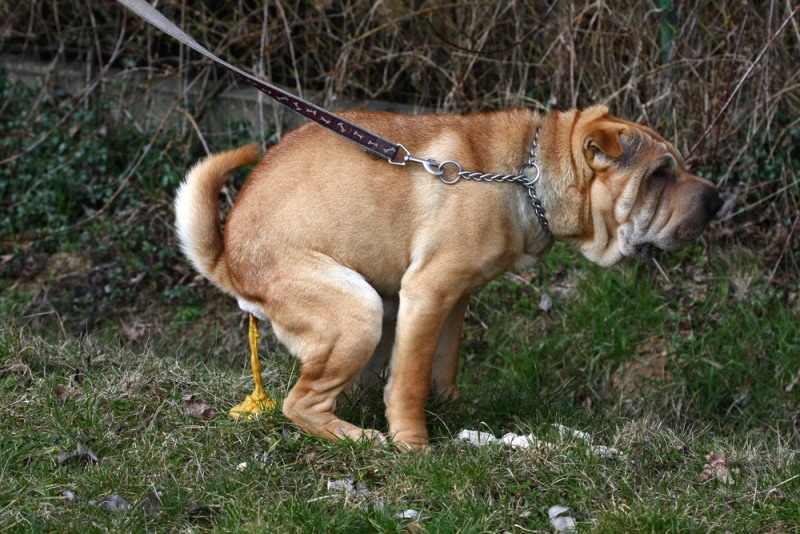
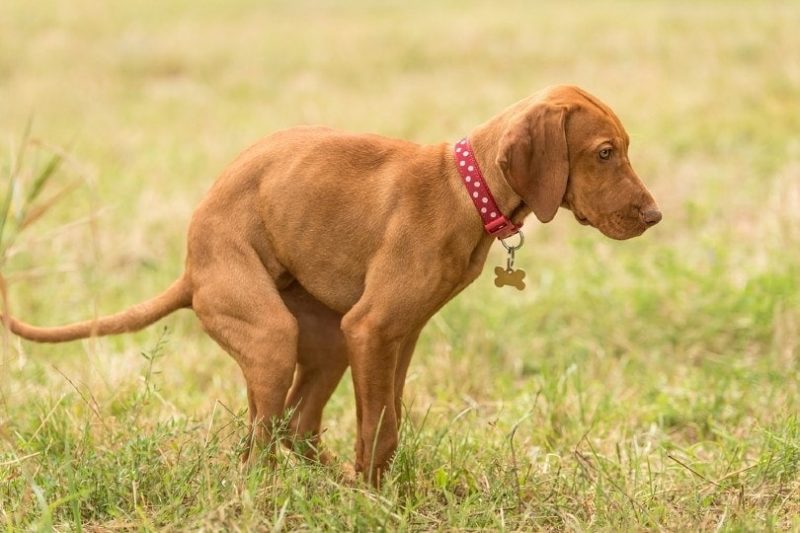
If a dog has significant diarrhea with extreme urgency, they’ll need to see a vet for fluid support, if nothing else. If they’re having accidents in the house because they can’t even make it outside first and are having diarrhea every hour or more, they need to be seen. Anything more than four episodes in a day is cause to be seen as an emergency.

Diarrhea For Longer Than 24 Hours
Non-emergency diarrhea will typically start to improve if not resolved entirely within a day or so. If a dog’s diarrhea worsens or persists for longer than 24 hours, they need to be seen. As a dog becomes dehydrated from diarrhea, the dehydration can also cause diarrhea and quickly debilitate them, even if it was caused for a simple reason. They will still need help now getting better before it becomes outright dangerous to them.
Diarrhea With Other Signs of Illness
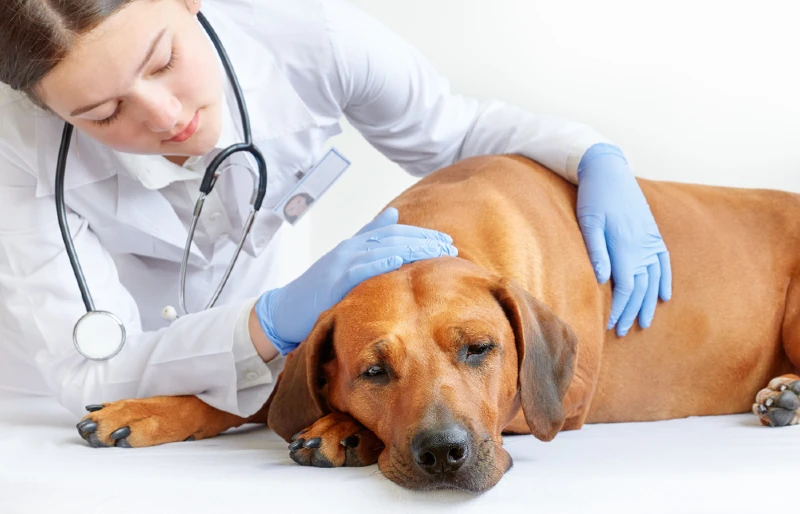
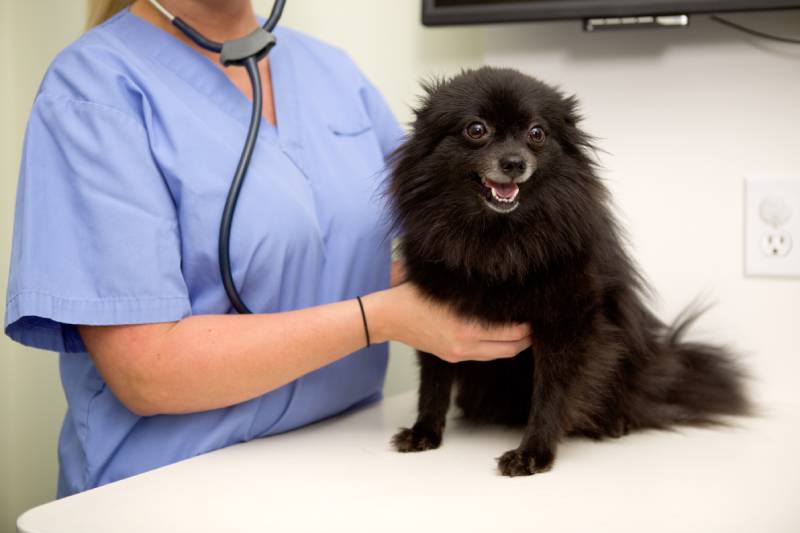
Similar to what we discussed with bloody diarrhea, for diarrhea, if a dog is otherwise acting ill, then they need to be seen. Especially if a dog has both vomiting and diarrhea, this can be an indication of several very serious emergencies. If a dog won’t eat, is lethargic, is walking unsteadily, or has anything else going on, then they need to go to the vet.
How Do I Care for a Dog With Diarrhea?
At home, to support a dog with diarrhea, they need to eat a bland diet. Think of this like chicken noodle soup for people. Anything too rich, especially high in fats, can worsen the diarrhea. Optimally, offering a prescription GI diet is a guaranteed way to give them a nutritious meal that won’t further exacerbate their symptoms, but for dogs that need an at-home option until they can be seen, bland diets can be made at home to get them by. The classic version offers chicken and rice, possibly mixed with pumpkin, but variations with cottage cheese and yogurt instead of chicken can be used for dogs with chicken allergies.
You’ll also need to make sure they’re drinking enough water as dehydration is very dangerous, and developing dehydration will land your dog in the ER. Adding plenty of water to their meals if they’ll tolerate it is a great way to get them to drink. Offering ice cubes as treats, even if you have to freeze some food into them, is another way. For some dogs, just offering water regularly instead of waiting for them to seek it themselves is helpful.
Probiotics are available over the counter and can really help dogs get their GI tracts back on track. Some types even come with stool-bulking agents to help the diarrhea resolve.
When possible, it also helps to identify what triggered the diarrhea in the first place and remove that in whatever way is relevant. This isn’t always possible but it can fix the problem in some cases.

Frequently Asked Questions (FAQs)
What does parvo diarrhea look like?
Parvo diarrhea may look like any other diarrhea, but it is often bloody, may seem chunky or mucusy, and usually has a fetid smell you’ll recognize if you’ve smelt it before. The diarrhea will also usually be persistent, urgent, and accompanied by other signs like vomiting, lethargy, inappetence, pale gums and more.

Is parvo an emergency?
If you suspect your dog may be having diarrhea due to parvo, this is always an emergency. They need to be seen and tested immediately and quarantined from all other dogs until that has been done.
Is Pepto Bismol safe for dogs?
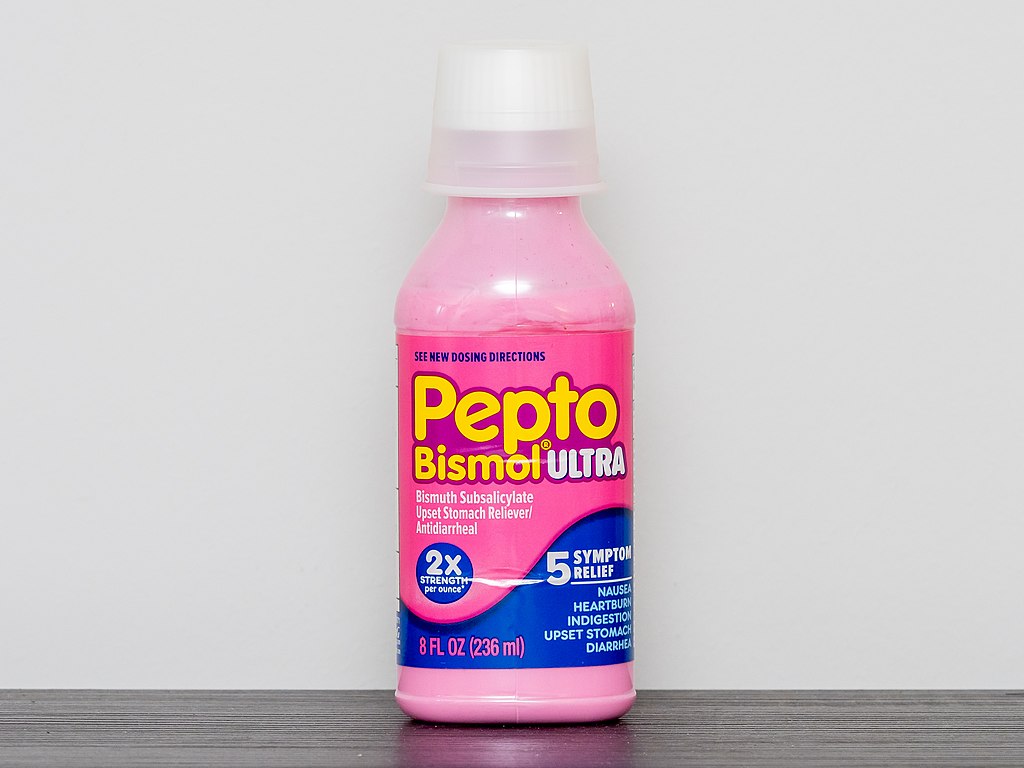
Pepto isn’t safe for dogs. That’s because Pepto Bismol is converted to the active ingredient in aspirin in a dog’s gut, and aspirin is toxic to dogs, especially if they’re having GI issues. You should never give a dog Pepto for diarrhea.
What foods stop diarrhea fast in dogs?
You want low fat foods that are high in fiber. Classic examples would be cooked pumpkin or sweet potato, rice, plain boiled boneless, skinless chicken breast, or even better, prescription GI diets formulated specifically for diarrhea cases.

Should you let diarrhea run its course in dogs?
Sometimes yes. For dogs doing well otherwise, having little to no urgency, instead just happening to have diarrhea when they go to the bathroom like normal, those not having bloody diarrhea, and that don’t have a known serious cause for their diarrhea, with a bland diet and some hydration support, they can be allowed to let their diarrhea run its course. If their diarrhea is showing some of the above signs though, that’s an emergency and they need to be seen right away instead.
Conclusion
While diarrhea is a common and potentially harmless issue for dogs, it is still important to recognize when it’s an emergency. Bloody diarrhea, repeat, urgent diarrhea, and diarrhea paired with other signs like vomiting would all be indications that a dog cannot wait to be seen. It helps to keep the information for your closest emergency vet hospitals on hand in case you need to make a hasty trip.
Related Reads:
Sources
Featured Image Credit: Tyler Olson, Shutterstock
Get Hepper In Your Inbox


Pet care tips from our vets and experts, straight to your inbox.
You may opt-out at any time. View our Privacy Policy for more information.
Dr. Zayas has a passion for sharing her extensive knowledge base with everyone she can. She lives in Colorado with her dogs, cat, and fish and has traveled all over the world with them. Her various life and work experiences have allowed her to focus on not only clinical practice, but also providing informative, accurate answers to almost any question her clients and readers can ask of her.
Education
Dr. Zayas received her Bachelor’s degree from Bryn Mawr College and her Doctor of Veterinary Medicine degree from Ross University School of Veterinary Medicine.
Experience
Dr. Zayas owns a house call small animal and exotics veterinary practice. She has special interests in allergies, pain management, end of life/hospice care, and finding unique solutions tailored to her patients’ and families’ individual needs. She has worked in shelter medicine, home health, and everything in between.
Join the conversation
Ask a question, share your story, or send private feedback.