Hepper is reader-supported. When you buy via links on our site, we may earn an affiliate commission at no cost to you. Learn more.
Why Is My French Bulldog Shaking? 10 Vet-Reviewed Reasons

In this article
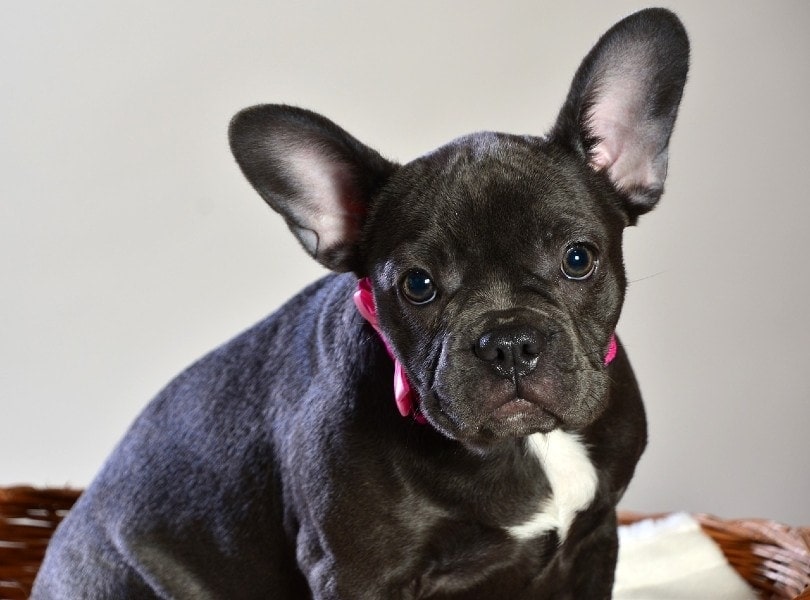
Shaking is a common occurrence in all dog breeds, but the French Bulldog’s small size and temperament make it especially susceptible. The reasons could be as simple as being overjoyed at your arrival or as serious as going into shock.
Monitor your Frenchie's signs and read on to learn how to distinguish mild shaking from a medical emergency.

The 10 Common Reasons for Shaking in Dogs
1. Cold Weather
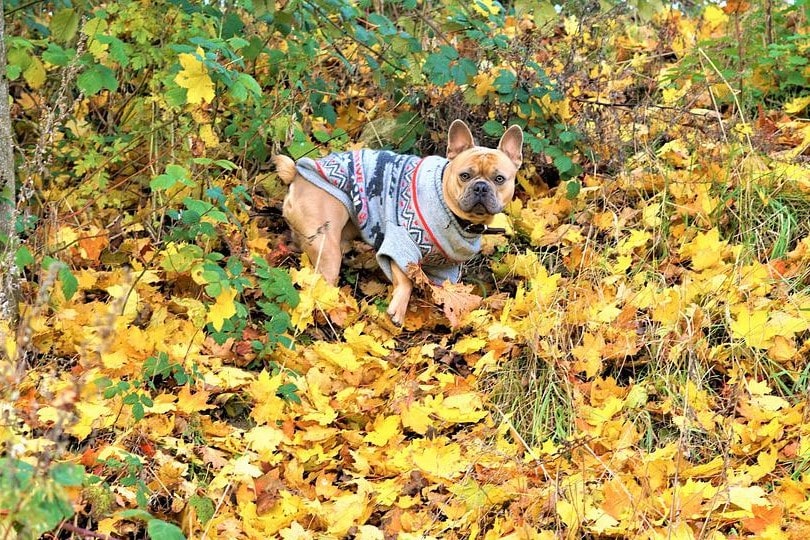
Make sure your Frenchie stays warm in the winter. Their thin coat doesn't provide much protection from the cold, and they'll need some clothes on if they want to take a walk. Depending on the temperature of your house and how cold it is outside, your Frenchie might feel more comfortable in a sweater during the colder months.
Severe shaking that doesn't subside after a few minutes could be a sign your dog has hypothermia, which can be life-threatening. Wrap your dog in a towel and rub them to try to warm them up and call a vet if the shaking doesn't stop within a few minutes or if you notice any other symptoms such as dilated pupils or irregular breathing or heartbeat.
2. Anxiety
There's nothing your Frenchie loves more than your company. This breed is very social and can feel your absence quite severely. It is important to gradually crate train your dog so they know their crate is a safe place and they're not being abandoned. If you suspect your dog has bad separation anxiety, talk to your veterinarian or a pet behavioral therapist to see how you can help them.
3. Hypoglycemia
Low blood sugar is more common in tiny puppies or adult dogs with medical problems such as diabetes or insulinoma. Make sure your Frenchie eats at least two balanced meals a day to prevent serious dips in their blood sugar levels and stay up to date on their blood work to catch any health risks early on.
4. General Excitement
Your Frenchie loves to see you walk through the door! If they're wiggling a little, or a lot, when you come home from a long day of work, chances are they're just so excited to see you.

5. Distemper
This disease is unlikely if your Frenchie had its core vaccines as a puppy, but it's worth mentioning because it’s very contagious to other dogs and can be fatal. Separate your dog from any other dogs in the house and take them to your vet if their shaking is accompanied by any of these distemper signs: coughing, sneezing, watery eyes, excessive discharge coming from their eyes, fever, lethargy, labored breathing, vomiting, diarrhea, or skin sores.
6. Poisoning
Household cleaners, decorations, and some foods and plants are very toxic to dogs. Vomiting, diarrhea, and respiratory distress are some common symptoms in addition to shaking. If you think your dog might have ingested something poisonous, call your vet or the Pet Poison Hotline immediately.
7. Neurological problems
Trembling can be associated with neurological problems such as epilepsy. Chronic shaking could be a sign of neuromuscular problems. You should make an appointment with your vet for an examination.
8. Addison's Disease
This disease is called hypoadrenocorticism, which basically means your dog's adrenal glands don't produce enough of two hormones called aldosterone and cortisol. Early diagnosis and treatment are crucial, but sometimes hard to pinpoint because the symptoms can be sporadic and vague. Talk to your vet if you notice your Frenchie shaking accompanied by lethargy, sudden weight loss, and excessive thirst and urination.
9. Old Age
As your dog ages, their joints start to wear down, muscles can get weaker and the nervous system degenerates. They can start to wobble a little as they walk or have a shaking leg sometimes. Ask your vet for advice on how to keep your dog active in their old age and to see if physical therapy might be recommended in extreme cases.
10. Undiagnosed Pain or Infection
Inspect your dog's body for cuts, burns, or other physical injuries. Notice if the shaking affects their entire body or if they're shaking a specific area, such as their head. For example, if your Frenchie is shaking only their head or ears, they might have an ear infection. Get an appointment with your vet to treat any problems discovered.

What to Do If Your Frenchie Keeps Shaking
If you notice your Frenchie shaking for no apparent reason, check their body for any obvious sign of distress (injury, infection, burn, etc.). Make sure your dog is warm, has something to eat, and continue to monitor them closely, noting any other symptoms. If the shaking continues for more than an hour, becomes more severe, or is accompanied by any other signs of discomfort, call your vet to see what you need to do next.
Final Thoughts
Keeping a close eye on your dog's overall health should help you determine if your Frenchie needs urgent medical attention or maybe just wants to play. French Bulldogs are excitable creatures with really big, sensitive hearts.
They can easily become extremely happy or anxious depending on the situation and should always be treated with loving care. Noting any other symptoms together with the shaking will help you narrow down what is happening and contact your vet for help.
Sources
https://www.akc.org/expert-advice/health/hypothermia-in-dogs-how-cold-is-too-cold/
https://www.avma.org/resources/pet-owners/petcare/canine-distemper
https://frenchbulldogpuppies.club/why-is-my-french-bulldog-shaking/
https://www.frenchbulldogbreed.net/blog/french-bulldog-shaking/
https://www.akc.org/expert-advice/health/addisons-disease-in-dogs-symptoms-treatment-prevention/
Featured Image Credit: Paska3610, Pixabay
Get Hepper In Your Inbox


Pet care tips from our vets and experts, straight to your inbox.
You may opt-out at any time. View our Privacy Policy for more information.
After nine years as a veterinary assistant, Brooke Billingsley transitioned to a career as a nurse in 2013. She lives in Arkansas with her boyfriend, sharing their home with three dogs, two cats, five fish, and two snails. A dedicated animal lover, Brooke has a special place in her heart for special needs pets, including a three-legged senior dog and a famous cat with acromegaly and cerebellar hypoplasia. Fish keeping is one of her hobbies, and she is constantly improving her knowledge to care for her aquarium pets. Brooke is an active yoga enthusiast, having obtained her 200-hour yoga teacher certification in 2020. She believes in the importance of continuous learning and dedicates time each day to developing new skills and expanding her knowledge.
Join the conversation
Ask a question, share your story, or send private feedback.