Hepper is reader-supported. When you buy via links on our site, we may earn an affiliate commission at no cost to you. Learn more.
Dog’s Teeth Chattering: 10 Vet Reviewed Reasons & What to Do


In this article
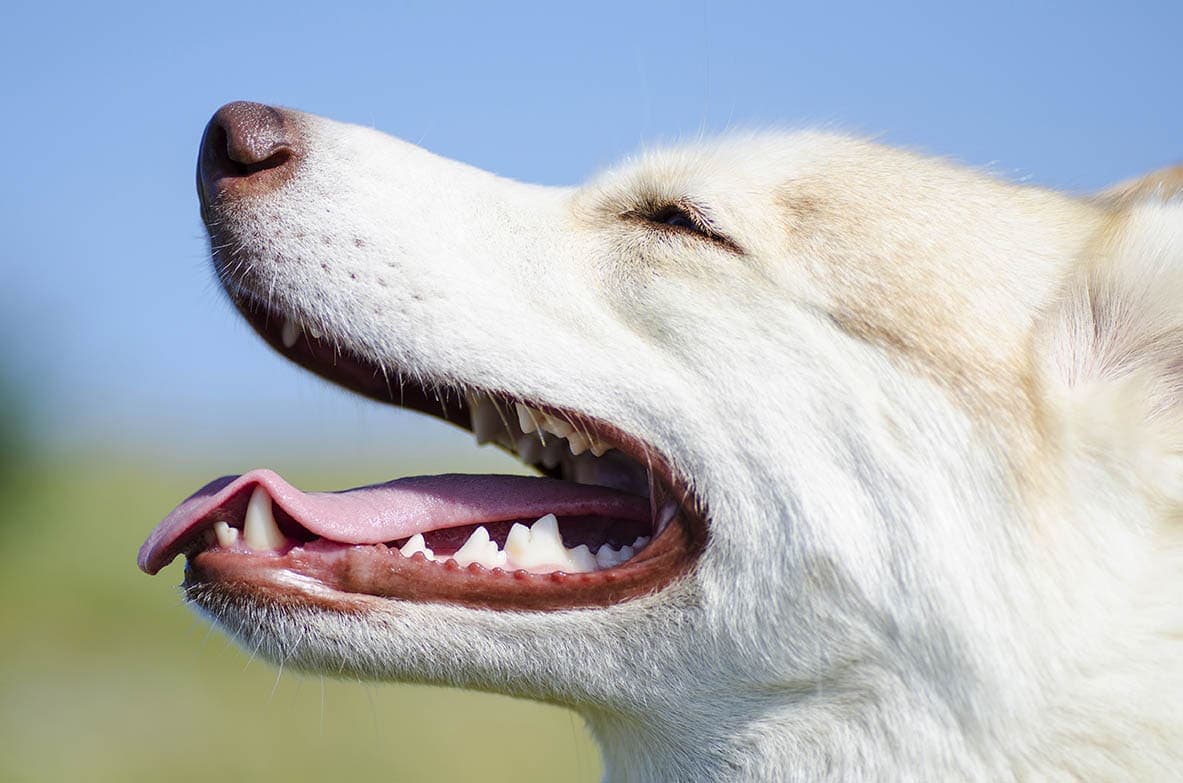
Has your dog ever started chattering her teeth, and you thought maybe it was because she was cold? After all, when people are extremely cold, we also tend to shiver and chatter our teeth, so why not our dogs?
Being cold is definitely a possibility, but there are a variety of other reasons why your pup might start exhibiting this behavior. Sometimes it is nothing to worry about, but there could also be a medical reason why your dog chatters her teeth. We’ll walk you through what might be the cause and whether or not you should take action.

Top 5 Harmless Causes of Your Dog's Teeth Chattering
Some of the reasons your dog might chatter her teeth are usually quite harmless and tend to be behavioral responses. You will still need to address some of these issues, but you don’t usually need to rush your dog to the vet if she is chattering her teeth for any of the following reasons.
1. Cold Temperatures
Yep, just like we said. Dogs can feel cold and start chattering their teeth in response. When you’re chilly, your muscles tighten and relax very rapidly, which is your body’s natural response to warm up. Your teeth chatter because our teeth chatter because the muscles that control your jaw begin shivering as a natural response to cold temperatures.
If you have a small dog, he or she might feel cold before you do. Smaller mammals have a higher surface area compared to their overall size. Therefore, your small pup may lose heat quicker than you do. So be sure to have a warm place for your dog to curl up in and invest in a dog coat for the outdoors and a sweater for inside, particularly if your dog often feels cold.
Your dog may also feel cold in the following situations:
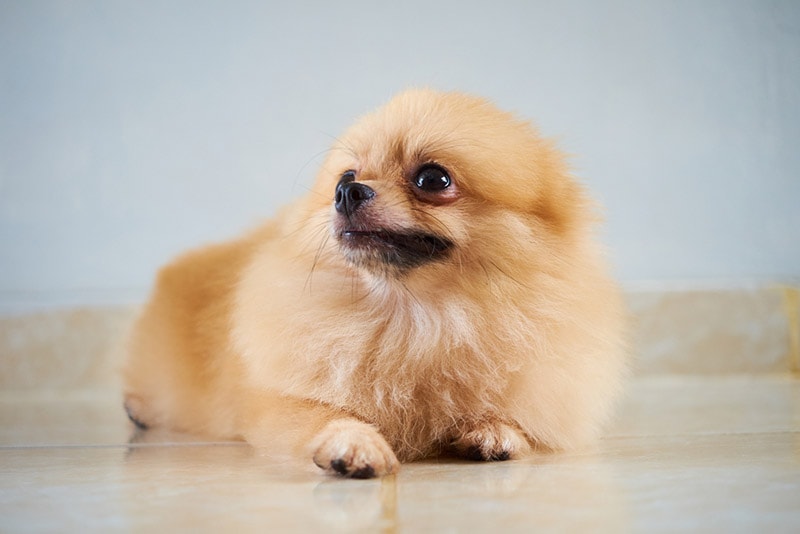
Some breeds of dogs are fantastic at regulating their temperatures in colder temperatures despite their size, as these breeds have an undercoat that provides an additional layer of insulation. Examples of such breeds are the Australian Shepherd, Chow Chow, Pekingese, Pomeranian, and Siberian Husky.
2. Fear and Anxiety
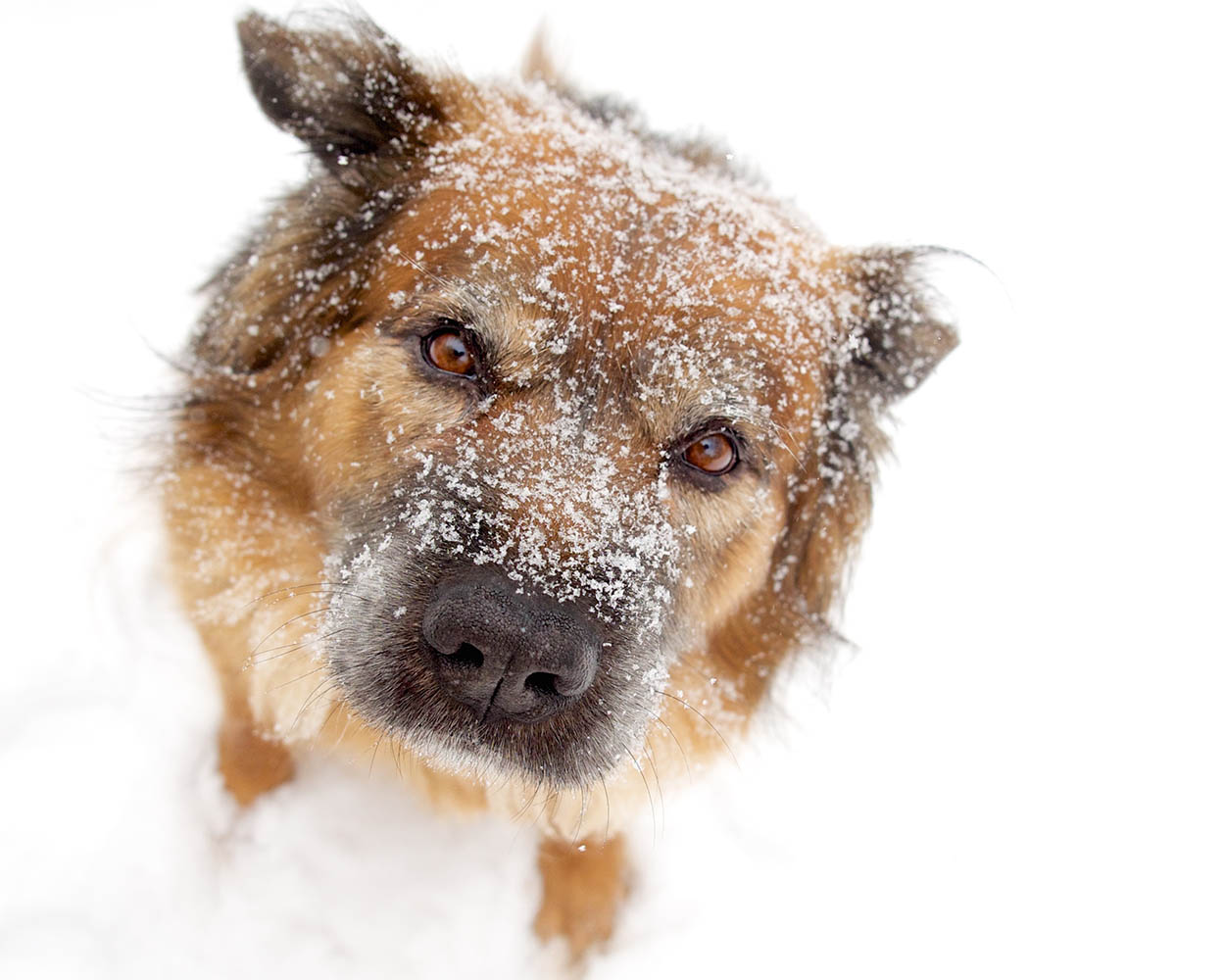
The chattering could also be your dog’s way of trying to tell you that he or she is upset and in some kind of distress. Your dog might start chattering in response to a stressful event, such as going to the vet, or it could be suffering from separation anxiety when you leave for work.
Depending on how severe your dog’s anxiety is, you might need to find solutions that will help alleviate any stress. For example, if your dog park is close to noisy traffic and you suspect that could be adding to their anxiety, try to find a quieter park. You can also try using a two-way camera with audio to monitor, talk to, and listen to your dog while you’re away to help manage separation anxiety episodes.
In some cases, using medication prescribed by your vet and/or finding a dog behaviorist could help ease some of your dog’s stress.
3. Excitement
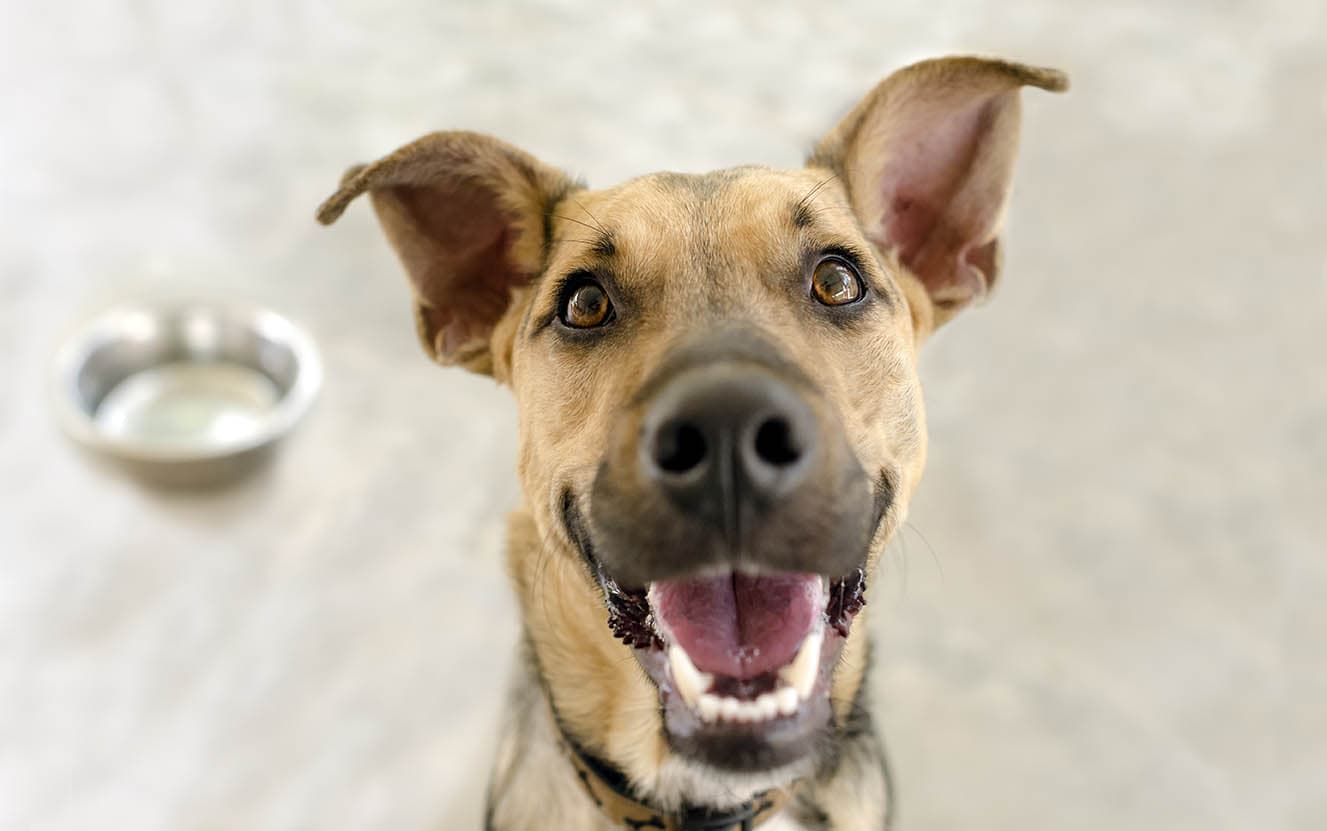
Many dogs will start chattering their teeth to show how happy and excited they are. They might chatter in anticipation, like before you throw the ball or when you're about to give them a treat. Maybe your dog regularly chatters their teeth when you come home or while waiting for you to feed her.
Chattering as a result of excitement usually goes away once the source of the excitement is gone (for example, once your dog gets their food, the chattering would stop).
4. When Feeling Threatened
This is similar to when a dog feels anxiety and fear, but in this case, your dog might be sending a warning signal to other dogs. This may also be accompanied by licking of the lips. Teeth chattering is a subtle way of letting other dogs know that they are feeling threatened, and may dissuade an aggressive dog from approaching them.
At other times, your dog might be threatened by a new object that’s been introduced to them. In situations like these, you may notice your dog perform actions such as yawning, scratching, or even chattering their teeth. Such an action is known as displacement behavior. Displacement behaviors are defined as normal behaviors that seem displaced and are out of context.
An example of this is when a dog is afraid of an object and yet wants to approach it but will yawn or scratch herself instead. Teeth chattering is a more subtle way of letting other dogs know that she is feeling threatened, and it actually helps the threatening dog to stay calm.
5. Sniffing
Dogs love to sniff out all kinds of interesting scents. They have something called the vomeronasal organ (also known as the Jacobson’s Organ), which is located inside the upper part of the mouth and inside the nasal cavity. It allows dogs to smell pheromones and scents from other dogs.
When dogs use this particular organ, they will do all kinds of strange things with their nose and mouth to get a good whiff of a scent. This can include chattering teeth. This is most commonly observed in intact male dogs that have just smelled a female dog and is often followed by salivation. However, female dogs can do this too.

Top 5 Medical Causes of a Dog's Teeth Chattering
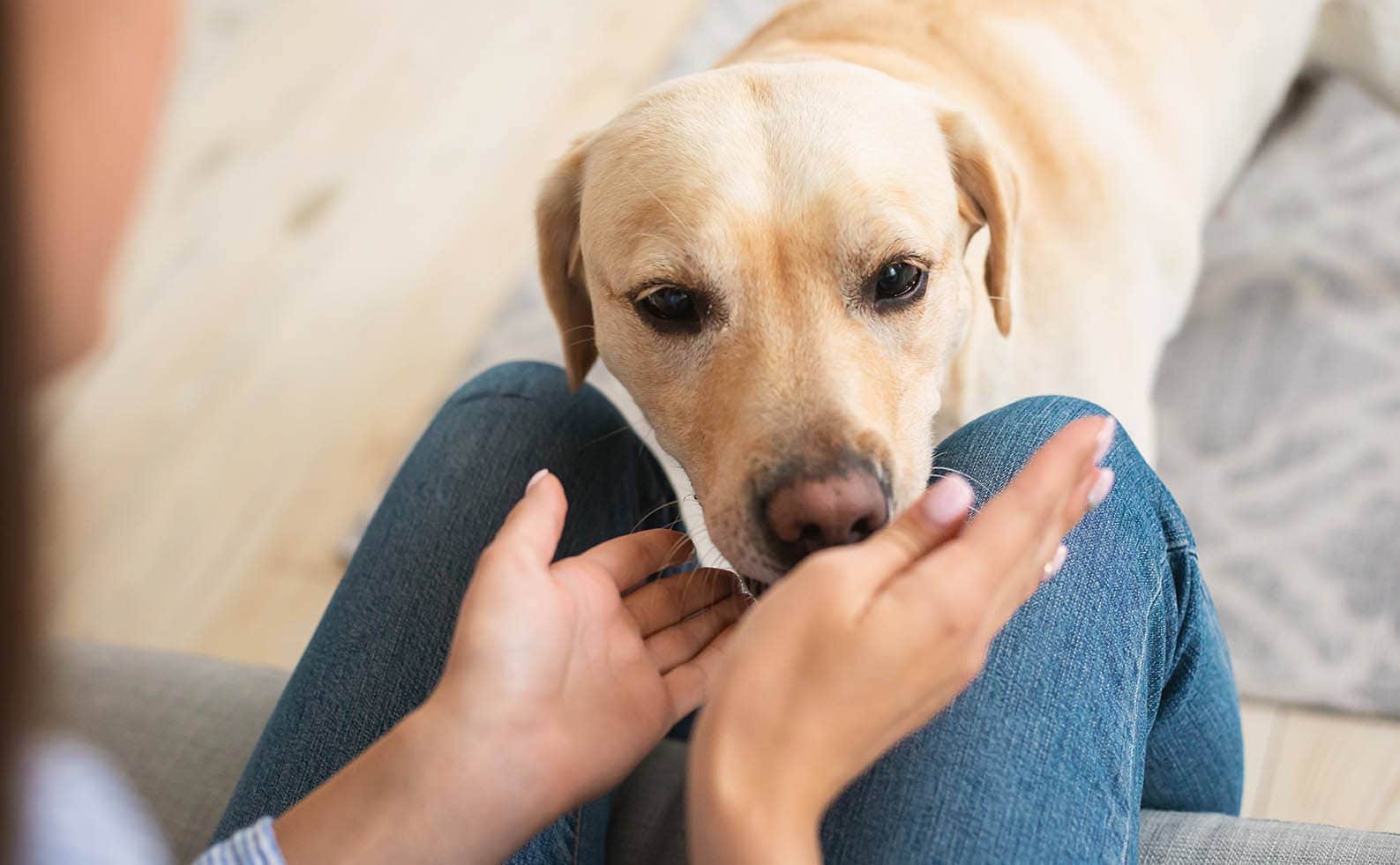
There are times when teeth chattering could be medical in nature, which will need treatment by your vet. Some health issues are obviously more serious than others, but all need to be looked after.
1. Pain
Unfortunately, when some dogs feel pain, they might start shivering, which will also cause their teeth to chatter. If your dog seems to be anxious and stressed out and the chattering has occurred seemingly out of nowhere, there’s a chance that they're experiencing some bodily pain.
2. Dental Issues
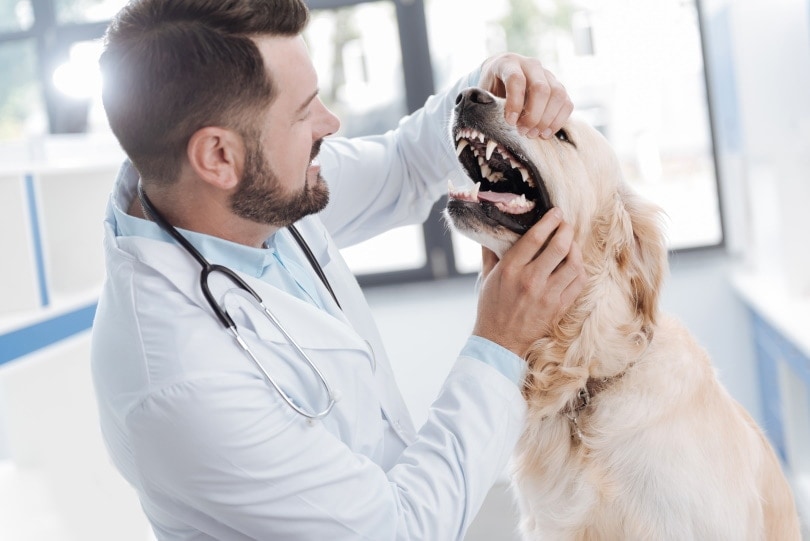
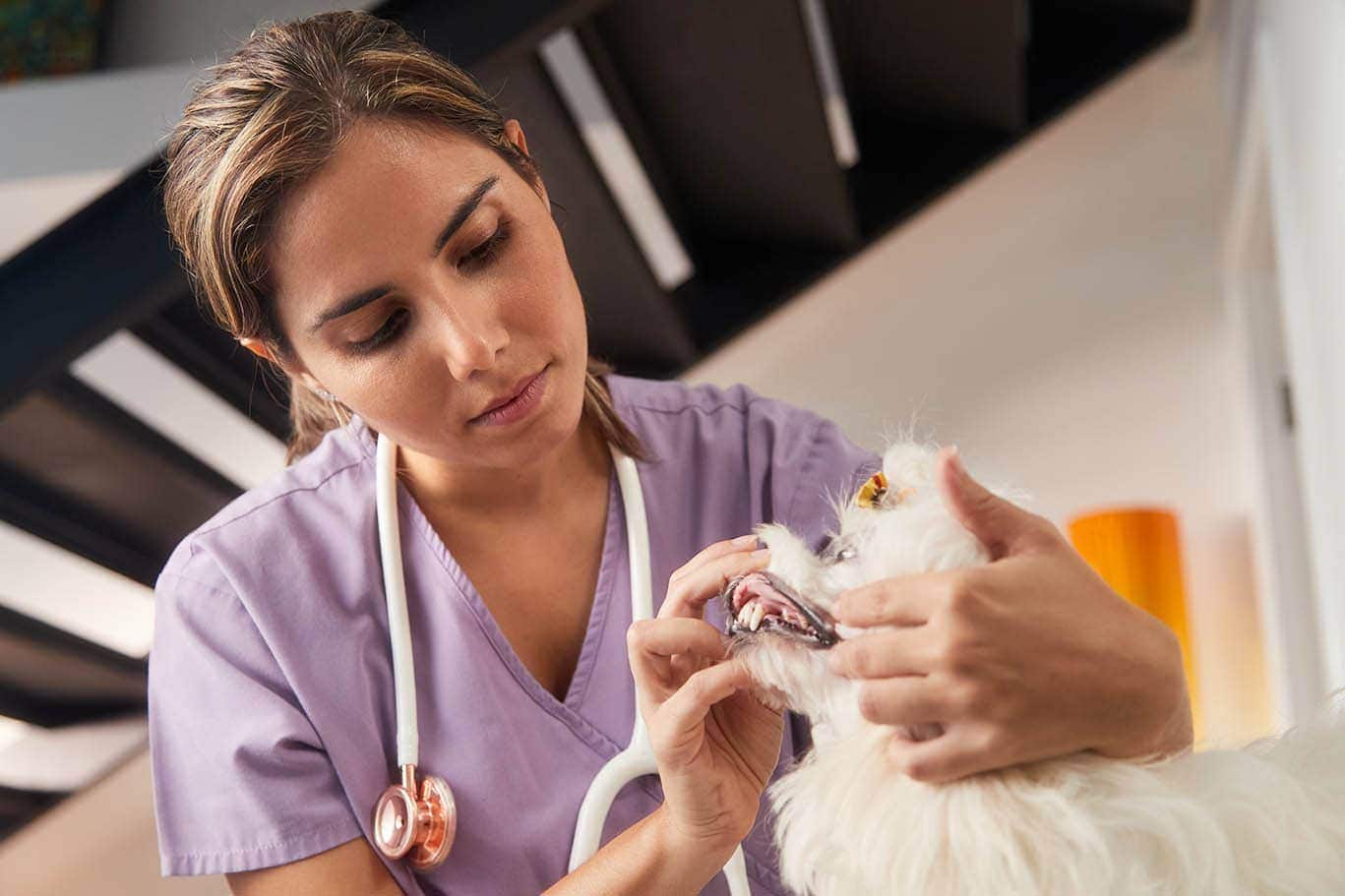
Oral pain and periodontal disease are the most common medical reasons why dogs chatter their teeth. This can be anything from a cavity to gum disease, injury, or loss of enamel, making the teeth much more sensitive.
If your dog starts to suddenly chatter their teeth and is also:
- Eating less than usual or refusing to eat
- Has a swollen mouth
- Taking longer to eat
- Drooling excessively
- Bad breath
- Chewing their food in an unusual way
- Bleeding from the mouth or gums
These all are signs that they’re having issues with their mouth and teeth. Take them to your vet as soon as possible.
3. Seizures and Other Neurological Issues
If your dog has already been diagnosed with epilepsy or any other kind of seizure disorder, this can most definitely present itself, in part, with teeth chattering. This type of teeth chattering will occur randomly without any warning and will not be in conjunction with some of the other causes (excitement or stress, for example).
Your dog may also “space out” during these episodes and not respond to you at all (ignore your calls, ignore a clap of the hands, etc.). It is best to video record such episodes to show your vet, as they can be extremely beneficial in the diagnosis of any underlying neurological issues.
A neurological problem can consist of tremors, dilated pupils, or walking in an unusual way. This can include the shaker syndrome, which is the inflammation of the cerebellum (the part of the brain that is responsible for managing the body’s voluntary movements).
It is sometimes referred to as Little White Shaker Syndrome because the condition is most commonly seen in small-breed white dogs such as the Maltese or Poodle. However, any dog (regardless of color, sex, or breed) may be afflicted by this condition.
5. Senior Dogs
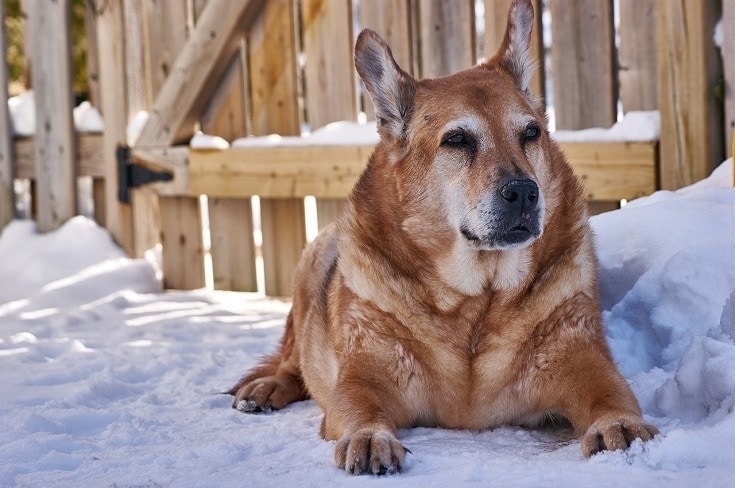
Teeth chattering seems to be more common in older dogs than is seen in younger dogs. This might not indicate any kind of medical problem, but it’s always a good idea to have your senior dog checked out. Particularly if his or her teeth start chattering for no reason and they have never done it before.
5. Gastrointestinal Issues
Your dog may chatter or grind their teeth as a result of gastrointestinal issues. Sometimes, it could be due to relatively common issues, such as diarrhea, vomiting, or nausea. However, at other times the underlying issue could be slightly more complex. Your vet will recommend and perform the appropriate diagnostic workup for your dog to rule out any gastrointestinal issues.
6. Temporomandibular Joint (TMJ) Issues
Dogs with pain in the temporomandibular joint (TMJ) may chatter their teeth. Sometimes, the TMJ may be displaced or fractured as a result of an injury. In such instances, your dog will also display other signs of pain. However, in other instances, your dog could be injury-free and still have TMJ issues that can result in them chattering and grinding their teeth.
As with gastrointestinal issues, your vet will recommend and perform the needed diagnostic tests to resolve any TMJ issues.
7. Ear Infections
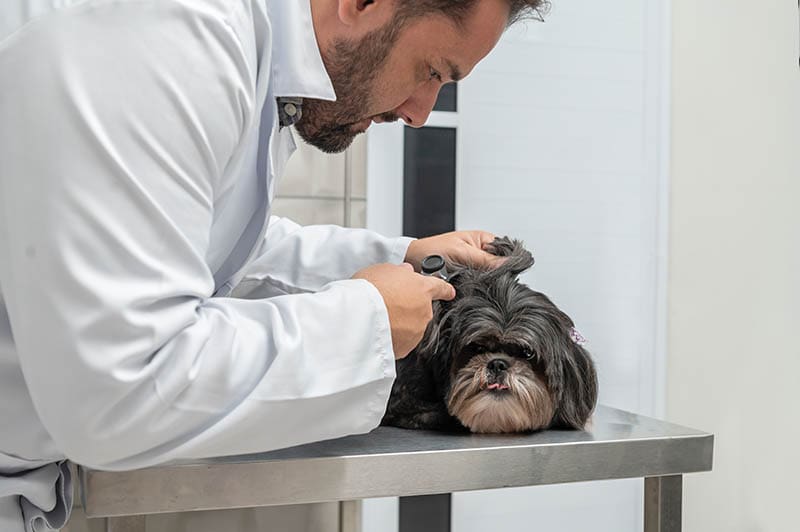
Though relatively uncommon, dogs may chatter their teeth in response to pain from ear infections or other inflammations involving the muscles of their face. Your vet will be able to verify this during a physical exam and will recommend further tests, treatment, and medication as needed.

When Should You Be Worried?
You’ll need to use your own knowledge and judgment in most cases when you notice your dog chattering their teeth. If he or she seems to do it at specific times, such as during playtime or before you give them a treat, chances are they are just reacting to the situation. Likewise, if it’s cold inside or outside or when you’re on your way to the vet.
If the chattering occurs while in one of these situations, is easily stopped, and there doesn’t seem to be anything wrong with your dog, it’s probably harmless and nothing to worry about.
However, if the chattering occurs randomly or seems to happen while they are trying to eat and you notice other peculiar symptoms, it is time for a veterinarian to check your dog out. If your dog does not let you touch their face, this could also indicate underlying pain. You should also watch out for any other unusual behavior or sudden changes in your dog’s mood and disposition.
It would be very helpful for you to record a video of your dog whenever they chatter their teeth. Your dog will probably not chatter on demand while in the clinic, so it could prove quite helpful for your vet to observe the behavior firsthand.
Conclusion
Teeth chattering may either be harmless or a sign of an underlying issue, depending on the circumstances. You know your dog best, and chances are, you probably already have an idea if your dog is just being a goofball or if they need to see the vet.
Just keep an eye out for other signs, and of course, when in doubt, it is best to speak to your vet. They can discuss any concerns you may have and help your dog if he or she is actually going through a medical issue.
Featured Image Credit: Kseniia Mitus, Shutterstock
Get Hepper In Your Inbox


Pet care tips from our vets and experts, straight to your inbox.
You may opt-out at any time. View our Privacy Policy for more information.
Kathryn was a librarian in a previous lifetime and is currently a writer about all things animals. When she was a child, she hoped to work in zoos or with wildlife in some way, thanks to her strong love for animals. Unfortunately, she's not strong in the sciences, so she fills her days with researching and writing about all kinds of animals and spends time playing with her adorable but terribly mischievous tabby cat, Bella. Kathryn is hoping to add to her family in the near future – maybe another cat and a dog.
Join the conversation
Ask a question, share your story, or send private feedback.