Hepper is reader-supported. When you buy via links on our site, we may earn an affiliate commission at no cost to you. Learn more.
Why Mental Stimulation Is Crucial for Dogs: 10 Vet-Reviewed Reasons


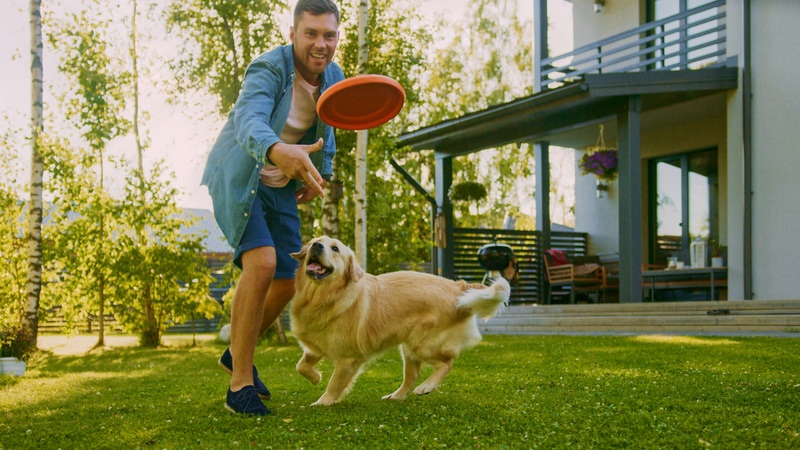
Most dog owners understand the importance of providing physical exercise for their pets, but it can be easy to forget that mental exercise is equally important.
Since pets do not need to hunt for their food or look for shelter, providing mental stimulation replaces those and other thinking tasks, helping keep their minds occupied and their brains healthy.
Providing adequate mental stimulation is vital if you have a dog in your household or are considering bringing one home, and below, we’ll discuss 10 reasons why.

The 10 Reasons Why Mental Stimulation Is Crucial for Dogs
1. Prevents Boredom
One of the primary reasons mental stimulation is so important is that it prevents boredom. As mentioned, many dogs were developed to assist humans and perform tasks. Even if many dogs no longer fulfill their original purpose, such as retrieving waterfowl or guarding livestock, their minds are still geared to crave similar challenges.
Many dogs can quickly grow bored without mental stimulation to fill this void. When a dog becomes bored, the chances of misbehavior rise, so it is best to prevent boredom before it can even take root. If you notice an increase in mischievous behavior, your dog may need more attention, toys, or time at the dog park.
2. Provides Life Enrichment
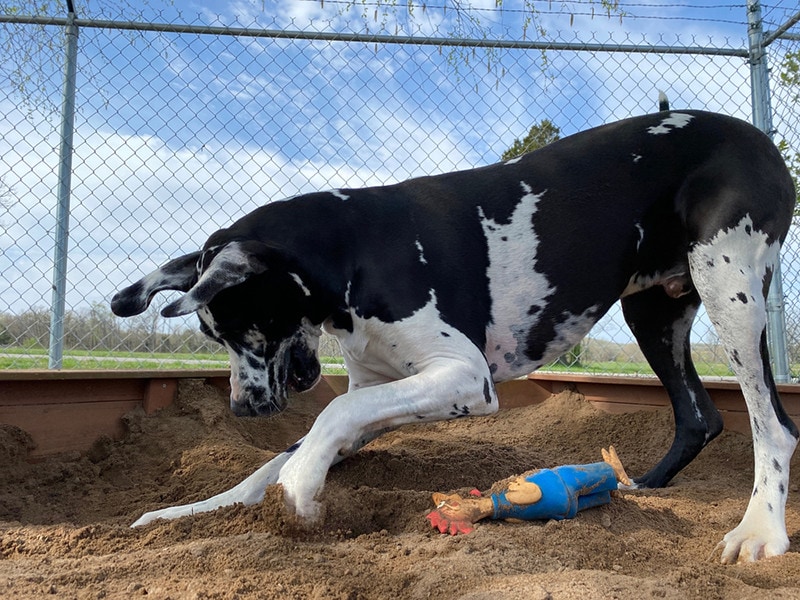
Enriching your dog’s life is one of the ways that you can bring happiness to him. When you allow your dog to engage in natural behaviors, such as digging, smelling, scavenging, and chasing, it supports his physical and emotional health.
If you do not provide these opportunities, your dog may find his own way to satisfy his instincts. This rarely ends well, as it may cause him to dig holes in your garden or chase other pets.
3. Reduces the Chances of Depression
Mental stimulation is an integral part of securing your dog’s mental health. Without adequate mental exercises, your dog may be at risk of falling into a "depression".
Some signs of an unmotivated canine include a lack of appetite, lethargy or weariness, a lack of interest in enjoyable activities, and sleeping more often.
If you notice your dog slipping into a state of depression, try providing him with more mentally stimulating experiences and see if that improves his mood. If not, consult your vet to determine what other situations could be causing his depression and what you can do to remedy them.
4. Burns off Pent-Up Energy
While physical activity is an excellent way to burn off some pent-up energy, mental activity is also necessary. If your dog’s mind is overactive and under-utilized, he may feel restless and look for opportunities to expend his mental energy. This is especially common in task-oriented breeds developed to work alongside humans. With activities designed to work his brain, your dog will feel more content and not have the restless desire to get into trouble.
5. Slows the Process of Cognitive Decline
Mental stimulation isn’t just important for your dog’s health and well-being and essential to his future. With regularly scheduled opportunities for mental stimulation, you can help slow the progress of cognitive decline in your dog. Daily routines of exercise and brain challenges can combat the development of dementia in your dog’s later years.
Like humans, cognitive decline in dogs can lead to confusion, disorientation, behavioral changes, anxiety, and restlessness. This condition can be challenging to manage, and there is no cure. Therefore, putting in the work early to slow the onset of cognitive decline is imperative.
6. Minimizes Destructive Behaviors
This has been mentioned a few times in this article, but it bears repeating; a lack of mental stimulation can cause your dog to engage in undesirable behaviors. These unwanted behaviors are often destructive in nature, such as digging up your yard or tearing up your pillows.
If you provide opportunities for your dog to chew, dig, and participate in other natural behaviors constructively, he can engage in the behaviors without causing damage to your property.
7. Teaches Puppies Good Behaviors
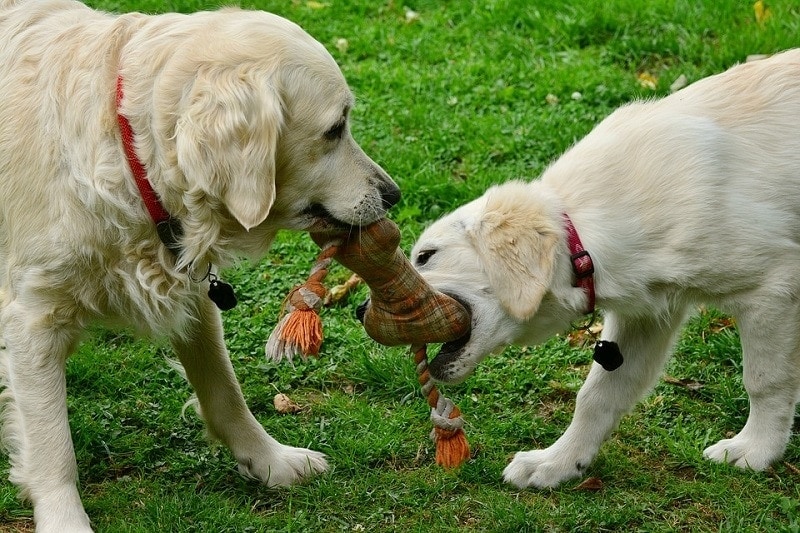
If you have a young puppy, it’s advised that you start early with mentally stimulating tasks. A study has shown that socialization and playtime are essential for puppies in early development. These mentally stimulating events teach your puppy proper behavior while offering an outlet for their pent-up energy. They can also teach your puppy healthy habits and discourage him from participating in destructive behaviors. Similarly, it reduces the cognitive issues that he may face later in life.
8. Lowers Anxiety
Since adequate mental stimulation can reduce your dog’s chances of mental issues such as depression, it makes sense that it would work similarly for anxiety. If your dog is anxious or easily stressed, providing mental stimulation can be a good way to counteract those intense feelings, as it keeps his mind occupied.
Signs of anxiety in dogs can be as minimal as pacing, trembling, and shaking or as serious as inflicting injuries on themselves. To avoid such a detrimental mental issue, consult your vet and provide more opportunities for mental enrichment.

9. Combats Aggressive Behaviors
Providing an outlet for your dog’s mental stimulation needs is a great way to keep aggressive behaviors at a minimum. Socialization, playtime, and mental stimulation during puppyhood are great ways to get ahead of aggressive behaviors before they can even sprout. However, if you start training late, you can still instill these lessons in your dog. With the help of a qualified positive reinforcement trainer, you can teach your dog to feel secure, redirect their energy, and behave properly.
10. Allows You and Your Dog to Bond
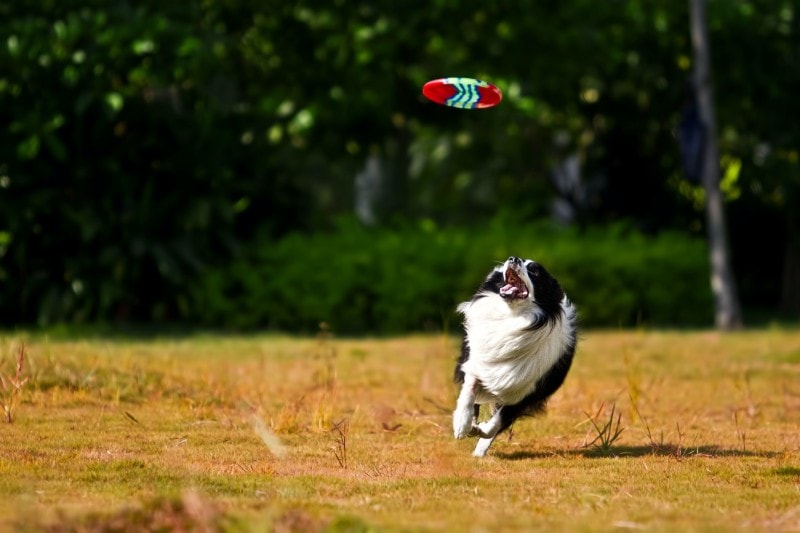
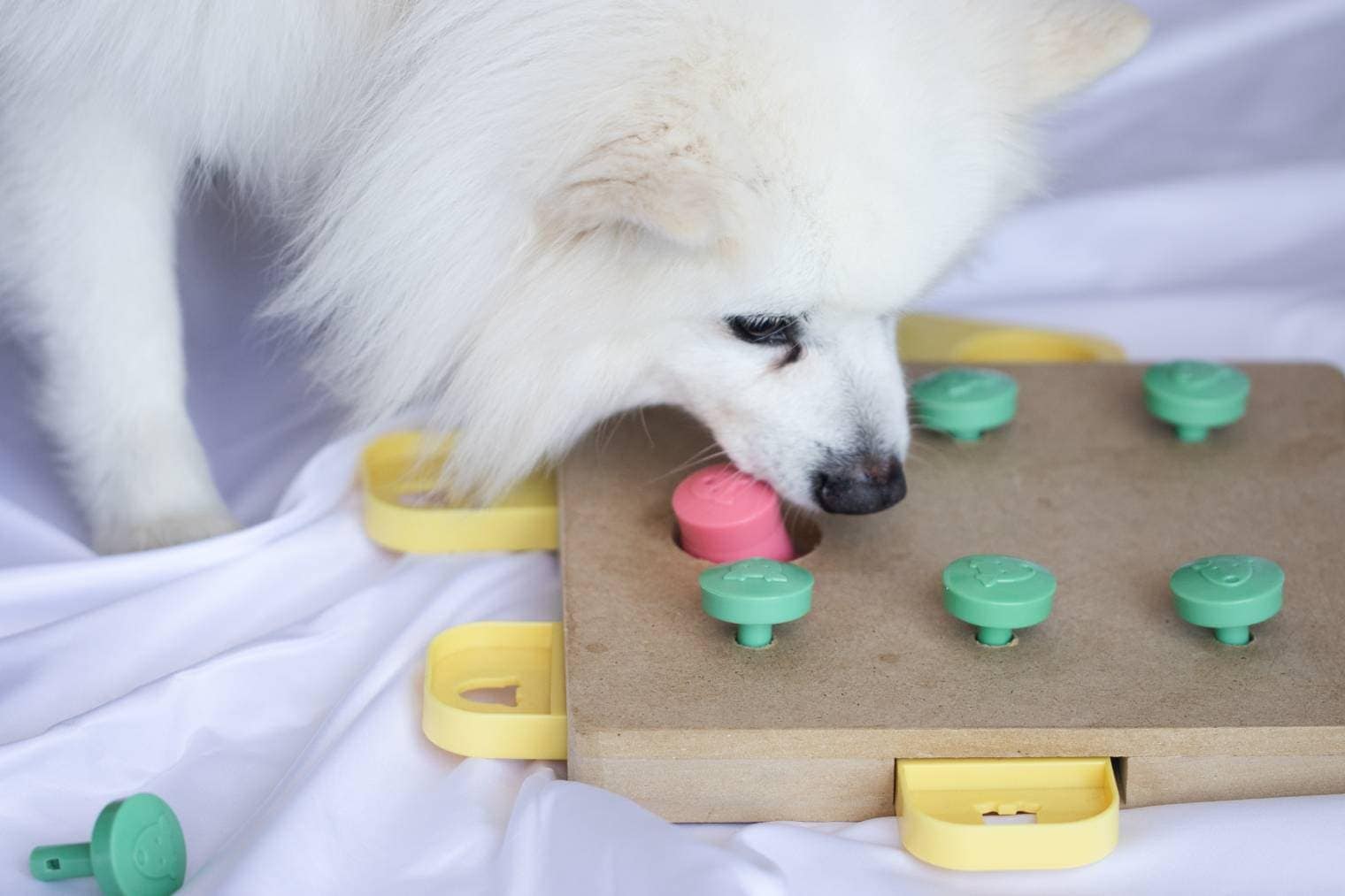
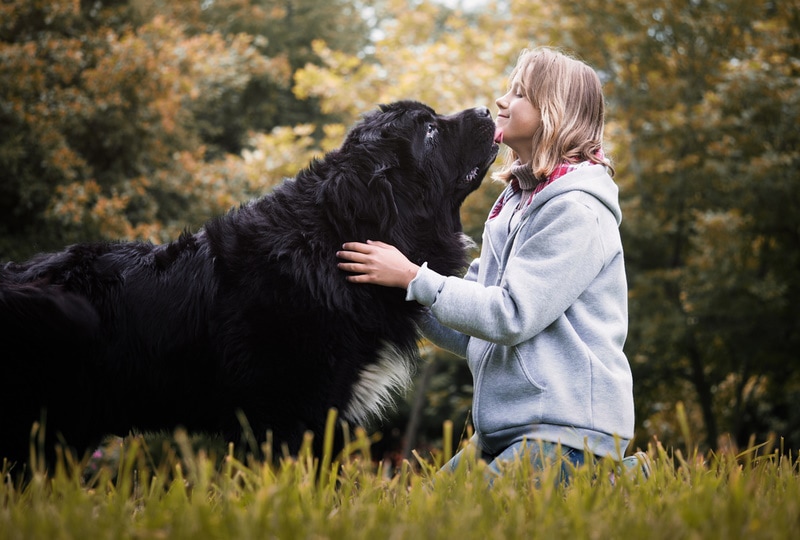
One of the best reasons to engage in mentally stimulating tasks with your dog is that it gives you an opportunity to bond. Whether playing fetch, working on puzzle toys, or training your dog to do new tasks or tricks, you can improve your bond with your pet.
The better your bond is with your dog, the happier you both will be. Happy dogs are less likely to lash out or engage in destructive behaviors and more likely to have a better quality of life.
Signs that Your Dog Needs More Mental Stimulation
All dogs need mental stimulation, but how can you tell if your dog is getting enough? If your dog is not adequately mentally stimulated, you may notice the following signs:
How to Provide Your Dog More Mental Stimulation
Providing mental stimulation for your dog doesn’t have to be complicated. For advice on how to keep your dog’s brain busy, take a look at the following:

Conclusion
Mental stimulation is important to a happy, healthy dog’s lifestyle. The reasons listed in this article make a compelling case for why cognitive tasks should be a regular part of your dog’s routine, as many are directly linked to your dog’s quality of life. Next time you plan to exercise with your dog, see if you can find opportunities to include stimulating challenges for your pup. Your dog (and your breakable household objects) will thank you.
Sources
https://www.akc.org/expert-advice/training/bored-dogs-how-to-recognize-doggy-boredom-and-help/
https://www.aspca.org/pet-care/dog-care/canine-diy-enrichment
https://www.petmd.com/dog/behavior/evr_dg_how-to-calm-down-an-anxious-dog
https://www.petmd.com/dog/training/training-tips-strengthen-your-bond-your-dog
https://www.petmd.com/dog/conditions/neurological/c_dg_cognitive_dysfunction_syndrome
https://www.petmd.com/dog/behavior/how-to-stop-dogs-from-chewing-and-scratching-everything
Featured Image Credit: Gorodenkoff, Shutterstock
Get Hepper In Your Inbox


Pet care tips from our vets and experts, straight to your inbox.
You may opt-out at any time. View our Privacy Policy for more information.
Pets are Jordyn’s passion, cats especially. Whenever she has the opportunity, she loves to learn about them and share her knowledge with everyone. She is devoted to her tabby cat named Jack and works hard to buy him his favorite treats and toys. Discovering new ways to better care for her pet is always on her to-do list, and she is eager to help pet parents everywhere who have similar pursuits. In her spare time, she loves to read, write, and take long walks. She has a creative spirit, which often helps her to come up with funny cat names.
Join the conversation
Ask a question, share your story, or send private feedback.