Hepper is reader-supported. When you buy via links on our site, we may earn an affiliate commission at no cost to you. Learn more.
My Dog Keeps Licking One Paw: 14 Vet Approved Reasons Why


In this article
This article has been reviewed for medical accuracy however the purpose of this article is not to diagnose your dog or prescribe treatment. We recommend that owners always seek advice for their dog first and foremost from their veterinary practitioner.
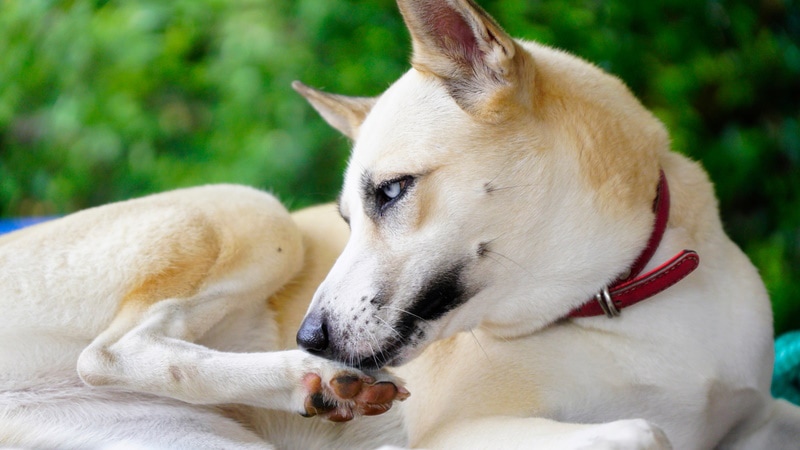
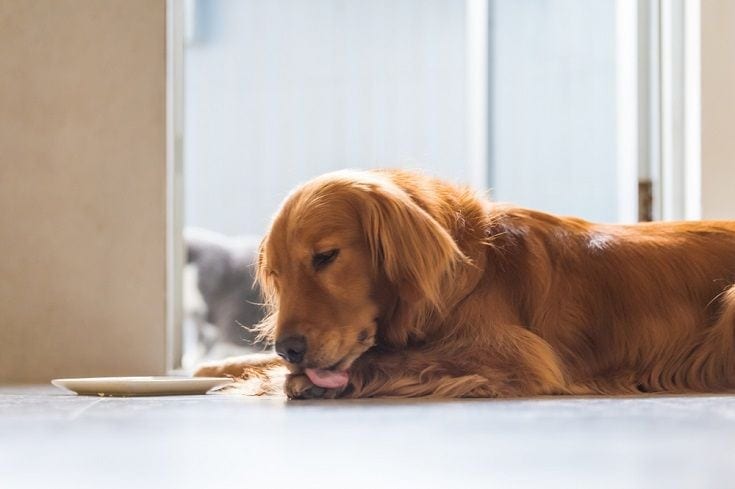
Does your dog seem to be obsessed with licking one paw of late? If so, this may alert you to their discomfort or a health issue. Fortunately, most medical causes of paw-licking can be easily solved with treatment, but some dogs may be experiencing deeper-rooted issues like anxiety.
In this guide, we’ll dive into 14 potential causes of your dog’s sudden fixation with one paw.

The 14 Reasons Why Your Dog Keeps Licking One Paw
1. Foreign Objects
Dogs get foreign objects stuck to them all the time simply from being out and about, and these objects—like twigs, leaves, grass seeds, rocks, and thorns—sometimes get lodged in the hair between their toes or embedded in their paw pads. This can cause irritation and even pain in some cases.
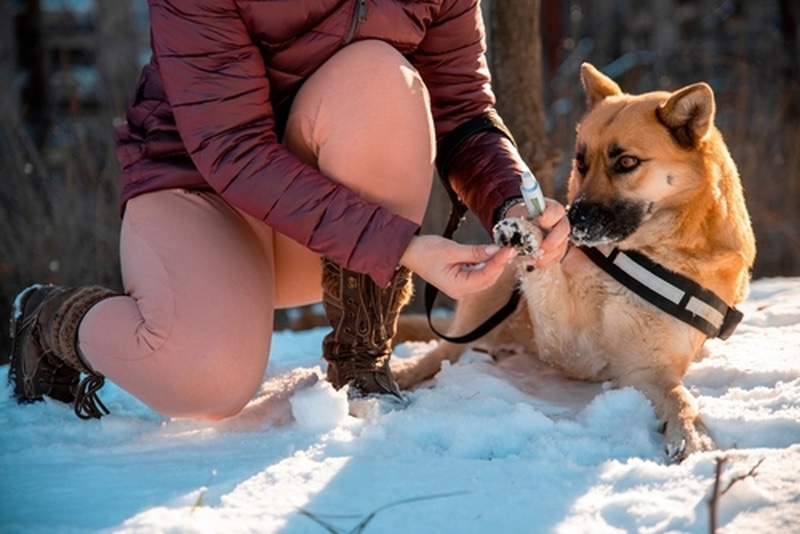
Take a look at your dog’s paws to see if a bit of the outdoors is lingering there and remove it carefully if you spot anything. Tweezers are good for removing things like splinters if they’re shallow enough. If the object is too deep or has left a wound, contact a vet for help.
2. Injuries
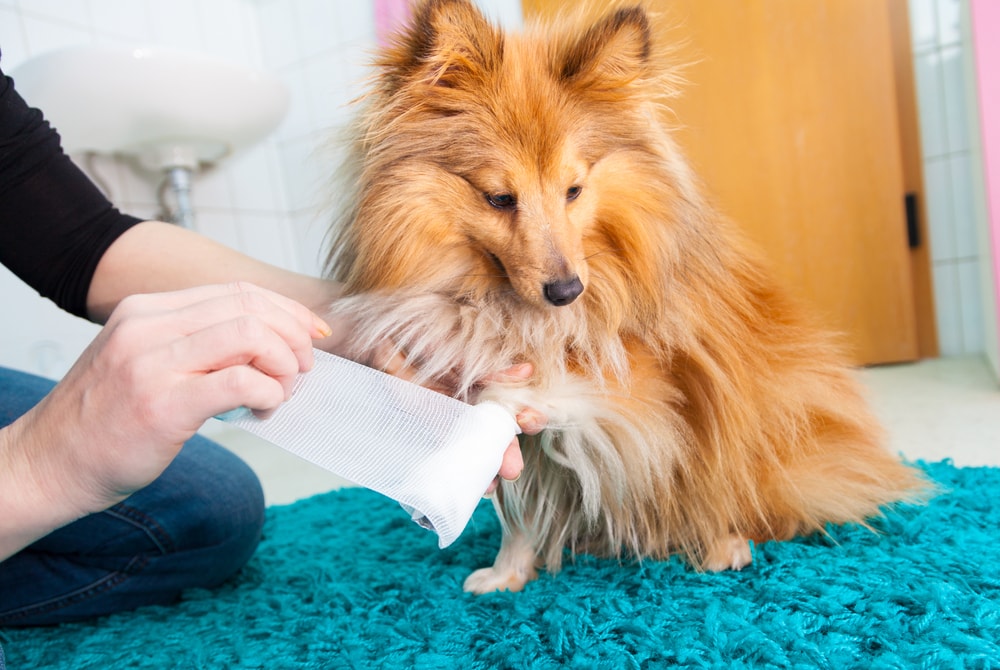
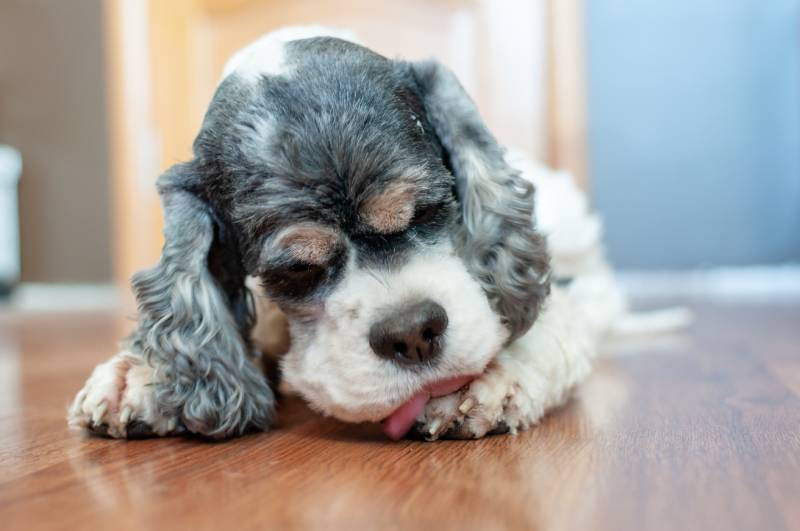
Your dog may have injured their paw pad and is licking it in an attempt to soothe their discomfort. First aid for a wounded paw involves removing any foreign objects as described above, applying pressure to the area with a clean cloth or towel to stop the bleeding, cleaning the wound with gentle antibacterials such as iodine solution, and bandaging the area.
Once things are under control, see a vet. Your dog may need pain relief and antibiotics.
3. Food Allergies
Itching on the paws is one sign of a food allergy, and this could be causing your dog grief and giving them the urge to lick the paw for relief. Common allergens include chicken, beef, eggs, wheat gluten, soy, and dairy. If you suspect this is why your dog keeps licking their paw, speak to a vet about possible tests your dog can undergo and dietary changes they may benefit from.
4. Environmental Allergies
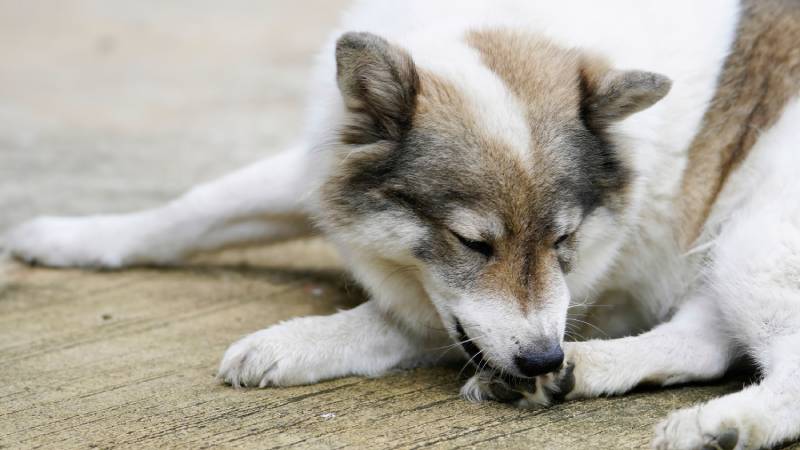
Food allergies aren’t the only types of allergies that can affect a dog’s skin. Environmental irritants like pollen, grass, or dust mites, cause diffusely itchy skin and include itchy paws.
5. Contact Allergies
Your pet’s paws come into contact with lots of plants while out on their walks and in the yard. If your pet is allergic to some of these plants, irritation on the paws and hairless areas of the skin can occur.
6. Parasites
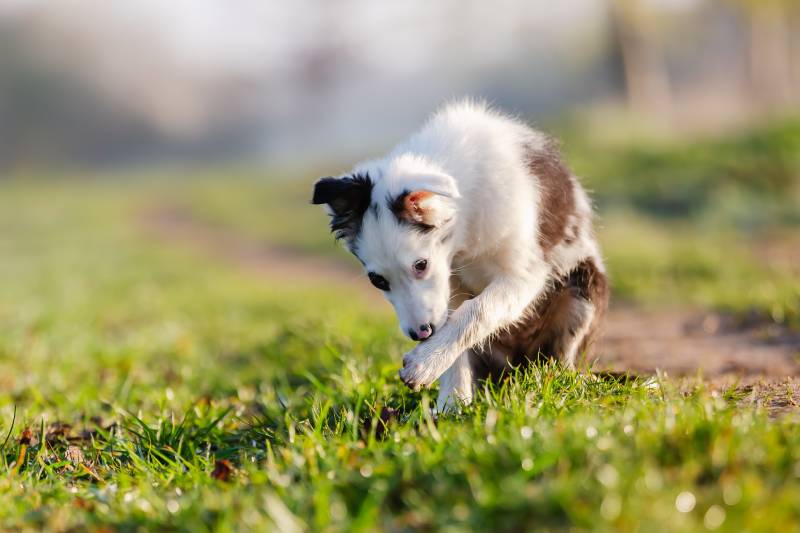
Parasites—especially ticks—may squeeze into the little spaces between your dog’s toes. Mites (which cause mange) and a number of other parasites can cause itching and red skin. Speak to your vet about the best medications for the type of parasite your dog is dealing with and be sure to keep up with your dog’s regular preventative treatments.
7. Chemicals
Chemicals in cleaning products—especially strong ones like bleach and chlorine—can get stuck to your dog’s paws if they come into contact with them and cause chemical burns. Signs include blistered, irritated, and inflamed skin, sometimes with discharge. If your dog has a chemical burn, please flush the affected area with a lot of room-temperature water and contact a vet right away.
8. Bacterial and Fungal Infections
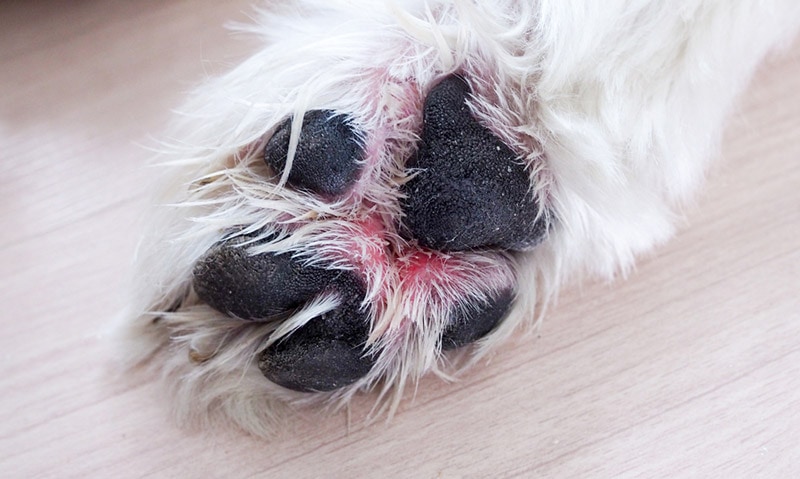
When too much bacteria or yeast is present on the skin, an infection can develop, resulting in signs like redness, flakiness, hair loss, scabbiness, and an unpleasant smell. Ringworm is also a fungal infection that causes circular irritated patches of skin with hair loss. Treatment typically consists of antibiotics or antifungals which may be oral or topical.
9. Arthritis
Arthritis causes joint pain, and reduces mobility in dogs. Some dogs with arthritis may try to ease the pain by licking at the area; this will most often occur at the carpal or “wrist joint” in the front legs or at joints elsewhere in the body. This condition is often managed with medications, special prescription diets, joint supplements, physical therapy, and sometimes surgery if there is an orthopedic problem that can be corrected.
10. Flea Allergy Dermatitis
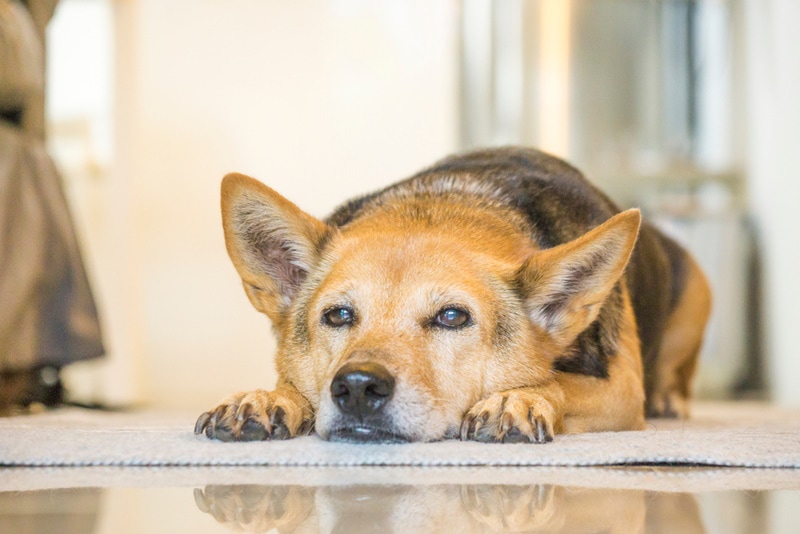
Flea allergy dermatitis is an allergic reaction to a flea bite. This causes itching in the affected area which is usually at the base of the tail but can be anywhere in the body. In some cases, infection occurs. Discuss treatment options with your vet.
11. Growths or Tumors
If your dog isn’t suffering from an injury, infection, or allergic reaction, they may have developed cysts or a tumor on their paws. Look for any unusual growths, lumps, or bumps—they can sometimes occur between the toes—and talk to your vet if you find any.
12. Insect Bites or Stings
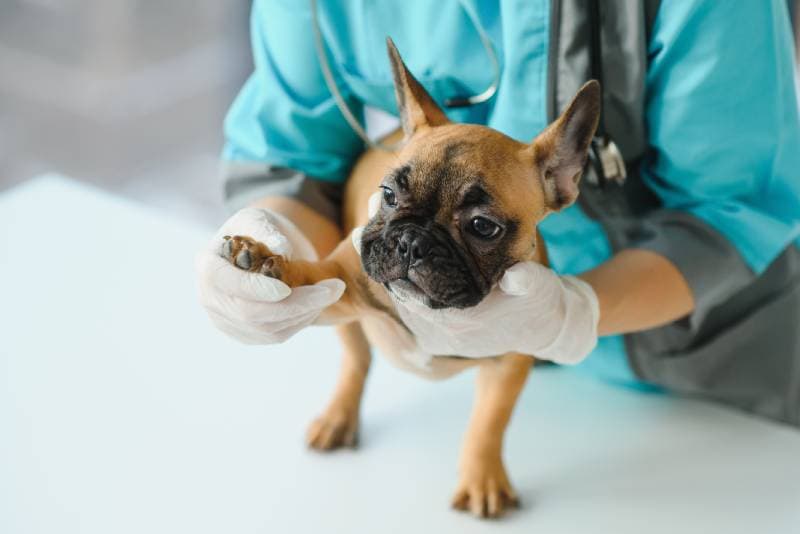
In addition to fleas, other insects, including bees, wasps, and spiders can sting or bite dogs and cause swelling, itching, and redness. Ice packs are also handy for reducing swelling and discomfort. Contact a vet for advice about antihistamines and when to get your pet seen.
13. Stress
Anxiety and stress can cause dogs to compulsively lick themselves as a soothing mechanism. Unfortunately this can lead to hair loss and skin infections. The dog will perform this behavior very frequently, even to the point where they wake up from sleep to lick themselves.
Speak to your vet about the possibility of anti-anxiety medications or alternative stress relief aids.

14. Boredom
Bored dogs perform all kinds of behaviors as a way of releasing pent-up energy, including overgrooming themselves. Consider whether your dog is getting the right amount of exercise every day for the kind of energy level they have and if they have enough mental stimulation (toys, play sessions, chew toys, etc.).
Conclusion
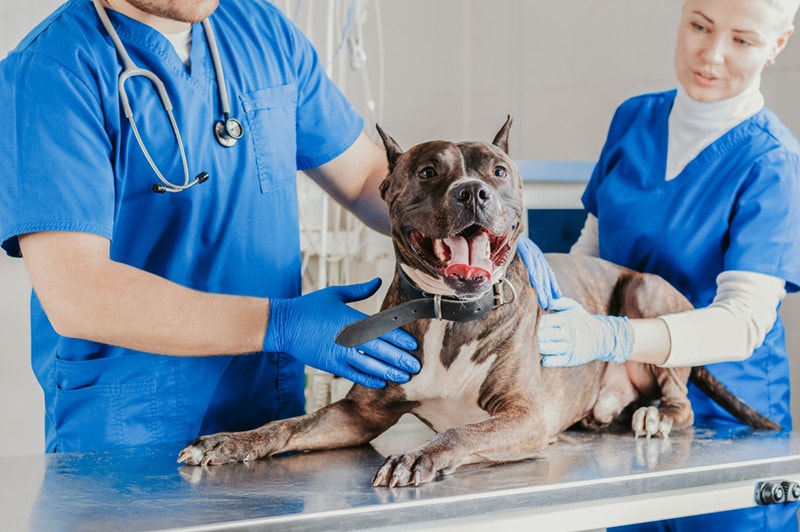
If you’re having trouble working out what’s making your dog lick their paw so much, please get them checked out by a vet, as sometimes, underlying health issues can be the culprit—some minor, and some more serious in nature. Finally, please don’t try to medicate your dog yourself without veterinary guidance.
Sources
https://www.hillspet.com/dog-care/healthcare/how-to-help-dog-with-splinter?lightboxfired=true#
https://vcahospitals.com/know-your-pet/first-aid-for-torn-or-injured-foot-pads-in-dogs
https://vcahospitals.com/know-your-pet/first-aid-for-insect-stings-in-dogs
https://www.petmd.com/dog/general-health/excessive-licking-chewing-and-grooming-dogs
https://www.petmd.com/dog/slideshows/10-common-paw-problems-dogs
https://vcahospitals.com/know-your-pet/allergy-general-in-dogs
Featured Image Credit: Chendongshan, Shutterstock
Get Hepper In Your Inbox


Pet care tips from our vets and experts, straight to your inbox.
You may opt-out at any time. View our Privacy Policy for more information.
Kit Copson is a freelance writer and lifelong animal lover with a strong interest in animal care. She has parented various furry beings over the years and is currently a proud cat mom of two—one skittish but adorable Domestic Shorthair and very chilled (unless hungry) Siamese and a —and dog mom of one—an adopted Bichon Poodle cross. When not writing about or spending time with pets, Kit can be found doodling in her sketchpad, reading, or more often than not, drinking tea.
Join the conversation
Ask a question, share your story, or send private feedback.