Hepper is reader-supported. When you buy via links on our site, we may earn an affiliate commission at no cost to you. Learn more.
6 Dog Breeds Prone to Canine Compulsive Disorder: Vet Reviewed Signs & Tips



Dog owners are often surprised to learn that their beloved pet can be affected by canine-compulsive disorder, which is essentially OCD in dogs (obsessive-compulsive disorder). While any breed of dog can develop canine compulsive disorder, certain breeds are more susceptible to this common canine disorder. In this article, we'll discuss which dog breeds are prone to canine compulsive disorder and what you can do to treat it. We'll also provide tips on how to recognize the signs of compulsive behavior in your dog and how to create an environment to help them manage their behaviors. With the right approach, you can help your pup find a more comfortable, healthy life.

What Is Canine Compulsive Disorder?
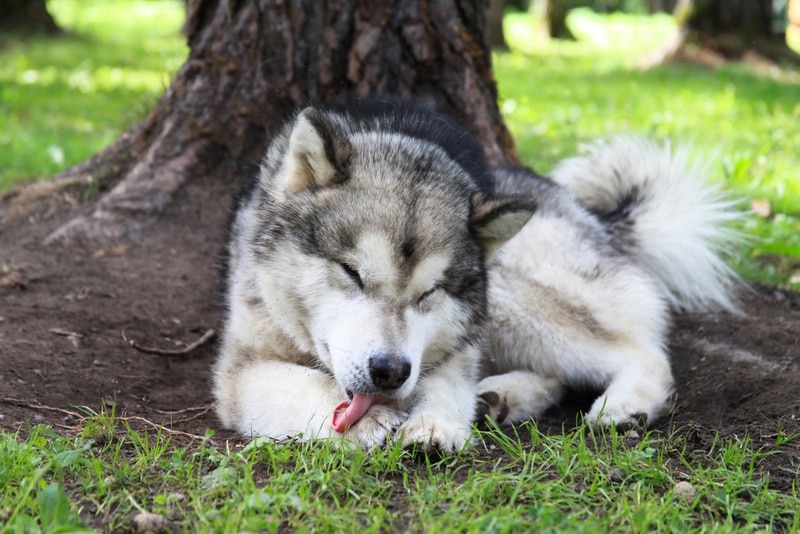
Canine compulsive disorder (CCD) is very similar to obsessive compulsive disorder in humans.1 Obsessive compulsive disorder (OCD) is a psychological disorder characterized by persistent and recurring thoughts, feelings, or behaviors that cause distress or interfere with daily functioning. These thoughts, feelings, or behaviors are often related to specific objects or situations. Dogs with canine compulsive disorder may display behaviors such as excessive licking, pacing, or barking.
Note that there is another disease common in canines known as osteochondritis dissecans which is also abbreviated as OCD. Osteochondritis dissecans is an inflammatory condition in which diseased cartilage separates from the bone.2 Therefore, it is important to distinguish this disease from canine obsessive compulsive disorder, which is actually abbreviated as CCD to help distinguish between the two, as they are two vastly different conditions.

What Causes Canine Compulsive Disorder?
According to the American Kennel Club Canine Health Foundation, canine compulsive disorder is related to genetics.3 A certain gene called the CDH2 gene that is found on chromosome 7 in dogs is thought to make dogs carrying this gene more prone to CCD.
The good news is that since now vet professionals have an idea of what causes CCD in dogs, they can do further genetic testing that can provide better treatment plans for this condition. It can also help breeders to potentially be able to selectively breed out the CDH2 gene in future litters.

The 6 Dog Breeds Prone to Canine Compulsive Disorder
Certain breeds of dogs are more prone to CCD than others. The most commonly affected breeds include German Shepherds, Retrievers, Dobermans, Bull Terriers, Jack Russell Terriers, and Great Danes. The CDH2 gene is found more in these particular breed lines than in other dog breeds.
1. German Shepherds

German Shepherds are one of the most popular dog breeds, known for their intelligence and loyalty. Unfortunately, they are also prone to CCD. German Shepherds are highly intelligent and have a tendency to be more focused than other breeds. They often fixate on one particular activity and become obsessed with it. For example, German Shepherds may compulsively spin or chase their tails. If left untreated, these behaviors can become disruptive and lead to further issues.
2. Retrievers

Retrievers of any breed, such as the Labrador or Golden Retriever, are also prone to CCD. Common symptoms of CCD in Retrievers can include excessive licking, chewing, digging, or chasing. In some cases, the behavior may become so extreme that it interferes with the dog's daily activities.
3. Dobermans

These devoted dogs are strong, often rambunctious, and very affectionate (when properly socialized and trained). For Dobermans, CCD can result in excessive sucking on their flanks, resulting in hair loss in those areas.
4. Bull Terriers

And then we have the wonderful Bull Terriers. These dogs are strong, loyal, and intelligent dogs that come with a wide range of health issues. Like German Shepherds, CCD can result in excessive spinning and tail chasing in this breed. It may also cause the dog to become overly anxious and stressed, leading to aggressive behaviors.
5. Jack Russell Terriers

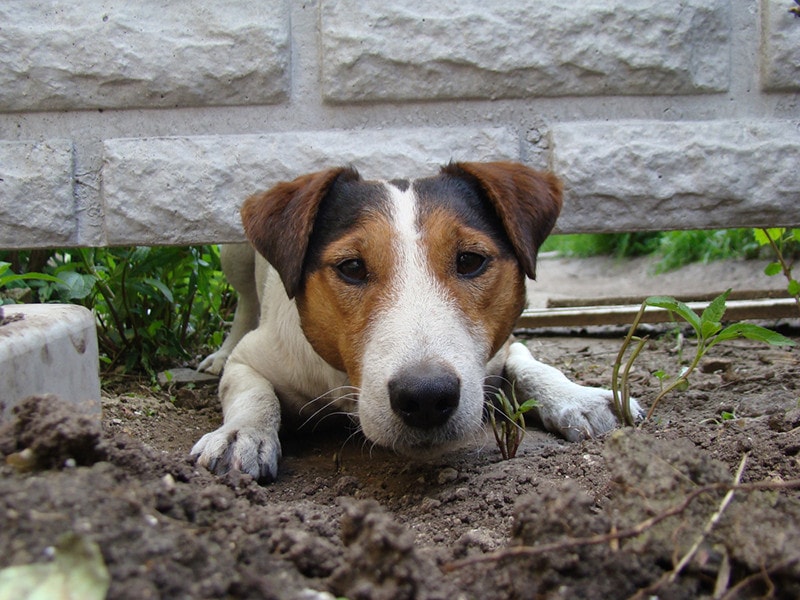
Jack Russell Terriers are small but highly energetic dogs. They usually have a strong desire to work and love digging. That being said, it can be hard to distinguish when a Jack Russell Terrier is digging because he wants to or digging because of canine compulsive disorder. A good way to tell is if your Jack Russell seems frantic or overly stressed or anxious when digging. These dogs may also be more prone to excessive chasing behaviors.
6. Great Danes
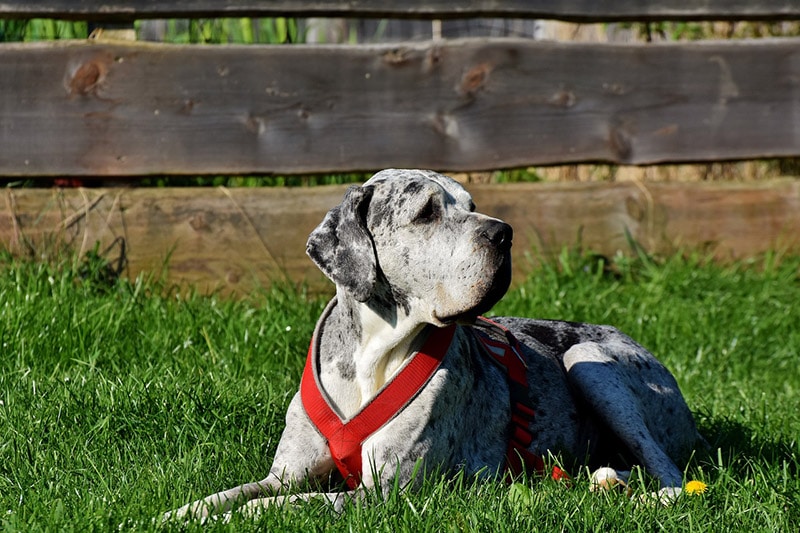
These large dogs are loyal and make for great family pets. CCD in Great Danes may show up in the form of excessive chewing, licking, and digging just like with many other canine breeds. And like other breeds, it can also include fixation on certain objects or habitual grooming on a daily basis. And due to their large size, it can also cause them to have difficulty transitioning from one space to another. For example, if you're trying to transport them from the car to your home, or vice versa, you might notice these behaviors.
Understand that CCD can affect any breed of dog, regardless of size or breed. However, these breeds are more likely to have the disorder due to their genetic predisposition. If you have one of these breeds, below are some of the signs to look out for if you believe that your dog has OCD.
Signs & Symptoms of CCD in Dogs
As mentioned earlier, the signs and symptoms of dog CCD can vary, depending on the breed and individual personality. Common signs of dog CCD include:
If your dog is displaying any of these behaviors, it's important to seek medical advice from your veterinarian.
CCD in dogs should not be taken lightly. If left untreated, the disorder can cause physical and psychological distress for your pet especially in dogs with more severe cases. That's why it's imperative to recognize the signs of CCD in your dog and seek treatment as soon as possible.

Treatments for CCD in Dogs
The treatment for CCD in dogs will depend on the severity of the disorder and the individual dog. In some cases, medication containing a glutamate blocker may be prescribed to help manage the condition, similar to treating OCD in humans. However, the exact type of medication may depend on what behaviors your dog is showing as well as prominent these behaviors.
In addition to medication, behavior modification can be used to help manage CCD in dogs. This can include activities such as positive reinforcement, distraction techniques, or environmental enrichment. It's important to work closely with your veterinarian and a qualified animal behaviorist to create an individualized treatment plan for your dog.
How to Recognize the Signs of CCD in Your Dog
It can be difficult to recognize the signs of CCD in your dog, as the disorder can manifest in a variety of ways. The best way to identify the signs of CCD in your dog is to pay attention to their behavior. If you notice any changes or unusual behaviors listed above, especially if these behaviors seem frantic or excessive, make sure to write them down and discuss them with your vet. This will help you and your vet create the best plan of action for your dog's treatment.
Managing Dogs With CCD
Creating an environment that is conducive to managing CCD in dogs is an important step in helping your pup. This can include providing your dog with plenty of mental and physical stimulation such as walks, games, or puzzle toys.
It's also important to provide your pup with a safe, secure place to retreat to when they're feeling overwhelmed. This can be a kennel, a quiet room, or a designated area in the house. Having a safe place to retreat will help your pup to feel more comfortable and secure.
Tips to Help Manage CCD in Dogs
In addition to creating an environment that is conducive to managing CCD in dogs, there are other tips that can help. These include:
FAQs About Dog CCD
Many dog owners have questions about CCD in dogs. Here are some of the most common ones:
Can CCD be cured in dogs?
While CCD cannot be cured, it can be managed with the right treatment plan. You'll need to really work with your vet and a qualified animal behaviorist to create a plan that's best for your pup.
Are there any natural remedies for dog CCD?
There are some natural remedies that may help to reduce the symptoms of dog CCD. These include providing your pup with plenty of mental and physical stimulation, creating a consistent routine, and avoiding situations that may trigger CCD behaviors. You can also talk to your vet about supplements or herbal remedies that may help.

How long does it take to treat dogs with OCD?
The length of time it takes to treat CCD in dogs can vary, depending on the severity of the disorder and the individual dog. In some cases, treatment may take weeks or several months, or it may be ongoing continuously for the life of your dog. But once you speak with a vet they can give you a general outline of how long treatment plans take to be effective and perhaps forecast a timeline for your dog specifically.
Wrapping Things Up
Canine compulsive disorder is a serious condition that can cause distress for both you and your dog. It is most prominent in the 6 breeds discussed in this article. If you suspect that your dog is suffering from CCD because of certain behaviors that you've noticed, be sure to speak to your vet as soon as possible. A qualified vet will be able to diagnose your dog and create a treatment plan that is best for them. With the right approach, you can help your dog find relief from CCD and lead a more comfortable, healthy life.
Featured Image By: Bachkova Natalia, Shutterstock
Get Hepper In Your Inbox


Pet care tips from our vets and experts, straight to your inbox.
You may opt-out at any time. View our Privacy Policy for more information.
Nicole is a lover of animals of all sizes but is especially fascinated with the feline variety. She’s the proud mom of Baby, a Burmese, and works every day so he can relax in the sunshine or by the fire. She’s always had a cat in her home and has spent countless days with others, observing behaviors and softening up even the grouchiest of the lot. Nicole wants to share her kitty expertise with you so you and your cat can live happy, healthy, and care-free.
Join the conversation
Ask a question, share your story, or send private feedback.