Hepper is reader-supported. When you buy via links on our site, we may earn an affiliate commission at no cost to you. Learn more.
Why Does My Cat Have Diarrhea? 7 Vet-Approved Reasons

In this article
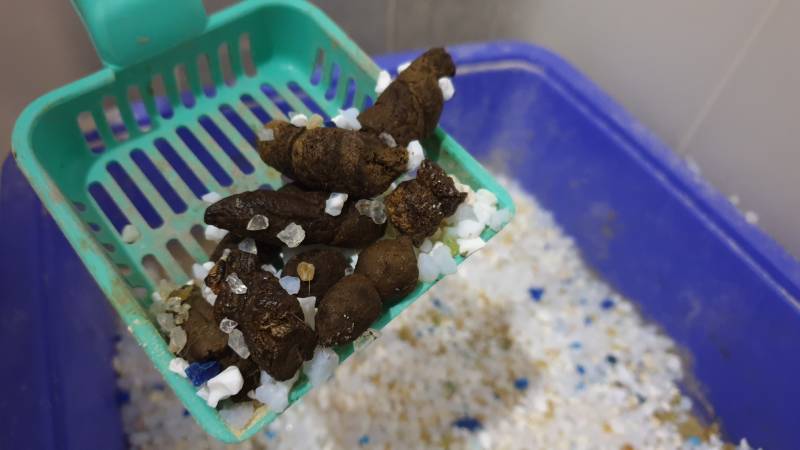
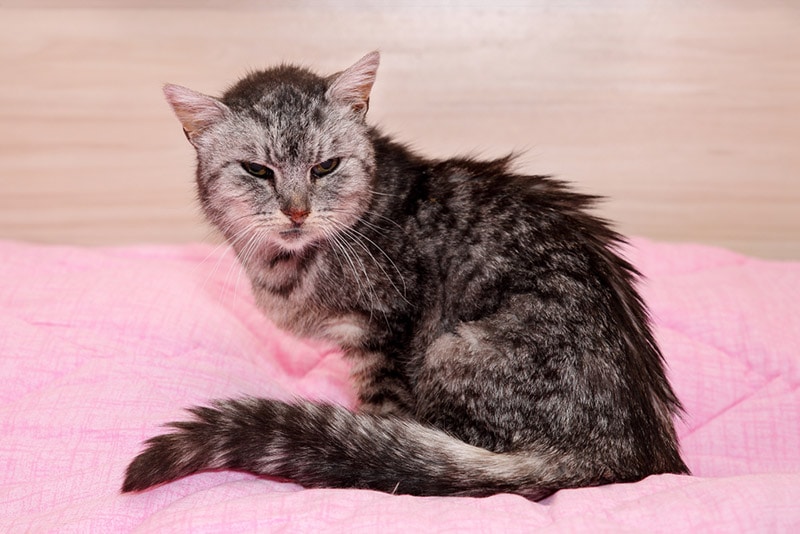
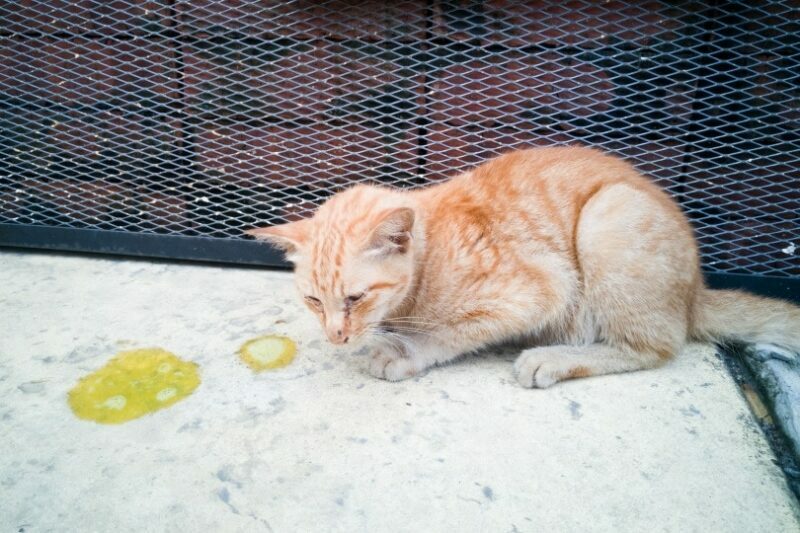
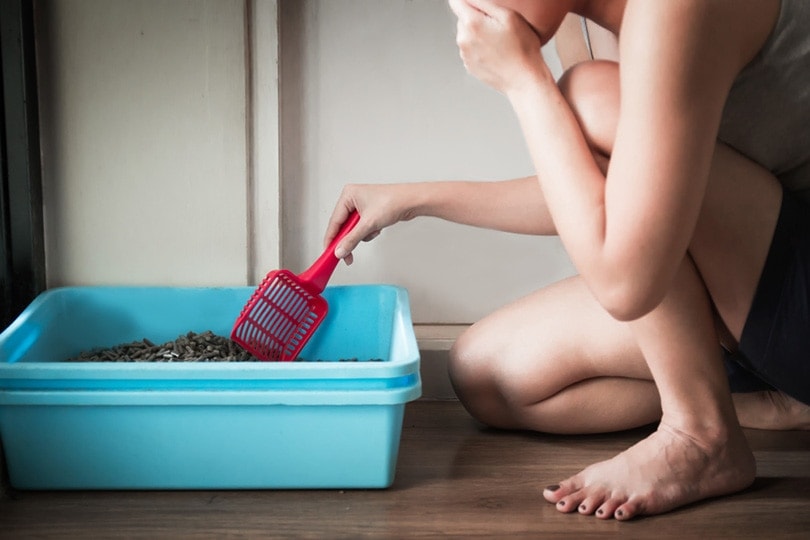
If you've been a cat caretaker for more than a week, you've probably had to deal with some gastrointestinal issues: most likely vomiting or diarrhea. Diarrhea is often the unpleasant result of tummy upset or a medical condition that causes your cat to have loose, unformed bowel movements. Temporary symptoms may clear up without veterinary assistance, but chronic diarrhea must be treated by a professional.

Is Cat Diarrhea Serious, and When Should I Call the Veterinarian?
Whether or not your cat's diarrhea is serious depends on several factors, including the cause and how long your cat has been sick. Diarrhea can be caused by various factors, from changing your companion's food too quickly to cancer. While runny bowel movements aren't necessarily a sign of a severe health issue, the condition should never be ignored since it can cause your cat discomfort.
Remember that if your cat's diarrhea is bloody or extremely watery and your companion appears to be dehydrated, weak or having trouble eating, you should immediately reach out to your veterinarian.

Top 7 Reasons Cats Have Diarrhea
1. Diet Changes
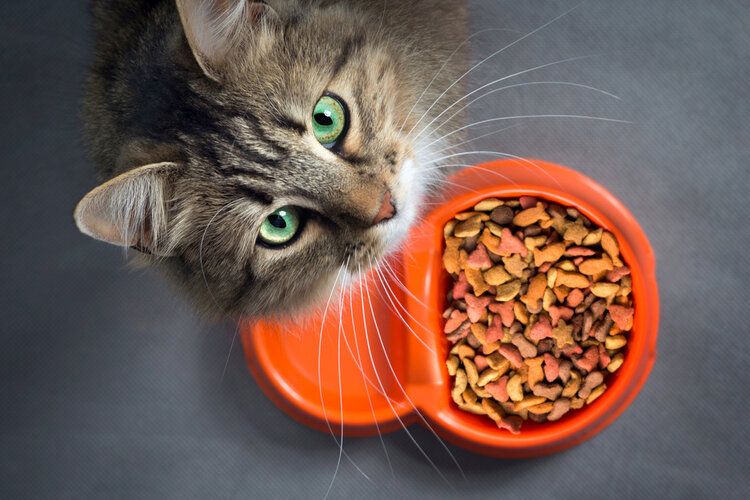
If you have recently switched your cat from one brand of food to another, it's likely your cat is having trouble adjusting to the new diet. The same can also be true if you haven't changed brands but have given your cat a different flavor of the same brand or more wet food than normal. Most veterinarians recommend transitioning your cat slowly from one brand to the other to minimize the chance your companion will either reject their new diet or become sick because their tummy needs more time to adjust. Plan on beginning with a few morsels of the new food mixed into your cat's usual diet and gradually change the proportions over 1 or 2 weeks until your cat eats the new food without reservations!
2. Food Allergies
Cats with food allergies commonly have runny bowels when they eat something they can't handle. The problem might arise when you give your cat a new type of food, or you might discover it after giving your cat a few too many bites of human food. The problem may even lurk in a new cat treat! Most cats are lactose intolerant, so don't be surprised if your pet gets the runs after eating too much milk, cream, cheese, or ice cream.
Soy, chicken, certain types of fish, wheat, and even eggs can also trigger feline stomach discomfort. Food allergies in cats can be quirky and sometimes develop later in life however they aren't common and only around 10% of cats each year.
3. Toxic Substances
Cats often have diarrhea when they get into something toxic. Common culprits include plants, human medications, personal care items, cleaning materials, and some foods. The list of plants that can cause stomach problems includes toxic species such as lilies and mistletoe (which can be fatal) to less deadly but still problematic plants such as begonias and carnations.
Sleep aids, ibuprofen, and acetaminophen are just a few common human medications that can poison your cat and cause stomach upset and even death if consumed in sufficient quantities. Products such as toothpaste, mouthwash, and antiseptics containing tea tree oil can poison your cat and cause runny bowels. Also, foods such as onions, grapes, and garlic are toxic to cats and can cause stomach upset and diarrhea.
4. Worms
Cats infected with worms exhibit various symptoms, including diarrhea, loss of appetite, coughing, and vomiting. If the infection worsens, your cat's mucous membranes might lose color, and your cat may look like they have a pot belly. Taking your cat for yearly medical checkups is the best way to prevent this from happening combined with regular deworming.
Your veterinarian can evaluate your cat's health and appearance and determine if a deworming treatment is appropriate or not. There are three ways cats commonly get worms: eating fleas, parasite eggs, and infested poop. Remember that even indoor cats can get worms. They can ingest fleas that other animals bring into the house or parasite eggs that hitch a ride on your clothing. Parasite eggs are also commonly found in potting soil.
5. Inflammatory Bowel Disease
Inflammatory Bowel Disease (IBD) is an umbrella term for gastrointestinal inflammation. Stomach inflammation is called gastritis, and enteritis is the term used when the small intestine is involved. Colitis is how veterinarians describe inflammation in the large intestine. IBD in cats occurs when there's so much gastrointestinal inflammation that your feline begins to have trouble digesting food and absorbing nutrients.
Veterinarians aren't sure what causes the condition but suspect it results from a combination of factors, including immune system malfunction, diet, and abnormal or out-of-balance intestinal bacteria. The condition is often diagnosed in middle-aged cats, and common symptoms include diarrhea, vomiting, weight loss, and lack of energy. The condition is usually manageable with a combination of medication and dietary changes. Cats with IBD often do best on hypoallergenic diets.
6. Exocrine Pancreatic Insufficiency
Cats that have trouble producing enough of the digestive enzymes produced by the pancreas will often show symptoms such as diarrhea, vomiting, and weight loss. Interestingly, kitties with the condition tend to have a healthy appetite. Cats that don't produce enough pancreatic enzymes have difficulty with digestion and getting B12 vitamins from their food. The condition often occurs with feline diabetes or pancreatitis. Treatment usually involves enzymes and sometimes vitamin supplementation.
7. Cancer and Abdominal Tumors
Certain types of feline cancer, including gastrointestinal lymphoma, often result in diarrhea. However, any tumor or cancer involving the gastrointestinal system can result in stomach problems, including runny bowel movements. Keep in mind that not all tumors are cancerous. Your veterinarian will need to take a complete medical history and run several tests to make a diagnosis.
Conclusion
Feline diarrhea can be caused by anything from food allergies to something more serious, but it is a sign that something is wrong with your companion. If your cat's poop is a bit too soft and you've recently switched from one type of food to another, it's probably okay to just keep an eye on things for a day or so. If you suspect your cat has gotten into something toxic, reach out to your veterinarian immediately for guidance.
See also:
Sources
https://www.hillspet.com/cat-care/healthcare/cat-diarrhea-causes-and-treatment
https://www.aspca.org/pet-care/animal-poison-control/toxic-and-non-toxic-plants/carnation
https://www.petpoisonhelpline.com/pet-owners/basics/top-10-human-medications-poisonous-to-pets/
https://www.housebeautiful.com/uk/lifestyle/cleaning/a32387224/cleaning-products-toxic-pets/
https://www.petmd.com/dog/slideshows/19-beauty-products-could-harm-your-pet#slide-1
https://www.petmd.com/cat/parasites/worms-cats-everything-you-need-know
https://www.vet.cornell.edu/departments-centers-and-institutes/cornell-feline-health-center/health-information/feline-health-topics/inflammatory-bowel-disease#:~:text=Feline%20inflammatory%20bowel%20disease%20(IBD,properly%20digest%20and%20absorb%20food.
https://www.msdvetmanual.com/cat-owners/digestive-disorders-of-cats/disorders-of-the-pancreas-in-cats#:~:text=Cats%20with%20exocrine%20pancreatic%20insufficiency,a%20sign%20of%20other%20disorders.
Featured Image Credit: one photo, Shutterstock
Get Hepper In Your Inbox


Pet care tips from our vets and experts, straight to your inbox.
You may opt-out at any time. View our Privacy Policy for more information.
Lorre Luther a reformed lawyer from the United States, she moved to the Netherlands to follow her dream and become a writer. Currently living in Rotterdam, Lorre enjoys traveling and reveling in the astonishing beauty of our planet. As an animal lover, Lorre is convinced that cats are smarter than humans.
Join the conversation
Ask a question, share your story, or send private feedback.