Hepper is reader-supported. When you buy via links on our site, we may earn an affiliate commission at no cost to you. Learn more.
Silver Cockatiel: Pictures, Facts & History

In this article
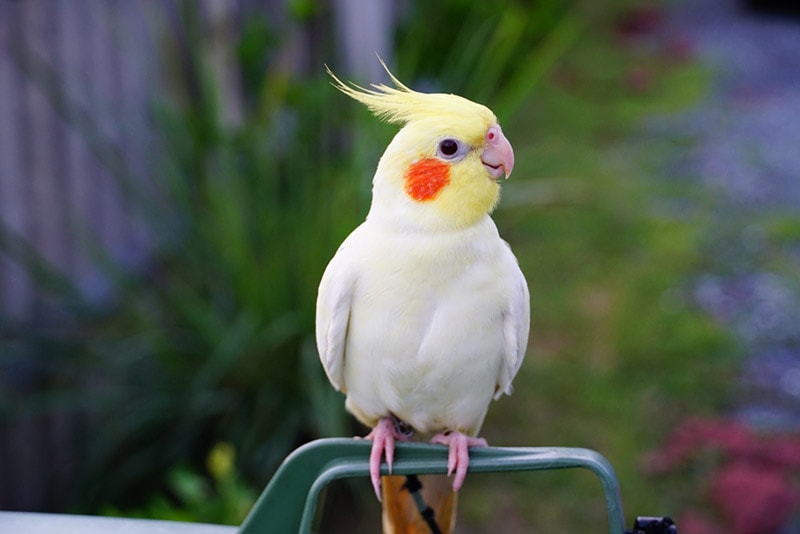
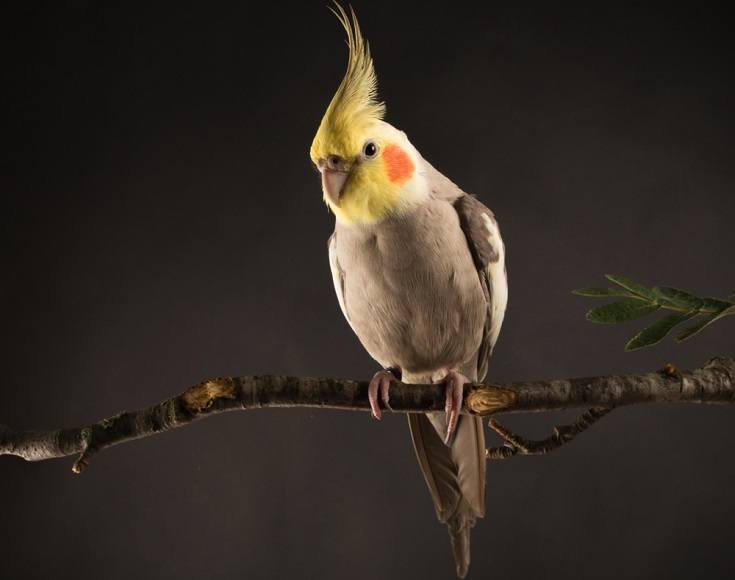
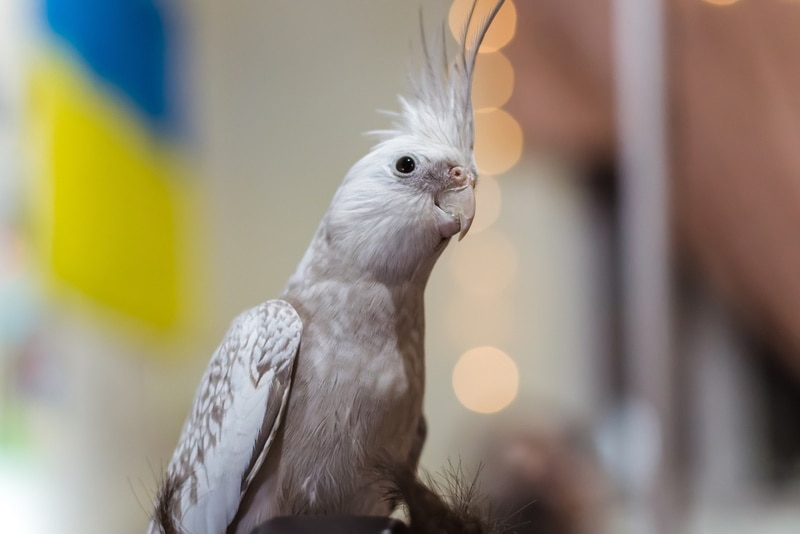
The Silver Cockatiel, or Lutino Cockatiel, is an attractive variation of the cockatiel featuring silver plumage that many people prefer over the more colorful varieties. These birds are friendly and make great first pets. If you want to get one, keep reading as we look into their history, characteristics, and recognition, to help you decide whether it is right for your home.
| Height: | 12–13 inches |
| Weight: | <.25 pound |
| Lifespan: | 15–25 years |
| Colors: | Silver |
| Suitable for: | Families, first-time bird owners |
| Temperament: | Playful, friendly, affectionate |
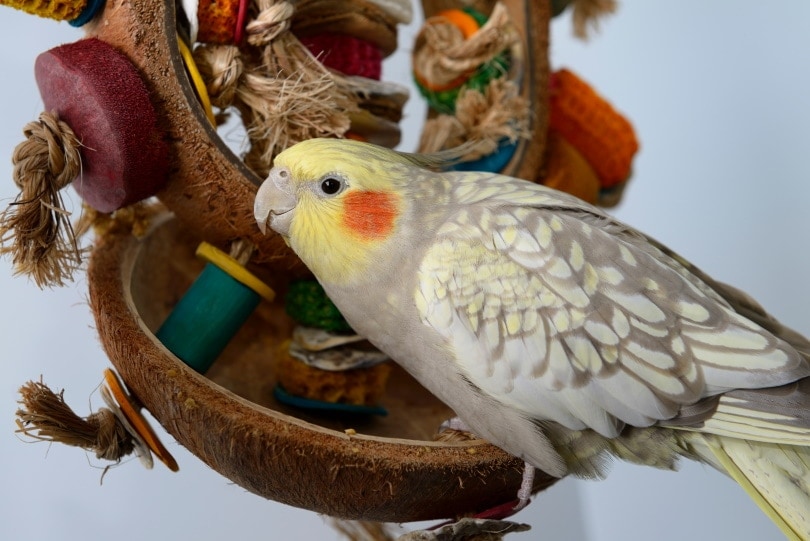
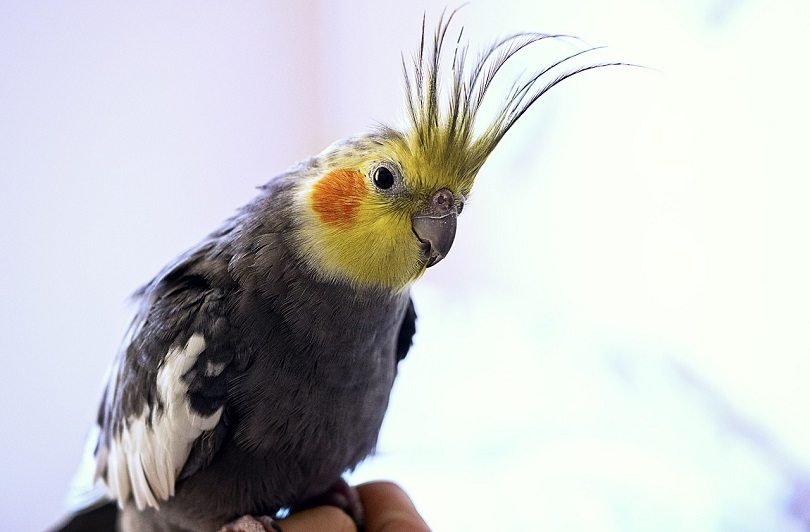
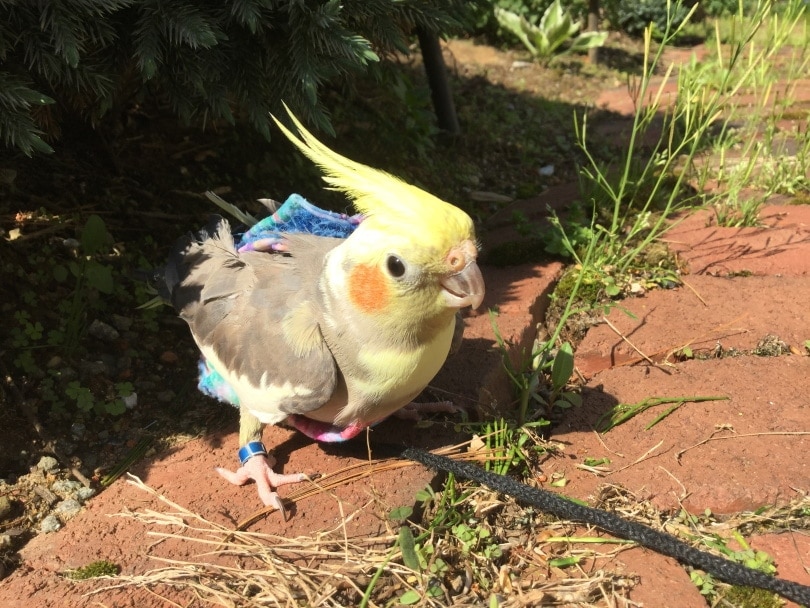
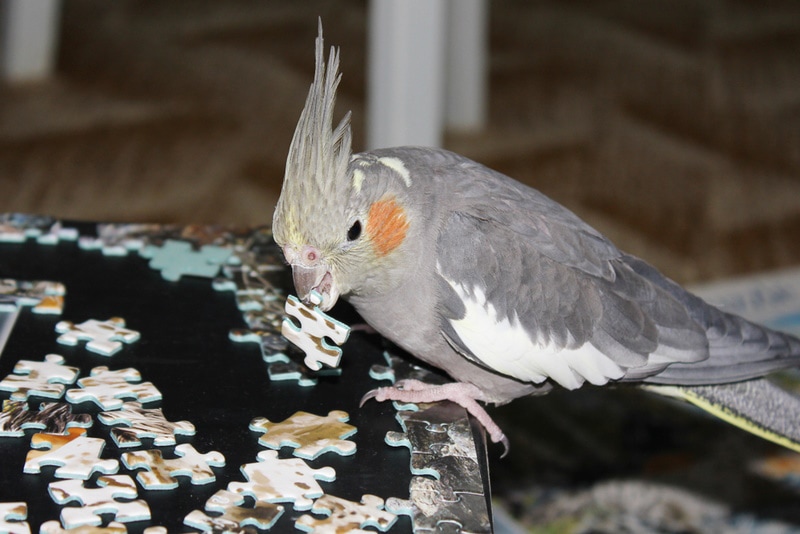
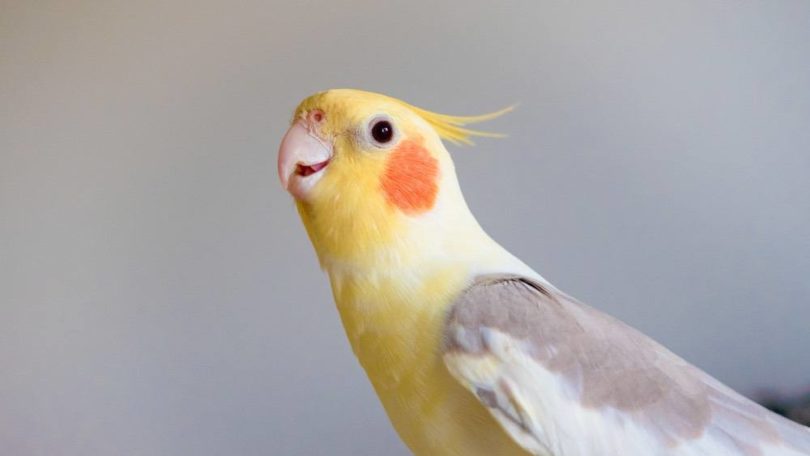
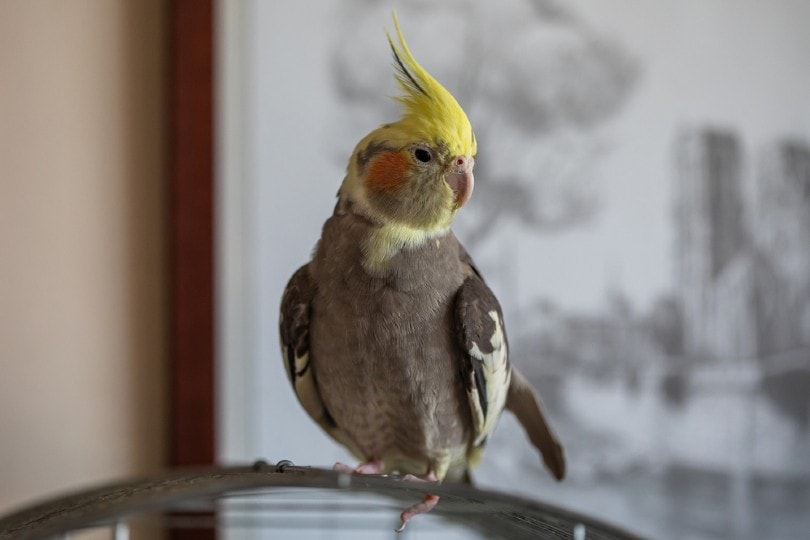
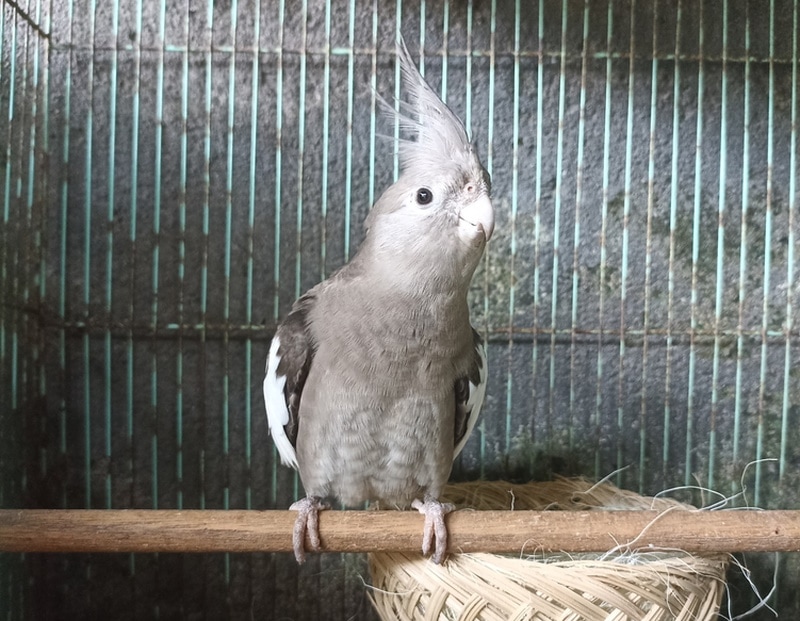
With their striking silver or lutino plumage, Silver Cockatiels lack the typical gray markings in other variations. Some individuals may have differences in color intensity and patterns, such as white patches on the wings and tail. These contribute to the beauty and individuality of each Silver Cockatiel, making them a captivating choice for bird enthusiasts.

Silver Cockatiel Breed Characteristics
The Earliest Records of Silver Cockatiels in History
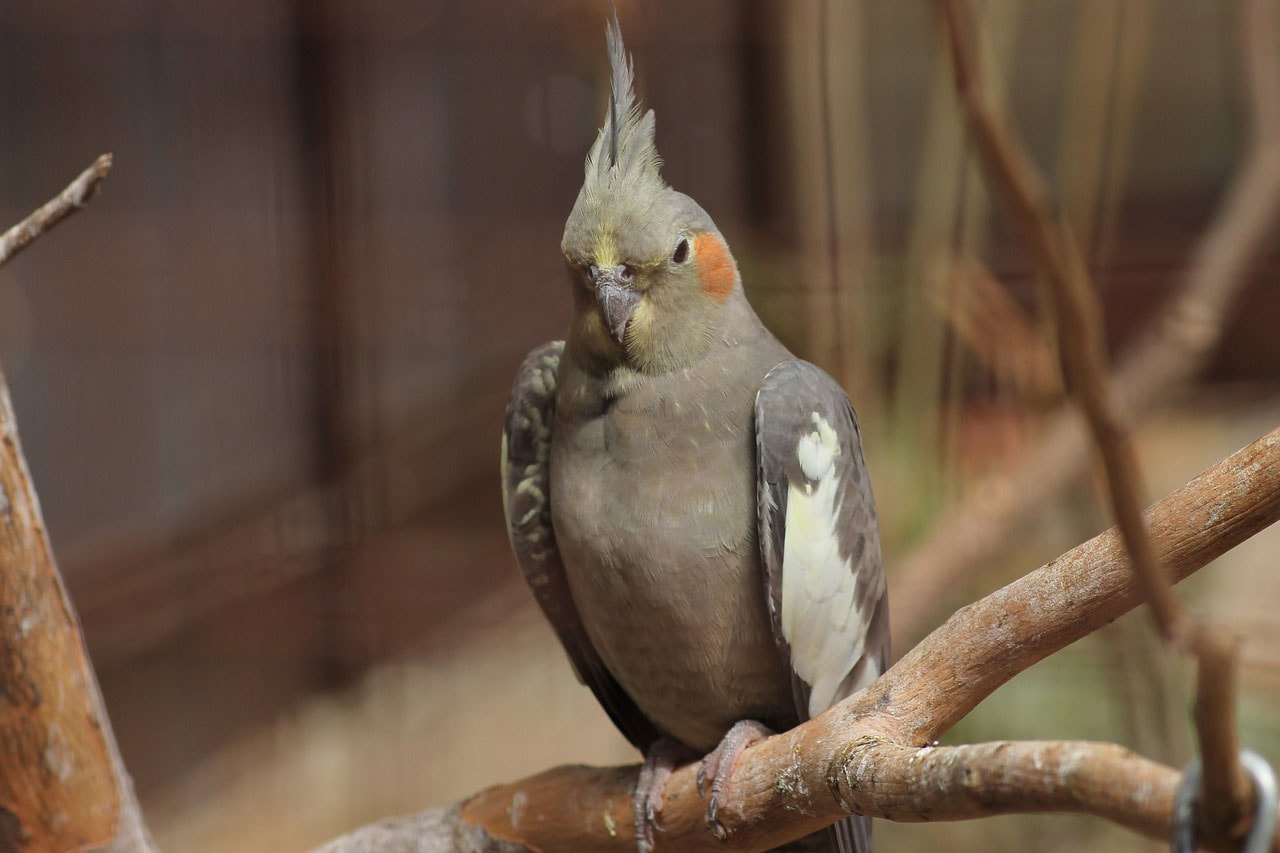
While there is not much documentation about the exact history of the Silver Cockatiel, we can trace their origin back to their wild counterparts, the Australian-native Grey Cockatiels. People started keeping Cockatiels as pets and breeding them in captivity in the late 19th century. However, it's unclear when the first Silver Cockatiels were specifically produced or recognized as a distinct variation. Selective breeding for color mutations, including the silver or lutino plumage, began in the early 20th century, as aviculturists and breeders sought to develop new and visually striking Cockatiel variations.
How Silver Cockatiels Gained Popularity
Silver Cockatiels gained popularity as avian companions due to their striking appearance and charming personalities. Their unique color variation immediately catches the eye, and they are a popular subject for photography. They are friendly and easy to maintain, making them a great choice for children and first-time pet owners, and they also get along well with other birds and can help create diversity in the environment.
Formal Recognition of Silver Cockatiels
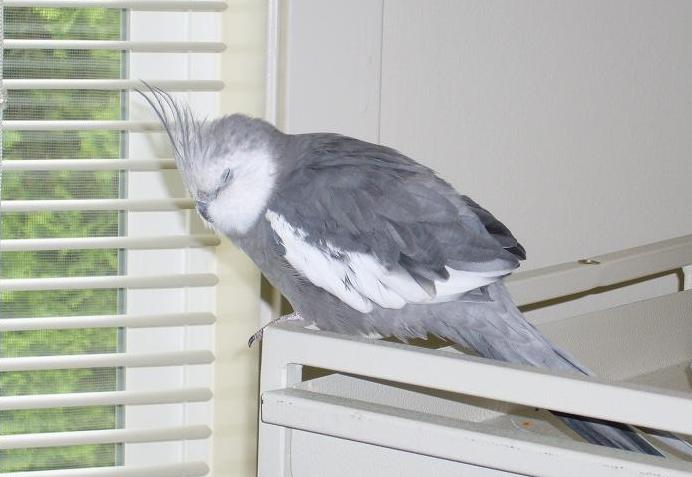
There is currently no formal recognition of the Silver Cockatiel as a distinct species. The recognition and acceptance of new color variations in avian species can vary depending on the specific organization and region. Formal recognition of a new color mutation within a species typically occurs after a period of selective breeding and evaluation by experts in aviculture. This process involves demonstrating consistent and stable traits in color variation and adherence to established standards.
Top 10 Unique Facts About Silver Cockatiels
1. A genetic mutation that affects melanin production, resulting in the unique silver or lutino coloring, is responsible for the distinctive marking of a Silver Cockatiel among all the other types of cockatiels.
2. Unlike other Cockatiel variations, Silver Cockatiels lack the typical gray markings on their feathers, giving them a more uniform and eye-catching appearance.
3. Silver Cockatiels often have vibrant yellow coloring on their faces and crests, adding to their striking beauty.
4. Some Silver Cockatiels may have white patches or markings on their wings and tail feathers.
5. Silver Cockatiels are playful and curious, engaging in interactive play and exploring their surroundings.
6. Silver Cockatiels can learn to mimic certain words, phrases, and even melodies with proper training and exposure.
7. Male and female Silver Cockatiels have noticeable differences in their respective appearances. Males typically have brighter and more vibrant yellow faces and crests, while females often have softer or paler shades of yellow.
8. Silver Cockatiels have excellent whistling abilities and can learn to mimic various tunes and melodies.
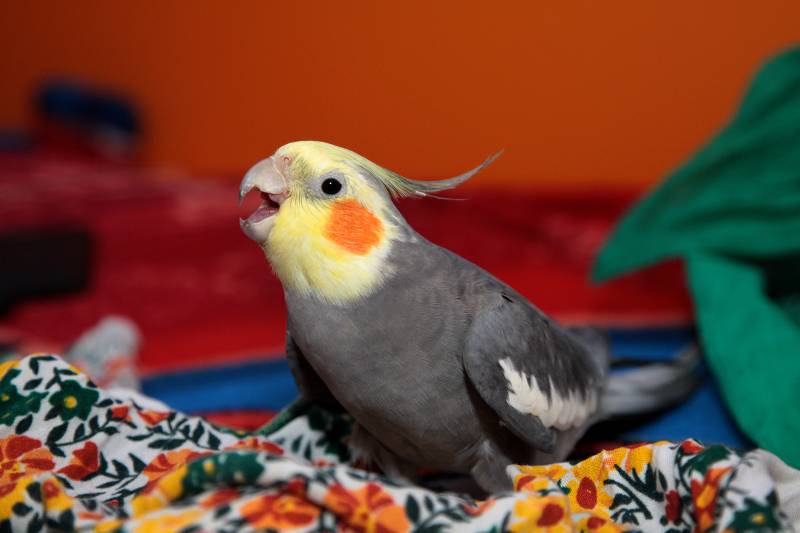
9. A Silver Cockatiel has a prominent feather crest on their head that can be raised or lowered depending on their mood or level of excitement.
10. Silver Cockatiels are active communicators and use various vocalizations and body language to express themselves. They may hiss, chirp, squawk, or engage in head-bobbing or wing-flapping to communicate or express their emotions.
Does the Silver Cockatiel Make a Good Pet?
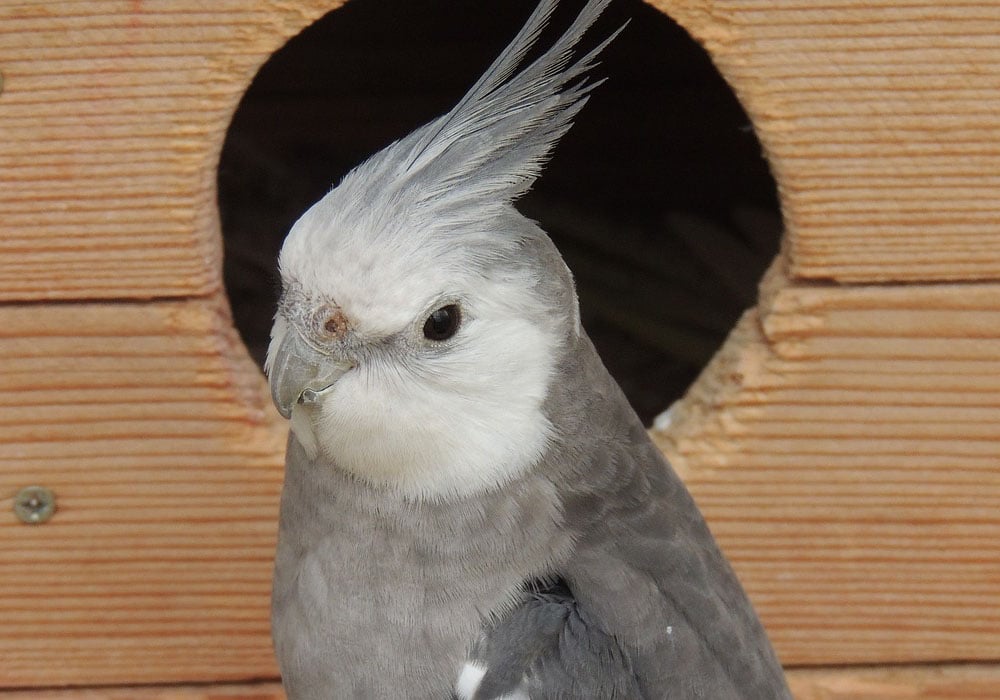
Yes, a Silver Cockatiel makes a great pet for small or large families, and they are the perfect choice for children and someone looking for their first pet. They are friendly, social, entertaining, and affectionate. You can train them to perform several tricks, and they can learn to mimic music and other sounds that they hear, including words. They are adaptable to different living situations and have long lifespans that often exceed 20 years.

Final Thoughts
The Siler Cockatiel is an attractive bird that is a close relative of the Australian Grey Cockatiel. Besides their attractive appearance, Silver Cockatiels gained popularity because of their friendly and playful temperaments. They are affectionate birds that adapt well to different living environments and can live alongside other bird species. The females may even help care for the other birds, and they have a lifespan of more than 20 years, so they make great long-term companions.
Featured Image Credit: objectnyata, Shutterstock
Get Hepper In Your Inbox


Pet care tips from our vets and experts, straight to your inbox.
You may opt-out at any time. View our Privacy Policy for more information.
Ed Malaker is a veteran writer who has contributed to a wide range of blogs that cover pets, tools, guitars, fitness, and computer programming. When he’s not writing, Ed is usually performing DIY projects around the house or working in the garden. He’s also a musician and spends a lot of time helping people fix their guitars and composing music for independent films.
Join the conversation
Ask a question, share your story, or send private feedback.