Hepper is reader-supported. When you buy via links on our site, we may earn an affiliate commission at no cost to you. Learn more.
Lutino Cockatiel: Info, Pictures & History
In this article
Since Europeans first started breeding them in the late 1800s 1, cockatiels have found a home in our hearts as the second most popular pet bird 2. It is easy to see why. They are friendly and low maintenance, making them excellent first pets. While they may not understand what you’re saying, they’ll undoubtedly entertain you with their whistling and singing.
| Height: | 12-13 inches |
| Weight: | 3 – 4oz |
| Lifespan: | 16–25 years |
| Colors: | White, yellow, red, or orange |
| Suitable for: | Active and first-time owners |
| Temperament: | Intelligent, very affectionate, and cuddly |
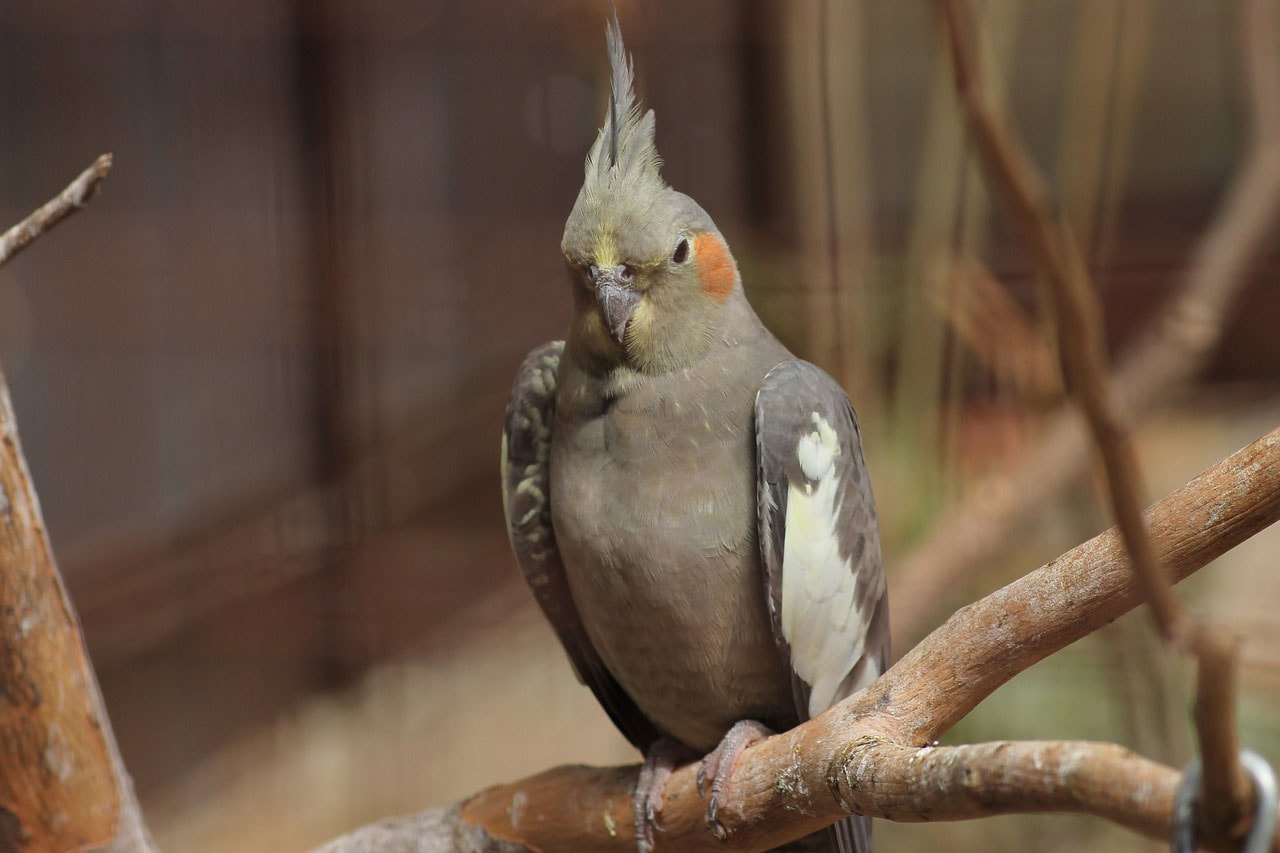
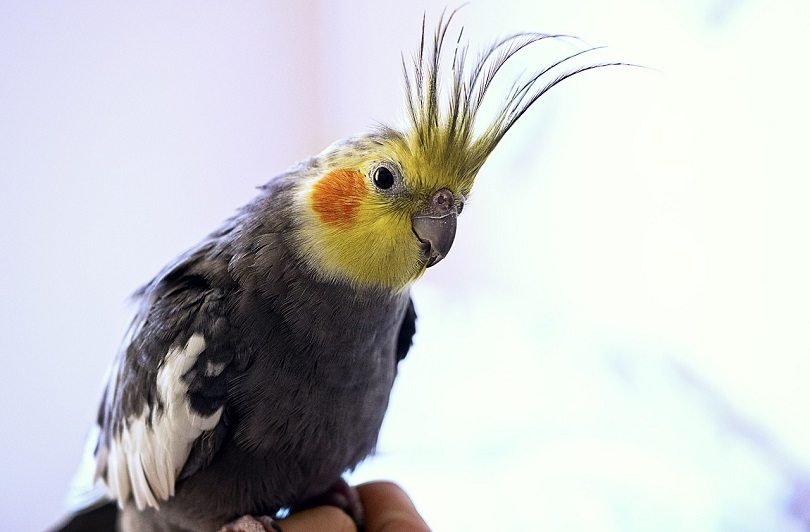
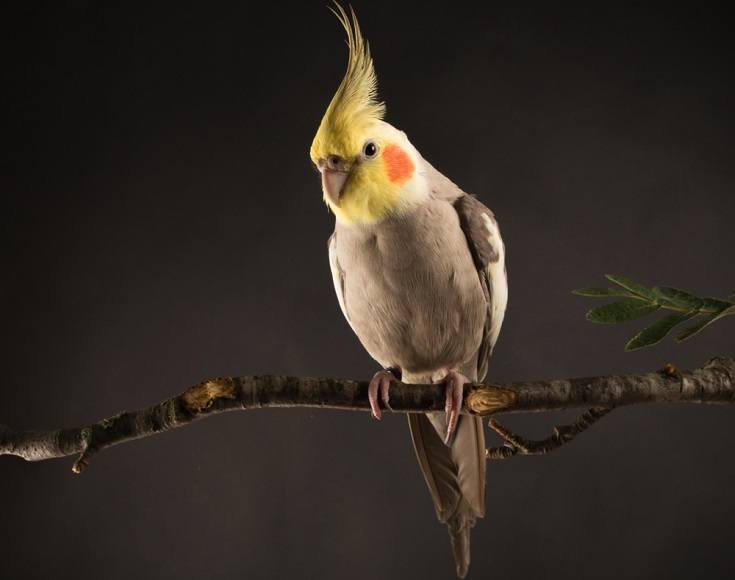
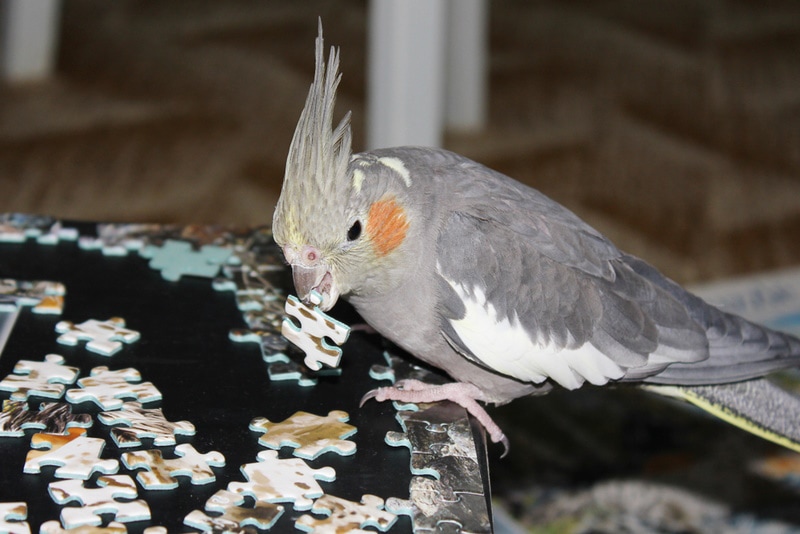
The Lutino Cockatiel doesn’t exist in the wild. It is one of many mutations and crossings engineered by loyal enthusiasts. The so-called “normal” is the familiar, gray-colored bird known for its expressive crest.

Lutino Cockatiel Characteristics
The Earliest Records of the Lutino Cockatiel in History
The cockatiel is native to Australia. The International Union for Conservation of Nature and Natural Resources (IUCN) lists it as a species of least concern with stable numbers. It lives in the forests and shrublands as a ground forager. The bird typically congregates in large flocks, with northern members being nomadic and southern ones being seasonal migrants.
Scottish naturalist Robert Kerr first formally described the cockatiel in 1793, naming it Psittacus hollandicus. German ornithologist Johann Georg Wagler later renamed the Cockatiel in 1832 with its present-day scientific name Nymphicus hollandicus.
Europeans brought the cockatiel back to the continent, where it became a popular pet bird in England and elsewhere. That’s where the story of the Lutino takes flight. Enthusiasts began to breed the birds selectively. Inevitably, mutations appeared, and the Lutino was one of them. It was first described in 1958 3.
How the Lutino Cockatiel Gained Popularity
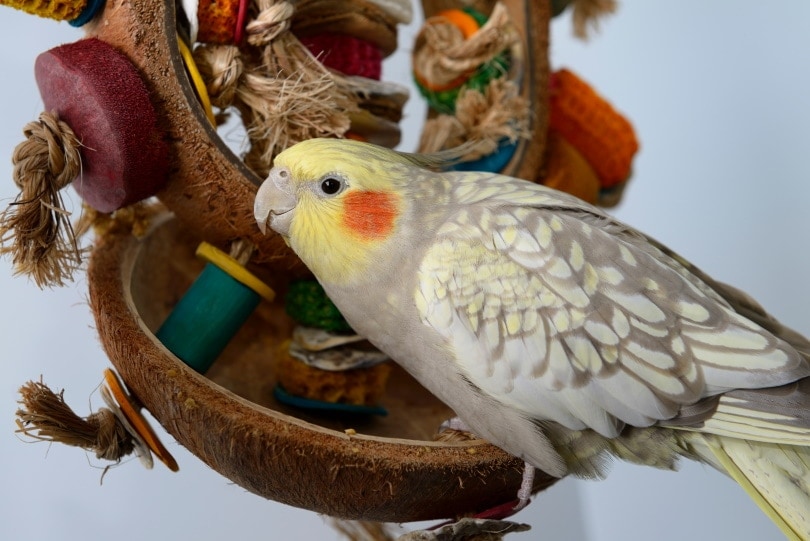
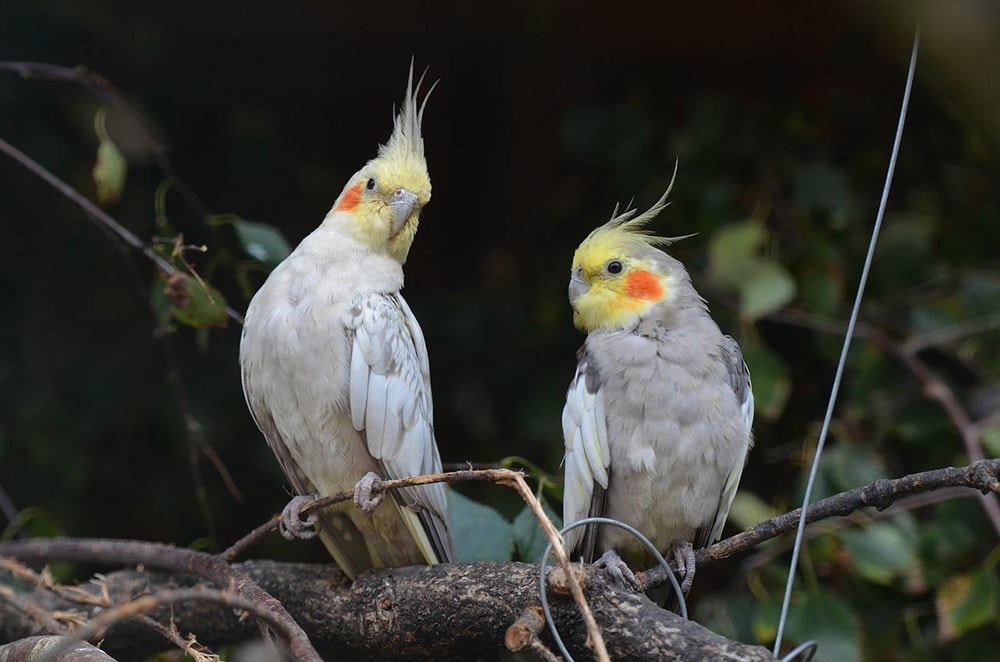
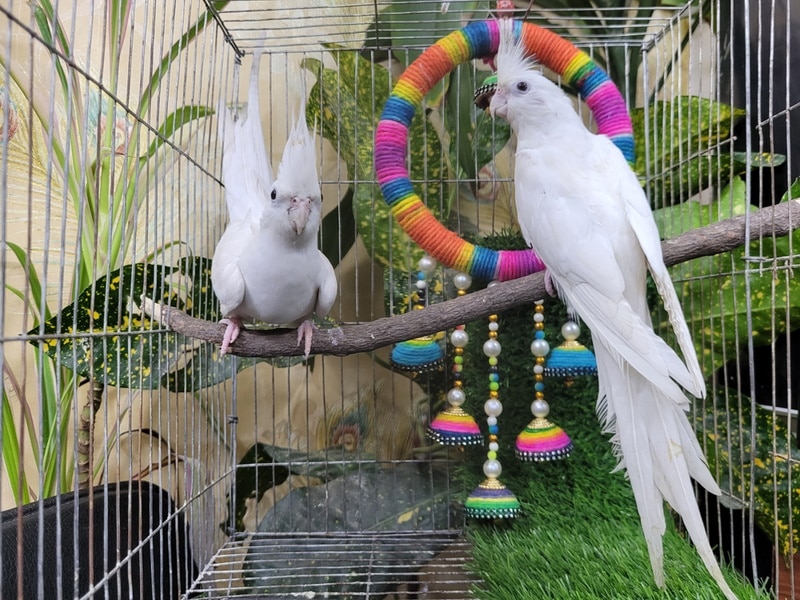
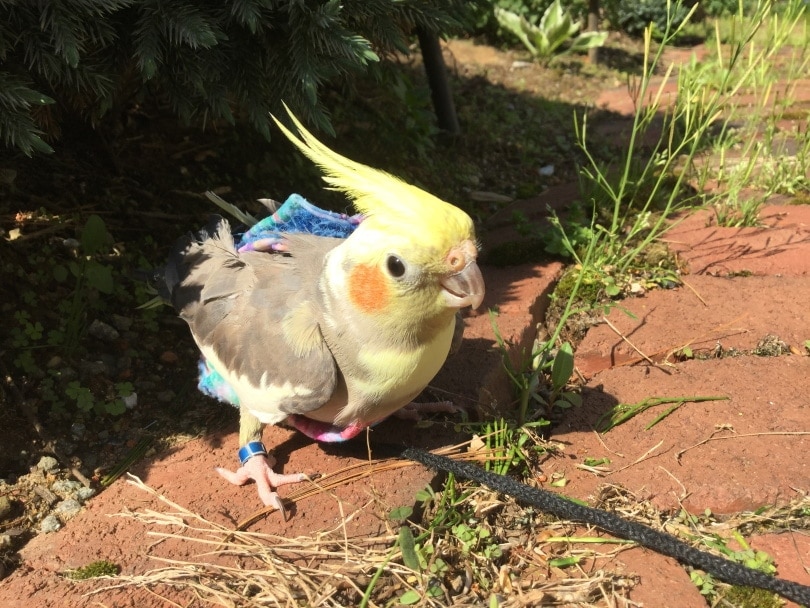
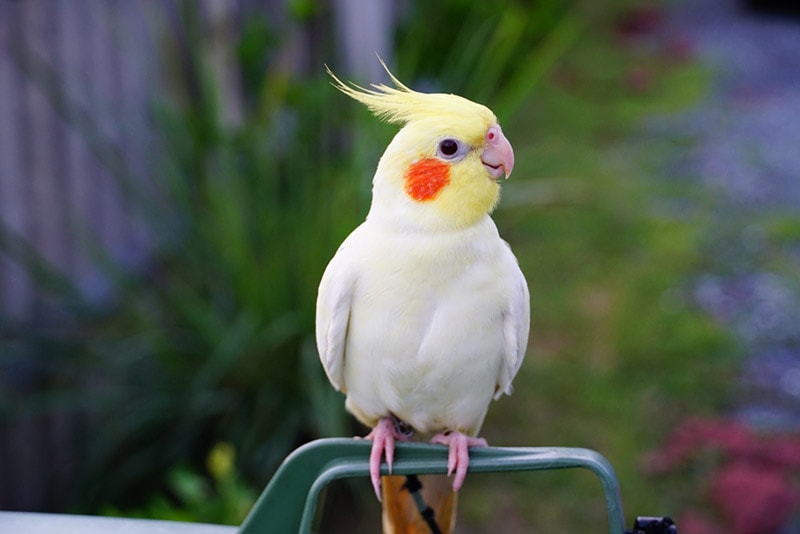
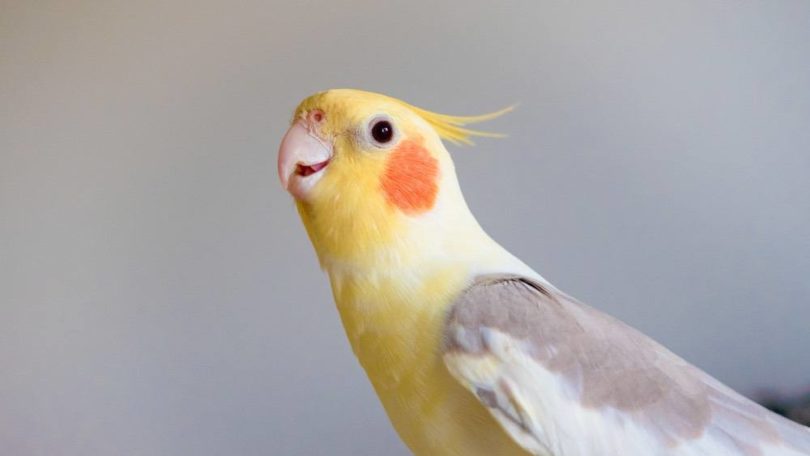
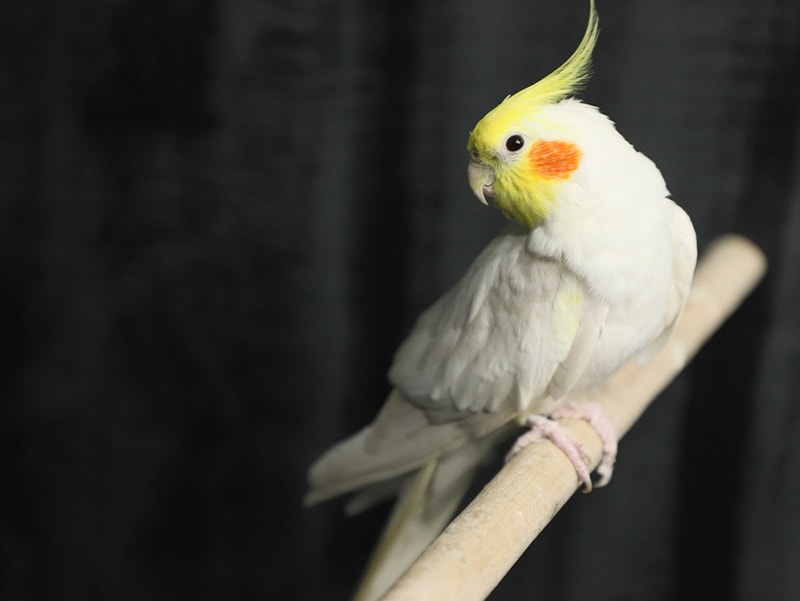
The Lutino Cockatiel is a medium-sized, yellow-white parrot. The mutation only affects the expression of one of the pigments the bird has. Nevertheless, it is an attractive animal, with its orange cheeks seeming that much brighter against the light plumage. Understanding how Lutino Cockatiels came about and gained popularity requires understanding a bit about genetics.
Birds differ from humans in that the female decides the sex of her offspring instead of the male. The Lutino trait is a sex-linked recessive one that is carried on the X chromosome. The gray or normal attribute is the dominant one. It would prevent the variation from being visible in a male even if he received the lutino from his mother.
The only way for the offspring to show the trait visibly is if either the male inherited from both his parents or the female has the color trait. She only needs one copy since the Y chromosome has no effect on it. The X chromosome alone is the deciding factor.
Formal Recognition of the Lutino Cockatiel
Lutino is one of many mutations recognized by the American Cockatiel Society (ACS). Pet owners wishing to exhibit their birds must adhere to the official standard and classes. Other organizations have also given official status to this variation, including the Native Cockatiel Society of Australia. The bird has come a long way from hanging out in the bush in the wilds of the Outback.
Top 3 Unique Facts About the Lutino Cockatiel
1. The Cockatiel’s Genus Name Is a Nod to Greek Mythology
The Cockatiel’s genus name, Nymphicus, comes from the Latin word “nympha”, referring to the nymphs’ place in Greek mythology. We’re not sure what inspired Wagler to give the bird this moniker. We can guess that its avian charm played a role.
2. A Male Cockatiel Can Still Pass on the Lutino Trait to His Offspring
We’ve discussed the appearance of the Lutino trait as being visible. However, a male Cockatiel can also carry the gene and pass it on to his offspring. Enthusiasts refer to this bird as a split male. Female birds inheriting the trait from their father would show it visually.
3. The Lutino Trait Is the Avian Version of Albino
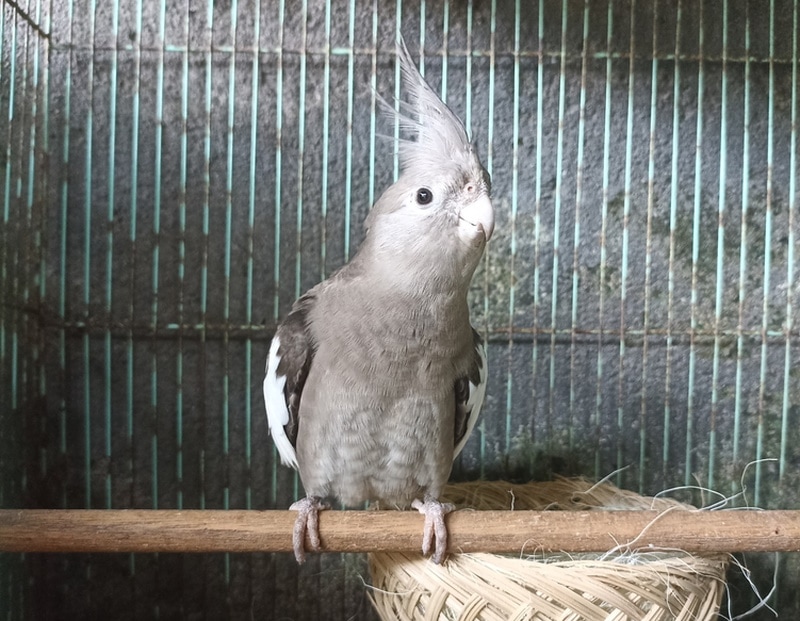
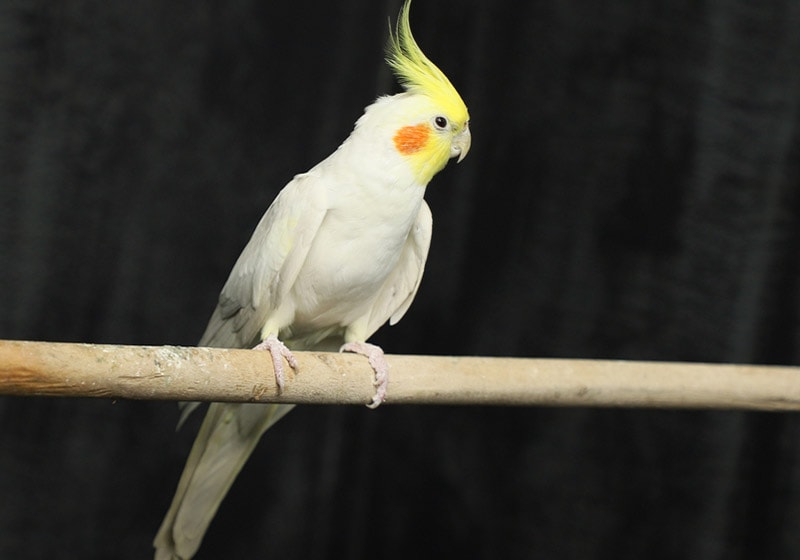
In mammals, albino animals are white with red eyes because they lack the pigment melanin. Birds have more than one, as evidenced by the many colors of their plumage. That explains why Lutino Cockatiels look the way they do. They aren’t white, although selective breeding can produce offspring of this color.
Does the Lutino Cockatiel Make a Good Pet?
The Lutino Cockatiel, like any other variation, makes a delightful pet for children and adults alike. They are easy to care for and relatively long-lived, with a lifespan of up to 25 years in captivity 4. These birds aren’t talkers like parrots. However, they can learn songs and even keep in sync with a beat. Cockatiels are intelligent birds and will fare best with toys and other opportunities for mental stimulation.
These birds are highly social. That applies just as much to captive pets as their wild counterparts. If you can’t spend time every day handling your Cockatiel, you should consider getting it a mate to prevent boredom 5 and self-destructive behavior, like feather plucking.
We recommend getting a cockatiel from a reputable breeder. A hand-raised bird will make an excellent pet since it is used to humans already. While they are chatty creatures, cockatiels don’t shriek like parrots, making them a good choice for apartment dwellers.
Conclusion
Cockatiels make entertaining pets with their whistling, singing, and funny antics. You’ll always know what’s on its mind by its vocalizations and crest position. They are the things that make them such endearing animal companions. With proper care, you’ll have the beginnings of a beautiful avian friendship with the beautiful Lutino Cockatiel.
Related Read: Emerald (Olive) Cockatiel: Pictures, Facts & History
Sources
Featured Image Credit: Miss Nachcha Chayapan, Shutterstock
Get Hepper In Your Inbox


Pet care tips from our vets and experts, straight to your inbox.
You may opt-out at any time. View our Privacy Policy for more information.

Chris is an experienced pet writer specializing in science topics, with a particular passion for health and the environment. She has been a writer for over 15 years and lives with her husband and three cats in Michigan.
Beyond writing about cats and dogs, Chris loves to learn about wine. She has WSET 1 and 2 certifications and is currently pursuing her Certified Wine Specialist Award (CSW).
Join the conversation
Ask a question, share your story, or send private feedback.