Hepper is reader-supported. When you buy via links on our site, we may earn an affiliate commission at no cost to you. Learn more.
Papillon Dog Breed: Info, Pictures, Traits, Facts & Temperament
Breed Overview
Height:
Weight:
Lifespan:
Colors:
Suitable for:
Temperament:
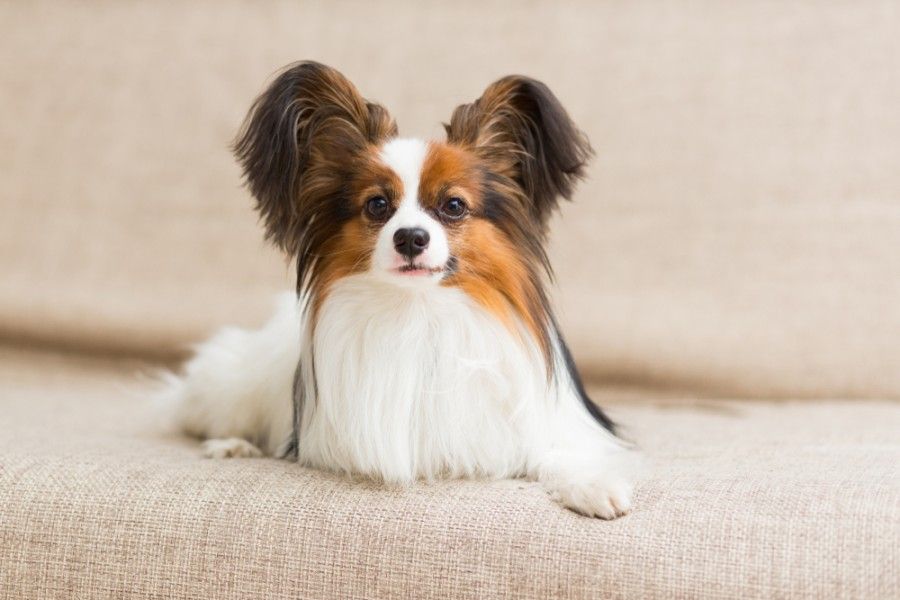
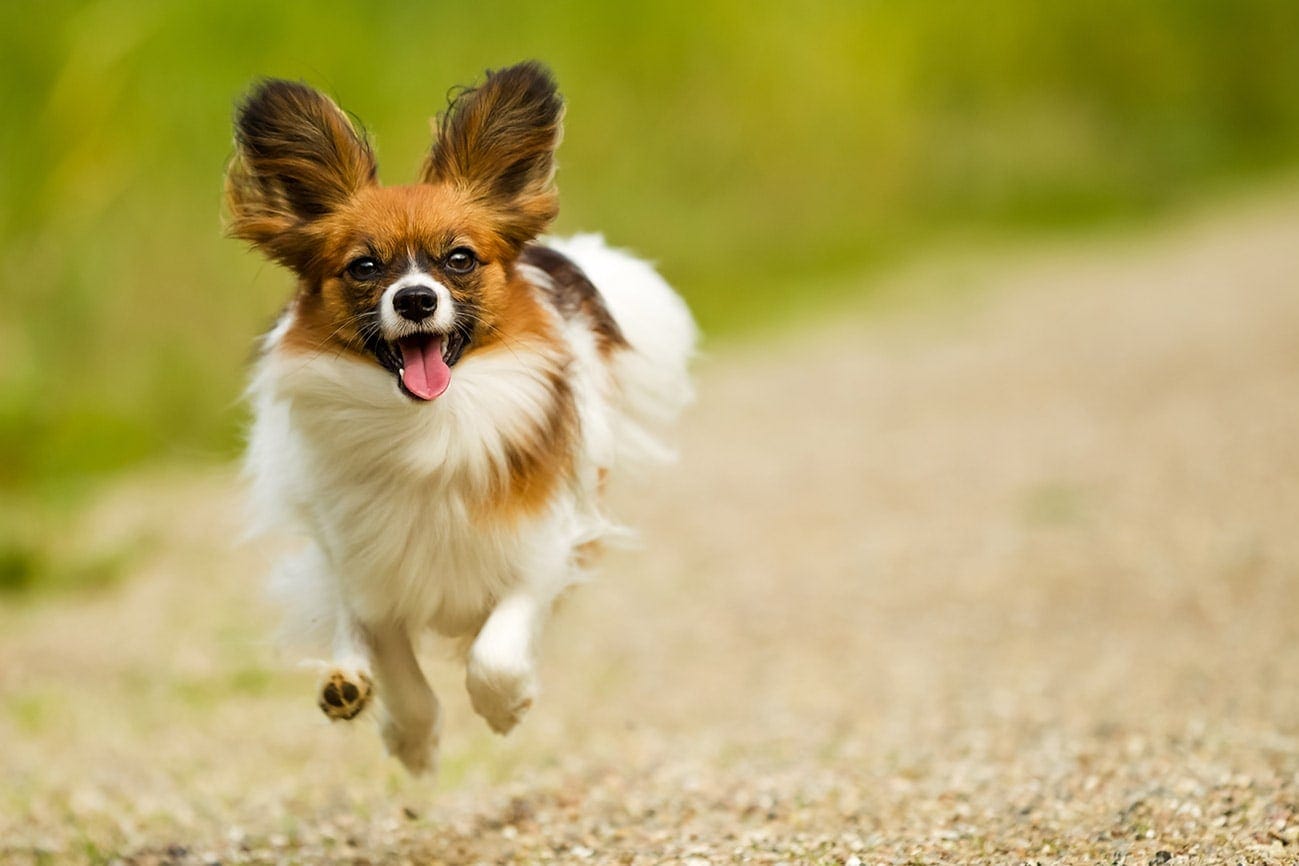
The Papillon has become one of the country's most adored small dog breeds, and for good reason. They have big personalities and a lot of love in a tiny, portable package! They are full of energy and are always ready to play, but they also adore human interaction and will happily snuggle up with you on the couch after a day of running errands.
Papillons desire attention from their owners and don’t do well in isolation. Luckily, their small size makes them perfect dogs to carry with you in your bag or your arms. They make excellent family pets, and with proper training and early socialization, Papillons can get along very well with children and other dogs.
They distrust strangers but have nothing but love to give to their families! We’ll discuss everything you need to know about these dogs below so you can decide if this is the right breed for you and your family.

Papillon Puppies
Papillon Characteristics
You will quickly realize that, even as puppies, Papillons require and crave your attention. They are very emotionally needy dogs, and you should be sure before committing to this breed that you have ample time every day to devote to showering your pup with love and affection.
You must also be prepared for training and socialization early on with Papillon puppies. They can develop what is commonly called “small dog syndrome.” This is characterized by stubbornness, a perception of dominance, and sometimes aggression.
If left untrained, your Papillon will happily take a leadership role in your home, which will likely cause them to disregard commands and act out with negative behavior. They are intelligent and easy to train, but you must put the time and effort into training beginning at an early age.
Lastly, many people believe that Papillons don’t need much exercise, partly because of their size but also because they seem to get a lot of energy out during playtime. However, you must give your pup at least 45 minutes of dedicated exercise each day, even if they are playful and exuberant outside of exercise time.
3 Little-Known Facts About the Papillon
1. They Have Been Around for Hundreds of Years
Papillons are believed to be descendants of Italian Spaniels, commonly referred to as Titian Spaniels, which were popular in the 1500s. The breed was further developed in the 1600s in France by King Louis XIV, who developed two lines of Toy Spaniels. One of the lines was the Papillon.
2. They Have a History With Royalty
Not only were Papillons believed to have been developed by the king of France, but they also lived with royal French families for centuries. Marie Antoinette, the last Queen of France before the French Revolution, reportedly owned a Papillon she held on her way to her execution in the late 1700s.
Papillons have been an integral part of royalty throughout history since then, and they have appeared as companion dogs to royal families in many paintings from the 17th and 18th centuries.
3. Their Name Means “Butterfly”
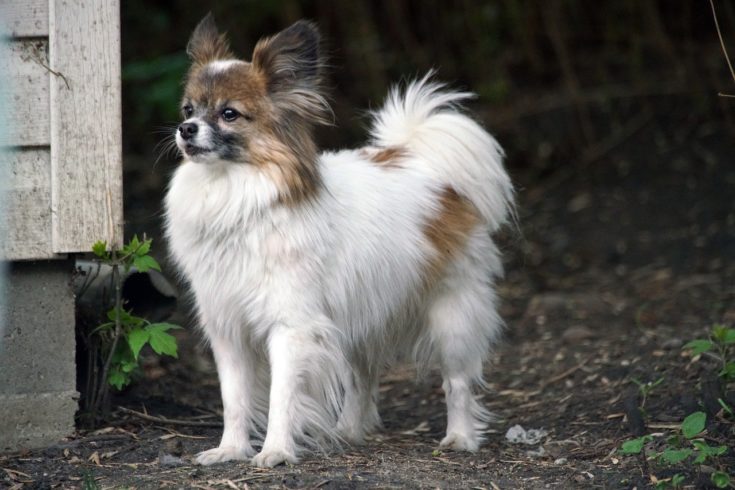
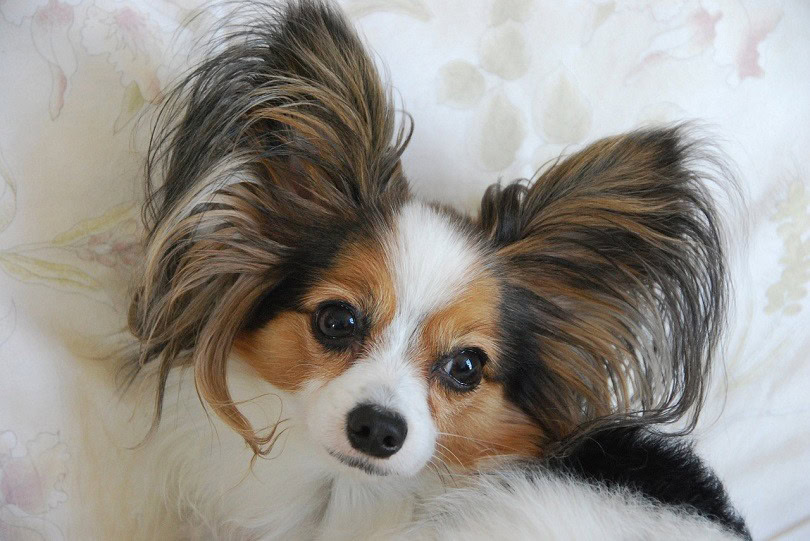
“Papillon” means “butterfly” in French, and they are often referred to as “butterfly dogs.” There are two variations of this Toy Spaniel descendant: one with perked-up ears (the Papillon) and one with floppy ears (the Phalène).
Papillons got their name because their ears resembled the wingtips of butterflies. “Phalène” translates to “moth” in French, and their ears unsurprisingly resemble moths' floppy, rounded wings.

Temperament & Intelligence of the Papillon 🧠
The Papillon can be the perfect companion dog, given how loving and affectionate they can be toward their owners. They love human interaction and are always ready to play or snuggle in your lap. They are very needy dogs that always want your attention, and you can trust that they will let you know when they don’t think they’re getting enough!
They can be wary around strangers but warm up to them quickly if they are properly socialized at a young age. They are spunky, energetic, playful, and inquisitive, and their curiosity and desire to be the center of attention will bring joy and laughter to just about any home.
Are These Dogs Good for Families? 🏡
Papillons are excellent family dogs as long as they are trained and socialized from a young age. They have a seemingly endless amount of affection, so they do best in families where there is always someone around to play with or get attention from. The more people you have in your home, the less likely your Papillon will ever be alone, and the happier they will be! They’ll gladly seek attention from any family member, so they’ll fit in well in just about any household.
Papillons are generally good with children, but again, it’s best if they are socialized with kids early on. You shouldn’t have any issues introducing your Papillon pup to your kids, but you should always keep an eye on them during playtime. Papillons are small and fragile, so make sure your children don’t play too rough with them.
Your Papillon will have a lot of energy, so as long as your children know to be delicate, they’ll fit in perfectly. If playtime does get too rough, your dog may snap or growl. Because they often distrust strangers, you’ll want to be extra careful if your kids have friends over.
Children playing can be perceived as a threat, and your Papillon, who often believes they are bigger than they are, may step in with barking, growling, or nipping. This kind of behavior is purely to protect your child and is not malicious, but nonetheless, you should separate your dog from any play dates your kids have.
Lastly, as we mentioned, these pups can quickly develop “small dog syndrome,” so you will want as many family members as possible to pitch in on training. The more people you have on board with obedience training in your home, the better adjusted your Papillon will be.
Does This Breed Get Along with Other Pets? 🐶 😽
A Papillon’s love will extend beyond their human owners to their canine brothers and sisters. Especially if early socialization is adopted, your pup will likely have no issues with other dogs living in your home. This positive attitude toward other canines will also extend toward those they meet on walks or at dog parks.
It’s important to note that, just like with kids, you’ll want to watch your Papillon when they interact with other dogs. Papillons are small and delicate, and larger dogs can unintentionally hurt them. Be mindful during playtime with other dogs, and know that your pooch may act out a bit with growling or barking if they get hurt or feel intimidated by larger dogs.
Because the Papillon’s ancestors were originally bred for hunting, they have a moderate prey drive. While it’s usually not an issue, you may find they take too much interest in cats, rabbits, hamsters, and other small pets. This can easily result in your dog chasing and pinning down other small animals, which you’ll, of course, want to avoid.
With early socialization, you likely won’t have any problems, but you should be on the lookout in case you have other small pets. Their prey drive can also be an issue on walks or during outings. Your Papillon may try to chase a squirrel or other small animal at any moment, so always have them on a sturdy harness and leash that they can’t back out of easily.

Things to Know When Owning a Papillon:
Food & Diet Requirements
Papillons are small in size and stature, and their diet will reflect that. Expect to feed your pup about a ¼ cup to ½ cup of dry dog food each day and split it into two meals daily to maintain their energy levels. The food you choose should be formulated for small or toy-sized dogs with a moderate energy level.
As with many small dog breeds, Papillons are prone to weight gain, so overfeeding can be a problem. If you notice uncharacteristic weight gain, reduce the volume of food or consult your vet for proper feeding portions.
Exercise 🐕
The idea that Papillons’ small size means they don’t need a lot of exercise is inaccurate, and you should be prepared to dedicate about 45 minutes daily to walking or exercising them outdoors.
Papillons have a fairly high energy level throughout the day and are willing to run and play outside of their dedicated exercise time. It’s important to note that indoor play should not replace their daily walks.
You never want to under-exercise your dog, especially with this breed. Papillons can exhibit destructive behavior if they don’t have a positive outlet for their energy, so make sure you and your family can get into a daily exercise routine outside of playtime.
The only exception to the daily 45 minutes of exercise should be when your Papillon is a puppy. They're prone to several joint issues, including patellar luxation and hip dysplasia, and puppies whose joints are still developing are especially prone to these problems.
For the first six to eight months, take your pup for a short, 15-minute walk each day instead of the 45 minutes you’ll adapt to when they’re adults. At all stages, exercise on soft surfaces like grass or dirt is better for your dog’s joints and will limit the health problems associated with their hips and knees.
Training 🦮
Papillons are intelligent and attentive, and these traits lead to a dog that is easily trained. They pick up on commands and tricks quickly, and as long as you are consistent with training, you’ll have no problems turning your Papillon into a well-behaved, obedient pup.
Be prepared to be firm and persistent in training so you can prevent your dog from becoming too stubborn. You also need to remember that Papillons are emotional and can be sensitive. When training, they respond best to positive reinforcement for good behavior.
You should refrain from raising your voice and always keep as calm and positive as possible. Use affection and treats to reward good behavior and be delicate but stern when any bad behavior is exhibited.
As long as you’re prepared to put some time and effort into training and teaching, Papillons are suitable even if you have no experience owning or training dogs. Just be prepared to maintain a positive leadership position for your pup.
Grooming ✂️
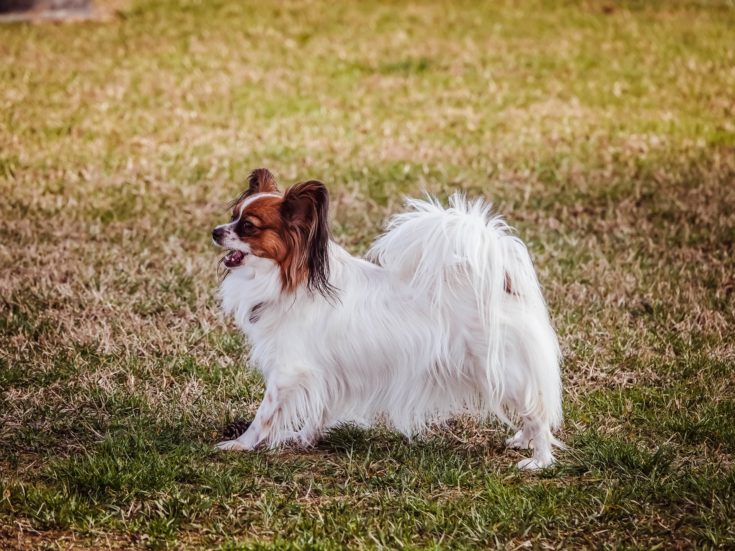
Papillons have long, straight fur and need regular grooming. To avoid matting and tangling, use a wire brush or comb on your pup about once a day. Any matting you find can simply be brushed out or separated by hand. While you need to spend time brushing each day, bathing won’t be time-consuming for this breed.
They have fur that resists dirt, and they groom themselves often, so they rarely give off bad odors. You can bath your pup if they get dirty while playing outside, but routine bathing isn’t necessary. If you want to bathe your dog, only do so every few months, as frequent bathing can deplete natural skin oils that keep your dog’s skin and fur healthy.
Perhaps because they are often viewed as very prim and proper dogs, many believe they are groomed to have that perfect, clean look. However, they don’t need grooming or trimming because they shed naturally. Although Papillons have long fur, the shedding won’t be overwhelming because their fur is relatively sparse.
Papillons are prone to ear infections, and it's best to wipe out any debris or wax build-up from their ears once a week or so. You’ll also want to brush your Papillon’s teeth about once a week, as they are prone to dental issues and that instantly recognizable dog breath. Providing toys that maintain dental hygiene will also prevent bad breath and tooth and gum issues.
Health Conditions ❤️
Papillons are fairly hearty dogs despite their small size and often live long, healthy lives. As with all breeds, there are some issues you should look out for, and you should still schedule regular vet checkups just to ensure your pup stays as healthy as possible.
Male vs Female
Male Papillons are marginally heavier and can weigh up to about 2 pounds more than females. You may find that males are a bit more prone to small dog syndrome and distrustful of strangers. You may also find that females have a lower prey drive and get along with cats and other small animals more readily.
For the most part, the temperament and behavior of your Papillon won’t depend too much on their sex, and both sexes are loving and friendly.
Final Thoughts
It’s no wonder Papillons are such a popular small dog breed since they are full of love, affection, and curiosity. They have prominent personalities, and they will bring joy and happiness to any home they are introduced into.
These are sensitive and emotionally needy dogs more than anything else, so while you’ll need to set aside time for daily exercise, grooming, and training, attention from you and your family members is what this dog will seek most. They don’t do well if left alone for too long, and they’ll crave your attention constantly.
The Papillon is a wonderful family pet that gets along well with children, adults, and other animals. As long as you and your family have the time and patience for training and affection, this could be the perfect breed for you!
See Also:
Featured Image Credit: Pxfuel
Get Hepper In Your Inbox


Pet care tips from our vets and experts, straight to your inbox.
You may opt-out at any time. View our Privacy Policy for more information.

Nicole is a lover of animals of all sizes but is especially fascinated with the feline variety. She’s the proud mom of Baby, a Burmese, and works every day so he can relax in the sunshine or by the fire. She’s always had a cat in her home and has spent countless days with others, observing behaviors and softening up even the grouchiest of the lot. Nicole wants to share her kitty expertise with you so you and your cat can live happy, healthy, and care-free.
Join the conversation
Ask a question, share your story, or send private feedback.