Hepper is reader-supported. When you buy via links on our site, we may earn an affiliate commission at no cost to you. Learn more.
How to Train a Papillon: 16 Expert Tips & Advice
In this article
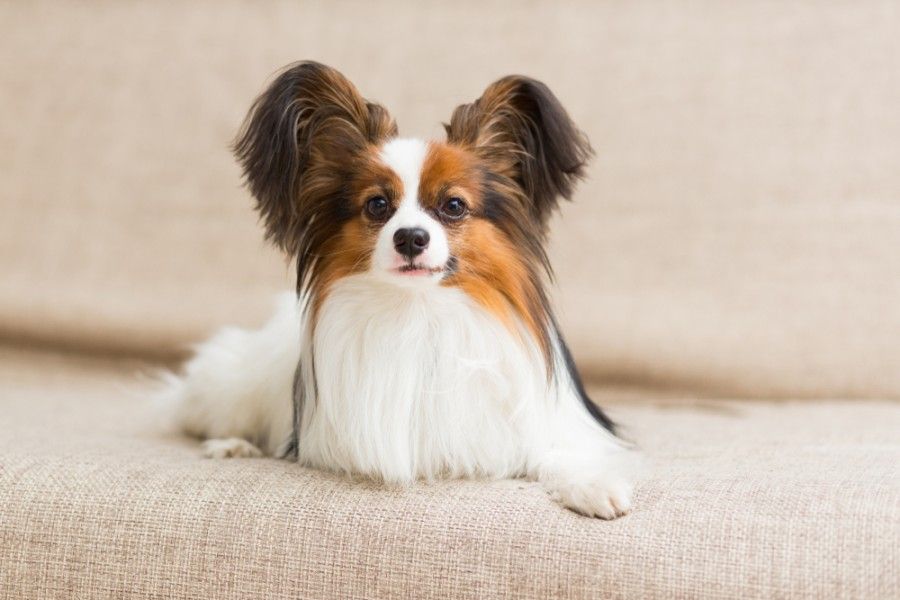
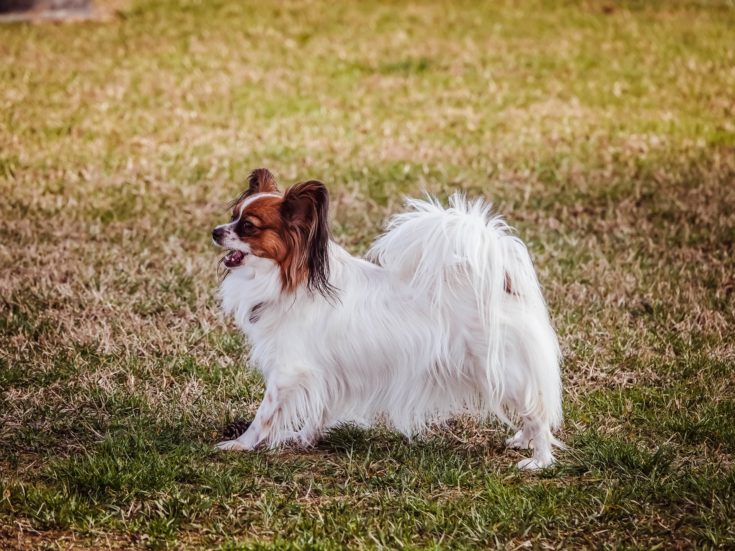
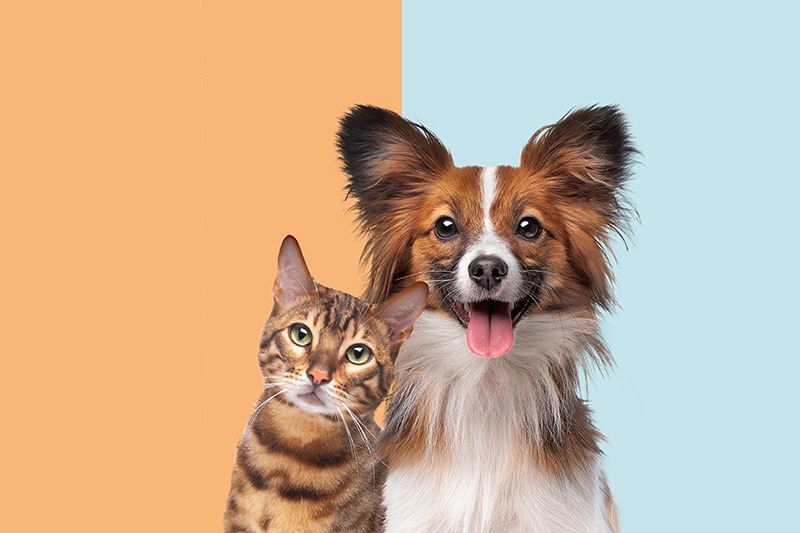
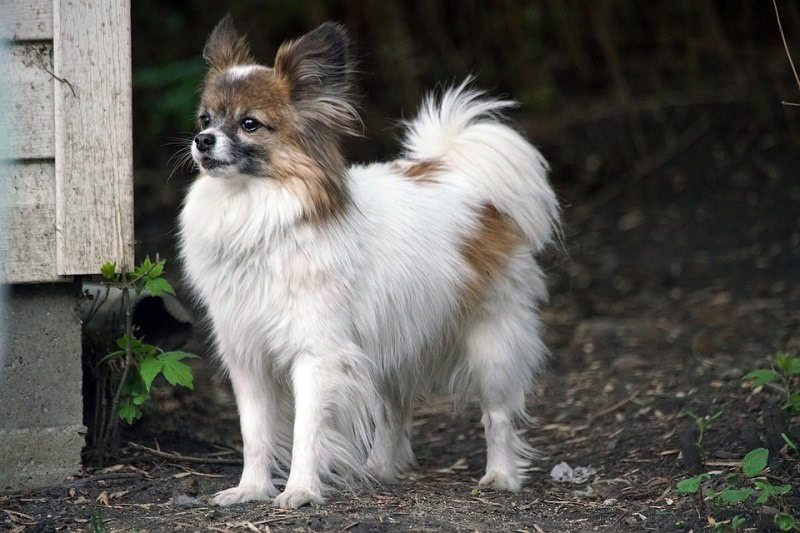
The Papillon, also known as the Continental Toy Spaniel, is a small, friendly, and intelligent breed. They are known for their distinctive butterfly-like ears, from which they get their name – 'Papillon' is French for 'butterfly'. This breed is highly energetic and requires plenty of mental and physical exercise to keep them happy. Papillons have an outgoing and sociable temperament, making them great companions. If you’re the proud new owner of a Papillon and need some tips for training them, we’re here to help!

Before You Begin
Before you embark on the rewarding journey of training your Papillon, there are a few things you should know.
- Patience Is Key: Training any dog breed requires patience. Remember that your Papillon is learning and it's normal for them to make mistakes. Be patient and consistent in your training efforts.
- Health Check: Ensure your Papillon is healthy before beginning any training program. Any underlying health issues could affect their ability to learn or perform certain tasks.
- Commitment: Training your Papillon is a commitment. It requires time, effort, and consistency. Make sure you're ready to commit to the process.
- Positive Attitude: Maintaining a positive attitude is essential. Your Papillon will pick up on your emotions, so keep the training sessions upbeat and enjoyable.
Preparation
Before starting your training sessions, it's crucial to be well-prepared. Here are some steps you can take to ensure everything goes smoothly:
Here are some steps you can take to ensure everything goes smoothly:
If you still need help with training your dog, we suggest speaking to an online vet for tips and tricks.

The 10 General Tips for Training Your Papillon
1. Start Early
It's beneficial to begin training your Papillon as soon as they join your family. Given their quick learning abilities, early training can help instill proper habits and behaviors from the start. The sooner you start, the easier it will be for your Papillon to understand and adhere to the rules of their new home.
2. Consistent Housebreaking
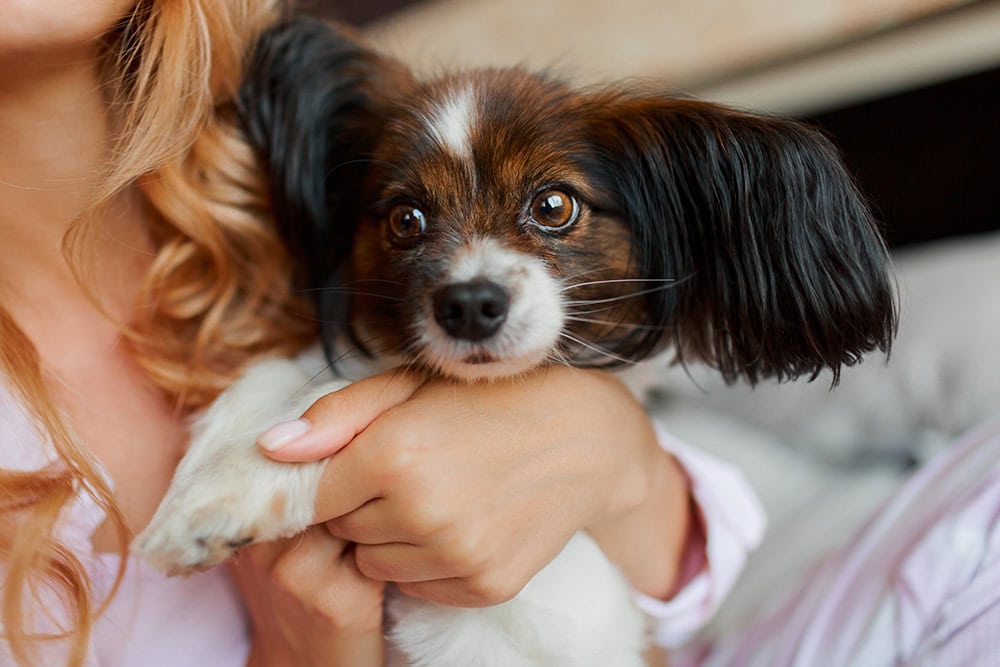
Consistency is key when it comes to housebreaking your Papillon. Establish a routine where you take them outside at regular intervals, especially after meals, playtime, and sleep. Always praise them when they relieve themselves in the correct place. This positive reinforcement will encourage them to repeat this good behavior.
3. Positive Reinforcement
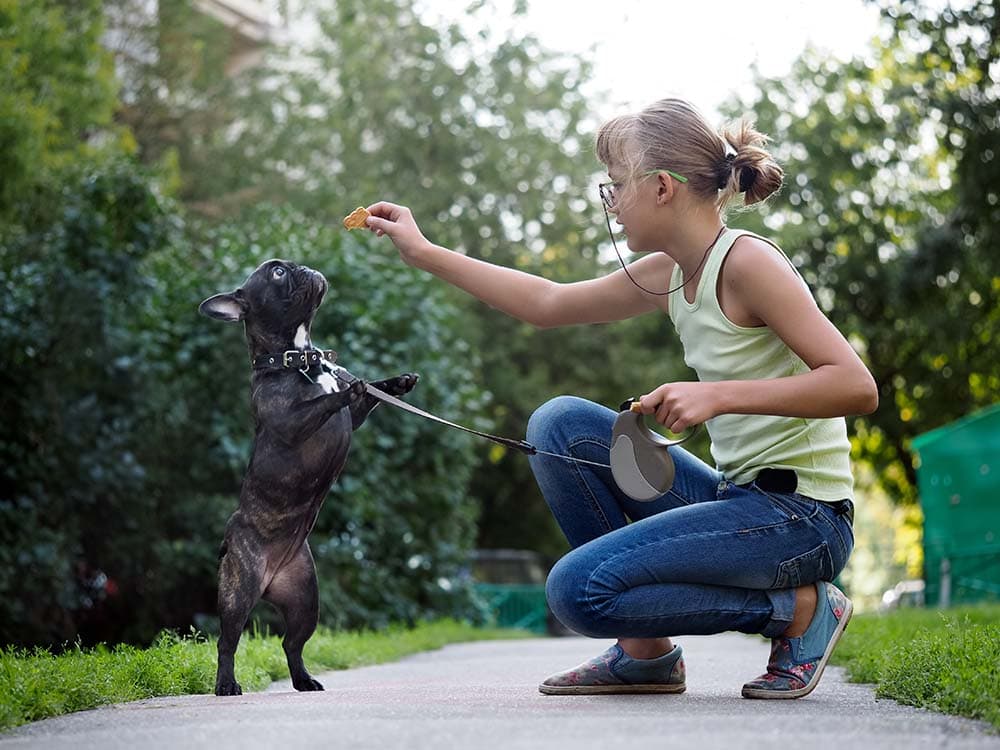
Papillons respond well to positive reinforcement training methods. Whenever your dog exhibits desirable behavior, reward them with something they love such as treats, praise, or a favorite toy. This will motivate them to repeat the behavior in the future.
4. Socialization
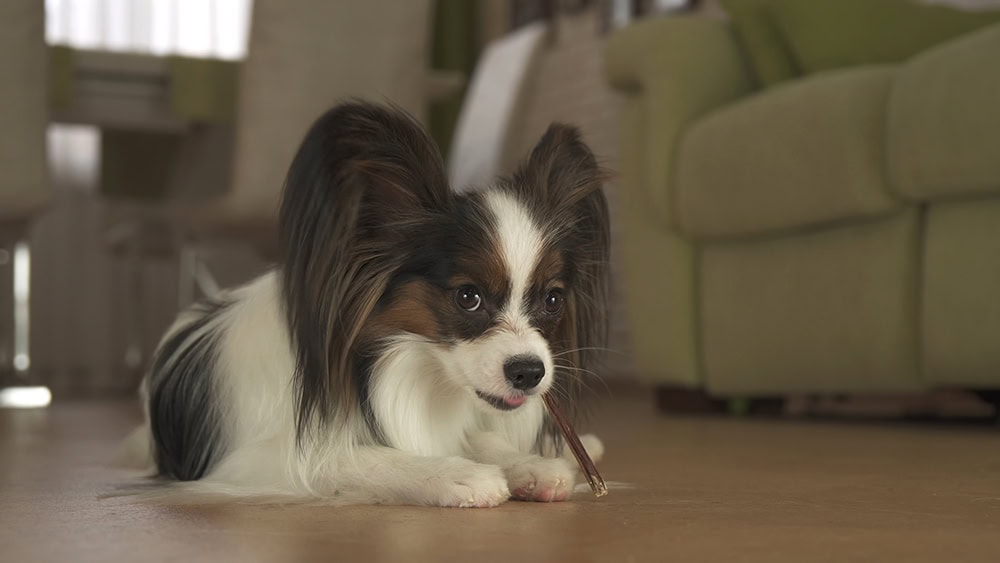
Socializing your Papillon is essential to develop their sociability and confidence. Gradually expose them to a variety of people, animals, places, and experiences. This will help them become well-adjusted adults who are comfortable in different situations.
5. Obedience Training
Teaching basic commands like 'sit', 'stay', and 'come' is crucial. Be patient and consistent while teaching these commands. Start with short training sessions and gradually increase the duration as your Papillon becomes more comfortable and responsive.
6. Behavioral Correction
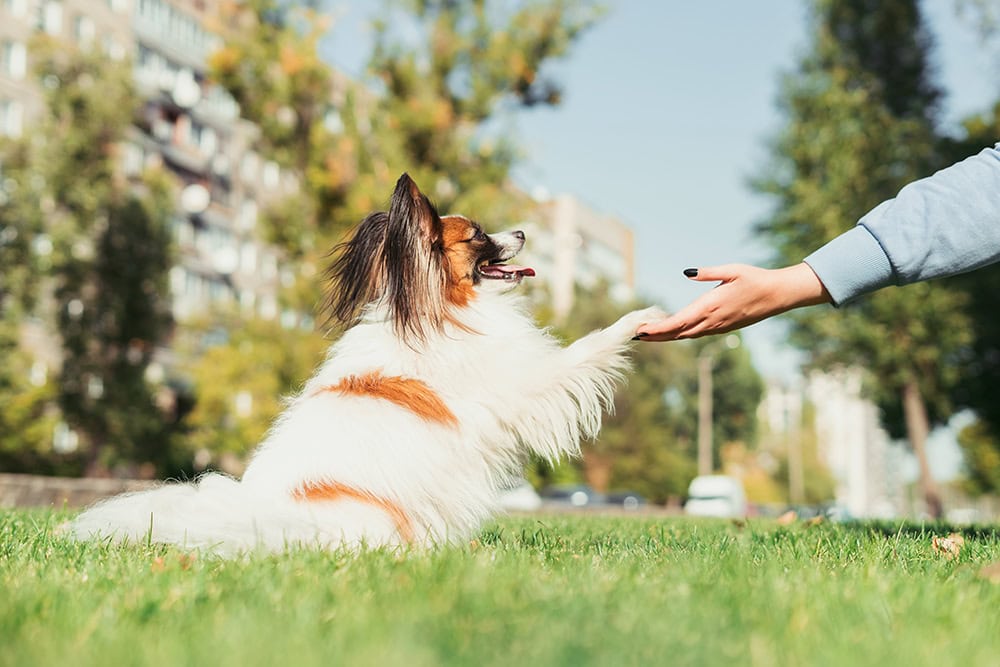
If your Papillon develops any undesired behaviors such as excessive barking or chewing, address them immediately. Use distraction and redirection techniques to steer them away from negative behaviors. Remember to reinforce good behavior with rewards to show them what is expected.
7. Leash Training
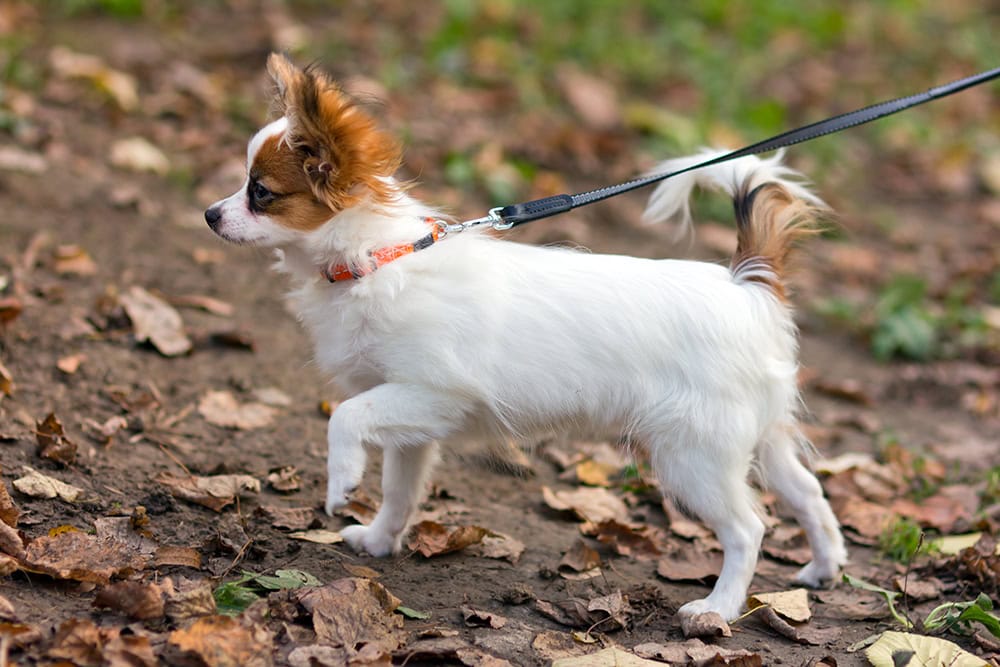
Leash training is important for the safety and control of your Papillon. Start by allowing them to get used to the leash in a familiar, controlled environment. Gradually increase the distractions as they become more comfortable walking on the leash without pulling.
8. Mental Stimulation
Papillons are intelligent dogs that thrive on mental stimulation. Utilize puzzle toys, interactive games, and training exercises to keep their minds active. This not only provides entertainment but also enhances their problem-solving skills.
9. Agility Training
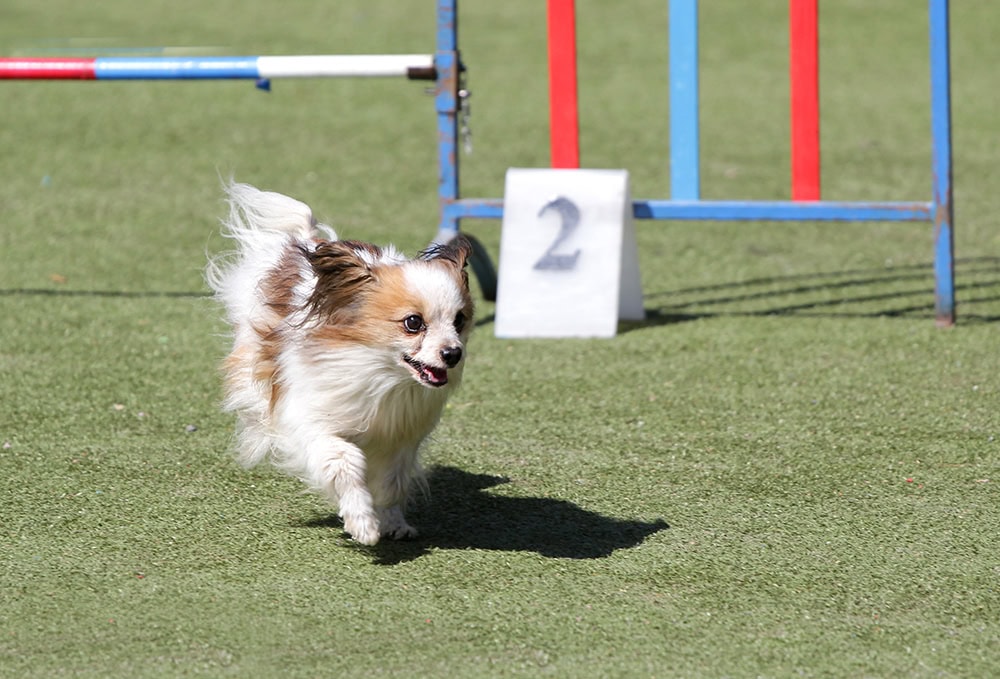
Due to their high energy levels and agility, Papillons often excel in agility training. This involves navigating various obstacles, which can provide both physical exercise and mental stimulation. Consider enrolling your Papillon in a local agility class or setting up a mini agility course at home.
10. Regular Exercise
Regular physical activity is vital for your Papillon's health and happiness. Engage them in daily walks, play sessions, and other forms of exercise to help them burn off energy. This will also aid in preventing behavioral problems that could arise from boredom or pent-up energy.

The 6 Tips on How to Train Your Papillon to Sit
Training your Papillon to sit on command is one of the most basic and essential skills for any dog. Here's a step-by-step guide on how to achieve this:
1. Get Their Attention
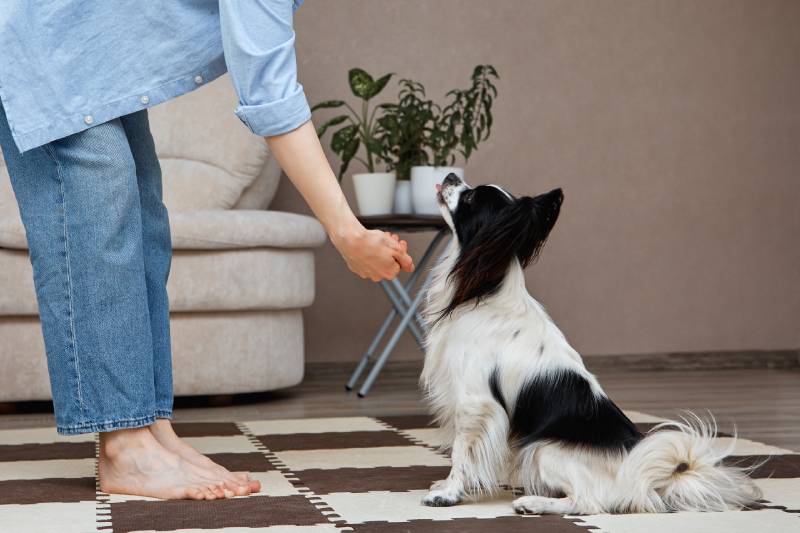
The first step in training your Papillon to sit is to get their attention. You can do this by holding a treat in your hand or simply calling their name.
2. Use the Treat as a Lure
Once you have your Papillon's attention, hold the treat above their nose but just out of reach. Your pup will naturally want to follow the treat with their eyes and nose, which will lead them to look upwards.
3. Introduce the 'Sit' Command
As your Papillon is looking up at the treat, their rear end will naturally go down into a sitting position. As soon as this happens, say "sit". This will help them associate the action with the command.

4. Reward Your Papillon
Once your Papillon sits, immediately give them the treat and lots of praise. This positive reinforcement will encourage them to repeat the behavior in the future.
5. Practice Consistently
Repeat these steps several times a day. The key to successful training is consistency and patience. Over time, your Papillon will learn to associate the command 'sit' with the action and the reward.

6. Gradually Phase Out the Treat
Once your Papillon begins to understand and respond to the 'sit' command consistently, gradually reduce the use of treats. Eventually, your Papillon should be able to respond to the command without the need for a treat every time.
Remember, all dogs learn at their own pace. If your Papillon doesn't pick up the 'sit' command immediately, don't worry. Just be patient, keep sessions short and fun, and always end on a positive note. With time and consistent practice, your Papillon will be a superstar!

FAQs About Training Papillons
Q: Are Papillons easy to train?
A: Yes, Papillons are highly intelligent and eager to please, making them relatively easy to train.

Q: What kind of treats should I use for training?
A: Use small, low-calorie treats that your Papillon loves. Variety helps keep them interested.
Q: How can I stop my Papillon from barking excessively?
A: Determine the cause of the barking, then use distraction or redirection techniques. Consistency is key in curbing this behavior.
Q: Can Papillons be trained to get along with other pets?
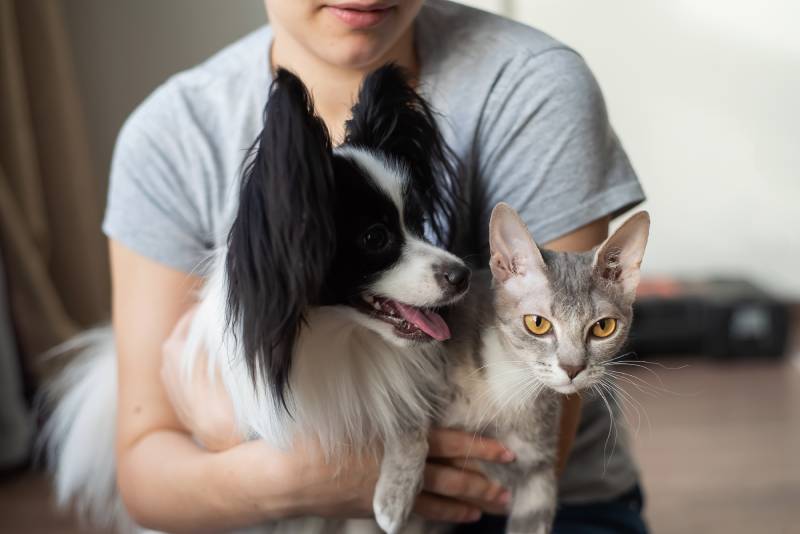
A: Yes, with proper socialization from a young age, Papillons can get along well with other pets.
Q: Are Papillons good with children?
A: Papillons can be great with children, provided the child is taught to respect the dog.
Q: Can I train my Papillon to do tricks?
A: Absolutely! Papillons are intelligent and agile, making them great at learning tricks.
Q: At what age should I start training my Papillon?
A: You should start training your Papillon as soon as you bring them home, usually around 8 weeks old.
Conclusion
Papillons are intelligent, lovable, and energetic little dogs that make great companions. With the right training approach, a little bit of patience, and a lot of consistency, you can help your Papillon become a well-mannered and obedient pup. Plus, how cute is a dog rolling over or sitting? So cute! So, whether it's learning basic commands or more complex tricks, these basic tips will help you engage your furry friend and help them reach their full potential!
Featured Image Credit: Sand Diana, Shutterstock
Get Hepper In Your Inbox


Pet care tips from our vets and experts, straight to your inbox.
You may opt-out at any time. View our Privacy Policy for more information.

Nicole is a lover of animals of all sizes but is especially fascinated with the feline variety. She’s the proud mom of Baby, a Burmese, and works every day so he can relax in the sunshine or by the fire. She’s always had a cat in her home and has spent countless days with others, observing behaviors and softening up even the grouchiest of the lot. Nicole wants to share her kitty expertise with you so you and your cat can live happy, healthy, and care-free.
Join the conversation
Ask a question, share your story, or send private feedback.