Hepper is reader-supported. When you buy via links on our site, we may earn an affiliate commission at no cost to you. Learn more.
Abscesses In Cats: Vet Approved Signs, Causes & Care


In this article
When you bring a cat into your home, you know just how vital routine vetting is to get ahold of health issues as they arise. But when it comes to those incidents that pop up with no warning, it might catch you off guard.
If your cat has developed a blister-like marking or swelling on their skin, you may wonder about an abscess. But what exactly is an abscess, what do they look like, and how do they happen? An abscess is a pocket of pus that collects in injured places inside and on the body, but typically under the skin.
We will review all this information—and tell you when you should see a vet.

What Is an Abscess?
An abscess is a pocket of pus that collects in injured places inside and on the body, generally on or under the skin. Abscesses can range in size from very small to large, depending on the type of infection and how it's gotten into the body. They usually appear suddenly and can be either soft or firm. Bacteria cause most abscesses under the skin, but they can also be internal inside the body, and many will require veterinary attention.
What Are the Signs of an Abscess?
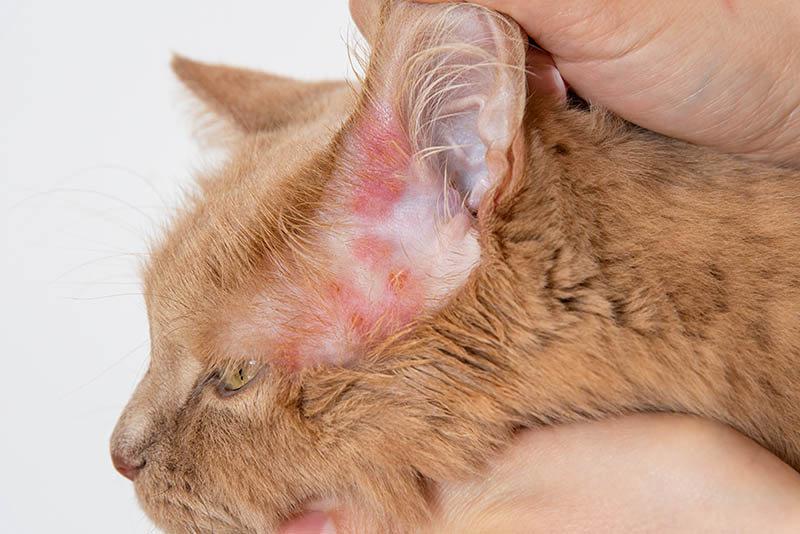
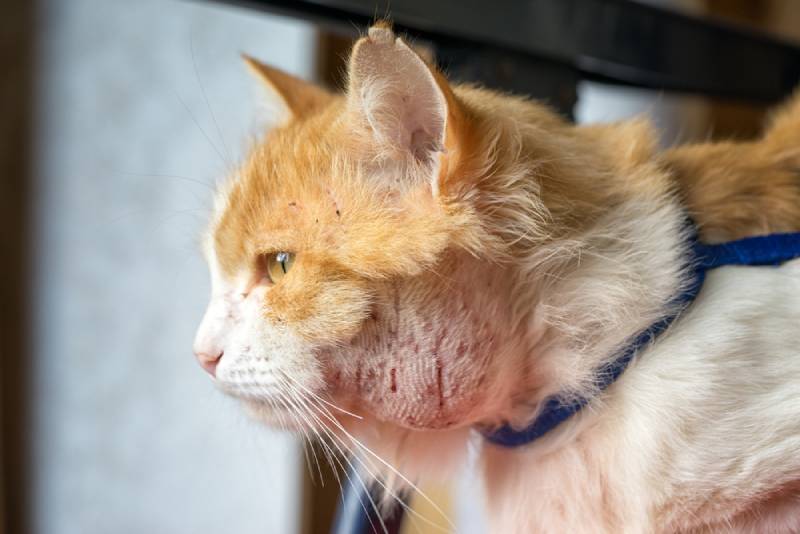
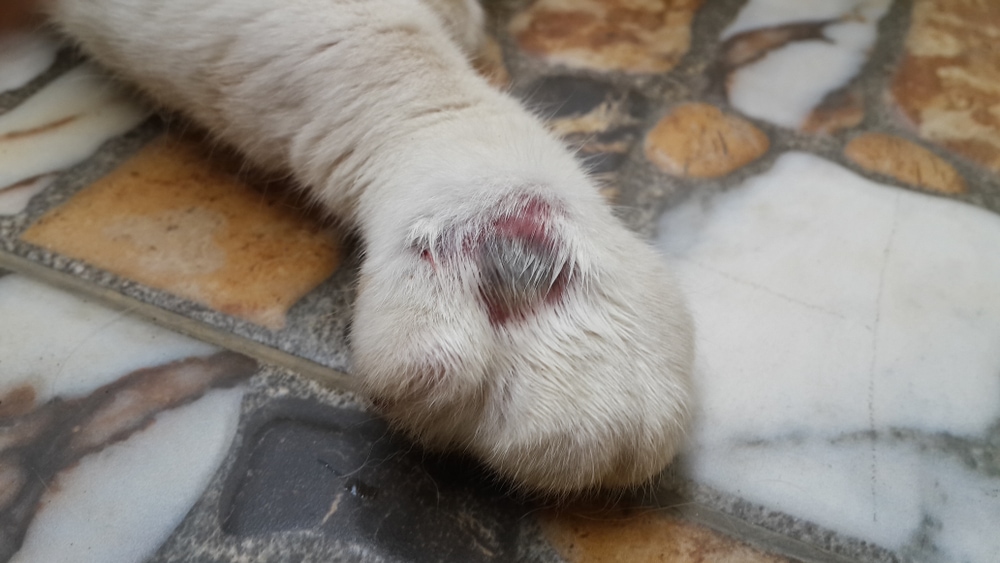
If the abscess is on your pet's skin, it usually looks like a warm swelling or lump, open sore or pus-filled pocket, sometimes covered by a scab. The hair around the abscess might be missing, but it can also be matted or unkempt in the area. Because there is an infection, it may ooze pus and/or blood. These areas may have a foul-smelling odor.
As the abscess swells, your cat may run a fever before it bursts and become very lethargic. If you are worried about your cat, please contact your veterinarian for advice.
Signs of an abscess include:
What Are the Causes of Abscesses?
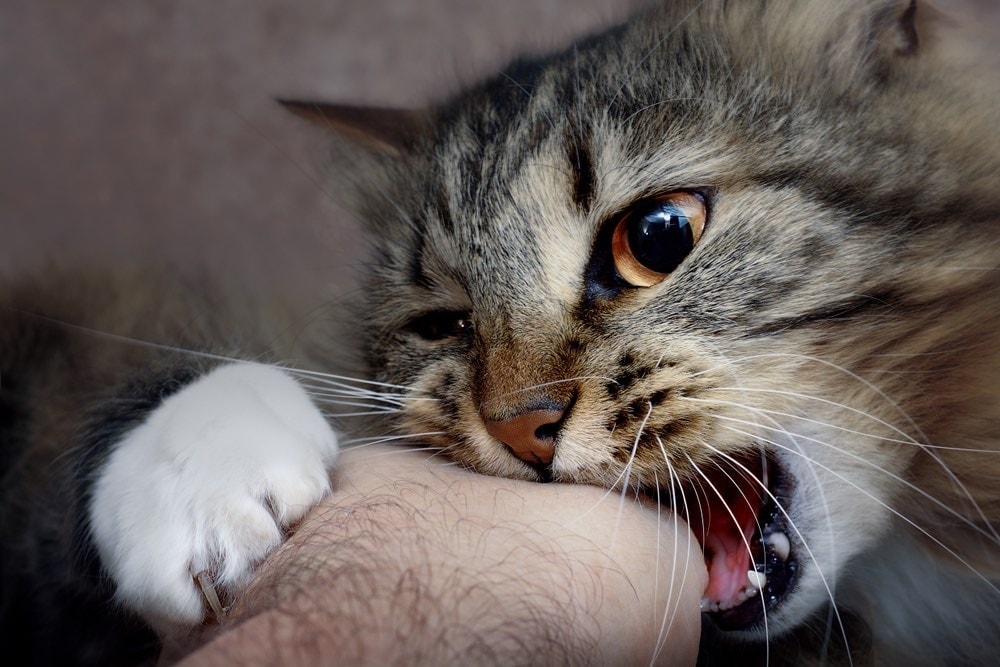
Typically abscesses develop on cats due to a puncture, the presence of foreign material under the skin such as grass seeds, or scratches and bites on the skin inflicted by other animals. Your cat might have gotten in an altercation with another cat or gotten hurt when they were out and about. Regardless of the root cause of injury, an abscess can develop on-site days to weeks after the initial incident.
How Do I Care for a Pet with an Abscess?
Abscesses can be very painful. If your cat has an abscess, the root of care will depend on the severity and cause of the infection. No matter the size of the abscess, we advise that you have your cat examined by a vet.
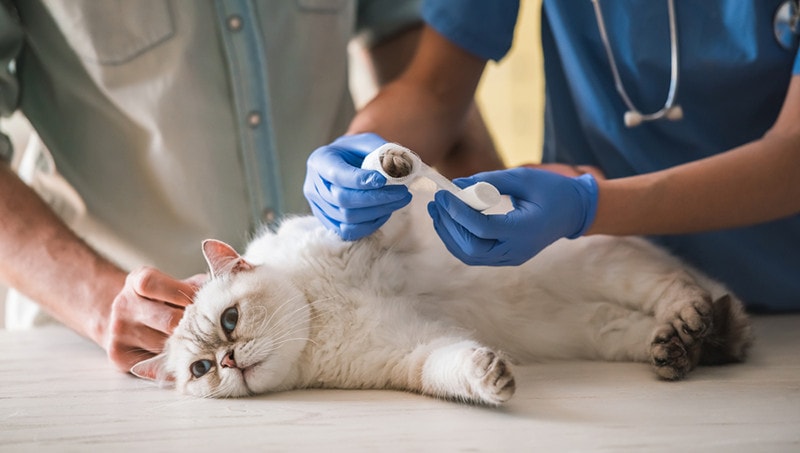
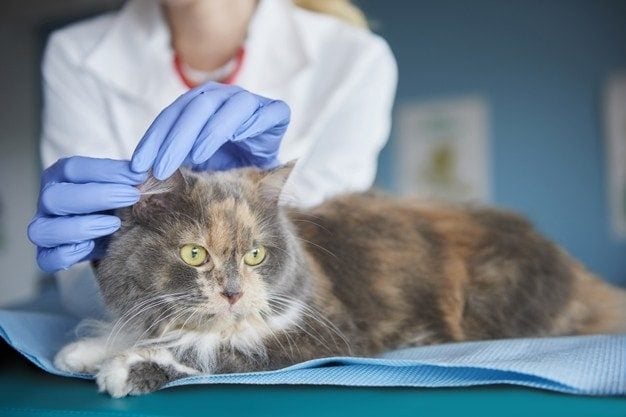
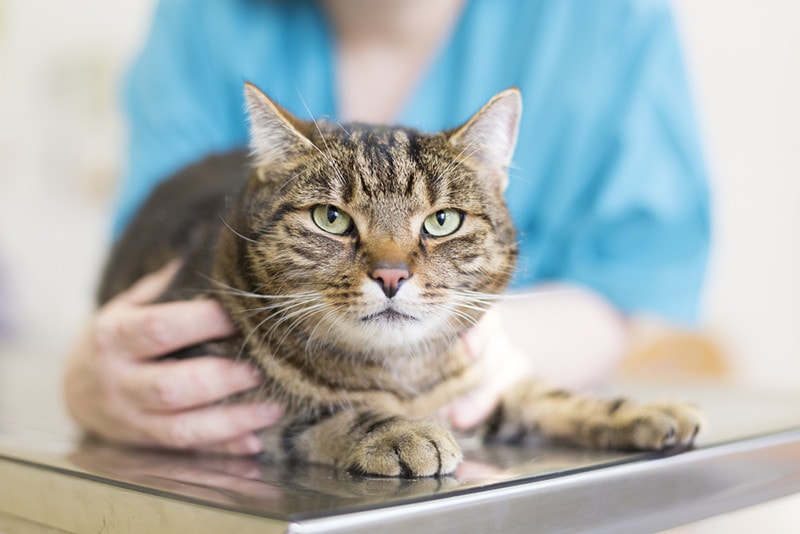
Typically, when you take your cat to the veterinarian for an abscess, they will assess the area, drain the pocket of pus (sometimes surgically), flush it with saline, and clean it with an antiseptic solution. Your vet might prescribe an antibiotic to treat bacterial infection in the body and provide pain relief, ensuring that your cat is comfortable and the inflammation can be reduced. There might be some wound home care instructions for you as well, to ensure that the area is healing well and staying clean.
Frequently Asked Questions (FAQs)
Can you treat your pet’s abscess at home?
It is always best to have your cat examined by the vet, as an abscess can easily worsen or can actually contain a foreign material in the pocket of pus. Often, your vet will have to drain the area, removing all of the infection and pus with flushing, in addition to topical and systemic treatments that your cat might require.
Depending on the severity of the infection, after the vet appointment, you can continue to treat mild abscesses at home according to instructions from your vet while monitoring that the wound is healing adequately. If your pet's abscess seems to be worsening, make sure to make an appointment with your vet straight away.
How do you treat an abscess at home?
If your vet verifies you can take care of the infection at home, you can typically follow these steps to ensure it heals properly.
- Carefully trim away hair from the affected area so you can prevent debris and bacteria from contaminating the wound.
- Apply a clean, warm, wet cloth to the site. You can also use a warm compress. Press it to the wound for roughly 60 seconds at a time.
- Do not apply rubbing alcohol or hydrogen peroxide to the site of the wound. Instead, use warm soap and salty water.
What happens if an abscess goes untreated?
A simple infection can sometimes turn deadly if it is not treated with the proper medications. If an abscess goes untreated, it can cause a severe internal infection. These sorts of infections can spread to other parts of the body, including bodily organs.
That is why it is so important to observe any changes that indicate the abscess is worsening and get in touch with your vet.
What kinds of abscesses can cats get?
In addition to abscesses under the skin, cats can develop them in other body parts due to various causes—like brain, tooth, liver, and lung abscesses.
Conclusion
If you think that your cat has an abscess, use your best judgment. We recommend you always contact your vet, as even a small abscess can cause issues in your feline and make them feel poorly and uncomfortable. Your vet will ensure the abscess is treated adequately, while giving you clear instructions on how to care for your feline at home. More importantly, if your cat is suffering from an internal infection, it can cause a lot of problems in their body. So, make sure to administer any medications your vet prescribes and follow at-home care instructions to ensure a successful and speedy recovery.
Featured Image Credit: Elena11, Shutterstock
Get Hepper In Your Inbox


Pet care tips from our vets and experts, straight to your inbox.
You may opt-out at any time. View our Privacy Policy for more information.
Ashley Bates, a freelance writer with a passion for pets, is currently studying animal therapy. She is a mother to four children and 23 pets, both furry and feathery. Ashley actively volunteers at local shelters, advocates for animal welfare, and rescues animals in distress. Her mission is to promote awareness, education, and entertainment about pets to help prevent animal homelessness. She specializes in the care and well-being of dogs and cats.
Join the conversation
Ask a question, share your story, or send private feedback.