Hepper is reader-supported. When you buy via links on our site, we may earn an affiliate commission at no cost to you. Learn more.
Should You Pick Scabs Off Cats? (Vet Answer)
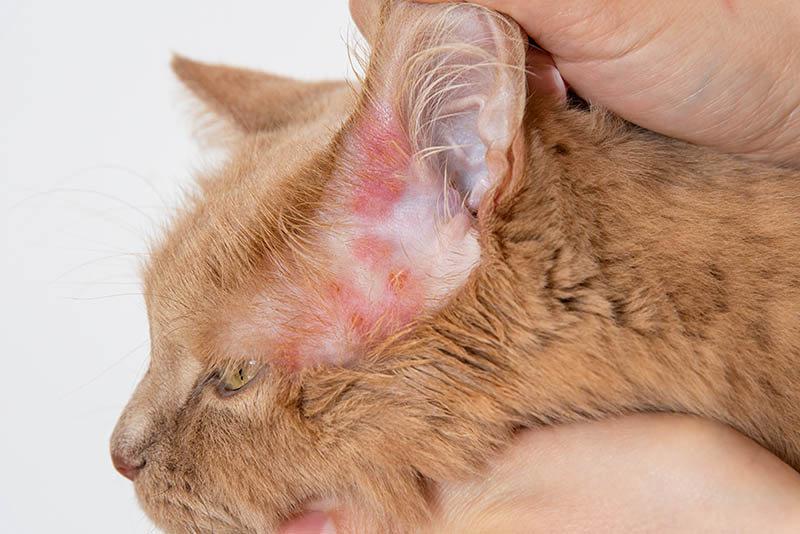
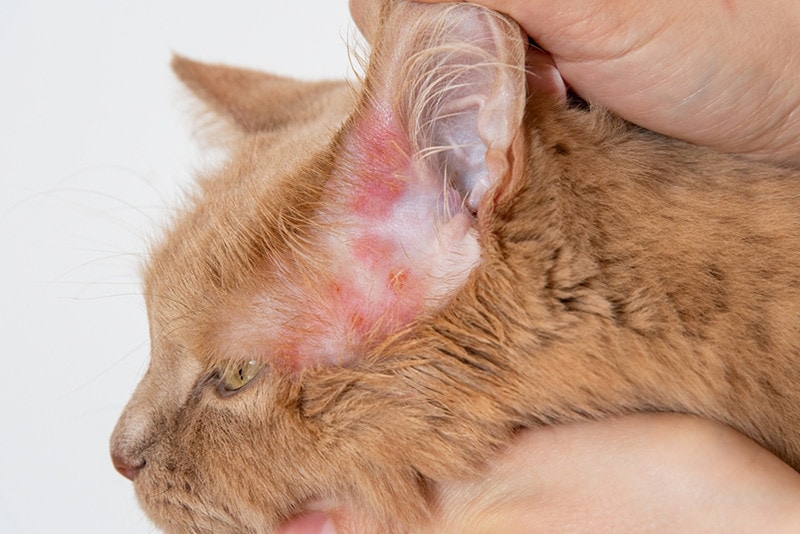
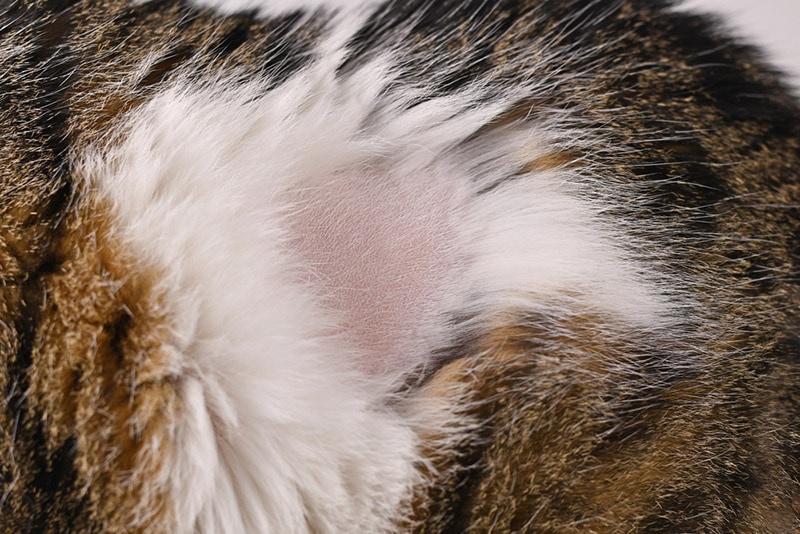
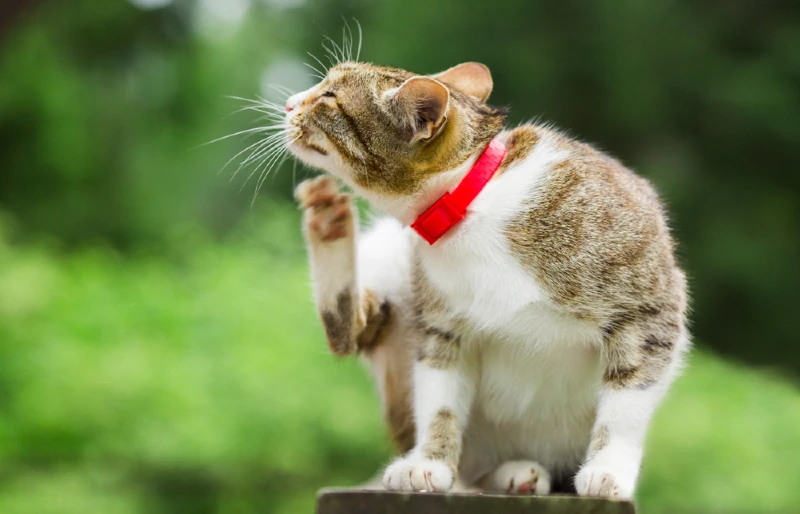
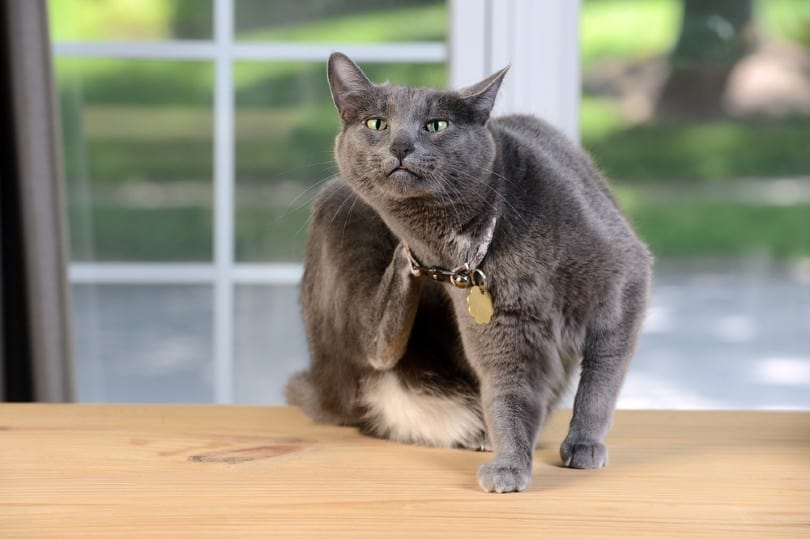
You feel a bump on your cat’s skin, and your natural inclination is to remove it. They may scratch at it, seemingly uncomfortable, which may further your desire the help them feel better. Get rid of the scab, get rid of their discomfort, right? Not always. If you find scabs on your cat, don’t pick them. Instead, it's best to let them be.
Sometimes, itching and discomfort associated with scabs are a sign that they are ready to fall off. However, sometimes scabs represent deeper skin issues, and rather than removing them, which can cause further damage, the underlying issue should be addressed instead.
Read on to learn more about scabs in cats, what causes them, and what to do about them. And, whether or not you should pick them off your cat!

What Are Cat Scabs?
Scabs on cats are not normal, and should not be expected.
Scabs represent a healing process of the skin. Therefore, anything that can cause damage to the skin can result in a scab. Think of them a bit like band-aids made by the body: they protect the skin while it heals from underneath.
When injury damages the surface of the skin, platelets are released from blood vessels and form a loose clot, through the normal inflammatory process. As the healing process begins, and cells migrate into the damaged tissue to begin repairs, the scab is also reinforced to allow it to provide protection for the newly developing underlying tissues.
Once the underlying tissue has finished healing, the scab is weak enough that it falls off, exposing the new, underlying scar tissue.
What Causes Cat Scabs?
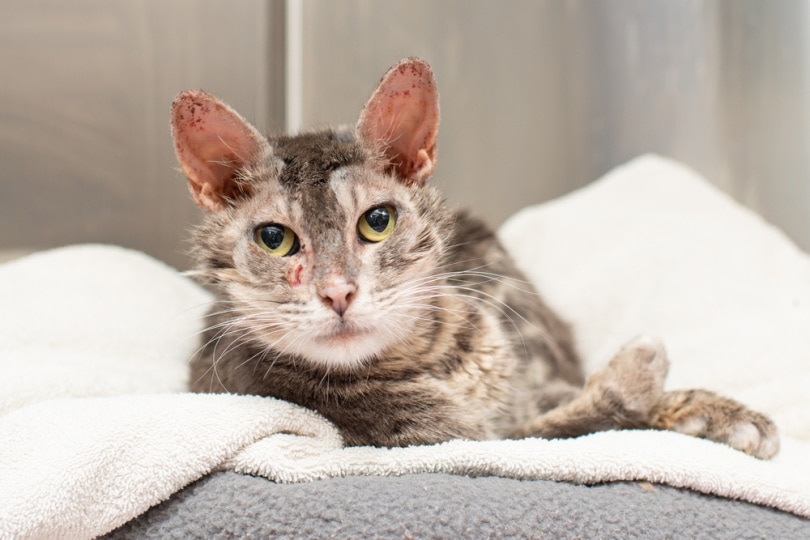
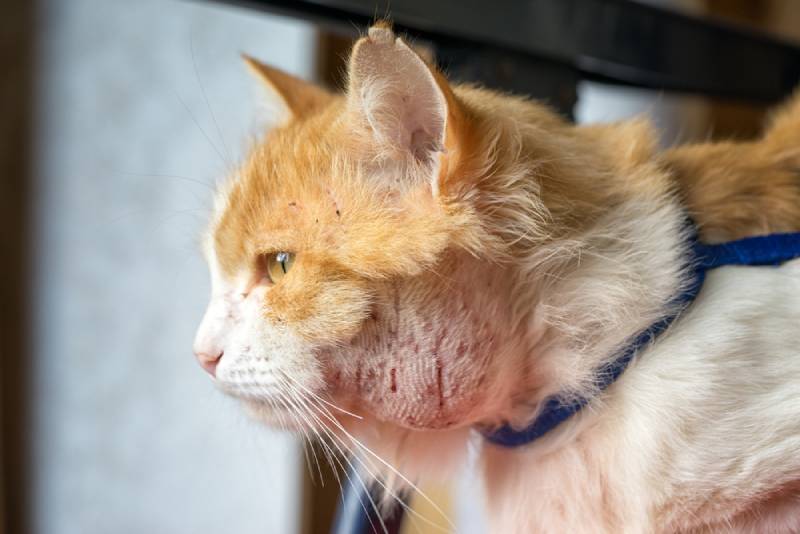
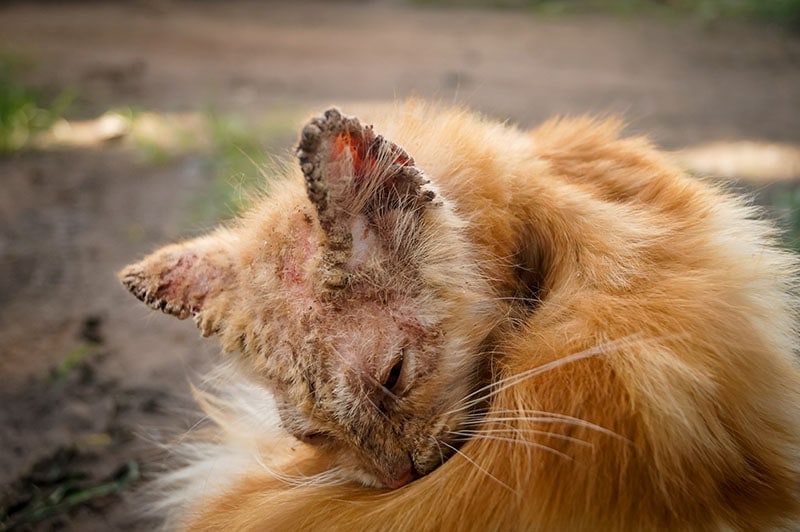
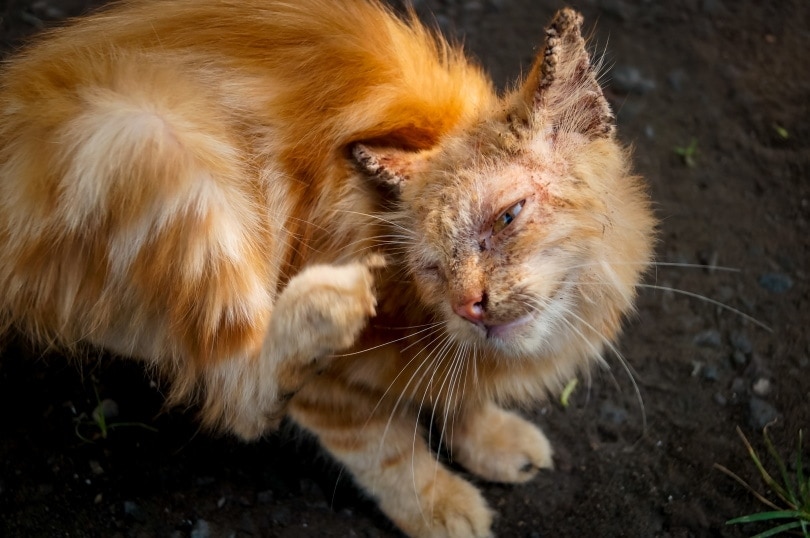
Common reasons that cats get scabs can include fighting with other cats, especially when teeth and claws are involved. Both of these can cause damage to the skin, leaving behind cuts that heal with the help of overlying scabs. In a worst-case scenario, a bite can also lead to an infection under the skin, called an abscess, which can also lead to scabbing as the abscess heals.
Flea bites can also lead to scabbing, even more so if a cat has an allergy to flea saliva, which can lead to marked scabbing. Sometimes, this can appear as scabs throughout a cat’s haircoat—from their head, shoulders, and tail—which some people refer to as “miliary dermatitis”.
The following is a list of what can lead to scabs in cats:
Should You Pick Scabs Off Your Cat?
In general, the easy answer is no. Remember, scabs are actually a part of the natural healing process. Therefore, if you remove scabs, you actually inhibit the healing process. This often means that you will actually prolong the time it takes for the underlying skin to heal.
However, there are things you can do to help your cat’s scabs. So, let’s take a look at options that might be better than picking them off.
How to Help Scabs on Your Cat Heal
As stated before, the healing process for scabs is actually a visual representation of the healing of any underlying damage to the skin. Scabs are a normal barrier to help damaged skin heal quickly, so removing them can actually hinder the process. So, rather than picking at scabs, what can you do to help them heal?
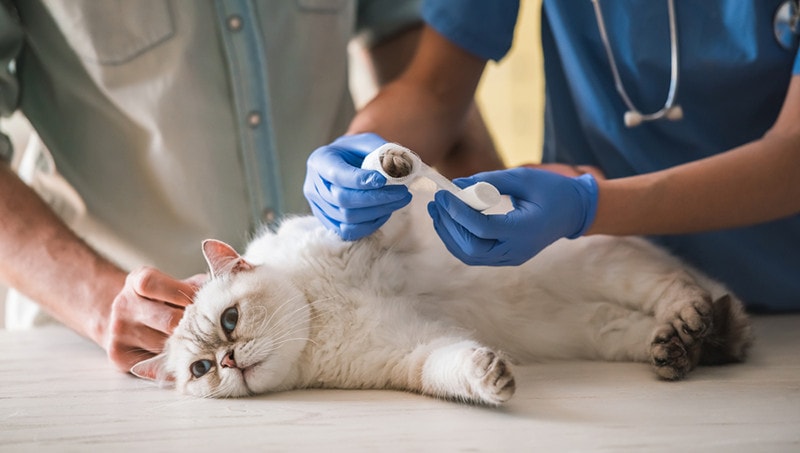
One key thing is to help keep them from itching, which generally happens when they dry out. So, consider asking your cat’s vet if they can recommend or prescribe a skin ointment to apply to your cat’s skin, to help keep the surrounding tissue hydrated while it heals. Other options can include supplementing fatty acids into your cat’s food—again, best to have a conversation with your vet about it.
Having your cat on a flea preventative is another way to help ensure your cat doesn’t get scabs in the first place— especially if your cat has a flea allergy. Even indoor-only cats can be exposed to fleas in certain circumstances. So, prevention is definitely better than dealing with the issue after it’s occurred (especially as fleas can be hugely tricky to get rid of!).
Scab Take-Aways:

Conclusion
The good news is that scabs in cats are generally very treatable, and often resolve on their own. If you find them on your cat, don’t pick them. Instead, let them be. The best thing you can do is to try and figure out the underlying issue that caused the scab in the first place, and address anything of concern in that regard.
Related Read: Cat Acne vs. Cat Chin Mites
Sources
Feature Image Credit: Yaya Photos, Shutterstock
Get Hepper In Your Inbox


Pet care tips from our vets and experts, straight to your inbox.
You may opt-out at any time. View our Privacy Policy for more information.
As a veterinarian, Lauren is happy to share her experience in emergency medicine and cats, with everyone. She enjoys sharing insightful, real life tips for having cats as part of your life, and what to do in critical situations with your pets.
Lauren is a vet with over a decade of experience in cats and dogs, along with infectious diseases. She loves teaching, and lectures for students, owners, and clinicians, on various topics.
Lauren received her degrees from Murdoch University, in Perth.
Experience
Education
Join the conversation
Ask a question, share your story, or send private feedback.