Hepper blog

Search our database of over 9,984 posts with up-to-date information from our experts and veterinarians.

Hepper is reader-supported. When you buy via links on our site, we may earn an affiliate commission at no cost to you. Learn more.

Aural Hematomas in Cats: What Should I Look For? Vet-Approved Care & FAQ

By Patricia Dickson · Reviewed & fact-checked by Dr. Paola CuevasVet Approved
Dr. Paola Cuevas
Reviewed & Fact-Checked byDr. Paola CuevasMVZ (Veterinarian)
Paola Cuevas is a veterinarian and animal behaviorist, with over 18 years of experience working with a variety of species. Her passion is animal welfare and focuses on the importance of preventive medicine. Paola has skills in the fields of nutrition, microscopy, clinical pathology, diagnostic imaging, and endoscopy as well as extensive experience in animal training through positive reinforcement. As our in-house veterinarian, Paola is very happy to share her knowledge and experience with our readers and hopes to be helpful with any issue presented by your non-human family members.View authorThe information is current and up-to-date in accordance with the latest veterinarian research. Read about our vets
Share
Ask us a question in the comments
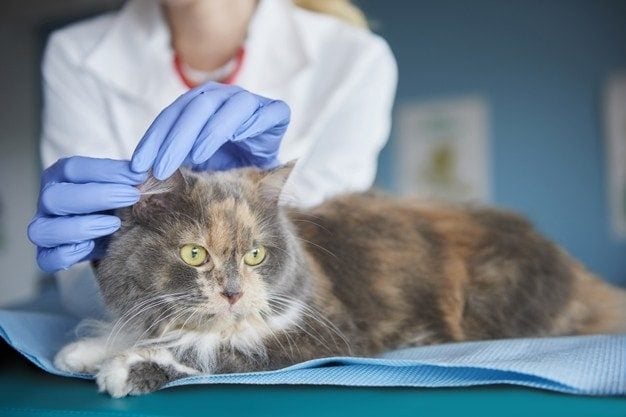
vet-checking-cats-ear

As a cat parent, you may not realize that several delicate blood vessels are running through your cat’s ear flaps. These same blood vessels can sometimes swell and rupture, for example when your cat is constantly scratching itself. Some of the blood that normally runs within the vessels will exit through the rupture and remain trapped within the ear tissues, skin, and cartilage, causing a hematoma to develop. An ear hematoma is known as an aural hematoma.

If you suspect your cat has an aural hematoma, you must make an appointment with your vet. It is possible that the condition could go away on its own, but it is painful, and if it doesn’t heal itself, it can lead to your feline needing surgery.

So, what should you look for if you think your feline pal has an aural hematoma? We’ll answer that question and more below.

What Is An Aural Hematoma?

An aural hematoma and a cat ear hematoma are the same. When a blood vessel in your cat’s ears bursts, the space between the ear cartilage becomes filled with blood. This leads to swelling and a full pocket of blood collected in your cat’s ear flap.

These types of hematomas don’t happen often, but sometimes they can require surgery, so if your cat has an aural hematoma, it’s best to take him to the vet to be safe.
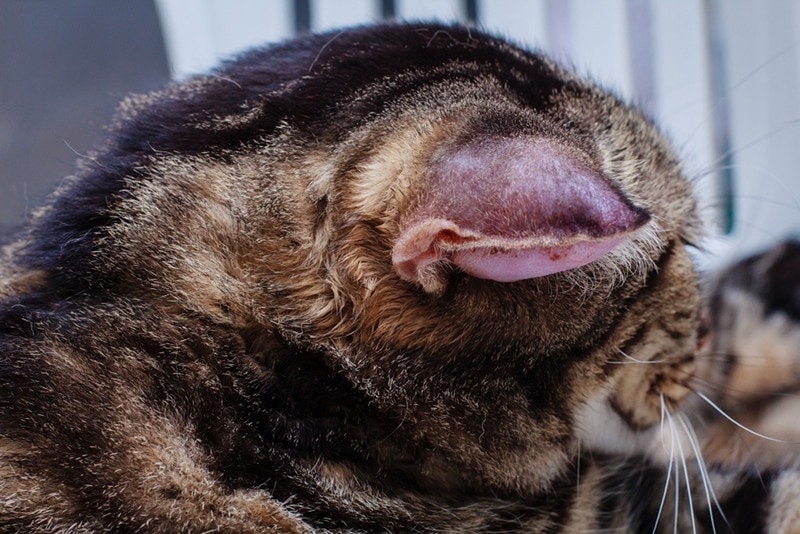
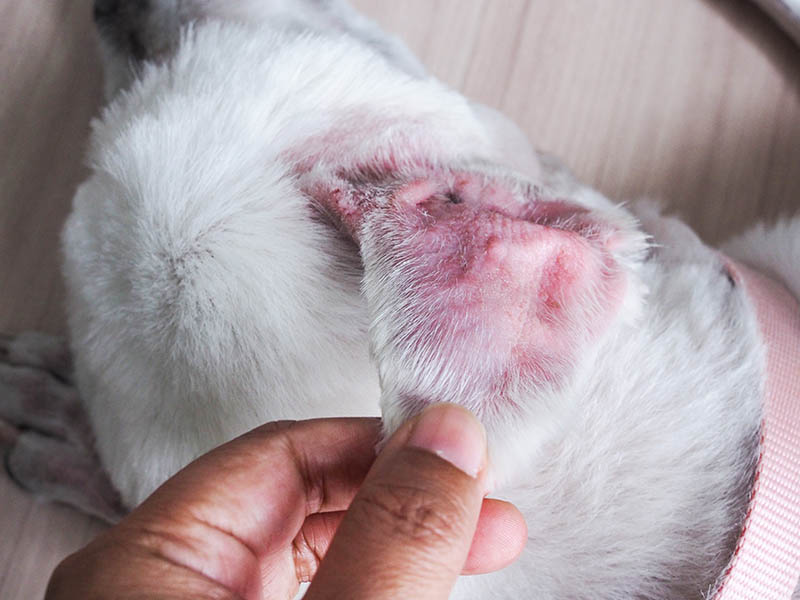
Cat ural Hematoma
Image By: BabyMosquito, Shutterstock

What Are the Signs of an Aural Hematoma?

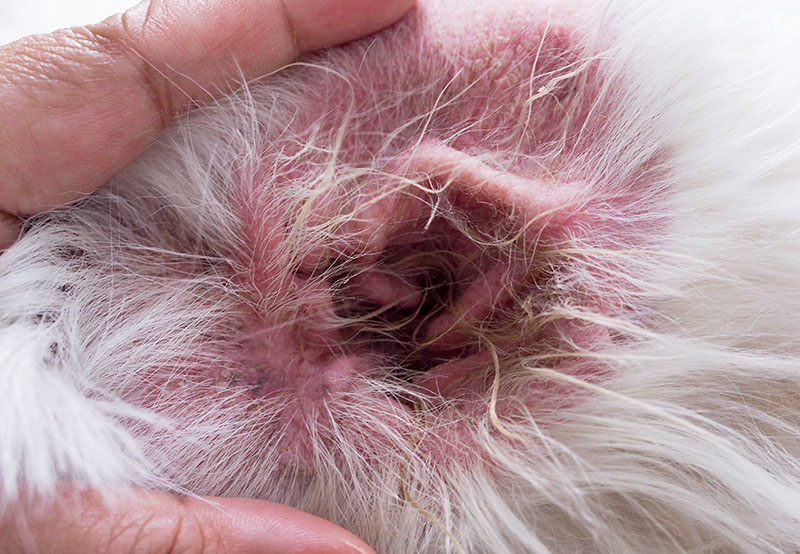
Aural hematomas usually develop on the underside of your cat’s ear. The sacks can be small or big enough to affect the whole ear. Only one ear may be affected, but it can also involve both ears.

The swelling will be movable and soft in most cases. It could also be inflamed, red, and painful. Here are a few signs to watch for if you think your cat has an aural hematoma.

  • Scratching at his ears
  • Shaking his head
  • Tilting his head
  • Pain in his ear
  • Ear discharge
  • Odor coming from the ear
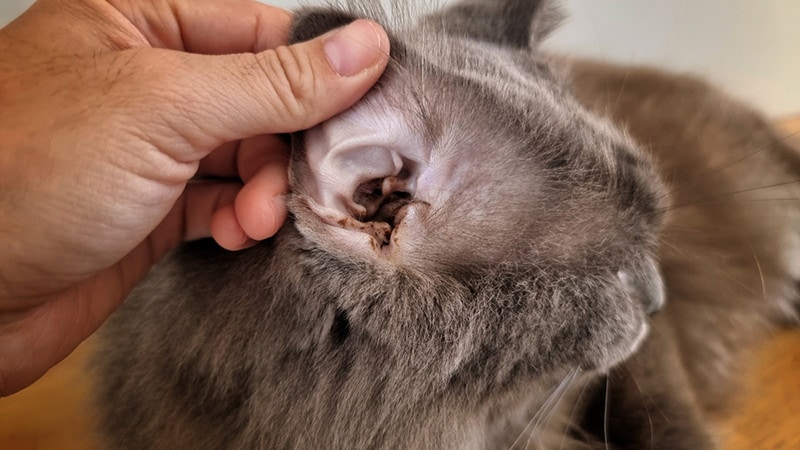
  • Red, swollen, and ulcerated pinna
  • Inflamed, dirty ear canals

What Are the Causes of Aural Hematomas?
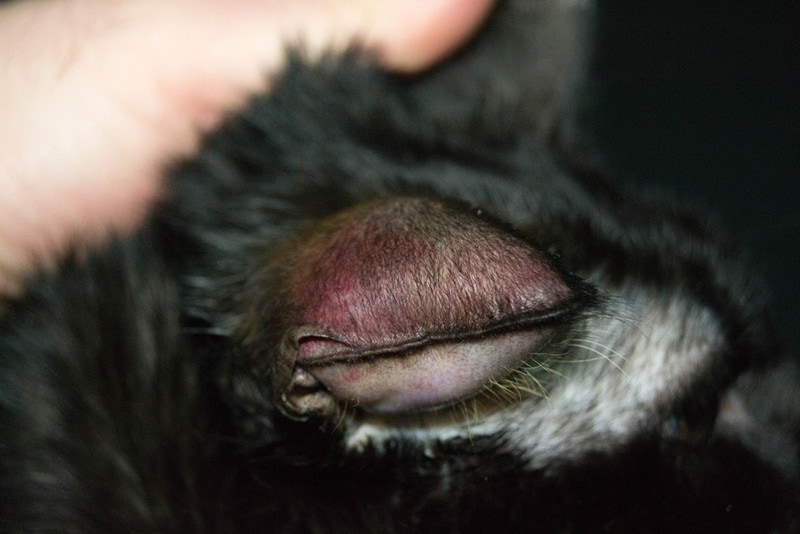
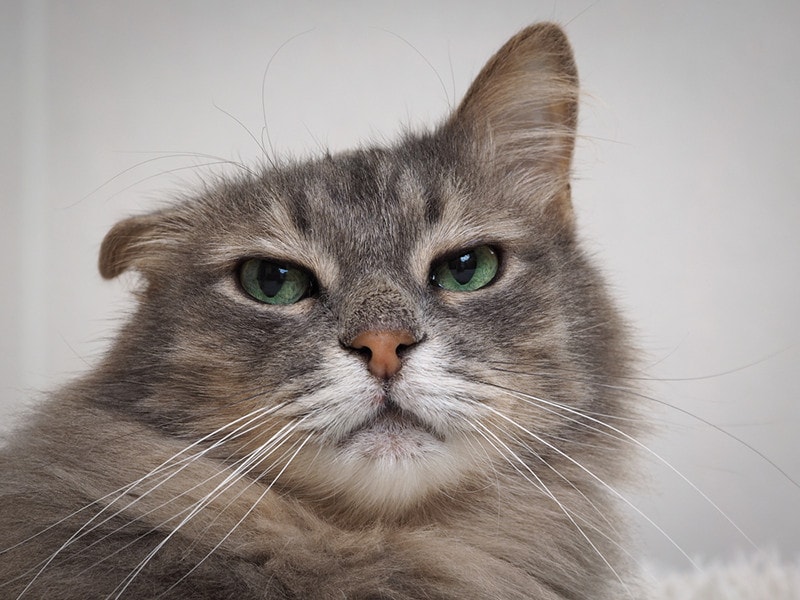
Cat with aural hematoma
Image Credit: Todorean-Gabriel, Shutterstock

Now that you know the signs of an aural hematoma in your cat to be on the lookout for, you might wonder just how a cat ends up with the condition. The most common way a cat develops an aural hematoma is by trauma from head shaking or scratching. The second most common is otitis externa, which is an external ear inflammation due to an ear infection.

When your feline has an ear infection, the constant scratching could make it prone to develop into an aural hematoma. However, there are other causes of aural hematomas in cats besides head shaking, scratching, and ear infections.

  • Ear mites (mostly found in kittens and outdoor cats)
  • Foreign materials, polyps, or a type of cancer that leads to otitis externa
  • Injuries from getting into fights or being bitten
  • Cushing’s Disease or another condition that causes fragile blood vessels

Your vet should be able to tell you what caused your cat’s condition and help with a treatment plan.

How Do I Care for a Cat with an Aural Hematoma?

When you notice the signs of an aural hematoma in your cat, it’s essential to get the cat to the vet as soon as possible for diagnosis and treatment. Your vet will let you know how they want to go forward with treating your cat.
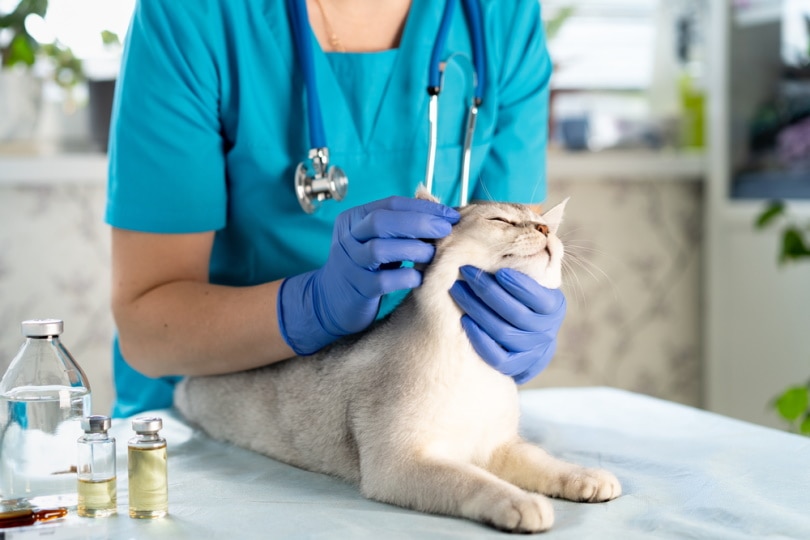
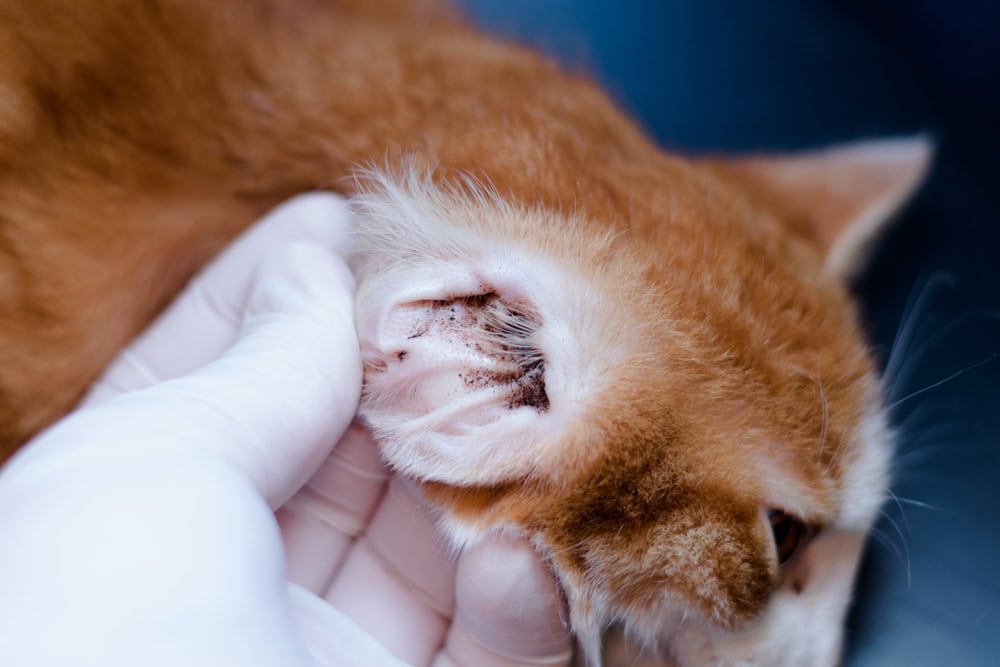
cat ear check by vet
Image By: Uryupina Nadezhda, Shutterstock

If your cat must have surgery, post-surgical care at home will keep your cat comfortable and prevent the area from swelling again. Some essential tips to use when caring for your cat after this surgery include the following:

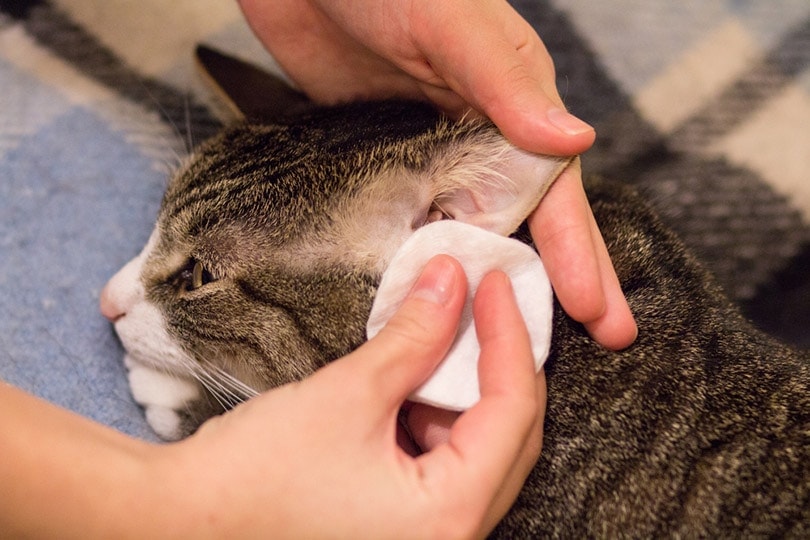
  • Keep your cat’s ears clean in the way the vet directs you to
  • If your vet attaches a cone or collar after surgery, ensure that the cat wears it at all times.
  • While your cat’s ear is going to bleed a little, if the bleeding becomes heavier, contact your vet
  • Keep an eye on your cat's ears for increased swelling, redness, or pain
  • Make sure your cat takes the medicine at the same time every day
  • Pamper, love, and give your cat treats whenever needed

In most cases, a cat recovering from an aural hematoma will be better within a week or two at the most. If you notice that your cat isn’t getting better, you need to make an appointment with your vet immediately. It’s also essential to give your cat a safe, quiet space to recover. Try putting him in a room without much foot traffic so he can get the rest he needs. Make sure to provide his bed, food, water, and any of his favorite toys, as well as your companionship and love.

Frequently Asked Questions

Now that you know quite a bit about aural hematomas and what to look for in your cat, we’ll answer a few of your most common questions below.

Will an Aural Hematoma Go Away on its Own?

It is possible that your vet won’t recommend anything for your cat’s aural hematoma. This is only if the hematoma is small, painless, and not causing your cat a problem. In many cases, the hematoma will go away on its own. However, if the area becomes painful, it’s best to seek attention for your cat from your vet right away.
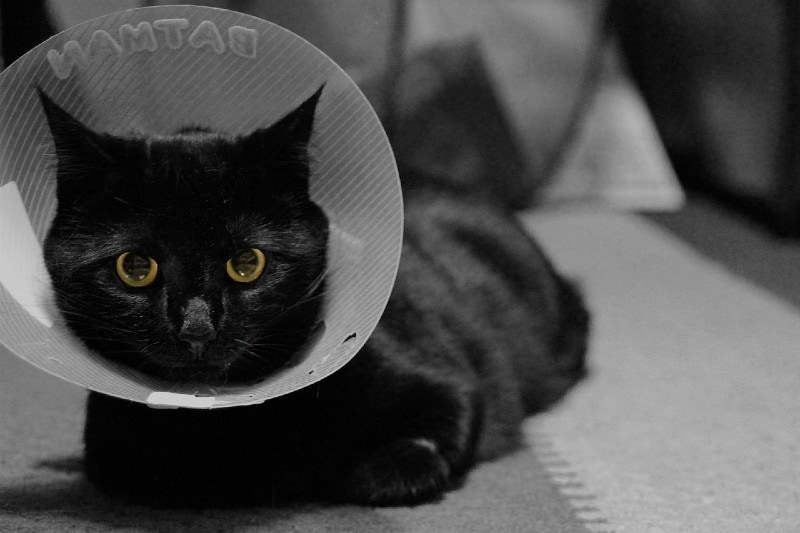
Black cat wearing Elizabethan Collar
Image By: PublicDomainPictures, Pixabay

What Is the Treatment for an Aural Hematoma?

According to his diagnosis, the vet will recommend a treatment plan. Usually, if the hematoma is severe, there will be surgery to drain the fluid that is causing the swelling and possibly a plan to treat the underlying cause of the issue as well.

Conclusion

Aural hematomas in cats don’t always require surgery, though it is best to contact your vet if you think your pet has the condition. If your cat requires surgery, make sure to follow all of the directions given to you by your vet until your cat is happy, healthy, and aural hematoma-free. Setting up a stress-free recovery room is an excellent way to welcome your cat home.

See also:

Sources

Featured Image Credit: Freepik

Get Hepper In Your Inbox

Pet care tips from our vets and experts, straight to your inbox.

List

Select all that apply.

You may opt-out at any time. View our Privacy Policy for more information.

Patricia Dickson
Authored by

Patricia Dickson

Join the conversation

Ask a question, share your story, or send private feedback.
Rate this post
Required to post. Only our editors see your rating.
Who should see this?

A human reviews every comment before it appears. Your email is never published.

Picked to go with this article

Dog Ear Hematoma: Causes, Signs, and Treatment (Vet Answer)

Dog Ear Hematoma: Causes, Signs, and Treatment (Vet Answer)

Any dog can suffer from an ear hematoma. Ear hematomas will occur secondary to some type of repeated trauma to the ear, but are almost always associated with a…

Dr. Kim Podlecki
By Dr. Kim Podlecki ·
How Long Does It Take for a Dogs Ear Hematoma To Go Away? Vet-Reviewed Facts

How Long Does It Take for a Dogs Ear Hematoma To Go Away? Vet-Reviewed Facts

An aural hematoma of a dog’s ear can be a painful condition that occurs because of accumulated blood from a broken blood vessel that accumulates within the tis…

Sarah Psaradelis
By Sarah Psaradelis ·
What Is the Cost of a Dog’s Ear Hematoma Surgery? 2026 Price Guide

What Is the Cost of a Dog’s Ear Hematoma Surgery? 2026 Price Guide

Ear hematomas are uncomfortable blood blisters that form inside a dog’s ear flap. They typically occur when a dog shakes their head or scratches their ears exc…

Nicole Cosgrove
By Nicole Cosgrove ·
Why Is My Cat Shaking His Head? Possible Reasons Explained (Vet Answer)

Why Is My Cat Shaking His Head? Possible Reasons Explained (Vet Answer)

If your kitty has a bell on their collar, you're probably all too aware of when they are shaking their head! After all, it sometimes seems like they only start…

Dr. Joanna Woodnutt
By Dr. Joanna Woodnutt ·

Keep reading

More stories you might like

Cat Ears Drooping: Causes, Signs & Treatment (Vet Answer)

It is common to see dogs with floppy ears, but most of us are used to seeing our feline friends’ ears stand straight up. Unless (like Taylor Swift) you share y…

Dr. Sharon Butzke
By Dr. Sharon Butzke ·
Cat Ears Drooping: Causes, Signs & Treatment (Vet Answer)

How Do Indoor & Outdoor Cats Get Ear Mites? Vet-Reviewed Science & Info

Ear problems are among the most common health issues in cats. If left untreated for too long, they can cause severe infections. Your cat may scratch their ears…

Nicole Cosgrove
By Nicole Cosgrove ·
How Do Indoor & Outdoor Cats Get Ear Mites? Vet-Reviewed Science & Info

Ear Infections in Cats - Vet Reviewed Causes, Signs & Treatments

You might have noticed your cat excessively scratching at its ears or shaking its head more than normal, which could be a sign of an ear infection. Otitis exte…

Kerry-Ann Kerr
By Kerry-Ann Kerr ·
Ear Infections in Cats - Vet Reviewed Causes, Signs & Treatments

How to Clean Your Cat's Ears: Vet-Reviewed Step-by-Step Guide

Cats are known for being very tidy animals with top-of-the-line self-grooming abilities. Chances are, you will not have to clean your cat’s ears very often, bu…

Lindsey Lawson
By Lindsey Lawson ·
How to Clean Your Cat's Ears: Vet-Reviewed Step-by-Step Guide

Will Rubbing Alcohol Kill My Cat's Ear Mites? Vet-Approved Facts & FAQ

Ear mites are a common cause of feline ear problems. They're technically called Otodectes cynotis and are frequently found deep in cats' external ear canals. E…

Lorre Luther
By Lorre Luther ·
Will Rubbing Alcohol Kill My Cat's Ear Mites? Vet-Approved Facts & FAQ

Cat Ear Mites vs Yeast Infection: Visual Differences (Vet-Approved)

Disclaimer: This article has been approved for medical accuracy by a qualified veterinarian. However, the purpose of this article is not to diagnose your cat o…

Brooke Bundy
By Brooke Bundy ·
Cat Ear Mites vs Yeast Infection: Visual Differences (Vet-Approved)

Why Are My Cat’s Ears Hot? 5 Vet-Reviewed Reasons

If your cats are anything like ours, they constantly try to get you to scratch behind their ears. But what does it mean when you’re scratching behind their ear…

Adam Mann
By Adam Mann ·
Why Are My Cat’s Ears Hot? 5 Vet-Reviewed Reasons

How to Tell If Your Cat Has Ear Mites in 4 Vet-Approved Steps

Ear mites, or otodectes cynotis, are tiny parasites that are usually found in the ear canals or skin surfaces of cats, dogs, ferrets, and rabbits. These surfac…

Nicole Cosgrove
By Nicole Cosgrove ·
How to Tell If Your Cat Has Ear Mites in 4 Vet-Approved Steps