Hepper is reader-supported. When you buy via links on our site, we may earn an affiliate commission at no cost to you. Learn more.
How to Clean a Cat Wound: 5 Vet-Approved Steps


In this article
The last thing you want to even consider is your cat having a wound. But it can happen. It is more likely to occur if you have an outdoor cat, but accidents can happen inside too.
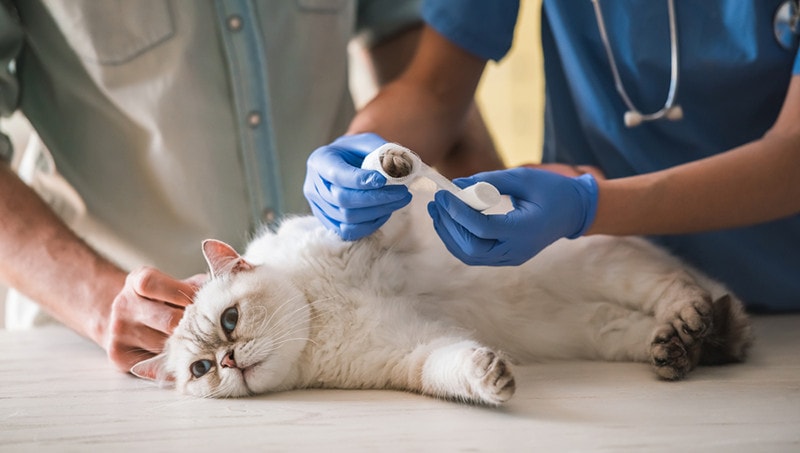
If you notice a wound on your cat, most times it is best to take them straight to the vet, particularly if it's a nasty one. But if it seems like a minor wound, you can do your best to treat it so it does not get any worse or become infected before you have a veterinarian look at it.
Here, we go over the best ways to clean a wound on your cat and when it’s necessary to take them in to be treated by a vet.

Signs of a Wound
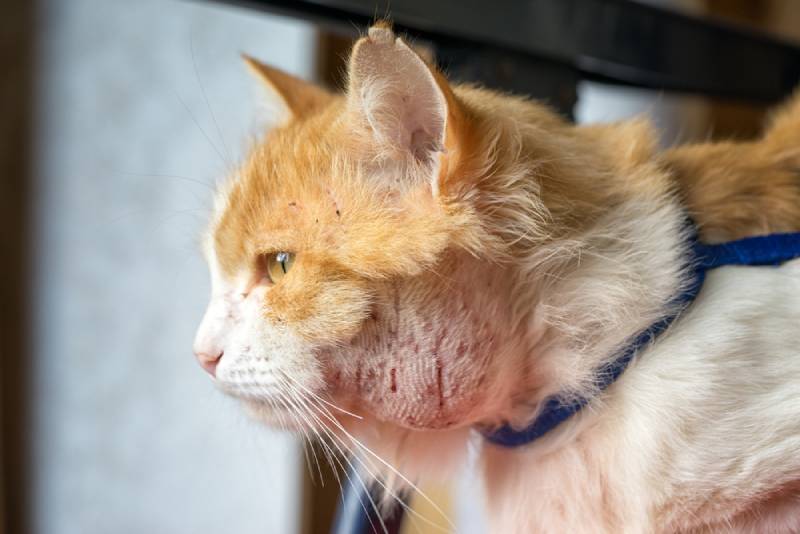
Before we launch into how to clean a wound, let’s go over the common signs of one. Sometimes it might be initially difficult to spot it among all that fur!
The common signs of a fresh wound are:
- Bleeding, blood on the fur
- Patches of missing fur
- Swelling
- An obvious cut or torn skin
- Signs of pain
- Limping
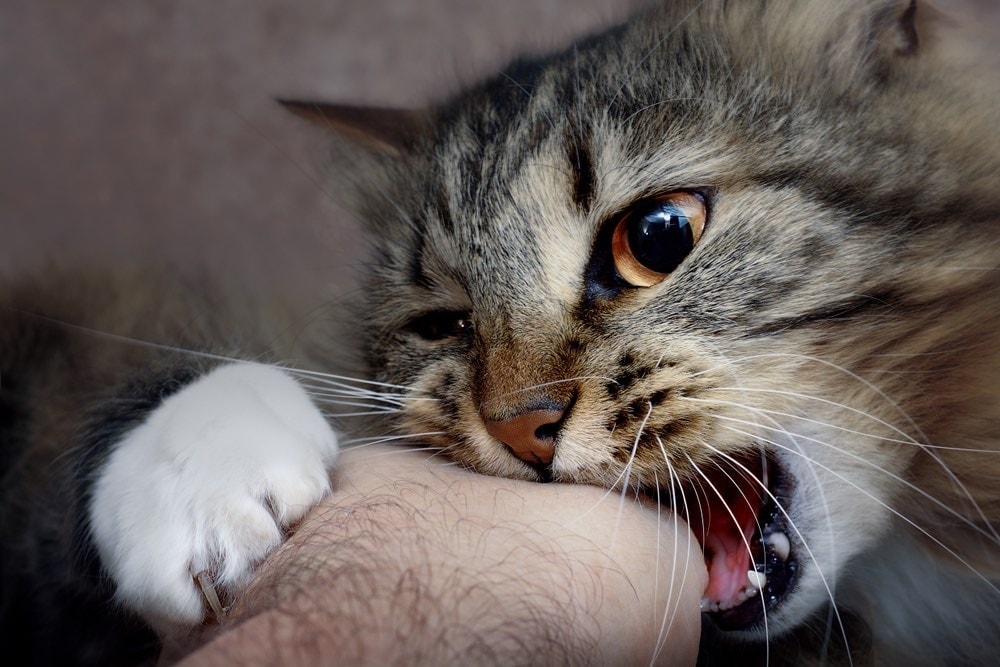
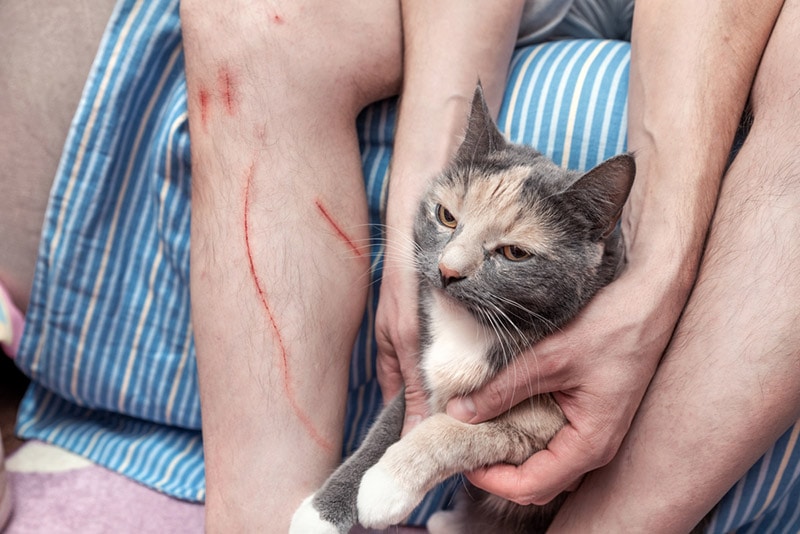
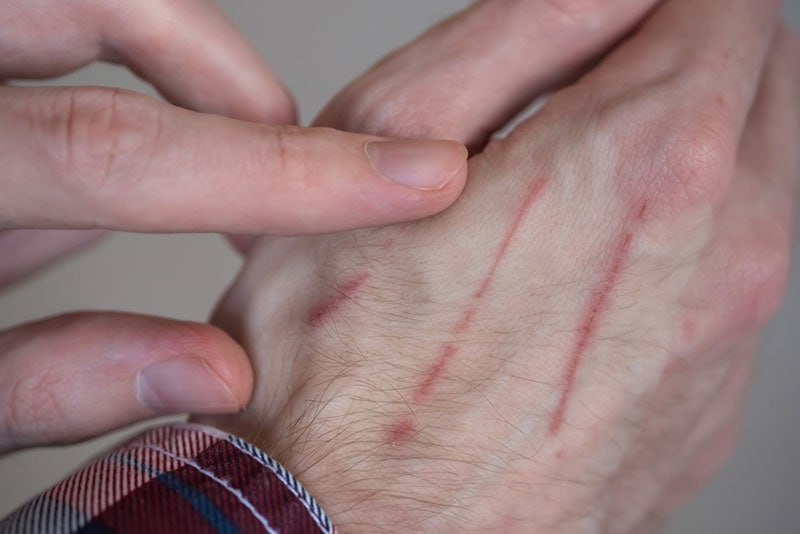
There are all kinds of wounds, but the most common ones are bite wounds from other cats.
The 5 Steps for Treating Your Cat’s Wound at Home
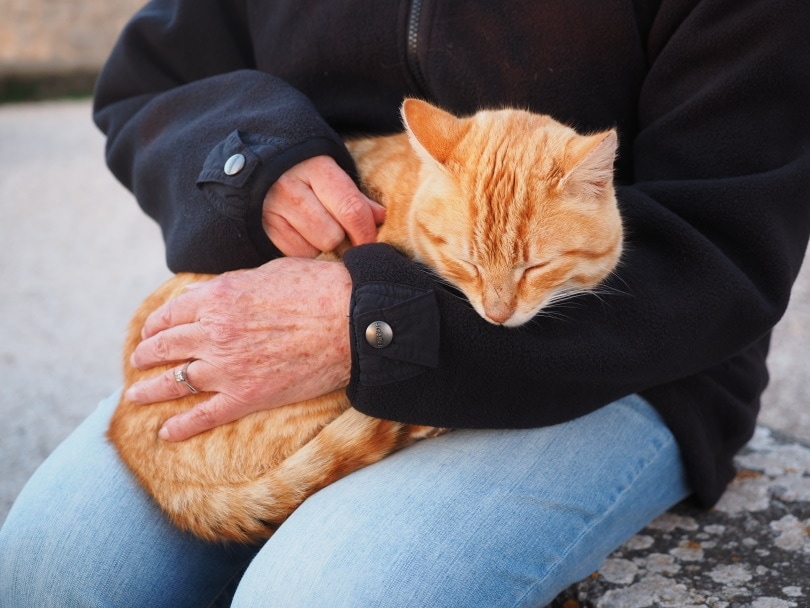
If there’s minor bleeding and it’s not a puncture wound, you might not need to rush your cat to the closest animal clinic. There are a few steps you can take to clean the wound at home.
1. Restrain Your Cat
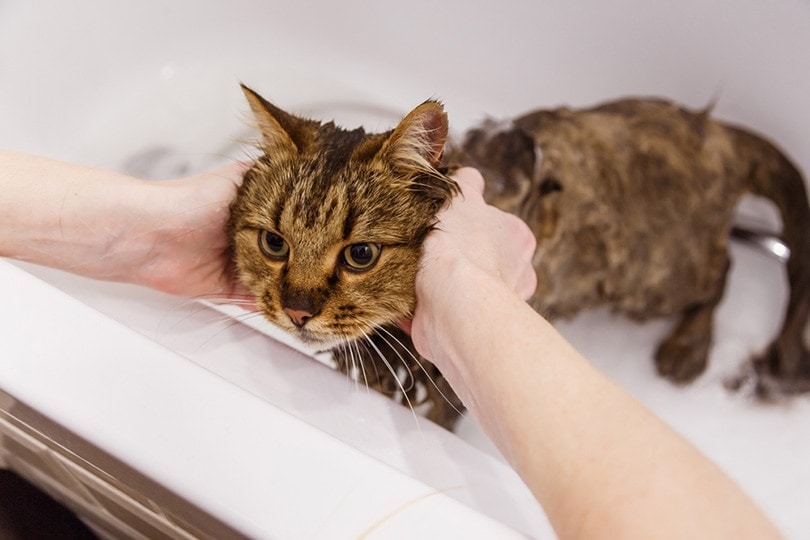
This is an important step because we all know how feisty cats can get when you need to do something unpleasant with them. It’s best if you get someone to assist you with this entire process, as it might be a challenge to do on your own. Wrap your cat in a towel or blanket, and assess the wound.
2. Check the Wound
Examine the wound to determine if it’s something that needs to be seen by your veterinarian right away or if you can take care of it at home. If the wound isn’t bleeding and seems minor, you can usually clean it and keep an eye on it for the next 24–48 hours.
Gaping, wide, puncture, and deep wounds should all be taken seriously and will need medical attention. With these wounds, there’s a risk of infection or worse.
3. Bleeding
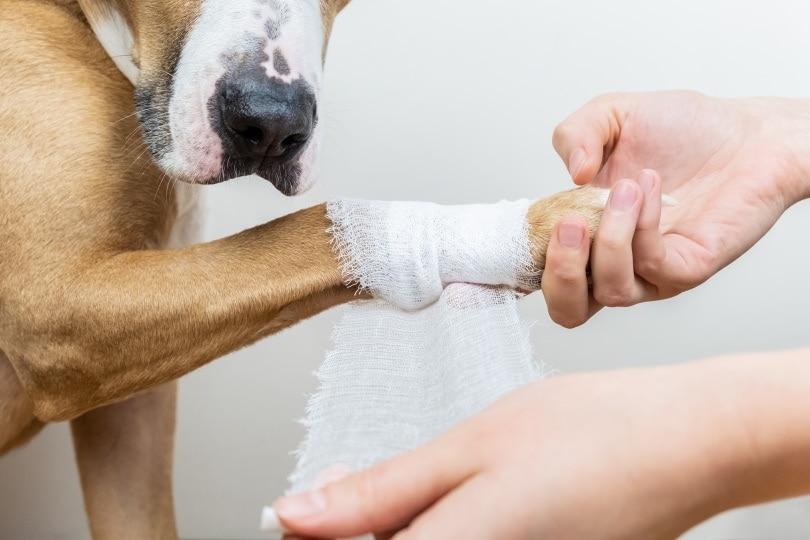
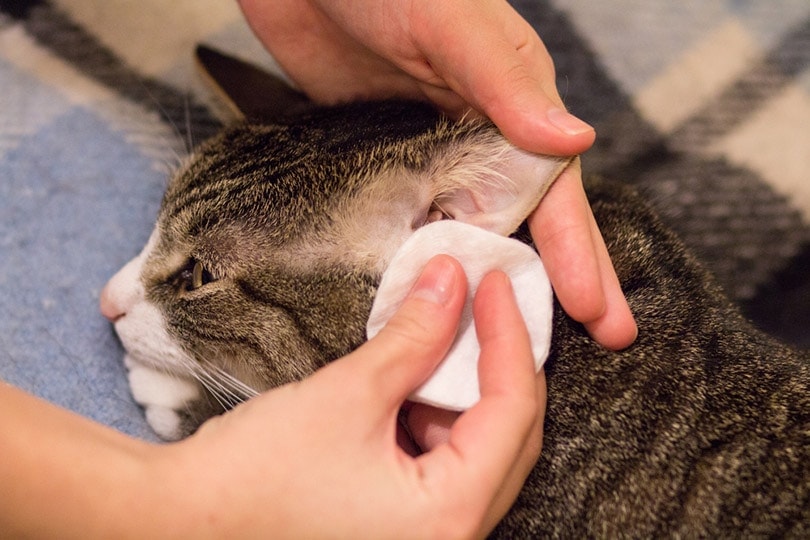
If there is minor bleeding, you’ll want to use a clean cloth or sterile gauze and apply firm pressure to the wound. The bleeding should stop within 5 to 10 minutes. If the bleeding persists even after applying pressure, bring them to your veterinarian or the nearest emergency clinic.
4. Cleaning the Wound Using Saline
If the wound is essentially a scrape or a shallow cut and you’re confident that it isn’t serious, you can try cleaning it at home. If it’s a deep wound you can gently clean around the outside of it, but you should leave cleaning inside the wound to a vet.
You’ll want to have a clean syringe and saline solution for this part. The syringe can be the kind that you use to dispense oral medication. It’s best to only use a new syringe to avoid introducing any harmful bacteria to the wound.
You can flush the wound with a sterile saline rinse that can be purchased from a pharmacy, or you can make it yourself. Boil approximately four cups of tap water for 20 minutes, and add about two teaspoons of salt. When the solution is just warm, draw it up into the syringe and gently run it over the wound. You can also use distilled water, which you don’t have to boil, but you still might want to warm it up so you’re not running cold water over the wound.
Irrigating the wound like this will help remove any dirt or debris and sterilize it. Make sure you gently clean the outside and around the wound too.
Speak to your veterinarian about other solutions that can be used if your cat seems to commonly get scratches and scrapes. Povidone-iodine and chlorhexidine are typically used to clean wounds, but both need to be diluted. You can also use wound sprays for cats that are designed to clean and sanitize wounds safely.
5. Aftercare
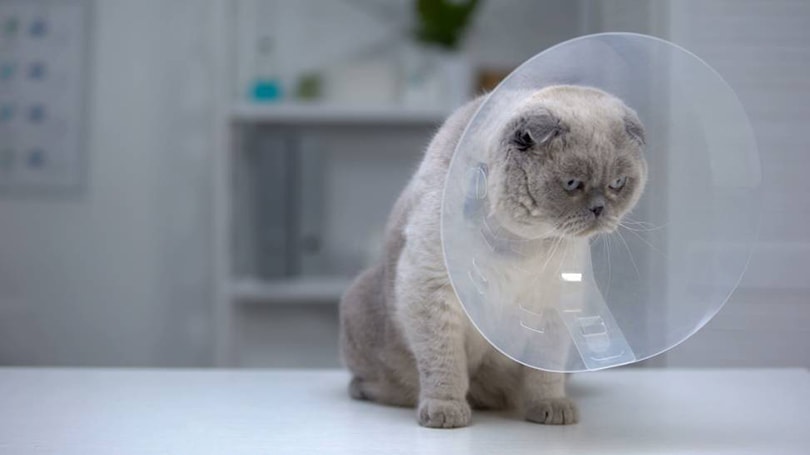
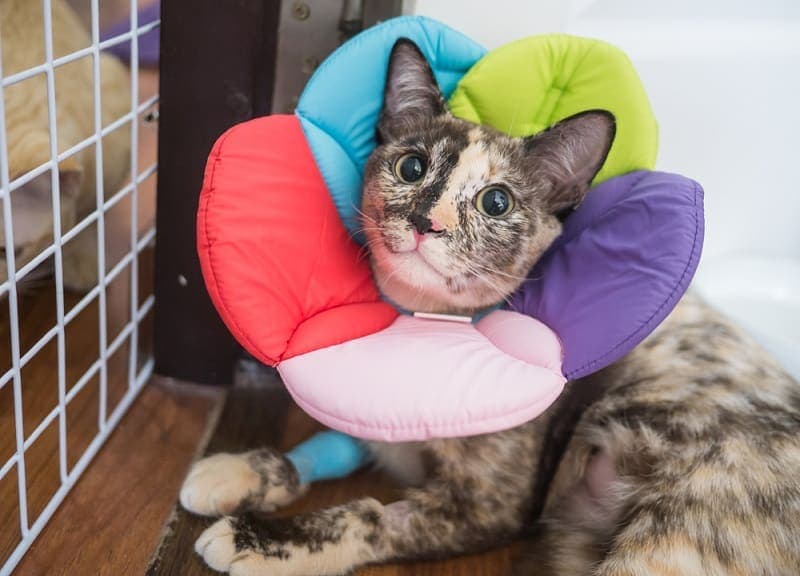
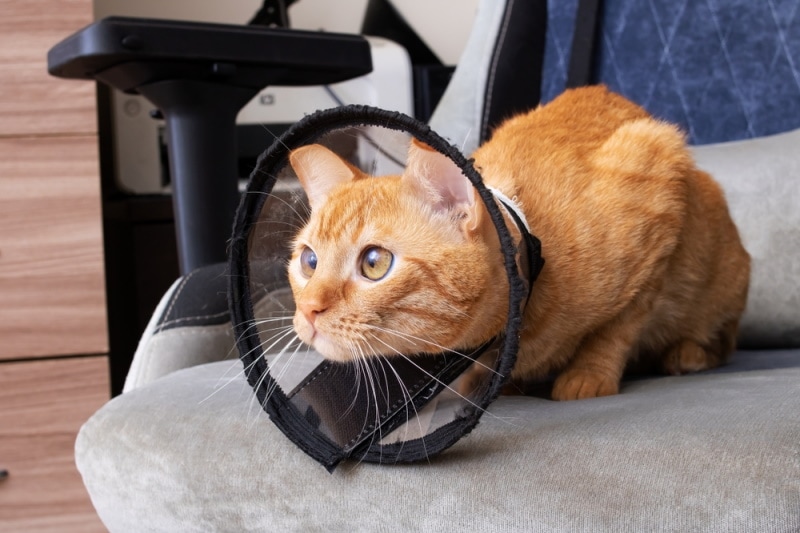
You’ll want to ensure that your cat won’t start licking the wound once it’s clean, as that can introduce bacteria to it. You can invest in the infamous "cone of shame," to help achieve this. There are also topical creams or sprays commonly used by vets that are used to prevent cats from chewing on stitches. This may also help with a wound. Ask your veterinarian if these products may be used for your cat’s wound.
Now the wound will start the healing process, so your job is to keep an eye on it to ensure that it’s healing properly. Most importantly, you need to keep an eye out for infection. Symptoms can include:
- The wound being red, swollen, and hot to the touch
- Pus and bad odor from the wound
- Fever
- Your cat acting lethargic and irritable
If you suspect that your cat has developed an infection, seek veterinary care immediately.
What Not to Do
There are a few things that you shouldn’t do when dealing with a cat wound.
If the wound is quite deep or is embedded with grit and dirt, you should not clean it yourself. If you aren’t sure how deep the wound is, assume it is deep. You don’t want to risk infection or causing your cat pain, so take them to the veterinarian.
When cleaning the wound, using gauze or a clean cloth is fine, but be sure not to use cotton balls. They tend to fall apart easily and are prone to leaving fibers attached to the wound.
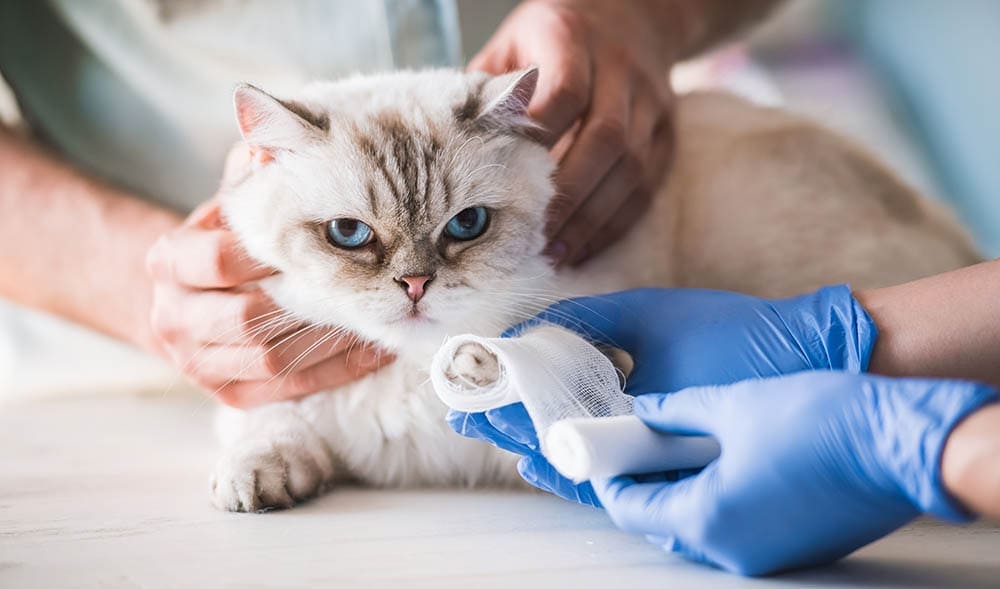
Most wounds should not be covered, so that they may heal faster. Also, you should not use alcohol or hydrogen peroxide unless recommended by your veterinarian. They can potentially damage the tissue of your cat’s skin.
When Should You Take Your Cat to the Vet?
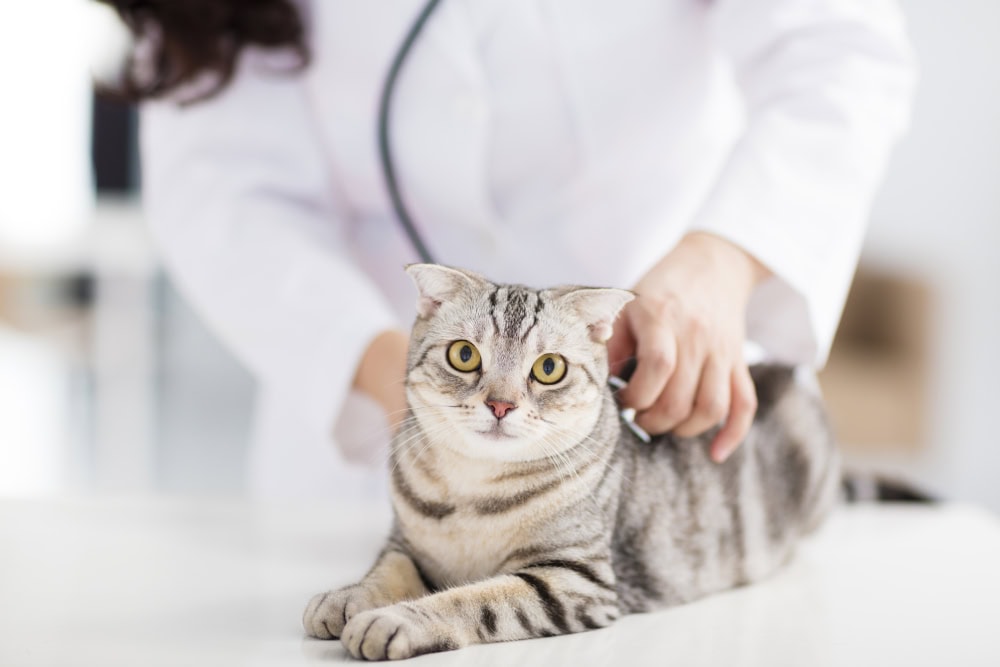
In most cases, you will probably know when you need to take your cat to the vet or take them to an emergency clinic. Here are the types of injuries that will need immediate attention:
Don’t forget that cats are good at hiding pain, so a wound could be much worse than it looks.
Additionally, you should check your cat for signs of shock, particularly if there has been a great deal of bleeding or some kind of trauma. The following symptoms are signs of shock:
Seek veterinary care immediately if you notice these symptoms in your cat.
Final Thoughts
Cats love to explore, and they are most definitely curious creatures, so they are bound to get wounded now and then. If you are concerned about your cat coming home with too many wounds, you might want to consider keeping them indoors or creating a safe and confined outdoor area for them, like a catio. You can also invest in a harness and take your feline for daily walks.
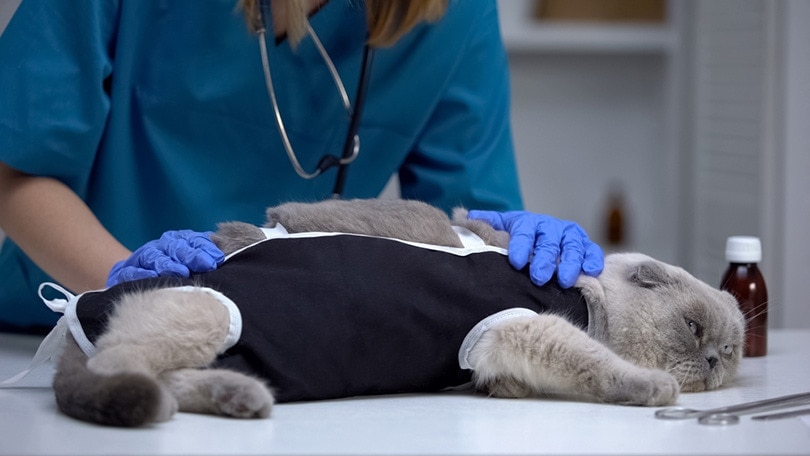
When in doubt, call your vet for advice or take your cat directly in if they have a wound. The last thing you want is to risk your cat’s health. After you take your cat to the clinic for treatment, your veterinarian will give at-home instructions that should be followed carefully. Hopefully, when it is all said and done, your cat will heal well, and you won’t need to clean another wound again.
Related Reads:
Featured Image Credit: VGstockstudio, Shutterstock
Get Hepper In Your Inbox


Pet care tips from our vets and experts, straight to your inbox.
You may opt-out at any time. View our Privacy Policy for more information.
Kathryn was a librarian in a previous lifetime and is currently a writer about all things animals. When she was a child, she hoped to work in zoos or with wildlife in some way, thanks to her strong love for animals. Unfortunately, she's not strong in the sciences, so she fills her days with researching and writing about all kinds of animals and spends time playing with her adorable but terribly mischievous tabby cat, Bella. Kathryn is hoping to add to her family in the near future – maybe another cat and a dog.
Join the conversation
Ask a question, share your story, or send private feedback.