Hepper is reader-supported. When you buy via links on our site, we may earn an affiliate commission at no cost to you. Learn more.
Fawn Pug: Pictures, Facts, Origin & History
In this article
Pugs—they’re so ugly they’re cute. With their deep, wrinkly foreheads and their flat faces, even their biggest fans affectionately call them “pugly.” This ancient breed has an iconic look, and with it comes an instantly recognizable color—fawn. Do you want to know more about this special breed and color? Read on!
Breed Overview
Height:
Weight:
Lifespan:
Colors:
Suitable for:
Temperament:
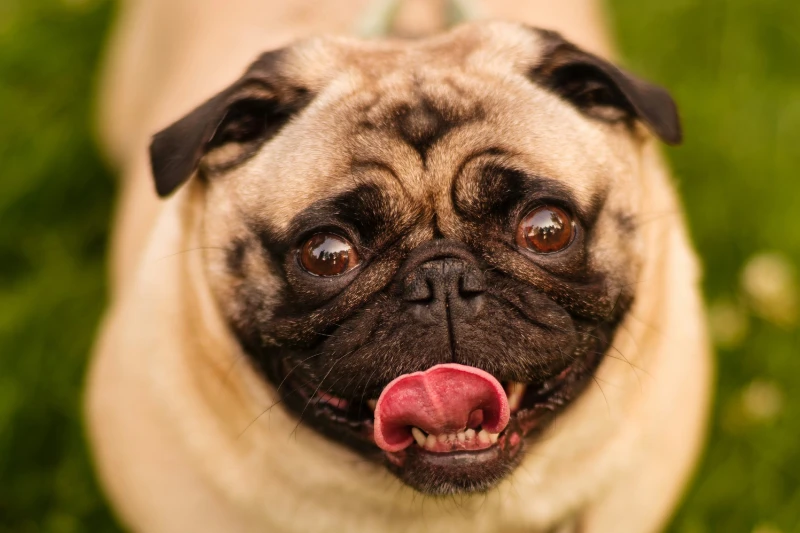
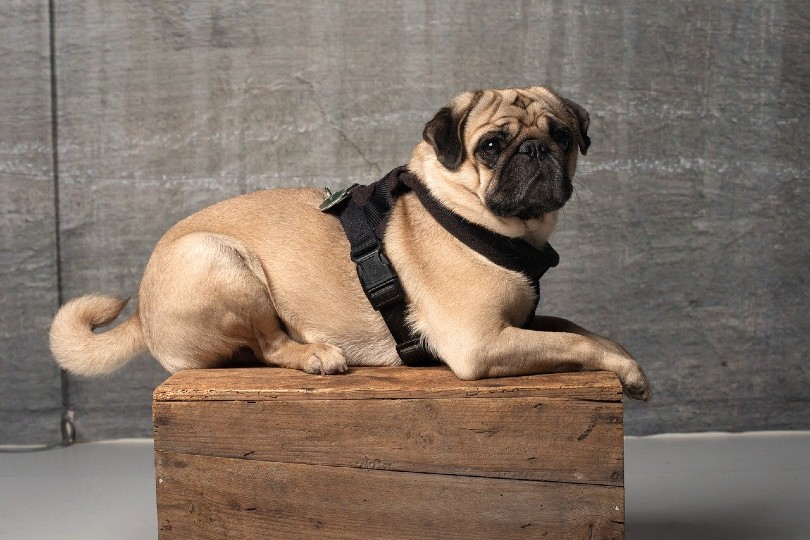
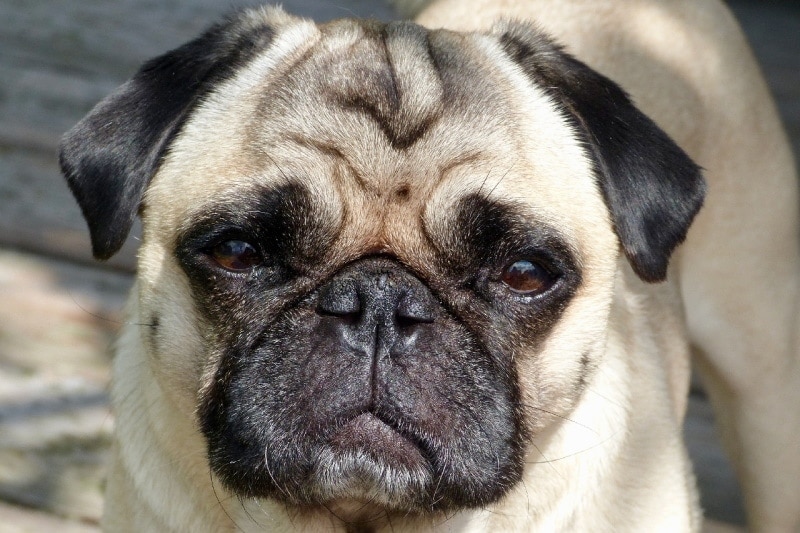
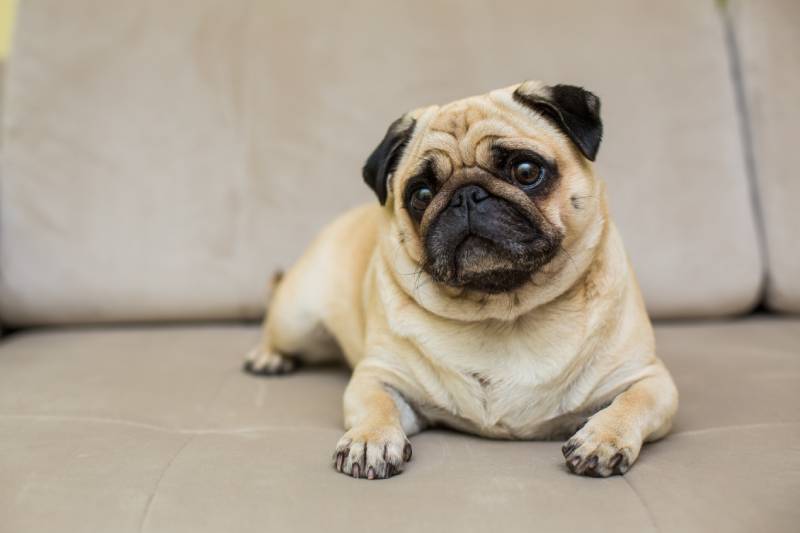
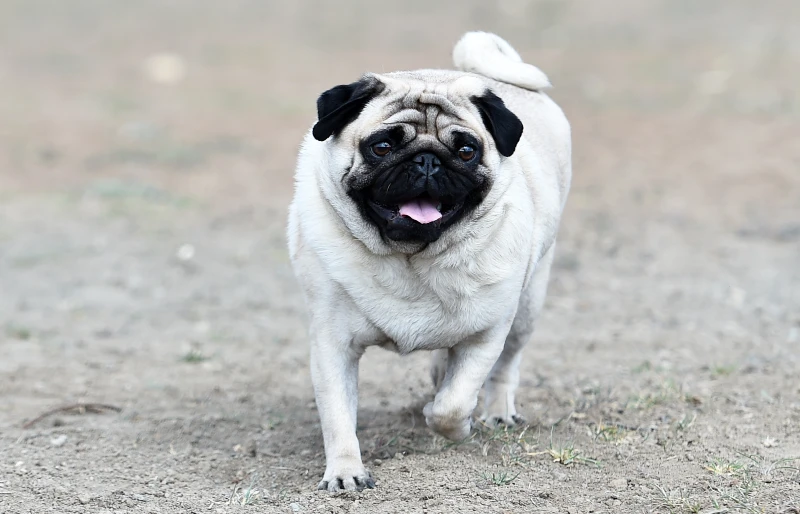
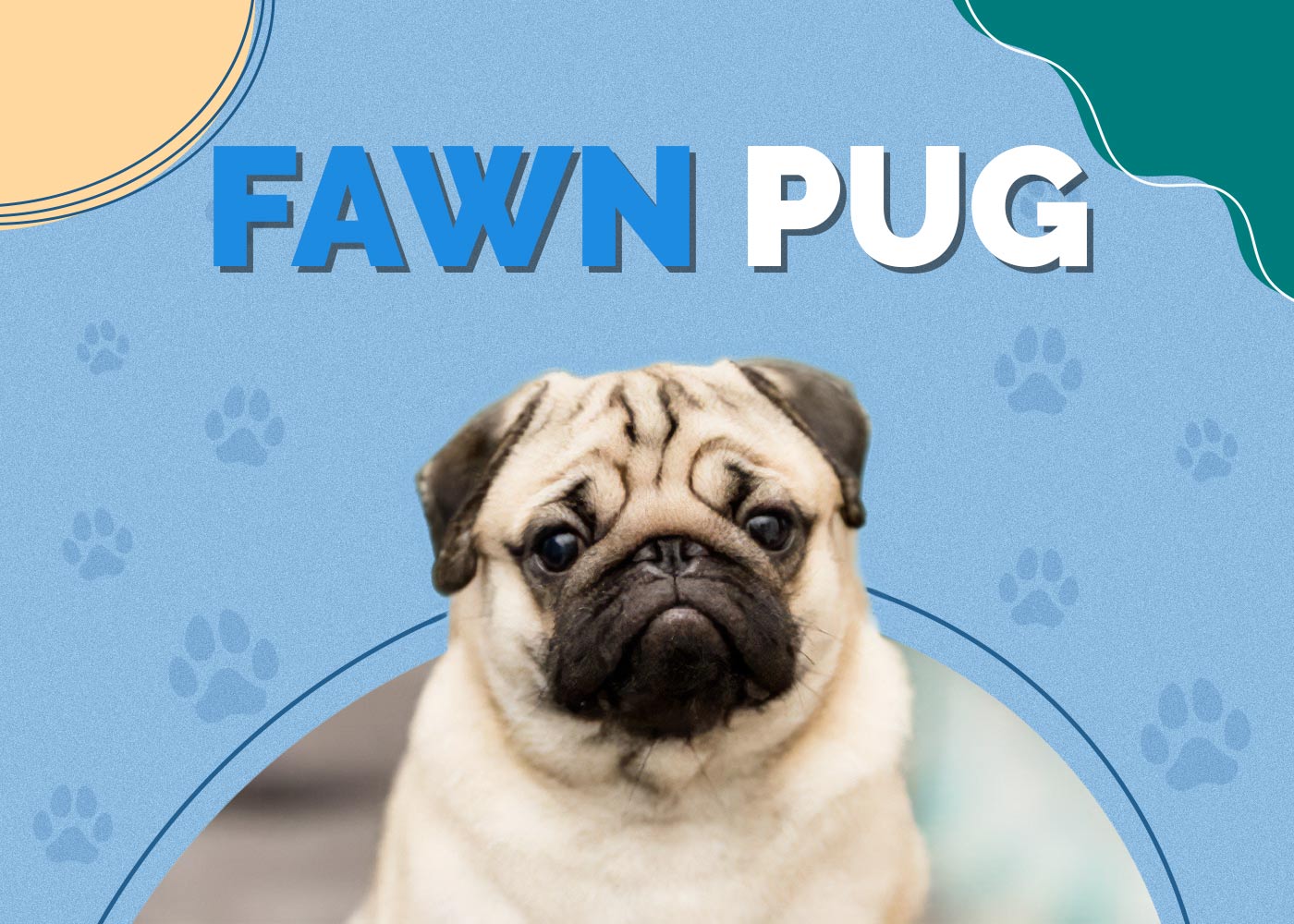
Fawn Pugs are the most common type of Pug, and the most famous. They have a beautiful creamy, off-white color. Their muzzle and ears have a dark “mask” that makes them instantly recognizable. Along with the traditional fawn, there are also “Apricot-fawn” and “Silver-fawn” Pugs. Apricot-fawn Pugs have a slightly darker, more golden color, while silver-fawn Pugs are paler, with a silvery sheen to their coat.
Pug Characteristics

The Earliest Records of Fawn Pugs in History
Your Fawn Pug comes from a long line of Pugs that goes back almost 2,500 years. The first Pugs have their origin in ancient China, where they were bred as companion dogs for royalty. This makes the Pug one of the oldest dog breeds, and one of the only ancient breeds that was bred for companionship.
These ancient Pugs looked a little different from the ones we see today, with straight tails, skinny bodies, and longer noses. However, they still came in the same two main base colors: fawn and black. Just like today, the ancient Fawn Pugs had light tan bodies and darker coloring on their face and ears.

How Fawn Pugs Gained Popularity
Fawn Pugs stayed in Asia for a long time, but eventually they spread worldwide. In the 1500s, European traders first discovered Pugs when they visited India and returned with them to Europe. It didn't take long for this breed to take Europe by storm and become a favorite of the wealthy and influential all across the continent. Most of these early pugs brought to Europe were fawn colored. They became the official dog of the Dutch House of Orange and came to England with William and Mary. At this point in time, Pugs still looked like they did in ancient times, but there was much more variation. In the 1800s, Pugs were a favorite of Queen Victoria, and it is about this time that they began to shift to look more like the Pugs we recognize today.
Formal Recognition of Fawn Pugs
In the late 1800s, dog breeders began making the first kennel clubs to decide breed standards and hold dog shows. Pugs were one of the first breeds recognized by the Kennel Club (UK) in 1873 and the American Kennel Club in 1885. There were two colors recognized—black and fawn. Over the years since then, their popularity has risen and fallen, but Fawn Pugs have always had their share of admirers.


Top 3 Unique Facts About Fawn Pugs
1. They’re Bred for Their Wrinkles
Those deep forehead wrinkles aren’t there by chance—they were bred that way! The lines in a Pug’s forehead supposedly look like the traditional Chinese character for “prince.” Deeper, more prominent wrinkles were cherished.
2. How Many Colors? No One Can Agree
Officially, the American Kennel Club says that Pugs come in two colors—fawn and black. Two variations—silver-fawn and apricot-fawn—are considered just shades of fawn. But the Kennel Club of the UK thinks differently. They recognize silver, apricot, fawn, and black. And in Canada, the CKC recognizes fawn, silver-fawn, and black.
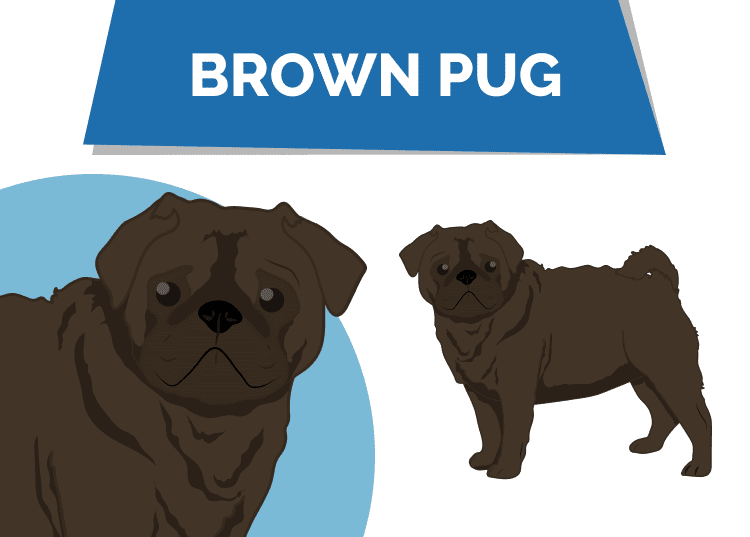
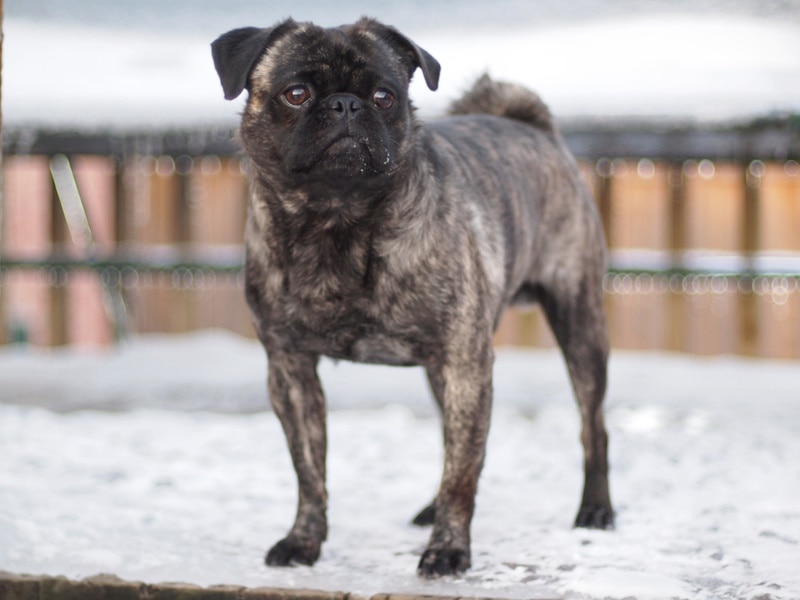
However, you count them, these four shades are pretty standard in Pugs. But lately, “designer” Pugs have been cropping up with all sorts of colors, like brindle, merle, chocolate, and “panda.” These are crossbred with other breeds to get a new, unusual shade of Pug.

3. Longer Noses Are Making a Comeback
If you’ve ever read anything about Pugs, you probably know about their nose controversy. Their short snouts make them prone to all sorts of dental and breathing problems. Many dog owners don’t want to support the breeding of Pugs because of their noses.
But lately, breeders have begun to listen. Many breeders now focus on breeding Pugs with a medium-short nose instead of trying to squish them as much as possible. It’s slightly less “pugly,” but we’re glad they’re putting health over beauty.

Do Fawn Pugs Make a Good Pet?
Fawn Pugs can make a great pet—they’re loving, loyal, and funny. But they do require consistency with training and an attentive owner who can be aware of possible health problems. Because many Pugs have problems related to their pot bellies and squashed faces, it’s good to consider whether you’re really prepared to care for a Pug.

Conclusion
For thousands of years, everyone who’s seen a Fawn Pug has thought it was something special. With its striking appearance, it is no wonder that kings and emperors have long coveted this breed of dog. If you’re lucky enough to call a Fawn Pug your own, you’ve joined an elite club.
See also: Panda Pugs: Pictures, Facts & History
Featured Image Credit: 220 Selfmade studio, Shutterstock
Get Hepper In Your Inbox


Pet care tips from our vets and experts, straight to your inbox.
You may opt-out at any time. View our Privacy Policy for more information.

Chelsea Flake Mortensen is a writer with a passion for pets. She grew up around everything from cats to chameleons and loves working with all kinds of animals. Chelsea has a BA in English and Creative Writing from Brigham Young University.
Chelsea loves reading, writing, sewing, and board games. She's lived in half a dozen US states and two countries. She is currently living in New England with her husband. Her articles have been featured in various magazines and literary journals for children and adults. Her writing has been translated into over 40 languages.
Join the conversation
Ask a question, share your story, or send private feedback.