Hepper is reader-supported. When you buy via links on our site, we may earn an affiliate commission at no cost to you. Learn more.
Are Deaf Cats More Affectionate? Interesting Facts & FAQ
In this article
Cats with disabilities can make wonderful pets, just like their able counterparts. Everything from partial paralysis to blindness to a missing limb can be addressed with veterinary intervention, adaptive equipment, and a little extra love and attention.
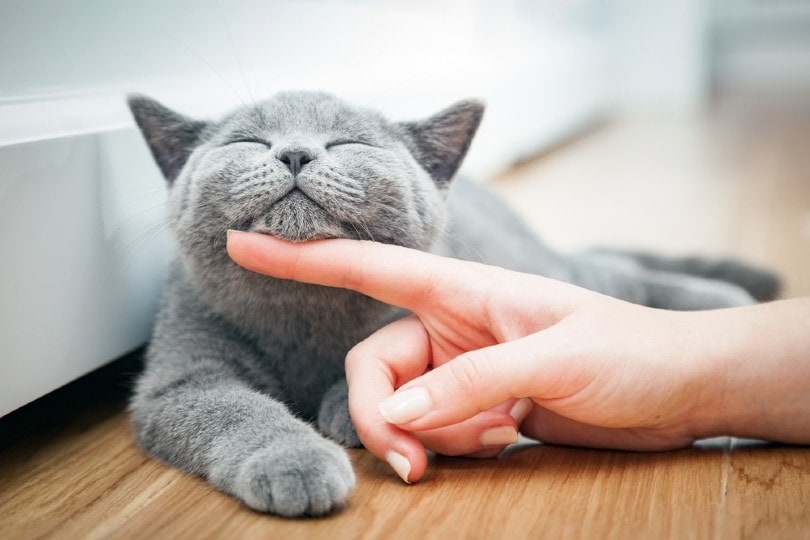
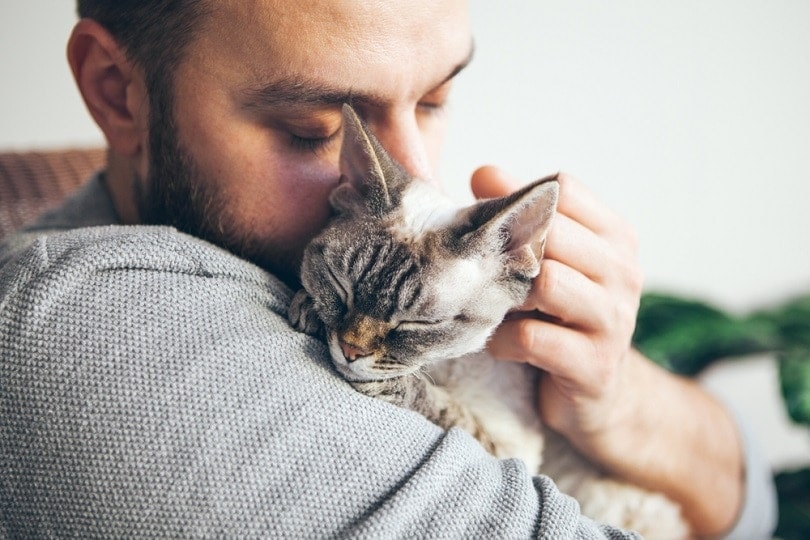
Deafness, though an invisible disability, is the same. Deaf cats can be just as good a pet as hearing cats, and deaf cats may even be more affectionate because of different communication. While there’s no research on the subject, deaf cats may use more touch and vibration to understand their environment, just like a deaf human.

How to Tell if Your Cat Is Deaf
One of the challenges with deafness is that it’s not always obvious. Some cats don’t respond to verbal commands, even with perfect hearing. However, you may notice your cat doesn’t react to everyday sounds, such as loud traffic, kitchen sounds, or dogs barking.
Cats hear high-frequency sounds better than people, and that skill is the first to go when a cat is losing its hearing. This makes it more challenging to notice when your cat’s hearing is failing.
Here are some signs to watch for:
While some of these symptoms may be a cat just ignoring you, as cats do, several of them may mean a vet visit is in order.
Do Cats Lose Hearing with Age?
Just like humans, cats may lose their hearing as they age. Hearing is created when air vibrations stimulate the eardrum and move the tiny bones of the inner ear. This movement vibrates hair cells that are suspended in fluid in the inner ear. As these hair cells move up and down, they bump into the structure and bend. This opens the tips, and chemicals rush into the cells, creating an electrical signal that’s sent to the brain.
With age, these individual components can become damaged or inflamed, impacting hearing. But hearing loss doesn’t only occur in older cats. Hearing can be damaged by consistent, loud sounds over time, like music or direct trauma to the ear’s structures.
Communicating With a Deaf Cat
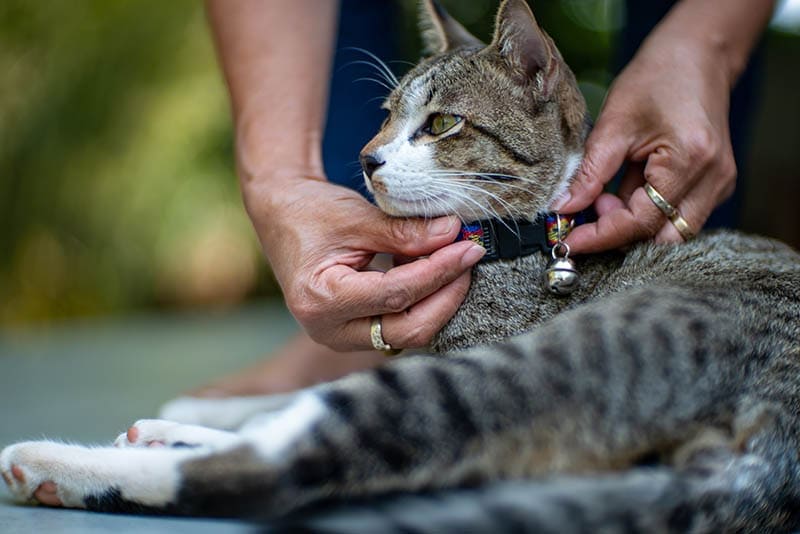
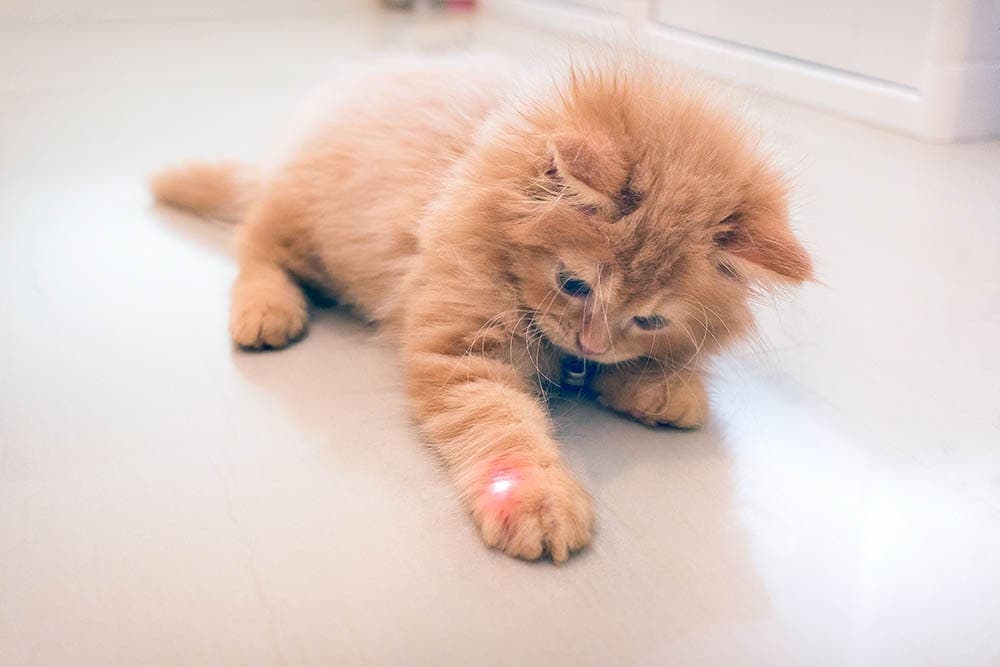
Without hearing, deaf cats need to rely on other senses, like touch and vision. They may not be able to hear you when you call for them or open a can of cat food, but they can see movement and react to touch and vibration.
You have several options to communicate with your deaf cat:
Caring for a Deaf Cat
Keeping a deaf cat isn’t much different than a hearing cat. The most important thing to remember is that deaf cats are missing a vital sense that they need to detect threats and find food. This isn’t a problem for a strictly indoor domestic cat, but it can be dangerous for an outdoor or stray cat. Always keep your deaf cat indoors where it’s safe and protected.
It’s also important to remember that deaf cats aren’t as easy to alert as hearing cats. They may be more nervous or anxious, which can turn to defensiveness or aggression if you startle them. Use visual or vibration cues and gentle touch to alert your cat and avoid scaring it.
Deaf cats may sleep more deeply than hearing cats since they don’t have any noises to keep them alert or wake them. Unless there’s a significant change in sleep patterns, this isn’t a cause for alarm.
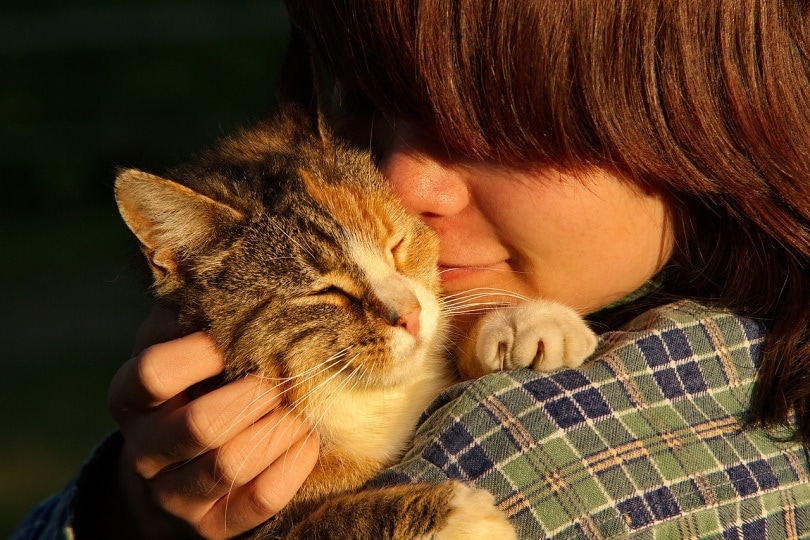
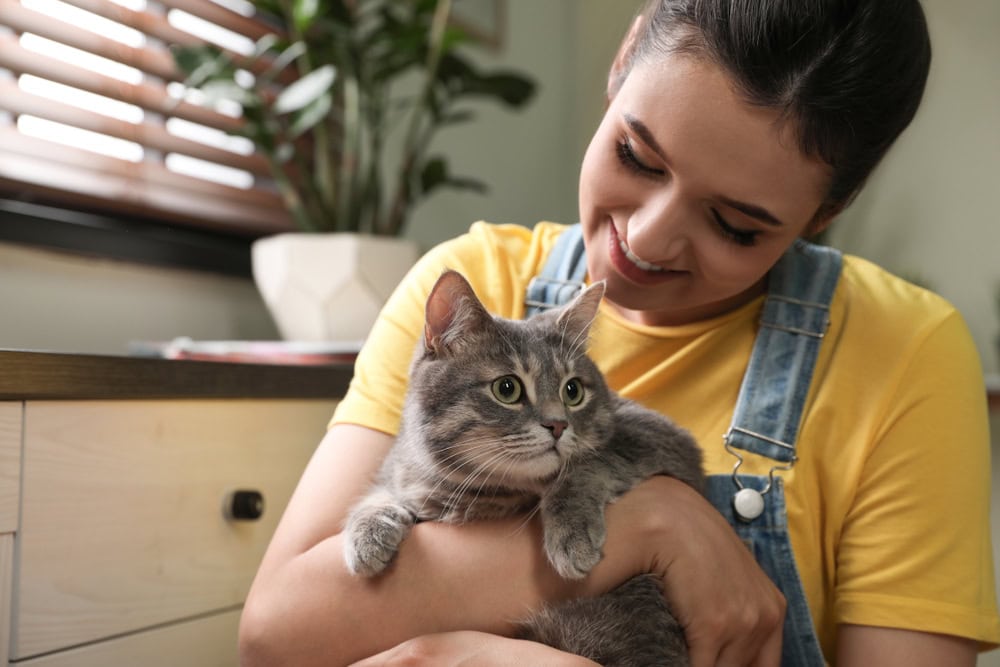
Finally, deaf cats may be more vocal, needy, and affectionate with their owners. This could be due to feeling insecure without hearing or replacing the lost sense with increased touch. Remember to give your deaf cat plenty of love, attention, and playtime.
Conclusion
A deaf cat can live a happy, rewarding life and be a great pet for its owner. These cats don’t need much more than any other cat in terms of care, as long as their owners stimulate their other senses. If your deaf cat becomes more affectionate, just enjoy all the extra love!
Featured Image Credit By: Veera, Shutterstock
Get Hepper In Your Inbox


Pet care tips from our vets and experts, straight to your inbox.
You may opt-out at any time. View our Privacy Policy for more information.

Nicole is a lover of animals of all sizes but is especially fascinated with the feline variety. She’s the proud mom of Baby, a Burmese, and works every day so he can relax in the sunshine or by the fire. She’s always had a cat in her home and has spent countless days with others, observing behaviors and softening up even the grouchiest of the lot. Nicole wants to share her kitty expertise with you so you and your cat can live happy, healthy, and care-free.
Join the conversation
Ask a question, share your story, or send private feedback.