Hepper is reader-supported. When you buy via links on our site, we may earn an affiliate commission at no cost to you. Learn more.
Are French Bulldogs Brachycephalic? Vet-Approved Facts & FAQs

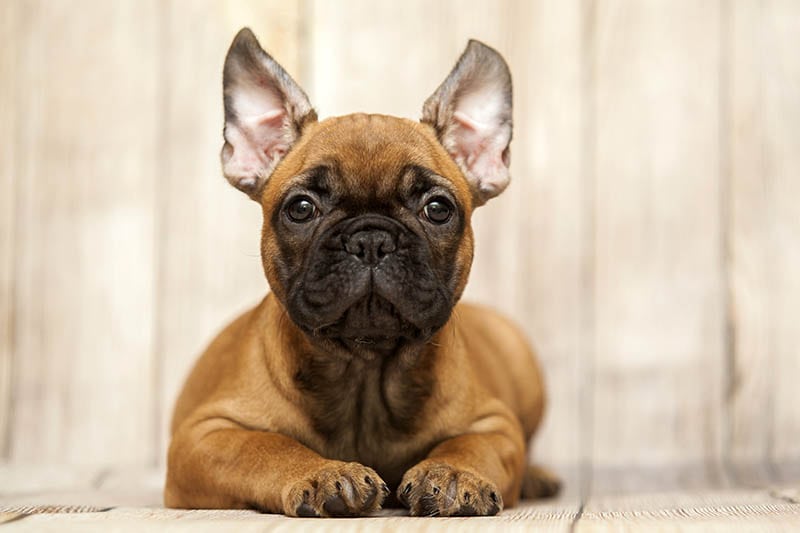
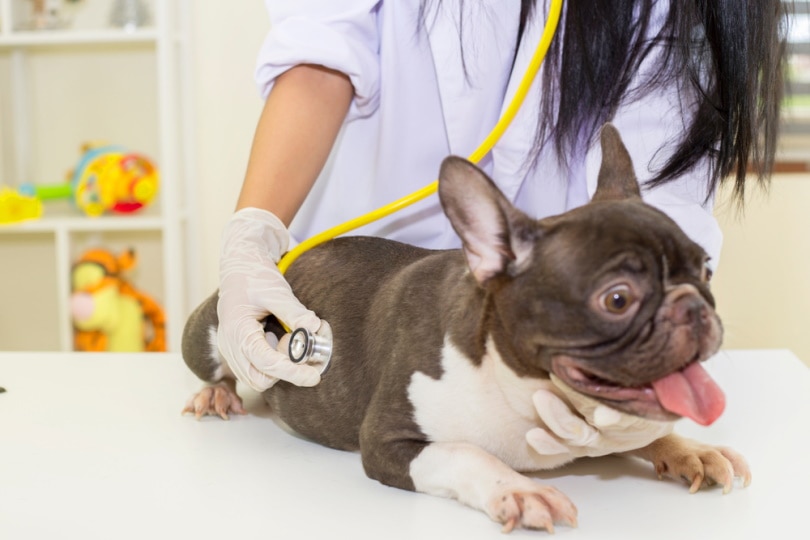
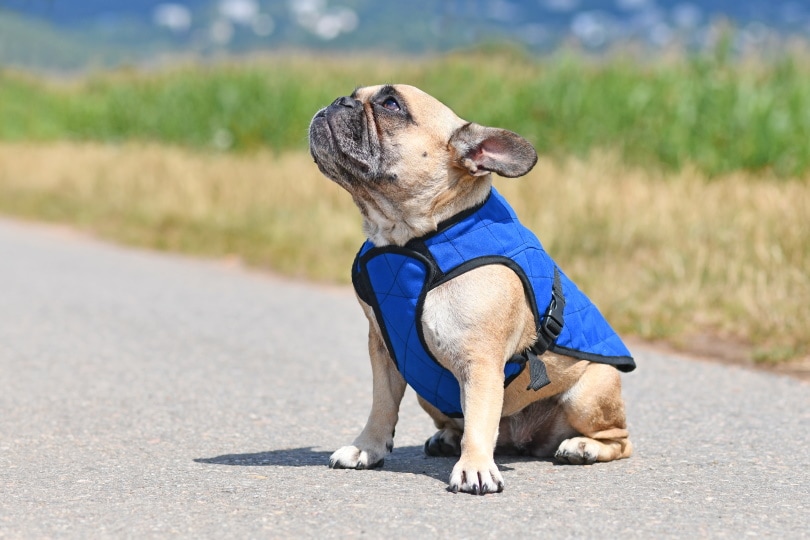
French Bulldogs are one of the most adorable and loved dogs worldwide, and in 2022, they even received the title of the most popular dog breed in the US. Pet parents of French Bulldogs are well aware of how charming and friendly these dogs are. What most of us do not understand, but many French Bulldog parents worldwide have to deal with daily, is a particular condition called Brachycephalic Obstructive Airway Syndrome,1 BOAS. French Bulldogs are one of several dog breeds that experience this syndrome, causing them to experience problems connected to their upper airway. This is down to the brachycephalic shape of the French Bulldog skull. Yes, French Bulldogs are brachycephalic.
If you or someone you know has a Frenchie read on to find out more about Brachycephalic Obstructive Airway Syndrome. Find out how you can recognize it and help make their lives with this syndrome more tolerable.

What is Brachycephalic Airway Obstruction Syndrome?
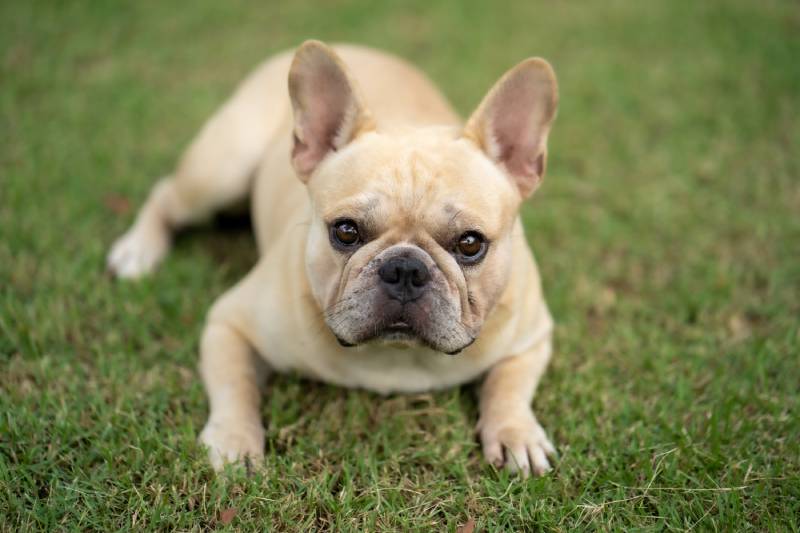
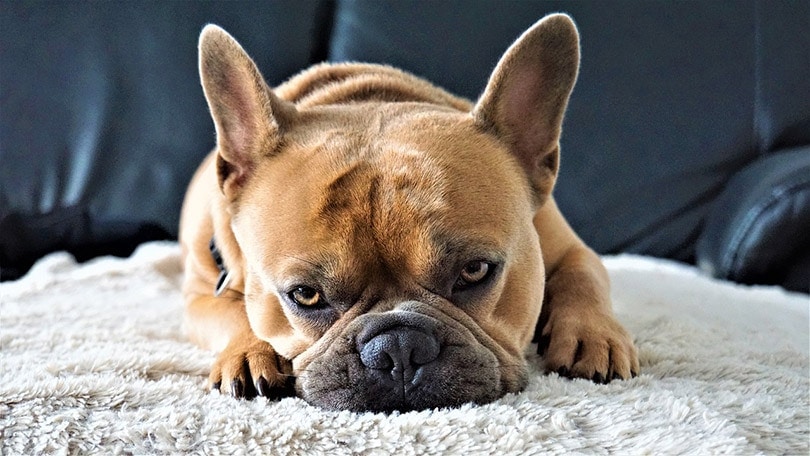
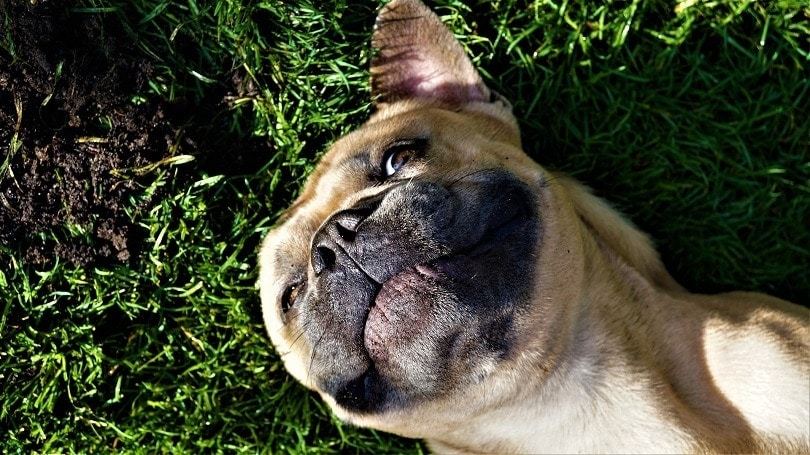
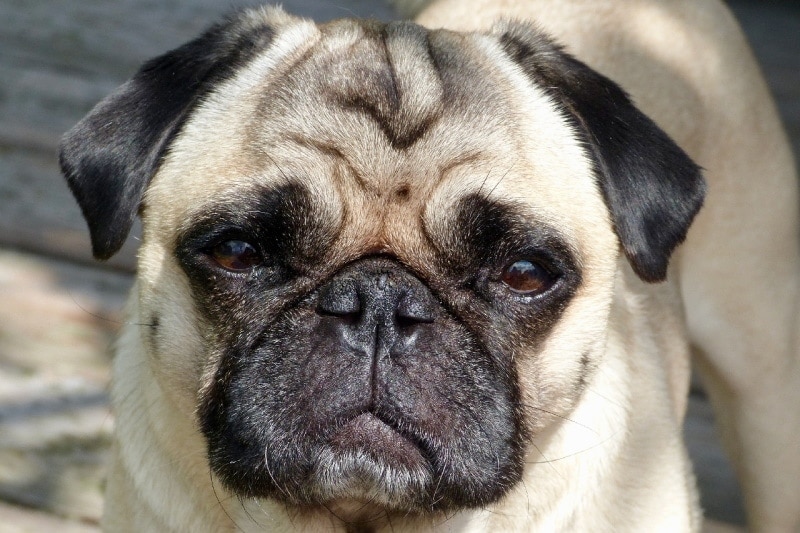
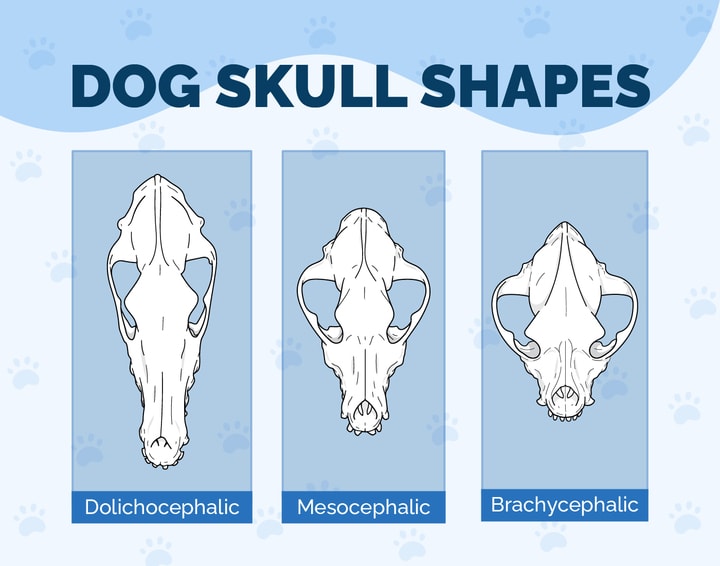
Brachycephalic Obstructive Airway Syndrome is a condition that affects certain breeds with short faces, causing airway and breathing abnormalities. The term brachycephalic derives from the Ancient Greek words brakhu meaning short,2 and cephalos meaning head. Brachycephalic dog breeds have shorter, broader bones of the skull, creating a squashed appearance of the nose and face. Many people love this smushed face shape but it can have severe health consequences for some brachycephalic dogs. Although the bones of the face are shorter there is generally still the same amount of soft tissue to fit in this reduced space. Not all brachycephalic dogs have BOAS, but many do. BOAS is the result of particular set of upper airway anatomy abnormalities that can include:3
- Tracheal collapse: The tracheal cartilages are not fully formed and collapse causing blockage and restriction of proper airflow.
- Everted laryngeal saccules: The laryngeal saccules become turned inside out and sucked into the airway causing irregular airflow.
- Elongated soft palate: The soft roof of the mouth is too elongated for the mouth, partially blocking the airflow at the back of the throat.
- Extended nasopharyngeal turbinates: Nasopharyngeal turbinates are extended towards the area between the nose and the mouth, causing significant airflow obstruction.
- Stenotic nares: The nostrils are abnormally narrowed, preventing proper airflow through the nose. They often do not move freely either.
- Hypoplastic trachea:The trachea or windpipe is much smaller in diameter than normal.
- Macroglossia: Overly large tongue can press on the soft palate, again reducing the space for airflow.
What Are the Signs of BOAS?
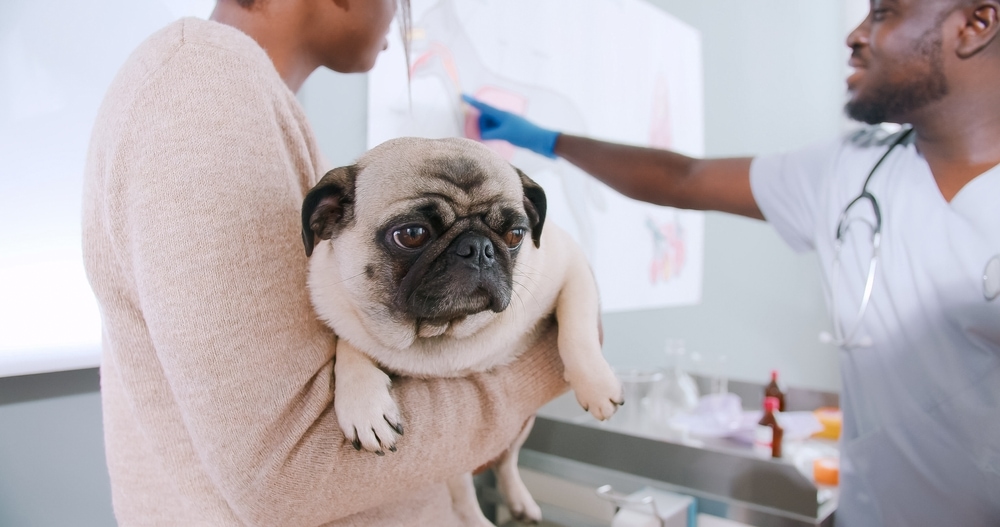
Many signs characterize Brachycephalic Obstructive Airway Syndrome. Dogs with these types of anomaly have a significantly reduced quality of life, so it is crucial to know how this condition affects them. Dogs with BOAS have difficulty breathing properly and suffer from shortness of breath. Due to the inability to breathe correctly, dogs with this syndrome can develop many health problems including sleep apnea and chronic stress. The most common way to recognize a dog with BOAS is difficulty breathing, which causes the dog to make noise while breathing and snort loudly. BOAS can significantly impair the dog’s ability to lead a normal life, and it may even prevent them from exercising, eating and sleeping normally. Your veterinarian will examine your dog and their ability to exercise to determine if they have BOAS.
Signs often seen in BOAS
Brachycephalic Dog Breeds
There are several brachycephalic dog breeds and they can be affected by Brachycephalic Obstructive Airway Syndrome. These breeds are very popular and loved in the United States. Below you can find a list of different breeds that are brachycephalic.
- Boxer
- Shih Tzu
- Affenpinscher
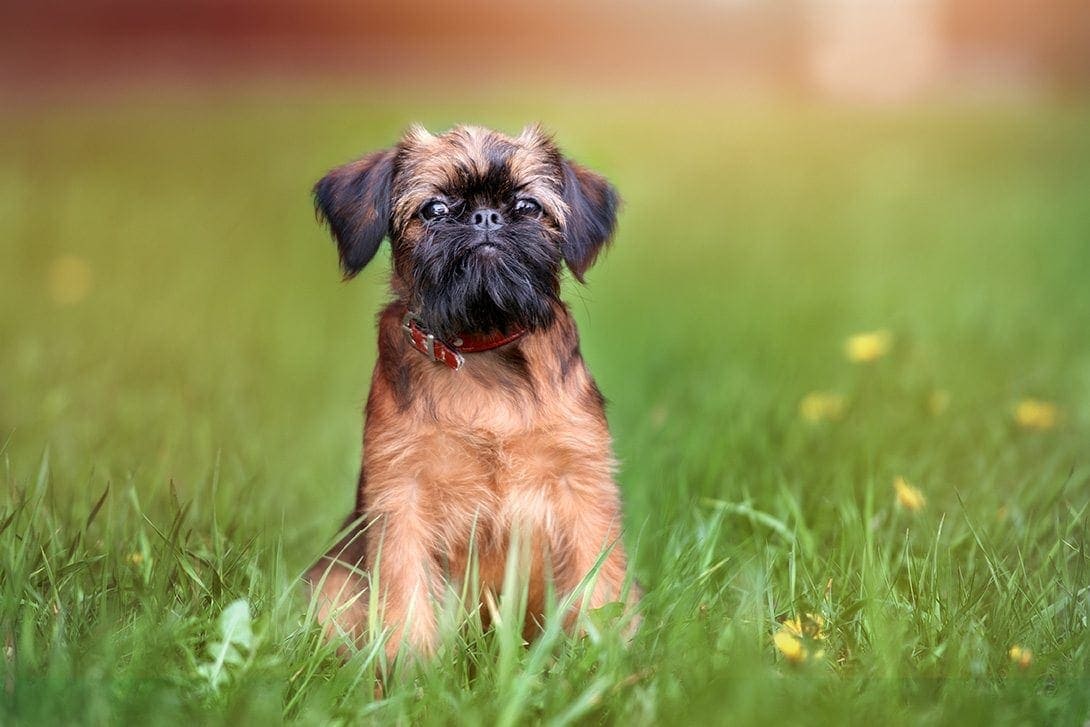
- Brussels Griffon
- Bullmastiff
- French Mastiff
- Pekingese
- Pug
- English Toy Spaniel
- Cane Corso
- Chow Chow
- French Bulldog
- Boston Terriers
- Japanese Chin
- Lhasa Apso
Are French Bulldogs Brachycephalic?
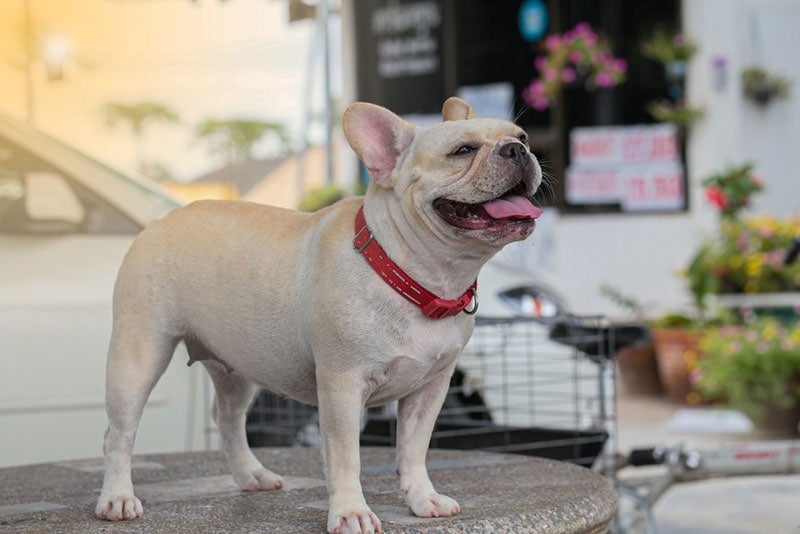
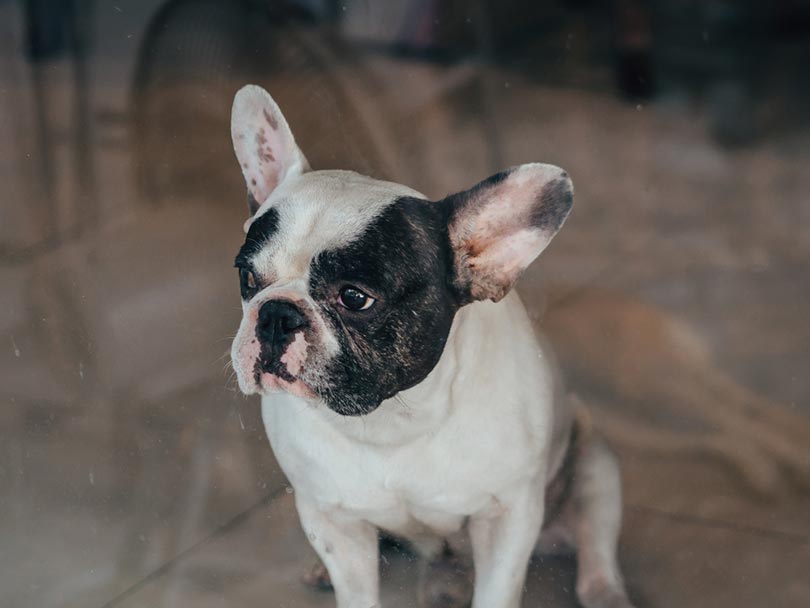
As you’ve seen in the list above, French Bulldogs are brachycephalic and are one of the most common examples of this skull shape. Studies estimate that around 50% of French Bulldogs will suffer clinically significant effects of BOAS. However studies vary from around 22% to around 90%. It makes these dogs’ breathing more difficult than usual, having lower oxygen saturation in their blood than other unaffected dogs. Since Frenchies are brachycephalic they are vulnerable to BOAS as a consequence of breeding for short faces. They tend to breathe more from their mouth than their nose, get tired quickly, and have difficulty performing their daily activities.
Chances are, whenever you’ve petted a French Bulldog, you notice loud snorting noises they make, which is the most common symptom of BOAS. Even with this medical condition, French Bulldogs never stop being adored worldwide. Their adorable appearance and small size give them a charm few animal lovers can resist. In 2022, the French Bulldog surged in popularity, earning the title of the most popular dog breed for the first time in history. Getting your dog checked by your veterinary surgeon for BOAS and choosing responsibly bred Frenchies are important first steps. Steps are being taken by some breeders to improve the shape of their dogs to ensure easier breathing.
How To Care for a French Bulldog with BAOS
Caring for your French Bulldog properly is crucial and needs to be done in specific ways to make their BOAS experience more manageable and less painful. One of the essential pieces of caring advice for brachycephalic dogs is maintaining a healthy weight. Obesity will worsen the symptoms of BOAS, so appropriate regular exercise and diet control are a must. Still, you must be careful not to overexert your dog, especially during hot days or in high humidity. Since they have trouble regulating their temperature during and after workouts, it may cause a lot of stress to their bodies. Visiting your veterinarian is your first stop on this life long journey.

Treatment of Brachycephalic Airway Obstruction Syndrome
While there are ways to manage this condition, there is no way to correct the anatomical abnormalities without surgery. Certain surgeries during the younger years of a brachycephalic dog can significantly improve its quality of life. Surgery is an excellent choice if the abnormalities of the upper respiratory system interfere with the dog’s breathing. Common surgeries performed by veterinary surgeons are nostril widening, shortening of the soft palate and sometimes tracheal stenting.
For short-term relief of respiratory inflammation, the vet may prescribe corticosteroids or nonsteroidal anti-inflammatory drugs combined with oxygen therapy.

Final Thoughts
French Bulldogs are brachycephalic-they have short broad skulls. Around 50% of French Bulldogs will also have Brachycephalic Obstructive Airway Syndrome. Living with BOAS can significantly affect your dog's health, although there are several ways you can aid them. Make sure to visit your vet for advice and treatment. The sooner the better. Look to responsible breeders who are trying to improve the conformation of their dogs to reduce the risk of breathing difficulties but keep the fun personalities.
Sources
Featured Image Credit: Sbolotova, Shutterstock
Get Hepper In Your Inbox


Pet care tips from our vets and experts, straight to your inbox.
You may opt-out at any time. View our Privacy Policy for more information.
I am a freelance writer with a restless and adventurous spirit. After graduating from the College of Fine Arts, I began searching for a medium to express my imagination. Content writing is a passion that took me by storm. When I am away from my peaceful writing nook, I work as a sculptor, painter, and woodworker in my workshop. I plan to continue nurturing my passion for writing and use it as a vessel for my neverending creativity.
Join the conversation
Ask a question, share your story, or send private feedback.