Hepper is reader-supported. When you buy via links on our site, we may earn an affiliate commission at no cost to you. Learn more.
14 Dog Breeds with Short Snouts: Info, Pictures, & Vet-Reviewed Health Details

In this article
Dogs with short snouts, also known as brachycephalic, have become firm favorites among dog owners; their squishy faces and cheeky personalities have made them some of the most popular breeds in the US. But the traits that make them so appealing carry with them a list of health concerns that every potential owner should be aware of.
In this article, we’ll discuss 14 breeds with short snouts. We’ll examine how they make wonderful companions and highlight some of their health issues to better prepare you for owning a brachycephalic breed.

How Are Dog Breeds with Short Snouts Classified?
The skull bones of a brachycephalic dog are shorter than those of other breeds; branchy means shortened, while cephalic means head. They have smaller nostrils and narrower airways. Brachycephalic dog breeds have a few health issues despite their immense popularity and physical allure.
Although this might sound frightening, not all brachycephalic dogs are destined to have a difficult life. Some are more severely affected than others, and for these dogs breathing difficulties represent an animal welfare concern. Some mildly or non-affected dogs can still enjoy a long and fulfilling life with the right care, grooming, and regular trips to the vet.
The 14 Dog Breeds with Short Snouts
1. Pug
Breed Overview
Height:
Weight:
Lifespan:
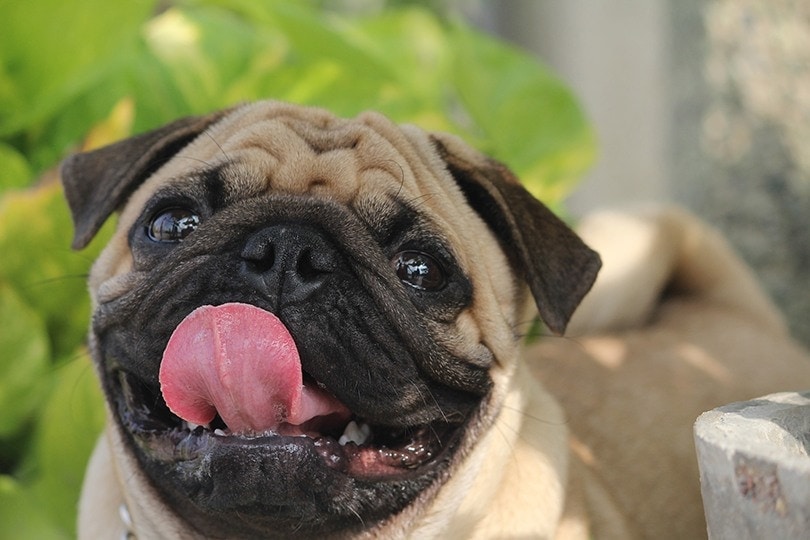
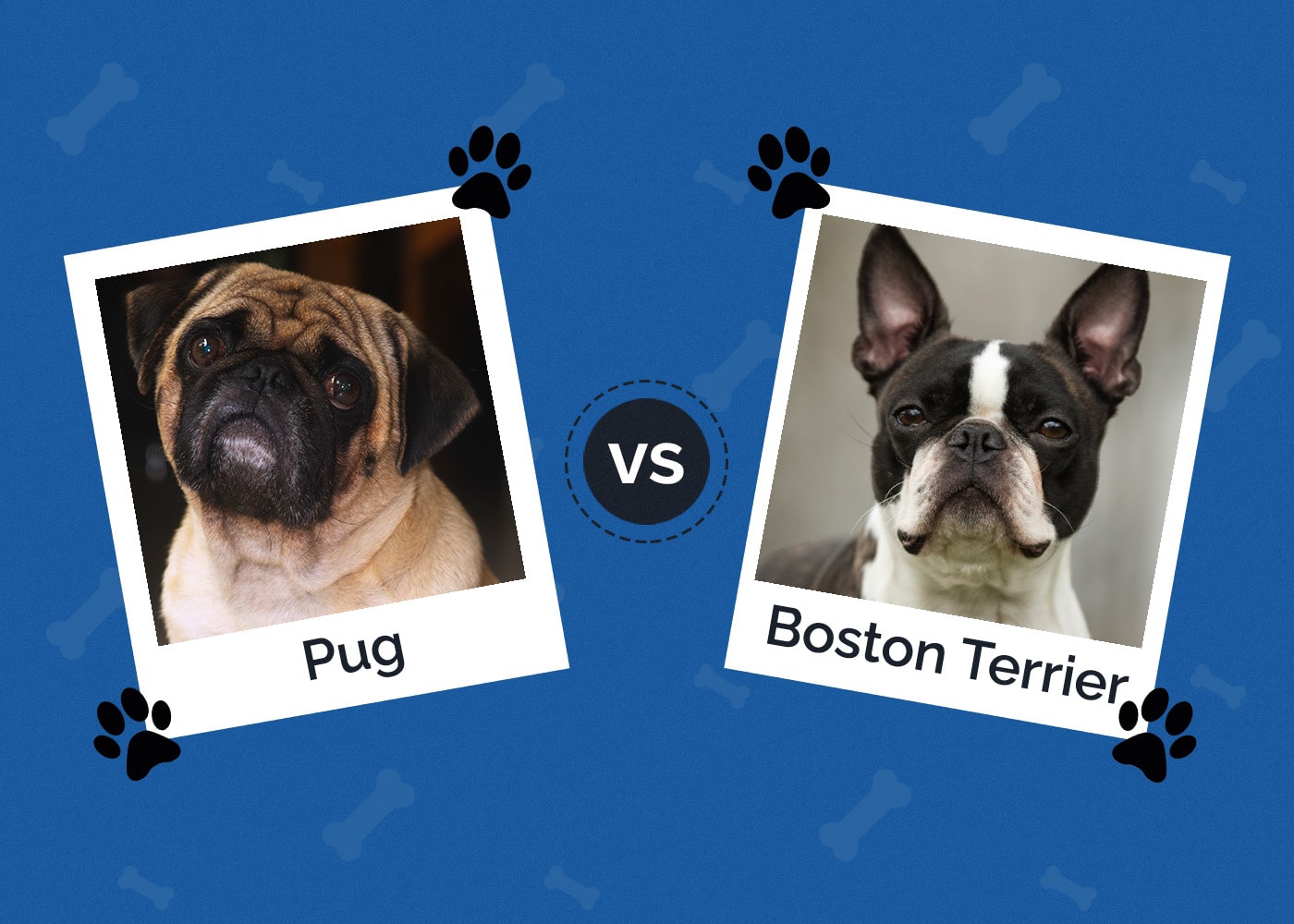
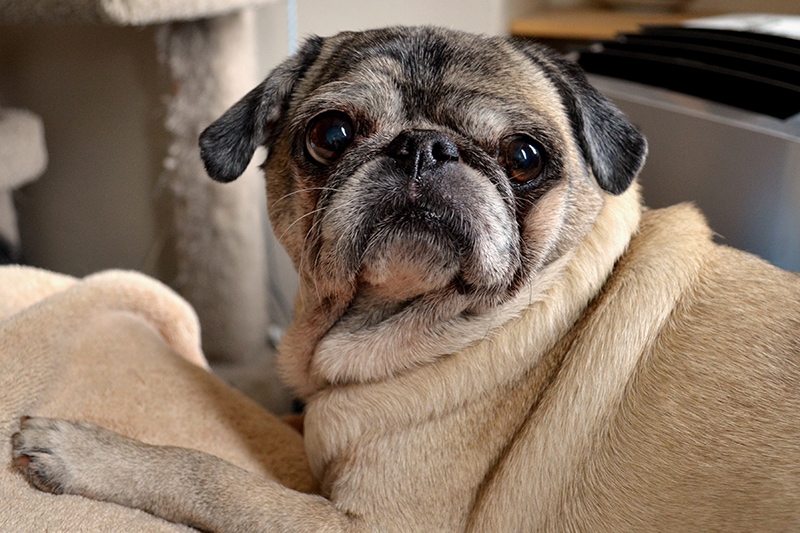
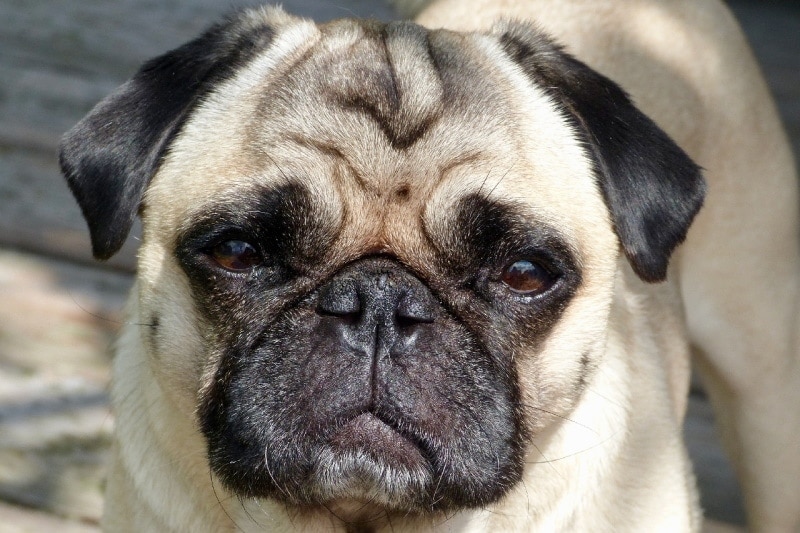
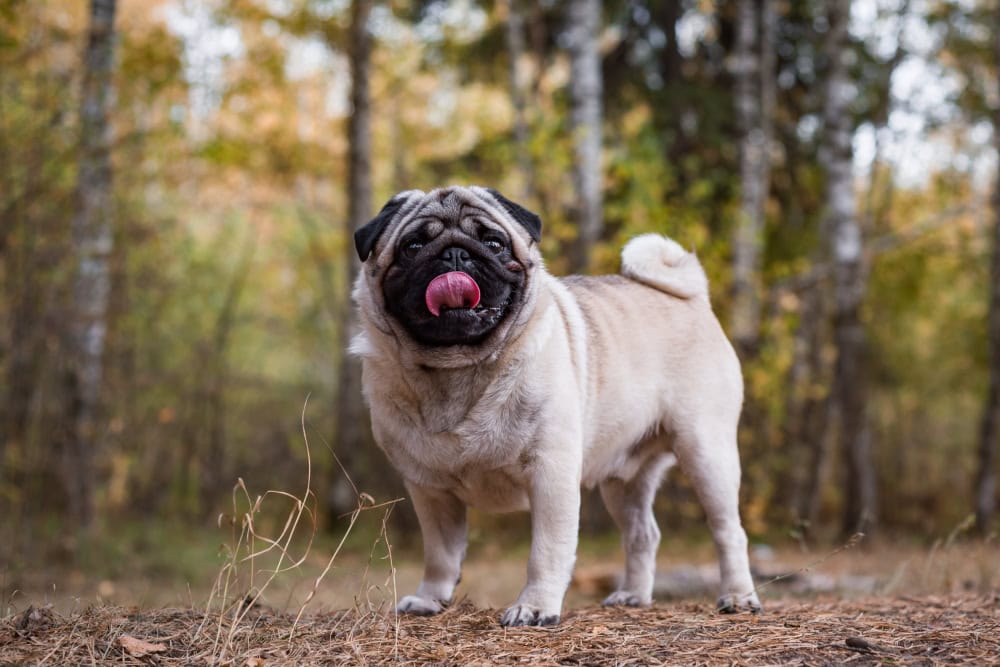
When you think of short-snouted breeds, the Pug is usually one of the first dogs that comes to mind. They are the definition of cuteness with their “squashed” faces adorned with wrinkles and dark bulging eyes, and you can't help but smile when you meet one.
Pugs make an ideal lapdog and companion for county or city living. They are affectionate, playful, and often known as the clowns of the dog world with their goofy personalities. Pugs will be happy as an only pet or roommate to other pets. They love attention, so they need an owner that will be there for them.
Pugs have a lifespan of about 13–15 years. Their eyes are one of their distinctive characteristics, but they are also one of their biggest vulnerabilities. Pugs can be prone to eye issues such as corneal ulcers and dry eyes. They may also be predisposed to health issues such as Legg-Calvé-Perthe disease, allergies, and other common brachycephalic health issues, most notably, Brachycephalic Obstructive Airway Syndrome (BOAS).
2. English Bulldog

Breed Overview
Height:
Weight:
Lifespan:
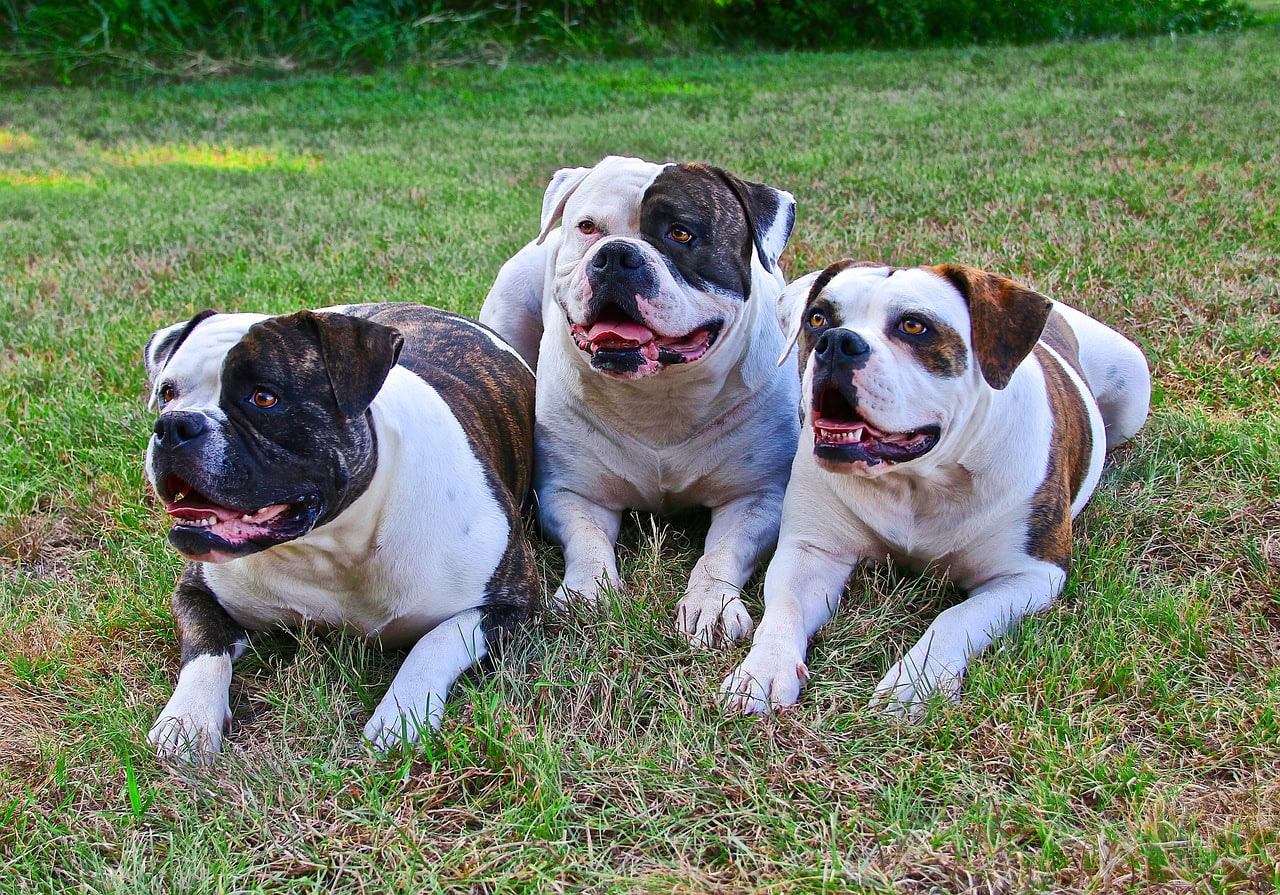
The English Bulldog cannot be mistaken for any other breed; easily recognized by their loose skin, small ears, droopy cheeks, and short snout. English bulldogs will enjoy country or city living and form strong bonds with their humans no matter where they live.
They are loyal and have a natural protective instinct due to their sad history of being used for bull-baiting. They are affectionate and enjoy being the center of attention, which makes them amusing and enjoyable company.
The English Bulldog has a lifespan of 8–10 years, which is sadly a lot shorter than most dogs. They are also prone to health issues such as allergies, skin fold pyoderma, BOAS, hip dysplasia, entropion, and obesity. In many cases, the breeding of English Bulldogs requires artificial insemination and cesarean births due to their extreme anatomical characteristics, which is bringing the breed under an ethical microscope.
3. French Bulldog
Breed Overview
Height:
Weight:
Lifespan:
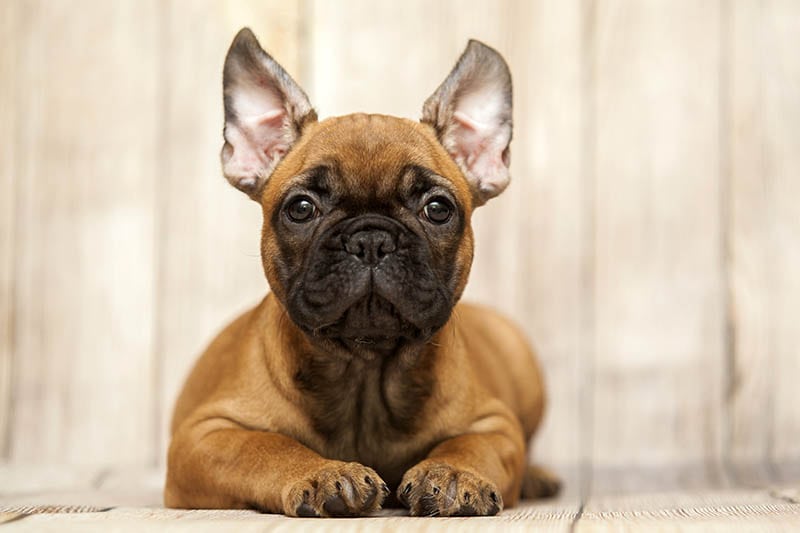
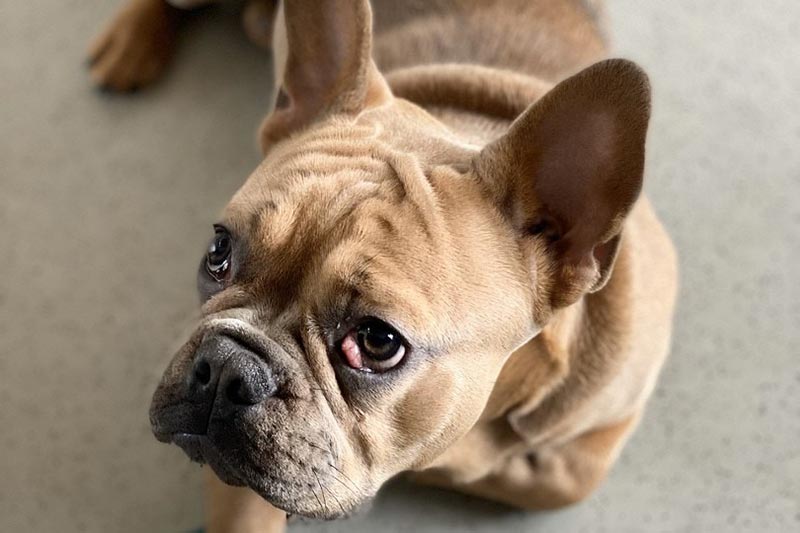
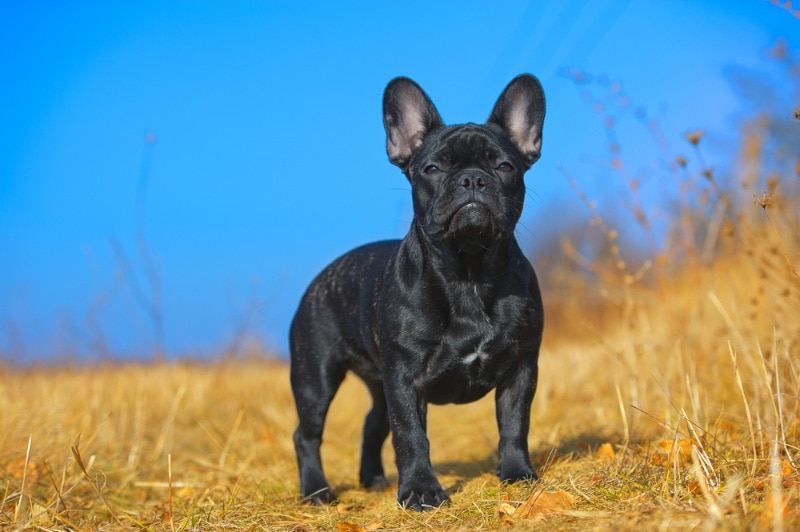
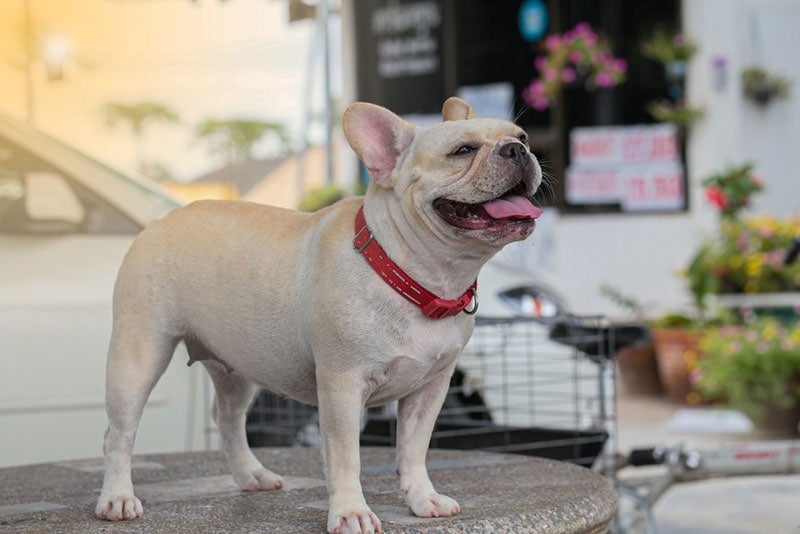
One of the most popular dog breeds in the world, particularly among urban residents, is the French Bulldog; distinguished by their enormous bat-like ears and lively temperament. The charming Frenchie is playful, attentive, and utterly irresistible. Frenchies are quiet dogs who rarely bark, although many have rather unique voices they use to greet friends and warn of strangers.
French Bulldogs have an average lifespan of about 10–12 years. Predisposed health issues include cherry eye, entropion, BOAS, allergies, back injuries, and birthing problems.
4. Pekingese
Breed Overview
Height:
Weight:
Lifespan:
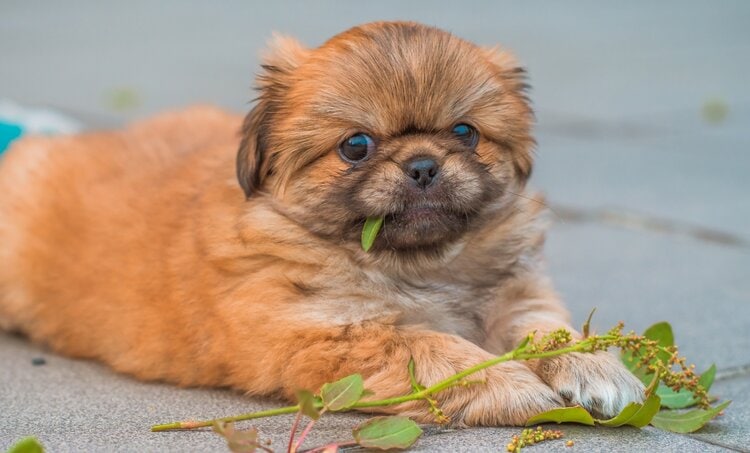
The Pekingese is a toy breed distinguished by their flowing, fluffy mane and regal demeanor. They have prominent personalities packed into tiny bodies, and although confident and seemingly opinionated at times, they are friendly and develop strong bonds with their human companions.
The Pekingese has an average lifespan of about 12–14 years. While they are generally a healthy breed, they may be prone to health issues such as patellar luxation, progressive retinal atrophy, dry eye, BOAS, and dental disease.
5. Boxer
Breed Overview
Height:
Weight:
Lifespan:
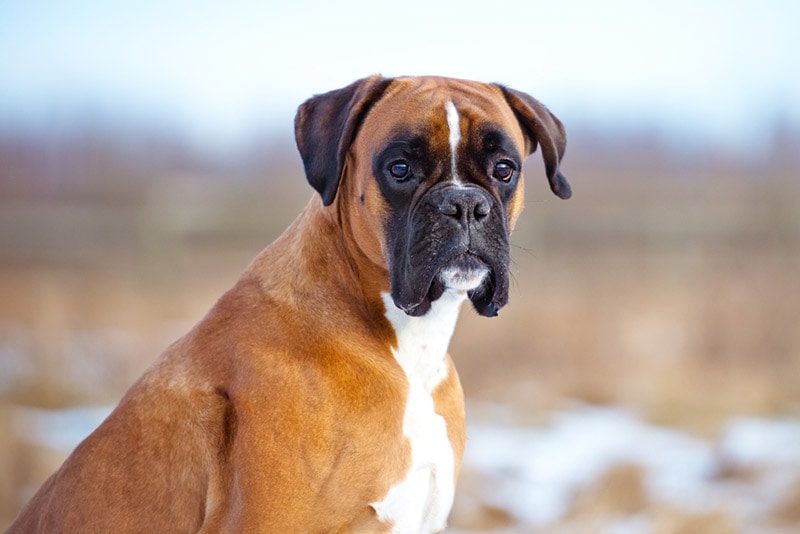
The Boxer’s loyalty, love, intelligence, and gorgeous coats make them one of America's most popular dog breeds. They are lively and alert, occasionally goofy, but always energetic and friendly. Boxers often make excellent pets for busy families due to their energetic and spirited character. They are known to be terrific dogs with kids because of their tolerance and protectiveness.
They take their roles as family protectors and watchdogs very seriously, and they will bravely respond to threats, though not usually with aggression. Boxers have an average lifespan of about 10–12 years. They may be predisposed to health issues such as cancer, hip dysplasia, thyroid deficiency, degenerative myelopathy, cardiomyopathy, and gastric dilatation-volvulus.
6. Neapolitan Mastiff
Breed Overview
Height:
Weight:
Lifespan:
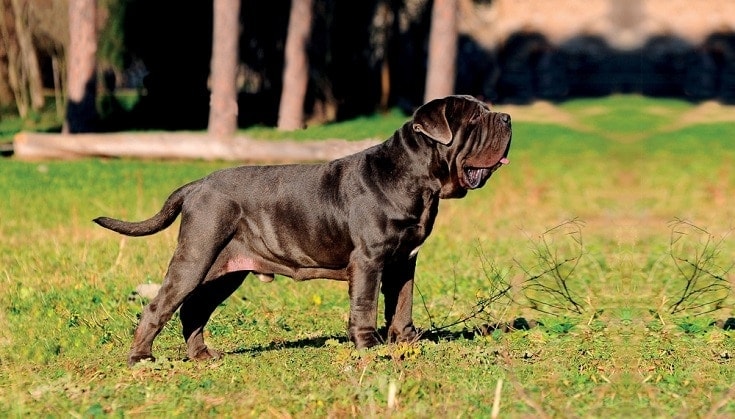
Since ancient Roman times, the Neapolitan Mastiff has been a brave guardian, with their giant frame and intimidating demeanor. The very wrinkled Neapolitan Mastiff can be wary of outsiders, yet loving, calm, and unchanging with family. Neapolitan Mastiffs often prefer to stay at home.
Although they occasionally like to go for walks, they are content to lounge around the house all day and receive most of their exercise through playing in the backyard. Due to their intelligence, gentleness, and affection, Neapolitan Mastiffs make lovely family pets.
The Neapolitan Mastiff has a short average lifespan of 7–9 years. Their large size and predisposition for health problems are the reason for their short lifespan. Neapolitan mastiffs may be prone to hip and elbow dysplasia, heart disease, gastric dilatation-volvulus, allergies, and cherry eye.
7. Boston Terrier
Breed Overview
Height:
Weight:
Lifespan:
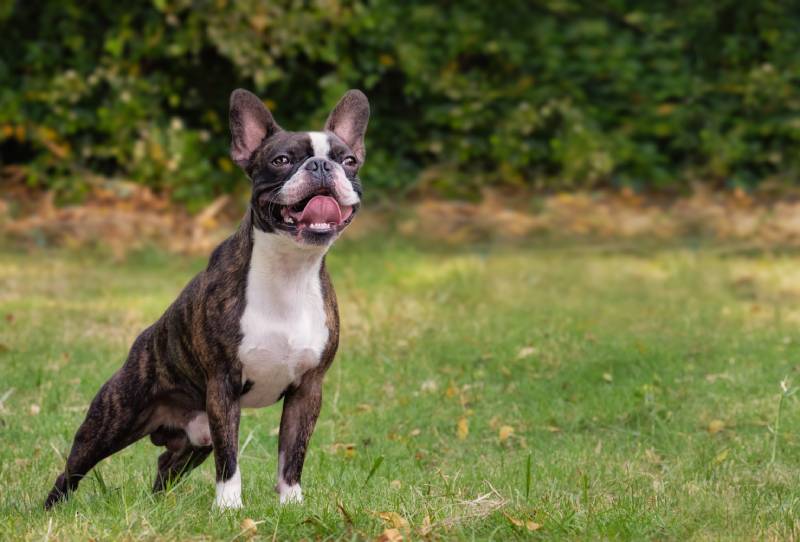
The Boston Terrier is a cheerful little canine distinguished by their sporty yet compact frame, large, wide eyes, tall ears, and tuxedo jacket-like coat. They have earned the nickname "The American Gentleman" for their excellent manners and suit-like coat. They love participating in their family's activities and can be rather boisterous. They are good family dogs and get along nicely with kids as long as they play gently.
The Boston Terrier has an average lifespan of about 11–13 years. They can be predisposed to health concerns such as BOAS, patellar luxation, and deafness. It is crucial to safeguard the Boston Terrier's adorable but prominent eyes. Their eyes should be examined for irritation or redness, glaucoma, corneal ulcers, and cataracts.
8. Bullmastiff

Breed Overview
Height:
Weight:
Lifespan:
Bullmastiffs result from crossing a Bulldog and a Mastiff. The distinctive features of bullmastiffs include their broad heads, V-shaped ears, black eyes, muscular bodies, and wrinkly, short snouts. The Bullmastiff is a powerful guardian who is fearless at work and gentle at home.
They excel as both a family member and a protector of their home and family. Bullmastiffs are giant-breed dogs that are intelligent, devoted, and affectionate with their family members and will defend their house from intruders.
The Bullmastiff has a short average lifespan of 7–9 years. They may be prone to heart disease, elbow and hip dysplasia, and eye issues, as well as, gastric dilatation-volvulus, and lymphoma.
9. Chow Chow
Breed Overview
Height:
Weight:
Lifespan:
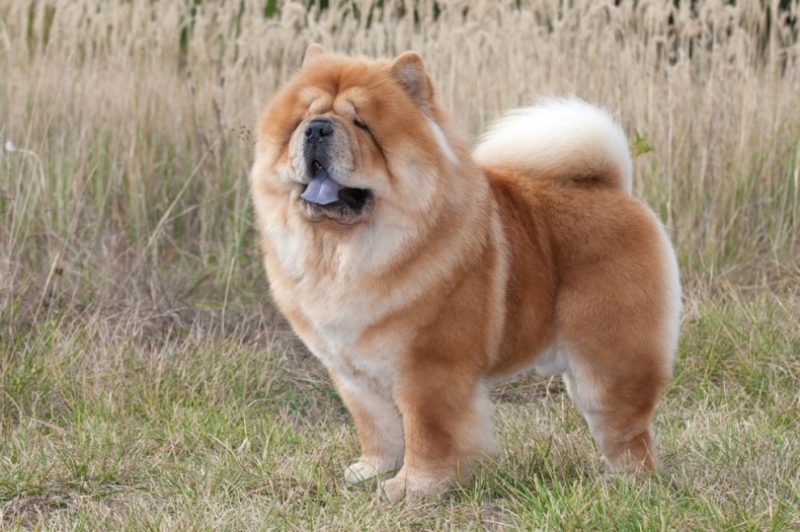
As one of the oldest breeds, Chow Chows are strong, compact dogs recognized by their “squished face,” lion-like mane around their heads and shoulders, droopy, almond-shaped deep-set eyes, curled tail, and haughty expression. They are versatile, serene, and serious-minded, and although distant from strangers, they are devoted to their loved ones.
The Chow Chow is a devoted and intelligent dog that enjoys cuddling, but may not be the best pets for families with small children or multiple dogs and cats. They have an average lifespan of 8–12 years. They may be prone to health issues such as hip and elbow dysplasia, entropion, patella luxation, diabetes, autoimmune thyroiditis, cataracts, glaucoma, gastric torsion, and stomach cancer.
10. Shar Pei
Breed Overview
Height:
Weight:
Lifespan:
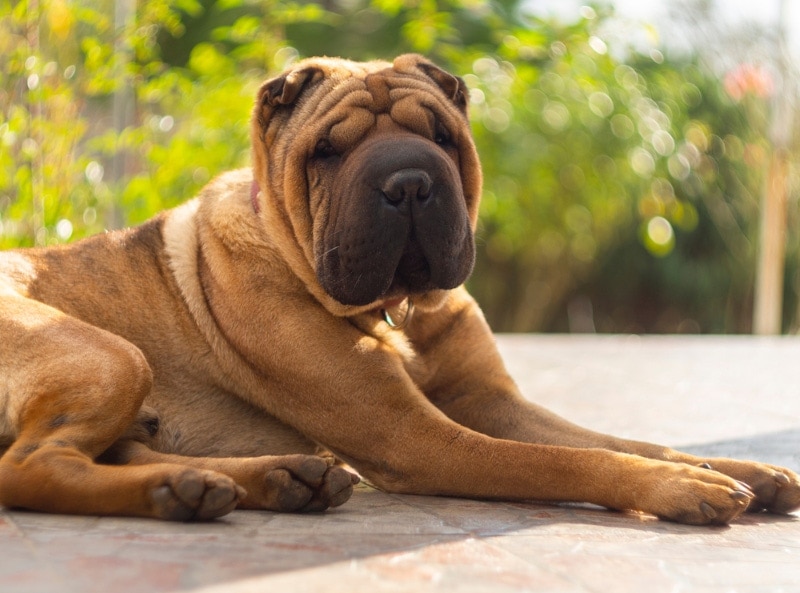
The medium-sized, compact Chinese Shar-Pei combines a variety of unique physical characteristics, including a short snout. Their faces are often described as hippopotamus-like due to their broadness and flat noses. Their eyes are sunken into their folds, which may make them appear to be frowning, and their folds of skin complete their distinctive appearance.
Shar Peis are incredibly intelligent, loyal, strong, and protective, which are just a few traits that make them so loved. While they are great protectors and wary of strangers,they are generally laid-back and calm with their humans. They are affectionate and don’t require vigorous exercise, making them wonderful companions for most families.
Shar Peis have a lifespan of about 8–12 years. One of their major health concerns involves their eyes since they are prone to entropion, Shar Pei fever, Pododermatitis, and ear infections. The skin folds that set this breed apart and make them popular are also the source of their greatest health problem; the folds can impinge on their eyes, obstruct their ears, and develop moist infections.
11. Shih Tzu

Breed Overview
Height:
Weight:
Lifespan:
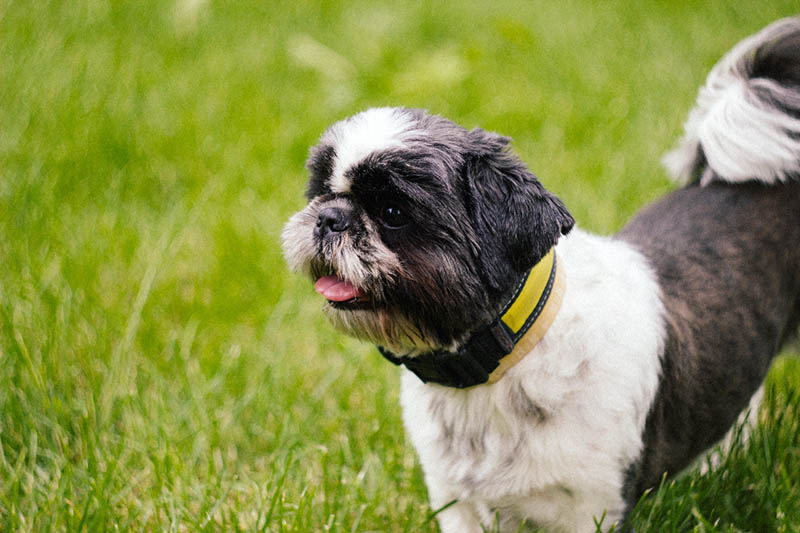
The Shih Tzu has a personality and appearance that is as unique as their name. They are also known as the little “Lion Dog. '' They have a distinguished squished muzzle with underbite, and dark, expressive eyes. Their coats are long and smooth, and they have adorable short, floppy ears. These small dogs are charming, mischievous, lively, and affectionate.
Overall, they are small dogs with huge personalities! They make wonderful companions for children and seniors and are happy to be lap dogs while also joining their humans on an adventurous walk.
Shih Tzus have a lifespan of 10–18 years, which is longer than most dogs. They do not tolerate heat too well and should be supervised around water since they are not great swimmers. Predisposed health issues to be aware of are hip dysplasia, patellar luxation, eye problems, liver shunts, and obesity.
12. Cane Corso
Breed Overview
Height:
Weight:
Lifespan:
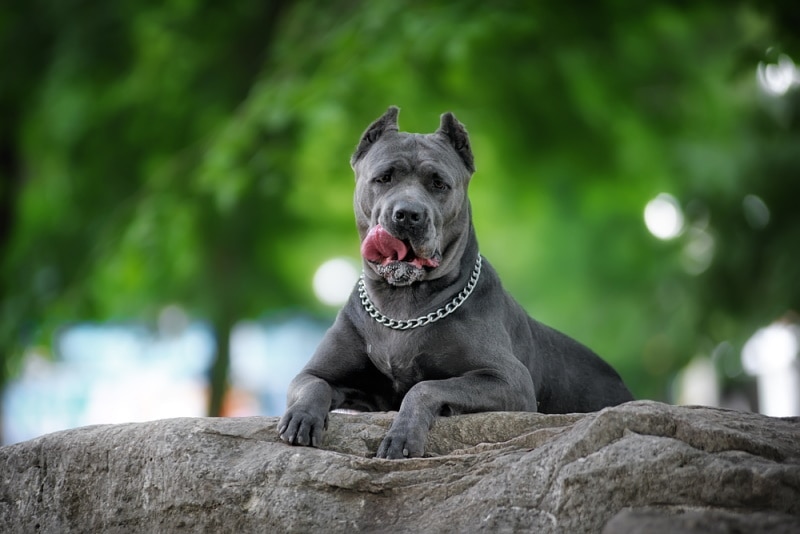
The Cane Corso is a mighty dog that is confident in stature and intimidating in appearance despite their short snouts. They have a history as excellent guardians, which still remains today. They are intelligent and highly trainable, loyal, versatile, and loving.
Their loyalty can make them great family pets, but they need strong leadership and an experienced owner. Therefore the Cane Corso may not be suitable for first-time owners since their size and protective nature require them to have a confident, experienced trainer.
The Cane Corso has an average lifespan of 9–12 years. They are generally healthy dogs but are predisposed to health issues such as elbow and hip dysplasia, epilepsy, gastric dilatation-volvulus, Demodex mange, and eye abnormalities.
13. Affenpinscher
Breed Overview
Height:
Weight:
Lifespan:
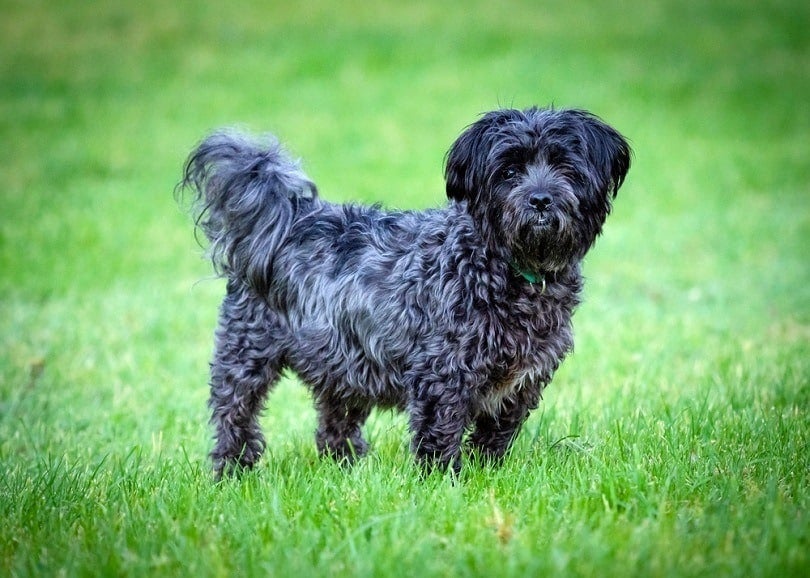
The Affenpinscher is often referred to as "monkey dog" or "ape terrier," and it’s not hard to understand why when you meet one. They are as mischievous as monkeys and can even resemble one with their wiry coats. These little, short, snouted dogs are charming, amusing, and entertaining. They are also loyal and affectionate and incredible companions. However, they can be willful at times and need a firm leader.
Affenpinschers are generally healthy dogs with an average lifespan of 12–15 years. They are vulnerable to a few health issues, including luxating patella, Legg-Calvé-Perthe disease, heart anomalies, and brachycephalic airway syndrome.
14. Brussels Griffon

Breed Overview
Height:
Weight:
Lifespan:
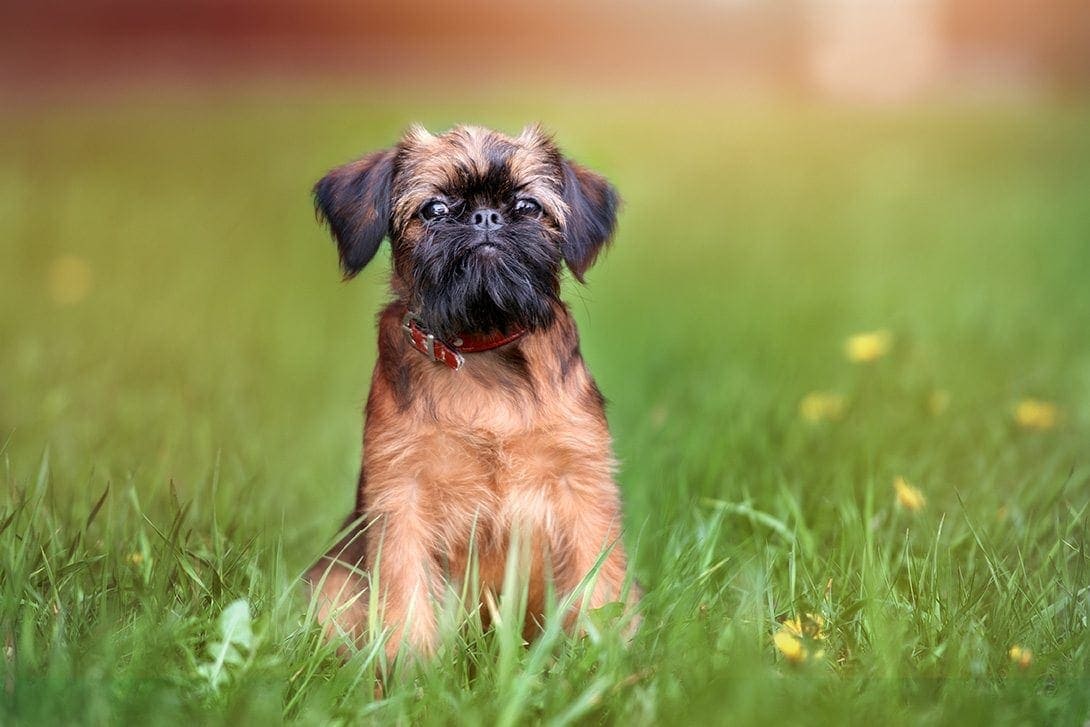
The Brussels Griffon or "Griff" is another small, quirky-looking dog often recognized by the mustache and beard resembling a French gentleman. Griffs are sociable, alert, intelligent, playful, and energetic. Their small size makes them a questionable choice for high-energy children. However, they will be loyal and loving to most families.
The Brussels Griffon has an average lifespan of 12–15 years. Although they are typically healthy, they are prone to health issues such as eye problems, hip dysplasia, patella luxation, and dental disease.

Health Considerations for Brachycephalic Dogs
Dogs with short snouts or brachycephalic dogs have unique health considerations that all owners should know before adopting them. Some are genetic conditions while others are directly related to their facial structure. Brachycephalic dogs have a uniquely shaped face, which affects the structure of their airways. They often struggle to pant enough to cool down and can overheat easily. In severe cases the lack of oxygen can be severe and life-threatening, leading to seizures and, sometimes, death.
This means they require assistance with temperature regulation in humid conditions. When owning a brachycephalic dog, it’s important to provide them with easy access to cool, fresh water and provide fans or air conditioning in hot climates to help them cool down. Avoid walks on hot days and keep your pet cool at home instead.
Compared to other breeds, brachycephalic canines may be more susceptible to medical emergencies when traveling by plane, which is something to consider if you travel often and plan to take your friend with you. To ensure the safety and welfare of these animals, some airlines ban brachycephalic breeds. Consult your veterinarian and your airline before your trip if you intend to take your brachycephalic dog.
Exercise
Brachycephalic breeds struggle to self-regulate their temperatures while exercising and can easily overexert themselves, especially in hot and humid weather. However, all dogs need exercise, so it's important to talk to your vet about which activities are safe for your dog. Some brachycephalic breeds are successful when participating in fast-paced events like Agility and Fast CAT. However, we recommend discussing this with your vet before signing up.
Respiratory Issues
The respiratory condition that most flat-faced dogs experience is known as brachycephalic obstructive airway syndrome or brachycephalic syndrome. Breathing issues can result from the dogs' small nostrils, extended soft palates, narrow windpipes, and excess tissue in the larynx. The signs can include the following:
- Wheezing or difficulty breathing
- Snoring
- Excessive panting
- Discoloration of the gums when deprived of oxygen
- Difficulty swallowing
- Difficulty sleeping
Many of these dogs can be helped surgically as veterinarians widen the nostrils and shorten the soft palate. However, a small windpipe cannot be surgically corrected and there are risks associated with the surgery. It is also important to understand that this surgery can only correct the individual dog, and if bred, will pass on their problematic traits to their offspring, which is why it is not recommended to breed from dogs that have undergone BOAS surgery.
Skin Conditions
Some brachycephalic dogs have adorable skin folds that we love, but they can easily trap moisture and dirt, which can lead to skin problems such as yeast infections. Their skin folds must be cleaned and dried two or three times a week to prevent infections. Many are predisposed to allergies and ear infections which will need to be treated by a veterinarian.
Eye Problems
Brachycephalic dogs typically have shallow eye sockets, which causes their eyes to protrude more than those of other breeds. As a result, they are more prone to proptosis (protruding eye), dryness, injuries, and infection.
Dental Issues
Due to their relatively small jaw structure, brachycephalic dogs frequently experience dental issues like underbite, overcrowding, and overlapping teeth, which may require extra dental care.

Corkscrew Tails
Some of these breeds are purposefully bred with a “corkscrew” tail. This cute, curly tail is present due to malformation of the vertebrae which are the bones that make up the tail and spine. The tail sometimes sits in a fold of skin which needs to be cleaned regularly and makes the dog very susceptible to skin infections. In severe cases, amputation of the tail is performed. Unfortunately, when vertebrae in the tail are malformed, there is a higher chance that some vertebrae housing the spinal cord are also malformed which can lead to pain and neurological deficits.
Due to these concerns, finding a reputable breeder when looking for a short-snouted puppy is crucial. If you are looking to add one of these squishy faces to your family, do your research. Responsible breeders will have regular health checks with their vet and only breed from animals with healthier characteristics. And there are many brachycephalic dogs in animal shelters just waiting to find a loving home.

Conclusion
Short-snouted or brachycephalic dogs are undoubtedly adorable and make wonderful companions. However, their unique faces, and other inherited problems, put them at risk for certain health conditions that can affect their breathing, heat tolerance, eyes, skin, and oral health. While these conditions may seem alarming, being aware of these issues and providing your dog with the correct care and regular veterinary checkups can help them live a long and happy life.
Sources
https://www.akc.org/expert-advice/dog-breeds/brachycephalic-dog-breeds/
https://www.hillspet.com/dog-care/behavior-appearance/brachycephalic-dogs?lightboxfired=true
https://vcahospitals.com/know-your-pet/bloat-gastric-dilatation-and-volvulus-in-dogs
https://www.petmd.com/dog/conditions/musculoskeletal/c_dg_legg_calve_perthes_disease
Featured Image Credit: otsphoto, Shutterstock
Get Hepper In Your Inbox


Pet care tips from our vets and experts, straight to your inbox.
You may opt-out at any time. View our Privacy Policy for more information.
Nicole is a lover of animals of all sizes but is especially fascinated with the feline variety. She’s the proud mom of Baby, a Burmese, and works every day so he can relax in the sunshine or by the fire. She’s always had a cat in her home and has spent countless days with others, observing behaviors and softening up even the grouchiest of the lot. Nicole wants to share her kitty expertise with you so you and your cat can live happy, healthy, and care-free.
Join the conversation
Ask a question, share your story, or send private feedback.