Hepper is reader-supported. When you buy via links on our site, we may earn an affiliate commission at no cost to you. Learn more.
Brachycephalic Dogs and Flying: Is It Dangerous for Them? (Vet-Approved)


With all the paperwork, vaccines, and extra costs of traveling with your pet, it can be incredibly stressful. If your dog is a short-snouted breed (also called brachycephalic), it can also be dangerous, even deadly, to fly with them.
Due to their anatomical abnormalities, short-snouted breeds are more vulnerable to changes in air pressure and temperature in the hold of an aircraft. Therefore, these dogs may have difficulty breathing. The added stress of travel further increases the health risks. For these reasons, many airlines have banned these dogs on their planes.
Read on to learn more about the risks of air travel with a brachycephalic dog and what options are available to you.

Why Is It Dangerous to Fly With a Brachycephalic Dog?
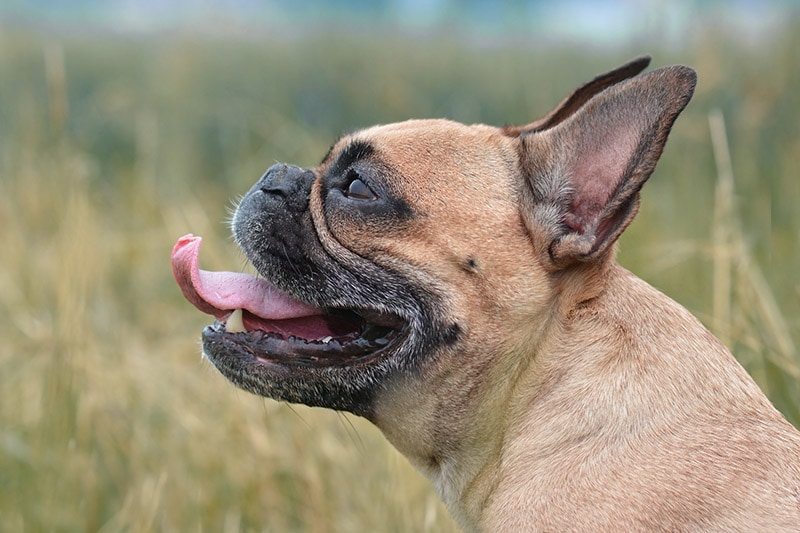
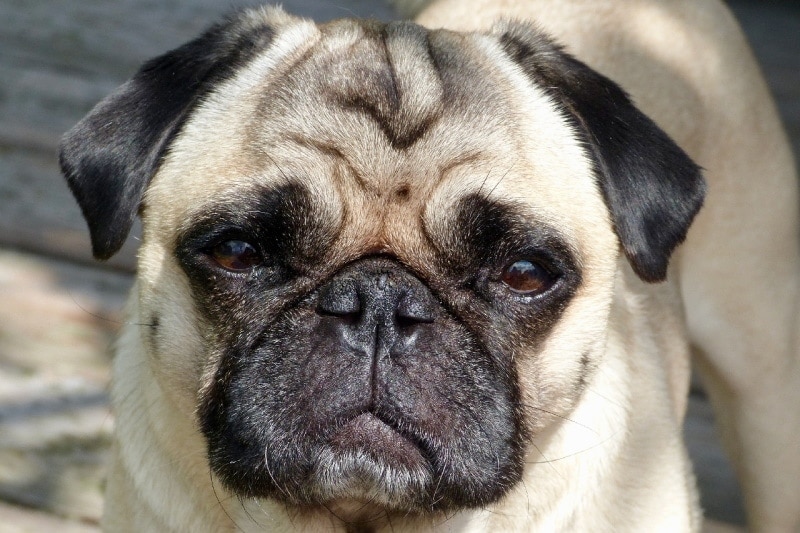
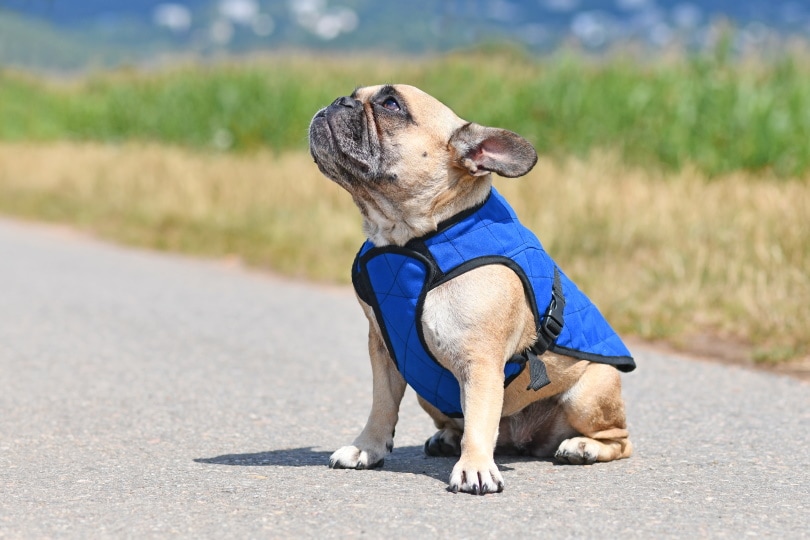
Brachycephalic dogs, like Pugs, Bulldogs, or Boston Terriers, have a combination of anatomical malformations that can make breathing difficult, especially in stressful situations like flying. These features include stenotic nares (malformed nostrils), an elongated soft palate, and a narrowed trachea 1.
Due to their specific morphology, short-nosed dogs have more difficulty breathing than other breeds. When they are in a stressful situation (such as during transport in the pressurized hold of an airplane) and the air circulation is inadequate, their breathing difficulties can reach a critical level, and their airways can collapse. If their oxygen supply is cut off, it can lead to overheating, collapse, and even death.
Changes in atmospheric pressure and temperature can also exacerbate brachycephalic airway syndrome, making breathing even more difficult for these dogs. Also, no one in this area of the plane is watching the animals stowed there. So, if there's a problem with your pet, you won't know until the plane lands.
Due to these risks, many airlines have strict restrictions for carrying brachycephalic dogs (and cats) and may refuse them on board.

Do All Airlines Prohibit Flying With Brachycephalic Dogs?
The U.S. Department of Transportation released alarming statistics in 2010 showing that short-nosed dog breeds were more likely to die on airplanes than any other breed. In fact, of the 122 dog deaths that occurred between 2005 and 2010, half were brachycephalic dogs. English Bulldogs and Pugs are the two breeds that topped this sad list.
Following this statement, many airlines around the world banned brachycephalic dogs from flying in the cargo holds of their planes.
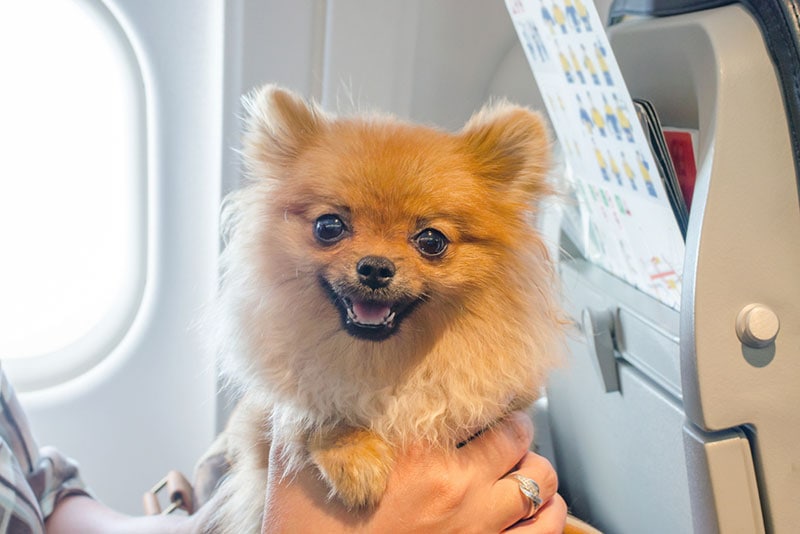
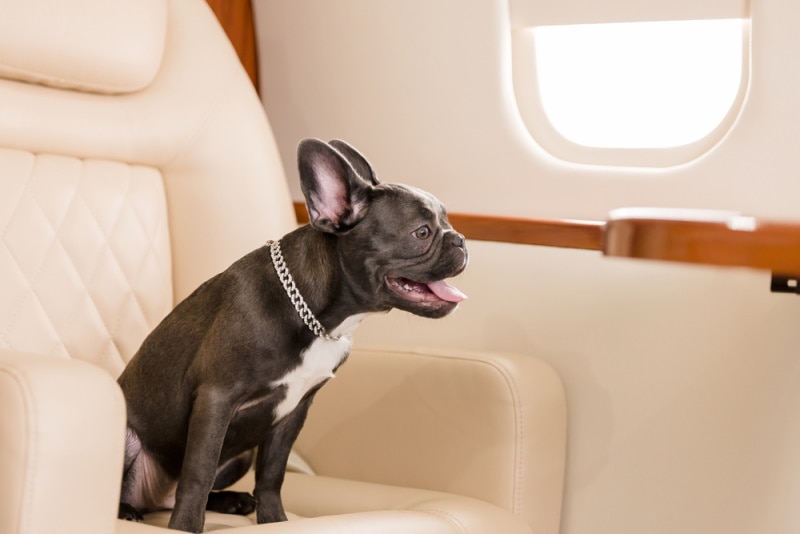
However, a few airlines have not completely banned short-nosed dogs but have imposed strict restrictions on traveling with them. For example, Lufthansa and American Airlines allow these breeds but only in the cabin. So, in addition to fulfilling all the other necessary conditions, your dog must be small enough to travel in the cabin with you.

Tips for Flying Safely With Your Brachycephalic Dog
It is possible to fly with your short-nosed dog, but you should be aware of the risks involved and prepare well in advance.
Here's what you can do to minimize the risk to your pet:

Final Thoughts
Short-nosed dogs are adorable and endearing, but their morphological particularity predisposes them to respiratory problems. This makes them particularly vulnerable to air travel, hence the importance of educating yourself on the possible risks and consulting your veterinary team beforehand. With proper preparation, it may be possible to bring your beloved dog with you, but be sure to weigh the pros and cons carefully.
Featured Image Credit: OlgaOvcharenko, Shutterstock
Get Hepper In Your Inbox


Pet care tips from our vets and experts, straight to your inbox.
You may opt-out at any time. View our Privacy Policy for more information.
Genevieve, a biologist and science writer, who harbors a profound affection for capuchin monkeys, pumas, and kangaroos. This passion has led her to travel extensively, volunteering and working at wildlife rehabilitation centers in Bolivia, Guatemala, Canada, and Australia. Now residing in Argentina as a Canadian expat, Genevieve enjoys the view of horses and cows greeting her from the vast plains outside her home office window. She proudly cares for three rescued dogs—Lemmy, Nala, and Pochi—and a playful kitten named Furiosa. Sharing her extensive knowledge and love for animals brings her immense joy and fulfillment.
Join the conversation
Ask a question, share your story, or send private feedback.