Hepper is reader-supported. When you buy via links on our site, we may earn an affiliate commission at no cost to you. Learn more.
How Much Exercise Does a French Bulldog Need? Vet-Approved Facts & Tips

In this article
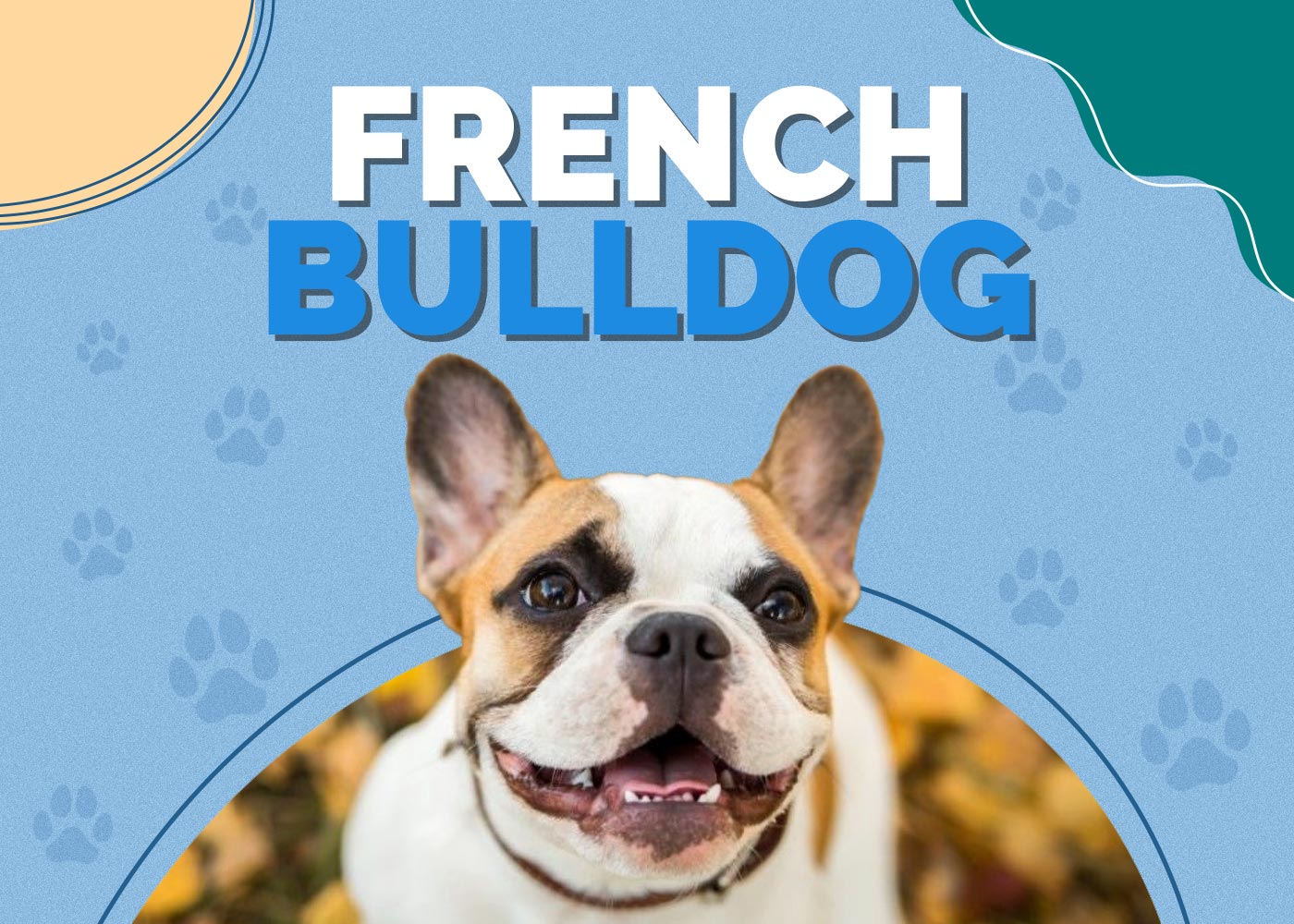
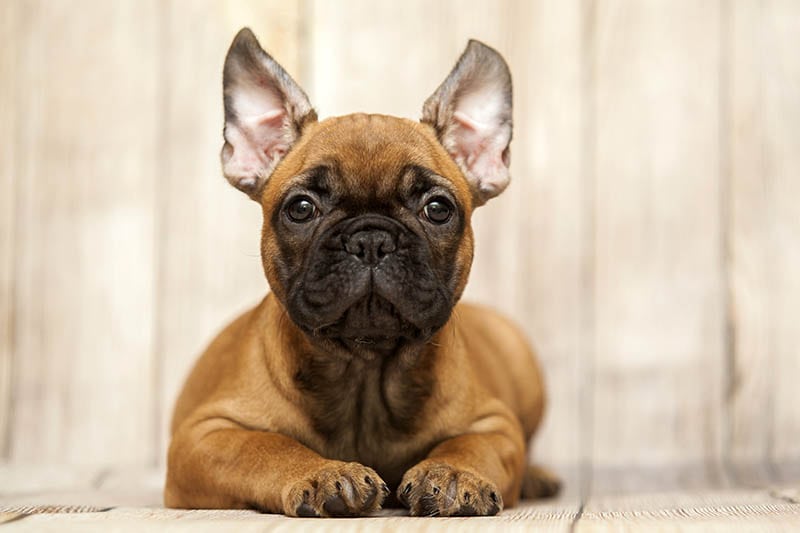
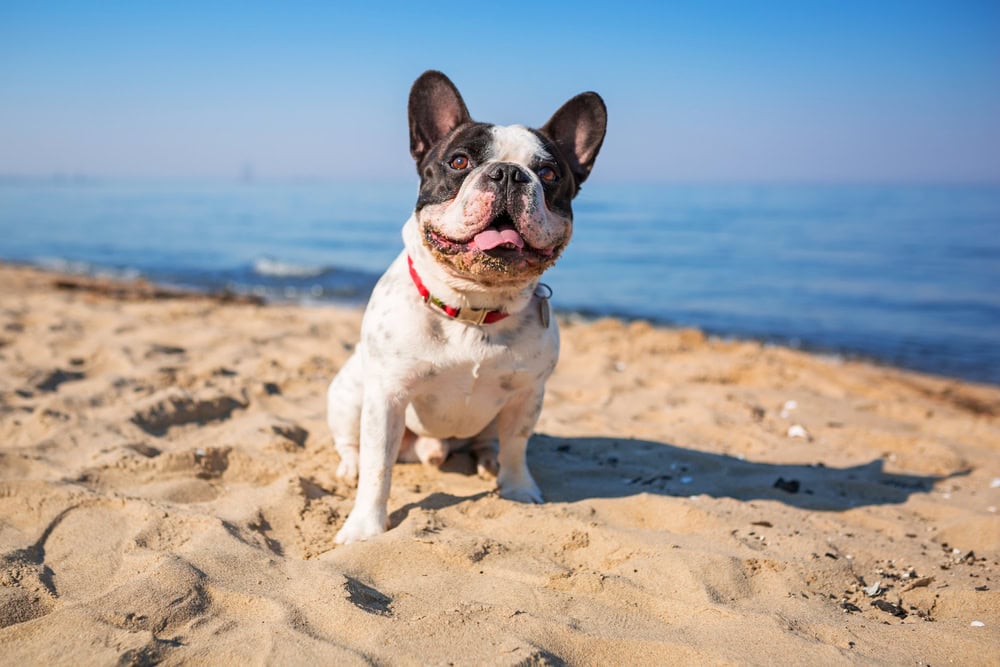
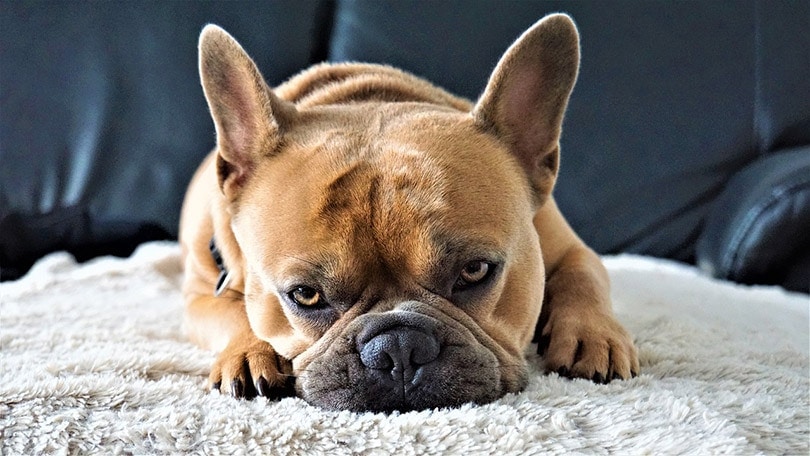
French Bulldogs are small and muscular dogs with smooth coats, flat faces, and big ears. Often referred to as simply “Frenchies,” these dogs have always been companion dogs and have never seen the rigorous work life of dogs like German Shepherd or Bloodhounds. As such, Frenchies tend to have less stringent exercise needs than working breeds. Most Frenchies can get away with minimal exercise, making them an excellent choice for the lazy dog owner who would rather veg out on the sofa with their dog.

Physical Characteristics of the French Bulldog
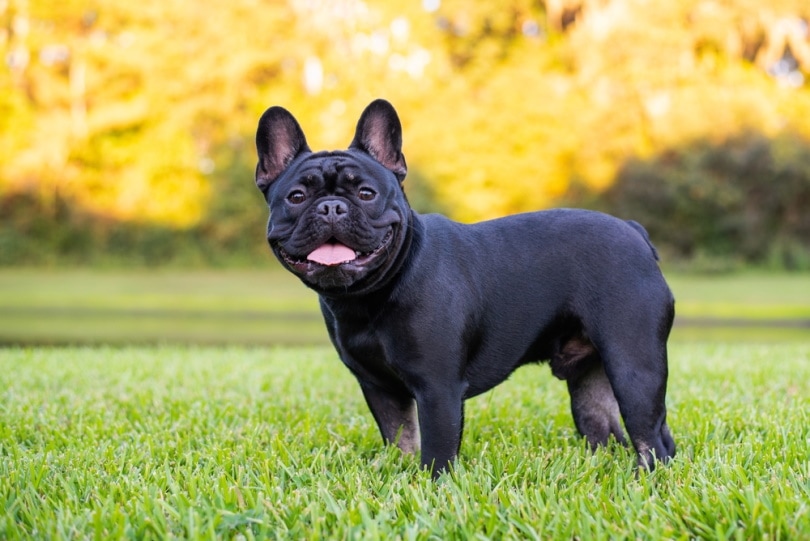
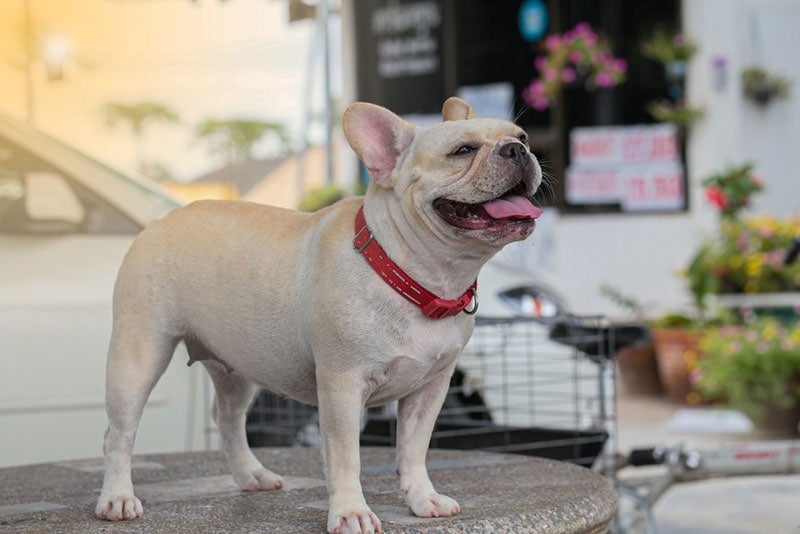
Frenchies are small-breed dogs that generally grow to be about 12 inches tall and weigh about 25 pounds. While there are working small and toy breed dogs, like Yorkshire Terriers, the French Bulldog has always been a companion animal, and its small size makes it perfect for enjoying the comfort of any home.
Since companion dogs aren’t likely to be out hunting, tracking, or otherwise working, the Frenchie isn’t as hardy as some dog breeds. This breed has soft, loose skin that forms wrinkles over the face and large alert ears.
They do have the heavy bones and muscular build of the Bulldog, but their small stature and breathing problems make them an unusual choice for work. Additionally, French Bulldogs tend to be predisposed to some health conditions like hip dysplasia that make them unsuitable for working.
Due to their lack of work history, Frenchies were primarily bred for a gentle and relaxed temperament that would help them adjust to the lazy life of luxury. If you’re looking for a dog that will be fine to just sit on the sofa and watch TV, a Frenchie is a great option for your needs.

Exercising Your Frenchie
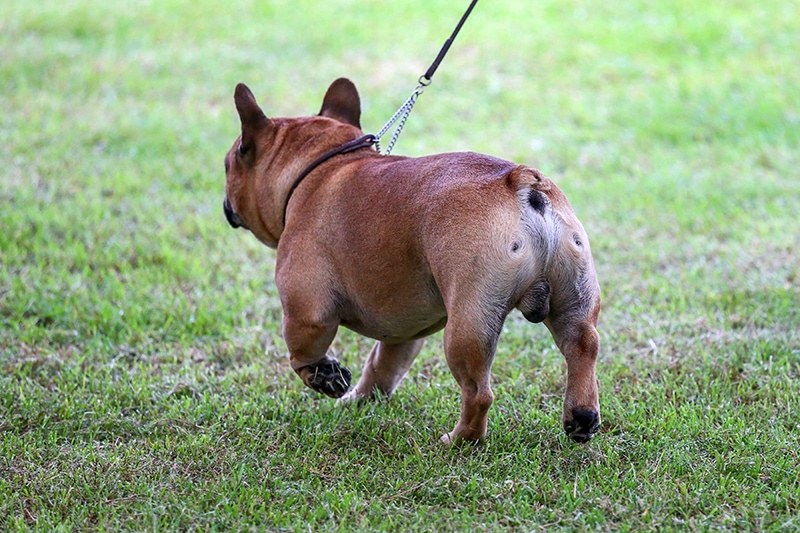
Exercising a French Bulldog can be difficult. While they may not be as large and robust as their Bulldog ancestors, they can be just as stubborn. If a Frenchie does not feel like exercising right now, you probably won’t be able to convince them to start.
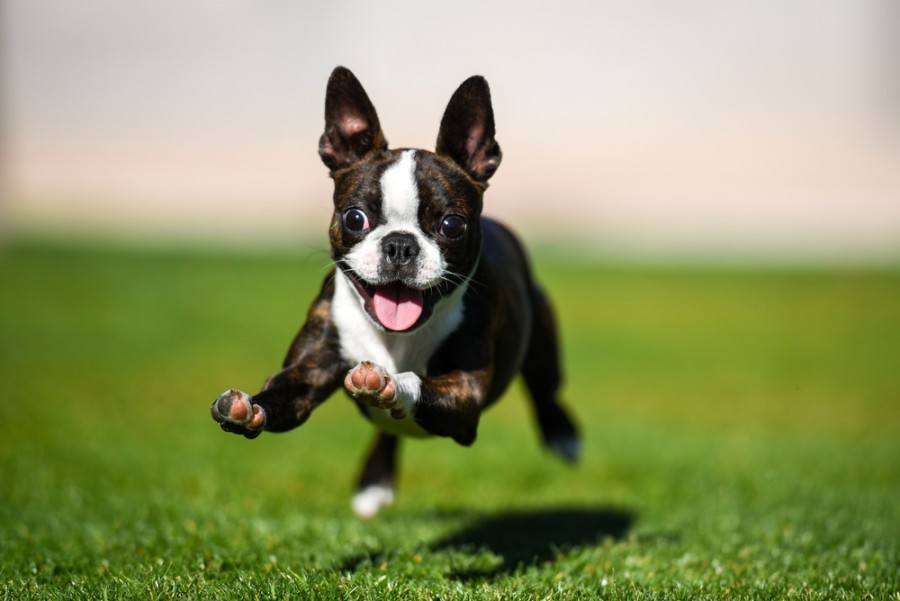
However, they love to play, especially with dogs and people they are fond of. They love to entertain and be entertained, but they’ll also be content to just lay on the couch and take a nap. They’re not precisely couch potatoes—they do love to play—but you won’t see them jumping hurdles and doing professional flyball very often.
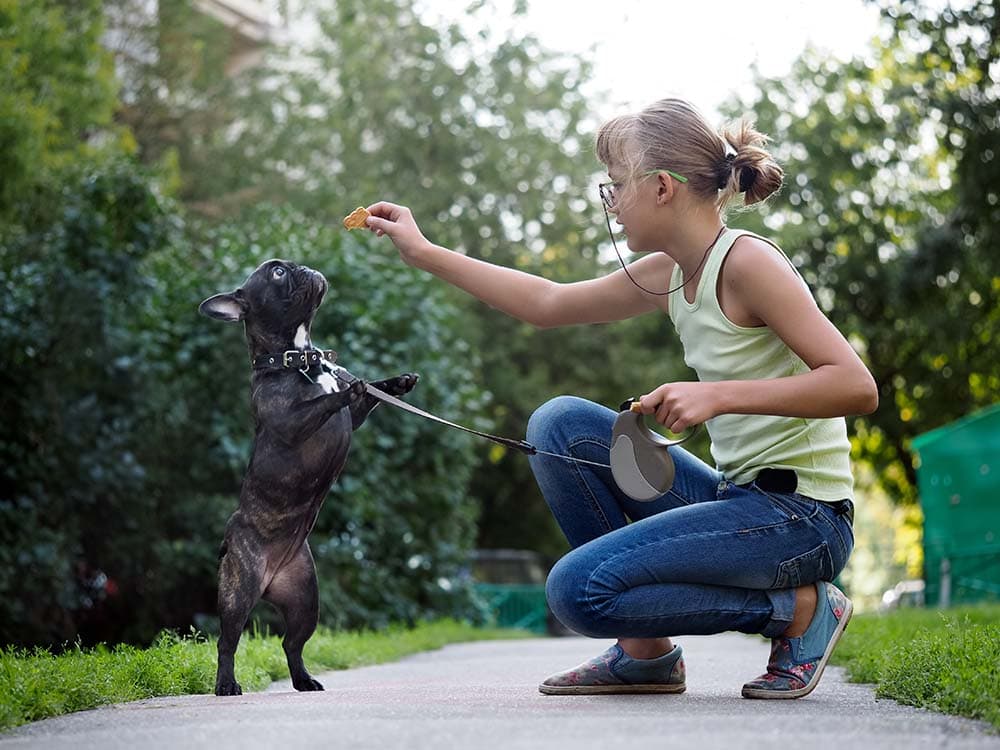
It is important to exercise your dog’s brain as well as their body so playing games, training and food puzzles are all great ideas too.
Exercise Intolerance in French Bulldogs
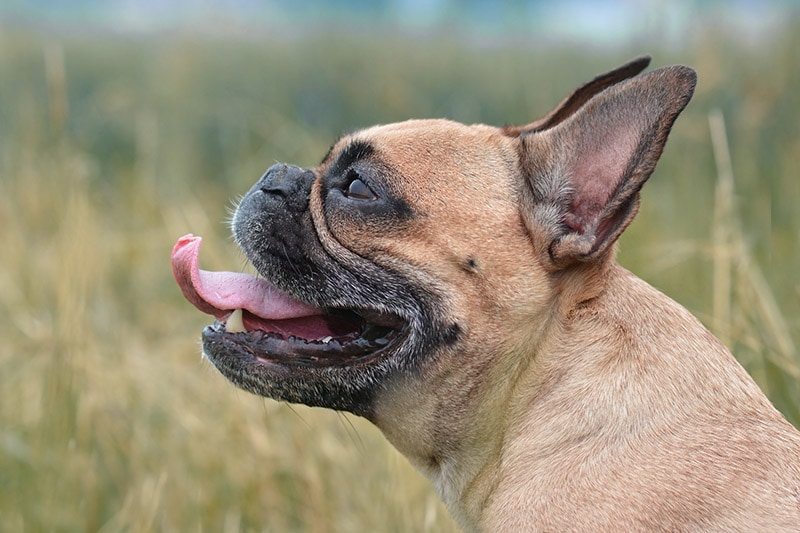
Exercise intolerance is a problem for flat-faced dogs, and Frenchies are not immune to this condition. Respiratory distress is common in flat-faced dogs (brachycephalic) since the shape of the snout can obstruct the airways and restrict oxygen intake.
Since flat-faced dogs have small nostrils, an elongated soft palate, a narrow windpipe, and extra tissue in the larynx, they can have difficulty breathing. This can make vigorous exercise difficult since the added physical stress requires additional oxygen intake and can make it even harder for these dogs to breathe correctly. When a flat-faced dog experiences significant difficulty breathing, they’re diagnosed with brachycephalic obstructive airway syndrome (BOAS).
Symptoms of brachycephalic obstructive airway syndrome include the following:
If your dog has brachycephalic obstructive airway syndrome, you’ll have to be careful about exercising them too vigorously, especially in the summer. The constricted airways associated with brachycephalic obstructive airway syndrome make it hard for your dog to pant to relieve heat, leading to heat intolerance. In severe cases, the dog may experience heat stroke from being unable to rid themselves of heat adequately.
Caring for Flat-Faced Breeds
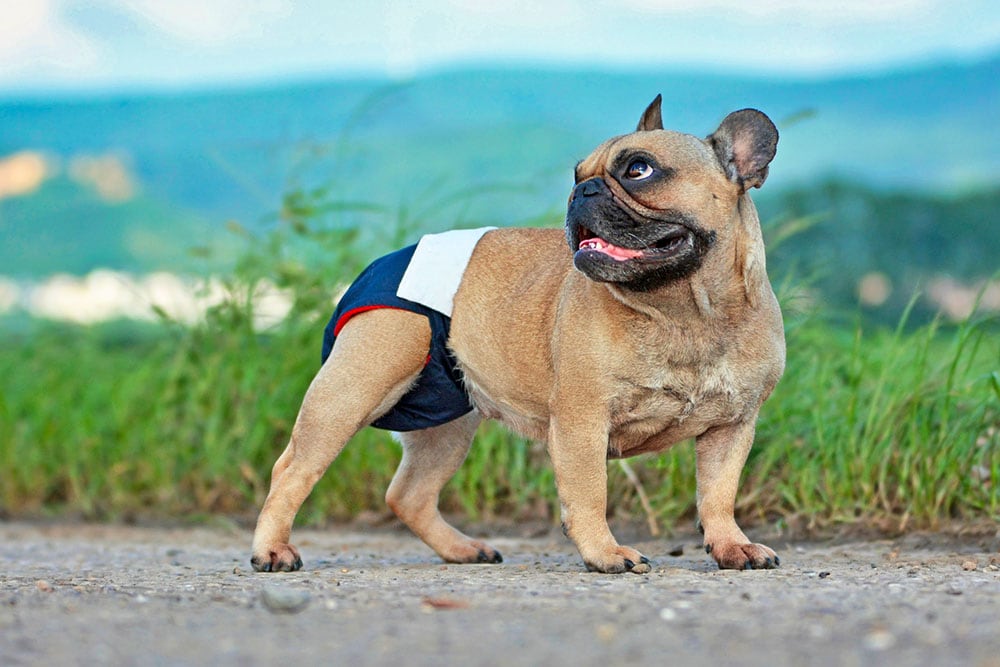
Caring for a flat-faced dog or cat starts with adequate research and ensuring that you’ll be able to meet all their unique needs. For instance, people who are very active and want a dog to take with them on adventures should consider a breed that is less exercise and heat-intolerant.
People who want to move to another country or digital nomads who want a dog should also consider other breeds as flat-faced breeds face restrictions on travel because their constricted airways may not be able to support the changes to air pressure and quality during air travel.
Additionally, people who live in tropical climates may want to consider a dog more suited to the environment of their home nation. Flat-faced dogs are prone to heat exhaustion because panting is less efficient for them, and panting is how a dog releases the heat trapped in its body; panting is your dog’s equivalent of sweating.
It’s also not recommended to get a Frenchie if you don’t have an air conditioning unit or are unwilling to run it regularly. Humidity and heat can make it very difficult for your Frenchie to breathe and put them at risk of heat stroke since they won’t be able to pant.
How Much Exercise is Too Much for a Frenchie?
Of course, exercise remains an essential need for all creatures, including Frenchies. Each dog is unique, and its requirements will be individual on a case-by-case basis. Let your dog lead the way in deciding how much exercise they need.
If you notice that your dog has trouble breathing and panting heavily, take a break. Avoid walking or playing with your dog too vigorously when it’s hot or humid outside, as these conditions can worsen the Frenchie’s already bad breathing problems.
Frenchie owners might want to consider a dawn and dusk walking schedule since the air is generally more relaxed and drier at these times, especially during the summer. By limiting your activity to when the weather is most suitable, you get your dog used to being walked at these ideal times.
Final Thoughts
Overall, caring for a flat-faced dog is a unique experience that requires consideration before beginning the process. Looking for a dog with a longer face shape and open nostrils will make it easier for them to breathe and exercise. Ensure that you can adequately meet all your Frenchie’s individual needs before you even adopt the dog. Doing so will ensure that you and your dog live a happy, healthy life together.
Featured Image Credit: Firn, Shutterstock
Get Hepper In Your Inbox


Pet care tips from our vets and experts, straight to your inbox.
You may opt-out at any time. View our Privacy Policy for more information.
Luxifa is a freelance writer with a passion for animal science and technology. She loves to share the world of animal science with people to help them make informed decisions for themselves and their pets. Luxifa has worked in professional pet care for over six years and realised she could help change the world of pet care by bringing the information people needed to them in terms they could understand. Knowledge is power and she loves to help everyone become the most informed they can be.
Join the conversation
Ask a question, share your story, or send private feedback.