Hepper is reader-supported. When you buy via links on our site, we may earn an affiliate commission at no cost to you. Learn more.
Are German Shepherds Part Wolf? Canine Domestication Examined
In this article
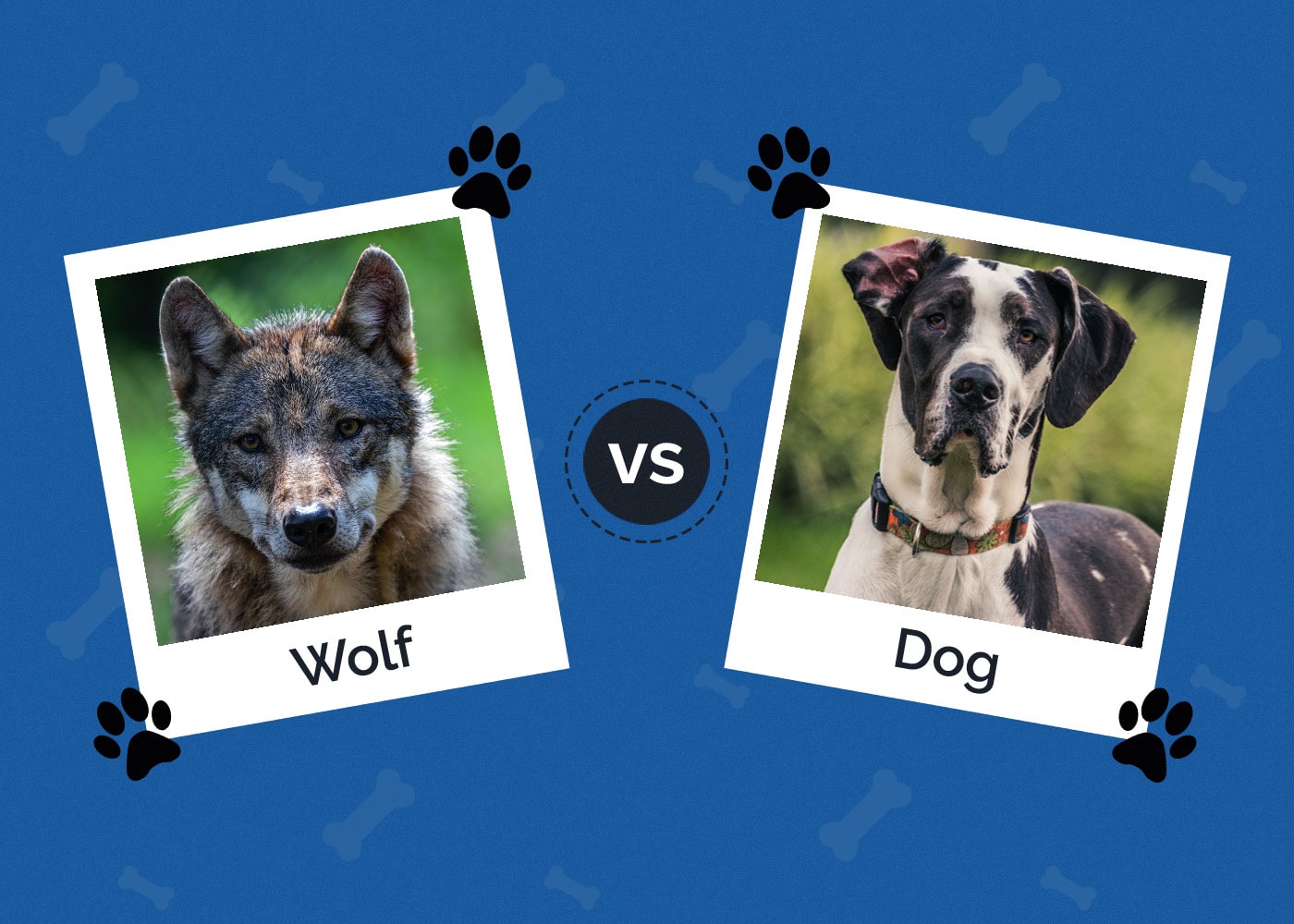
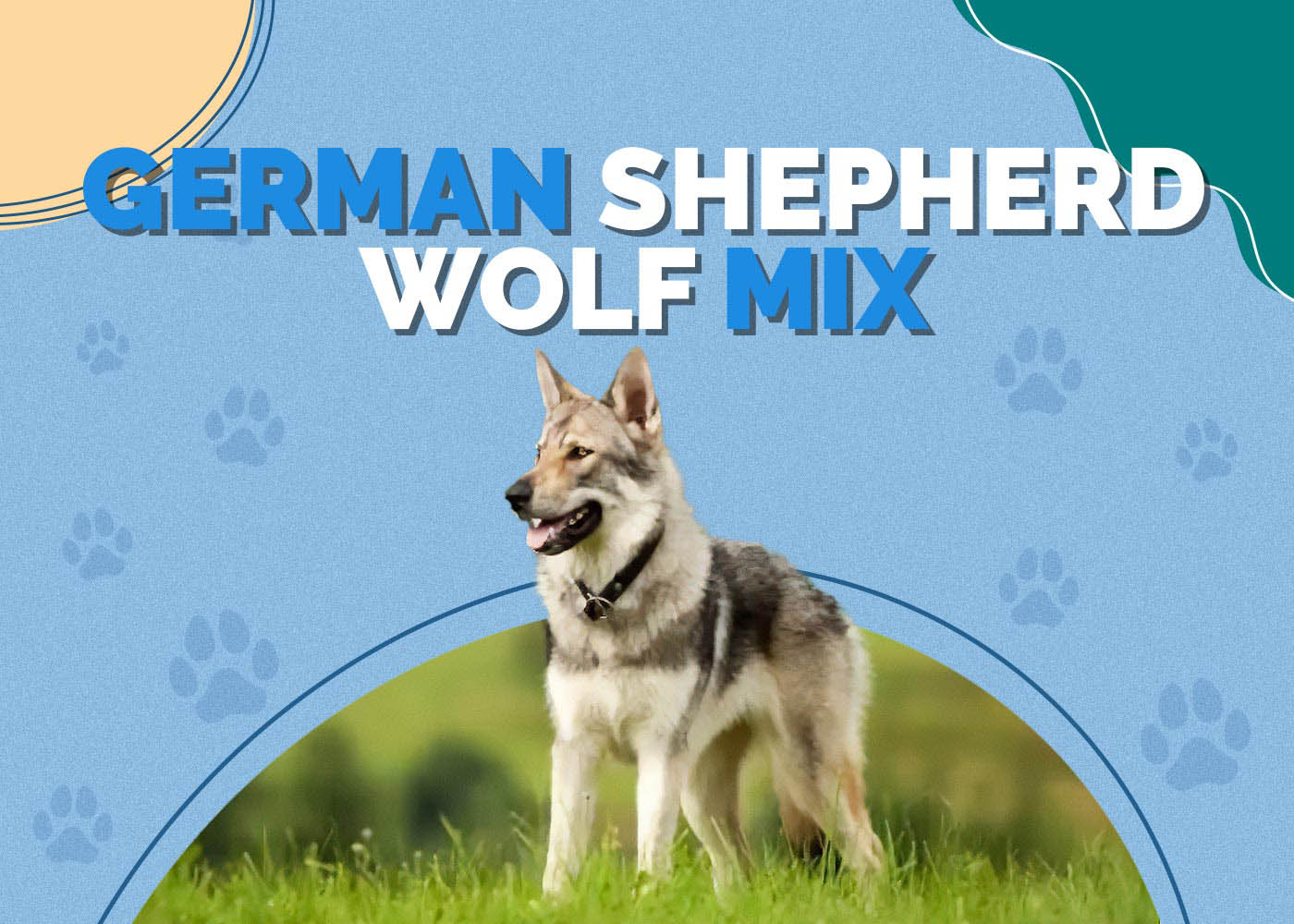
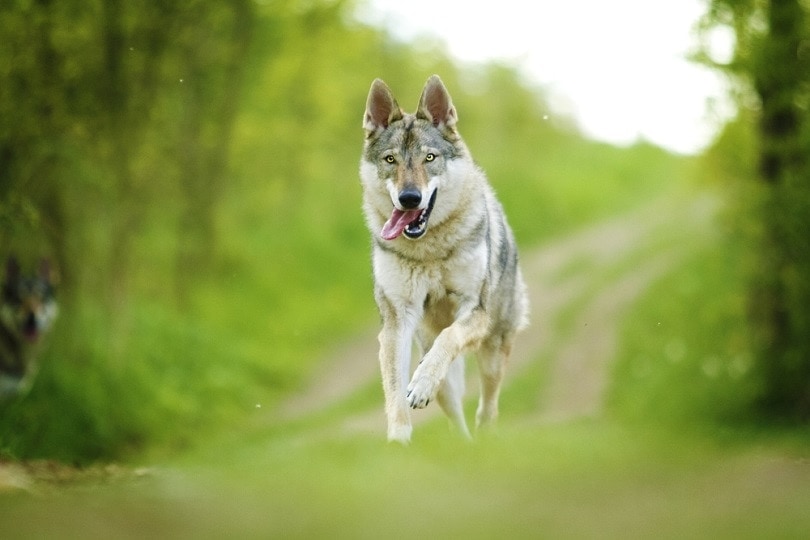
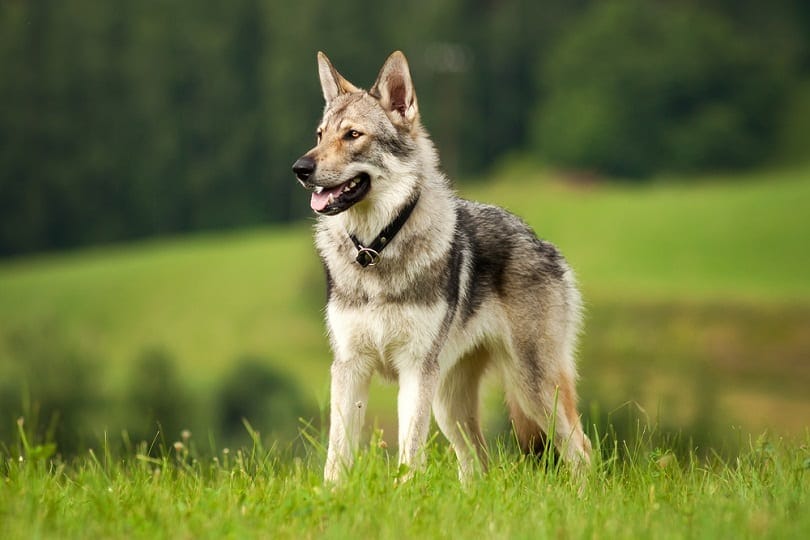
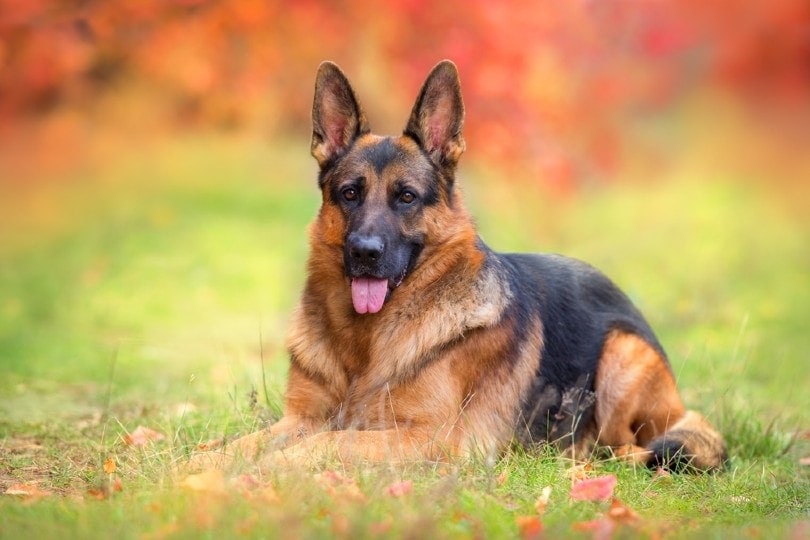
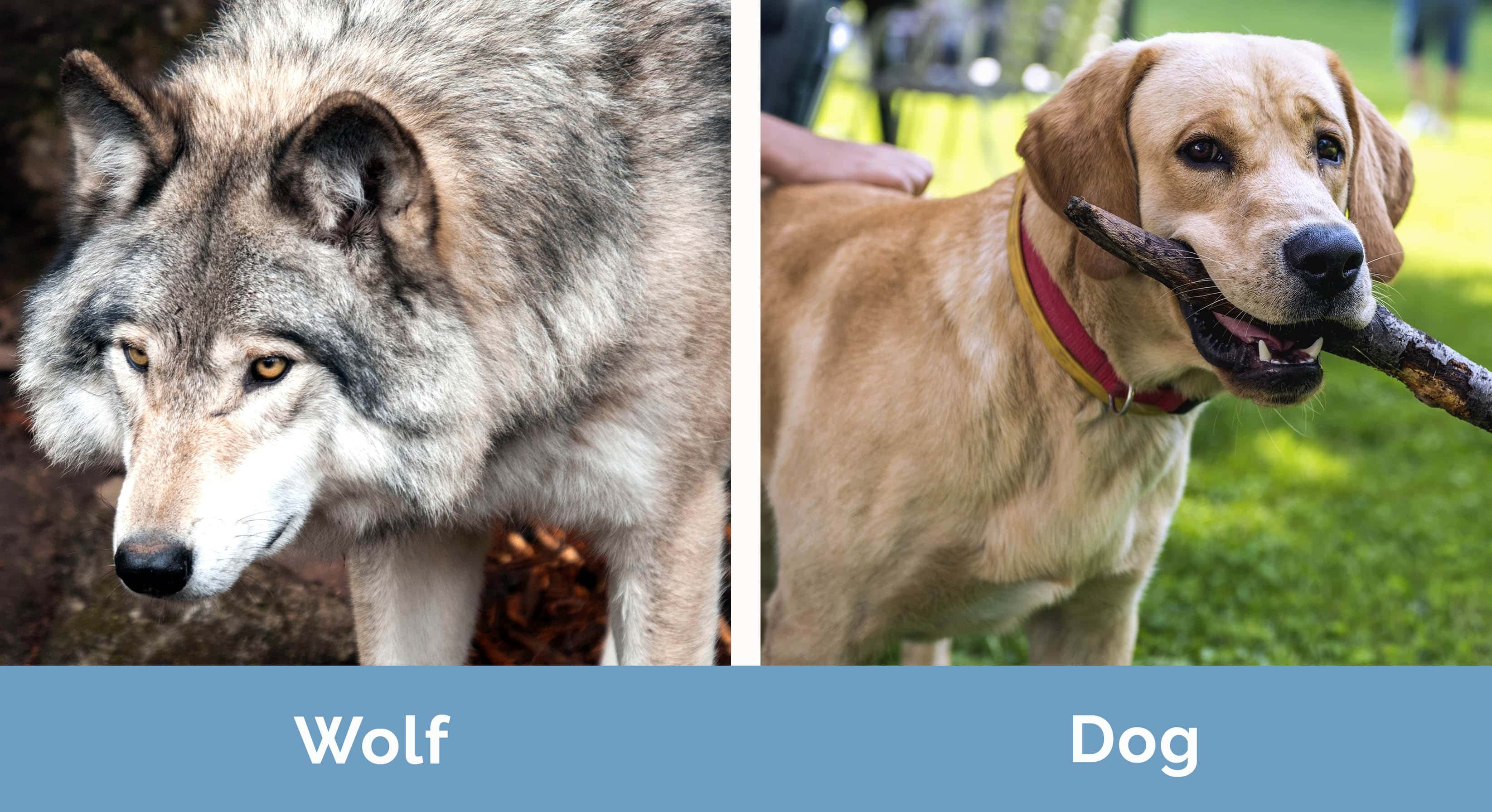
It’s hard to deny that German Shepherds and other breeds resemble wolves. They have similar coats, erect ears, and an uncanny resemblance. The answer to the question of whether German Shepherds are part wolf is a resounding yes. However, we can say the same thing about all dogs. Research has shown that wolves and dogs share a common ancestor. They diverged about 27,000 years ago.

The Diversification of Domesticated Dogs
Scientists have debated the evolution of dogs and how they have become so diversified over the centuries. After all, the Fédération Cynologique Internationale (FCI) recognizes 339 breeds. The organization divides them into 10 groups as follows:
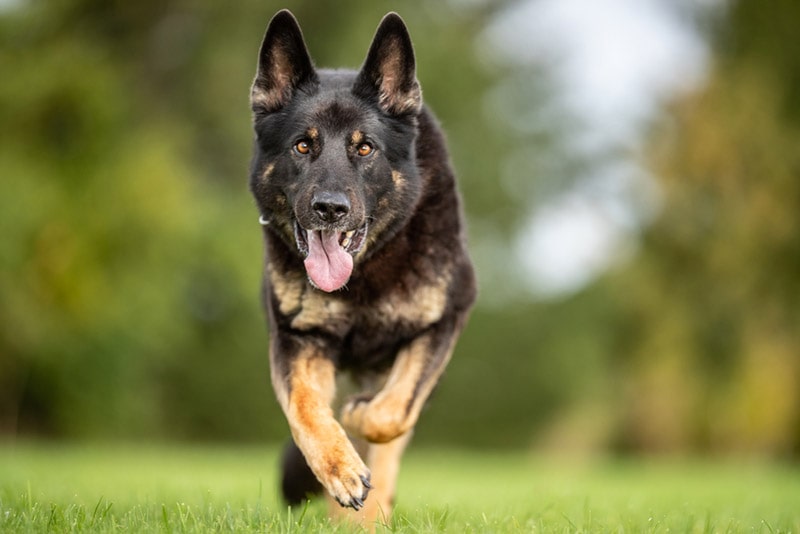
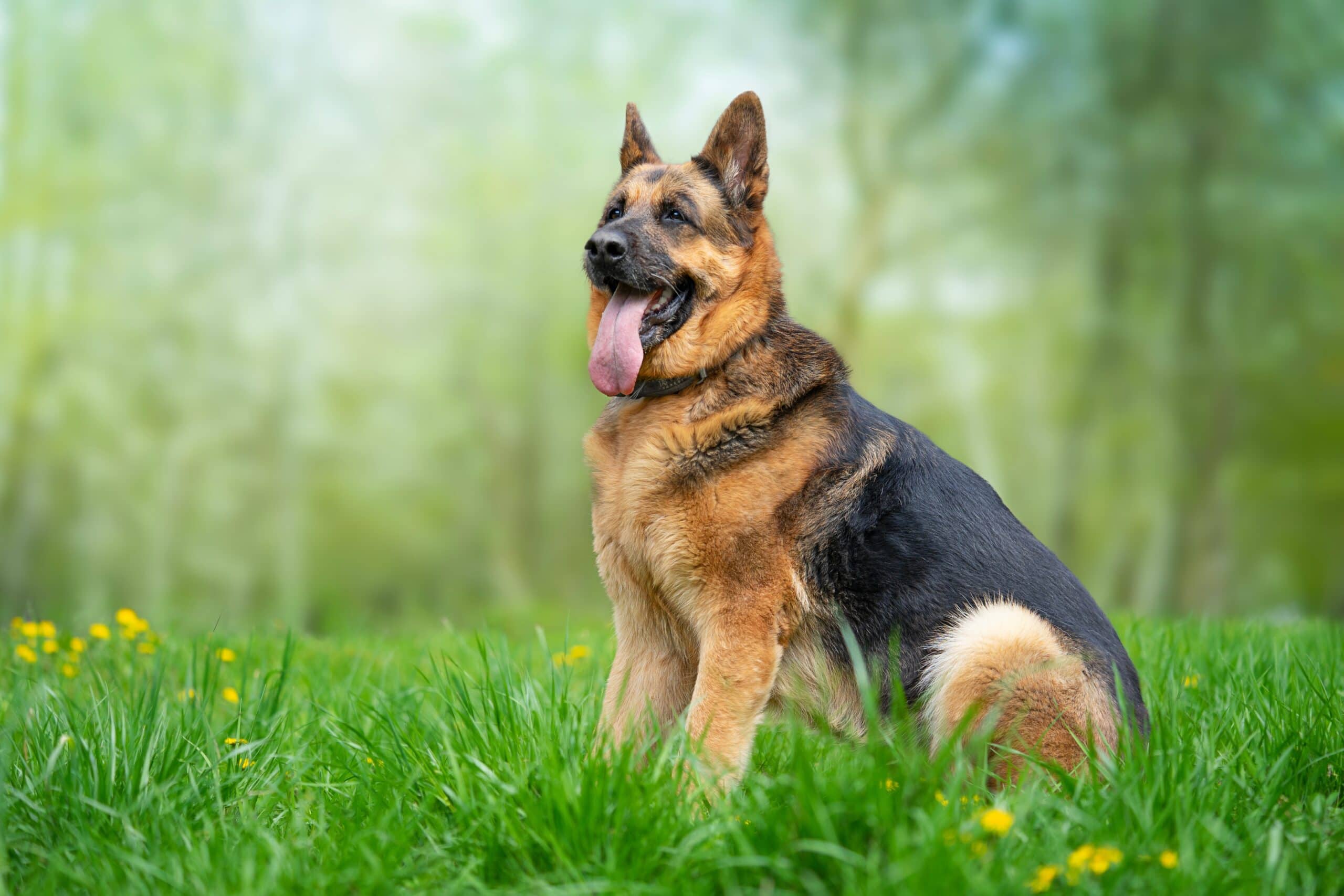
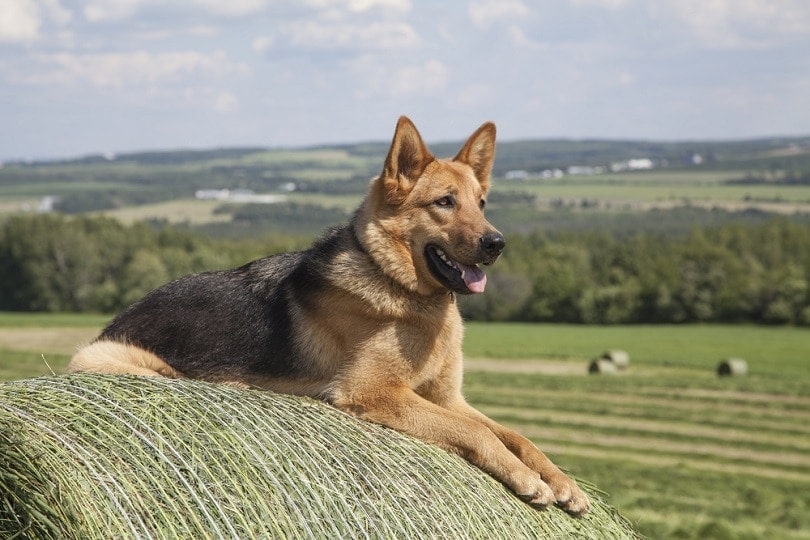
The German Shepherd or Deutscher Schäferhund is part of the first group. Bear in mind that the breed’s early role was herding livestock. It was only later that it evolved into the protector image that we have today. The other vital takeaway message is the dog’s origins in Germany. That brings us to another salient point about the breed’s relationship with wolves.
Origins of the Domesticated Dog
Undoubtedly, early dogs and wolves resembled each other. Evolution, adaptation, and selective breed altered the former through the centuries. Nevertheless, the German Shepherd may have a closer relationship with wolves than we may think. Researchers have found archeological evidence that the oldest dog fossils existed in what is now modern-day Germany.
These findings represent the first clear divergence of dogs from their early ancestors. Moreover, they also confirm one domestication event instead of multiple occurrences. We can explain the emergence of the various breeds as a phenomenon scientists call genetic drift.
When populations of dogs became isolated from one another, the gene pool evolved, leading to different traits we see in the various breeds. That can justify the 10 groups the FCI uses to classify them. They have a like origin or purpose that led to the similarities of the breeds.
German Shepherds and Wolves
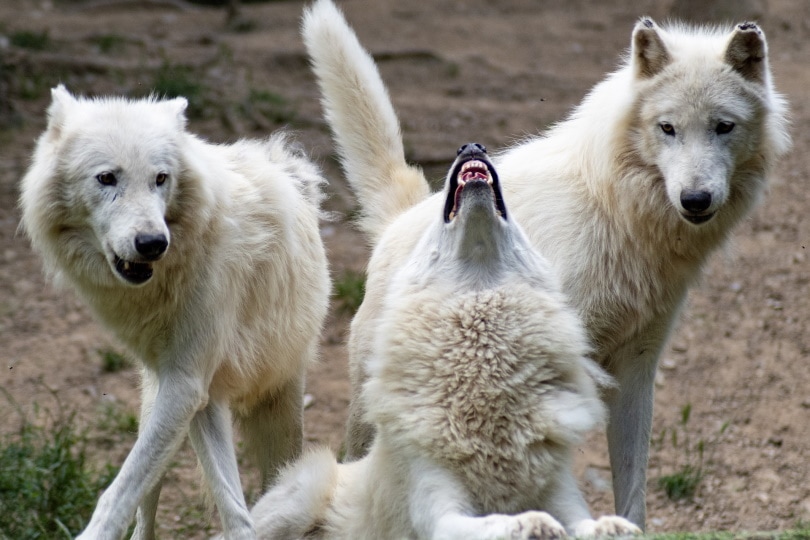
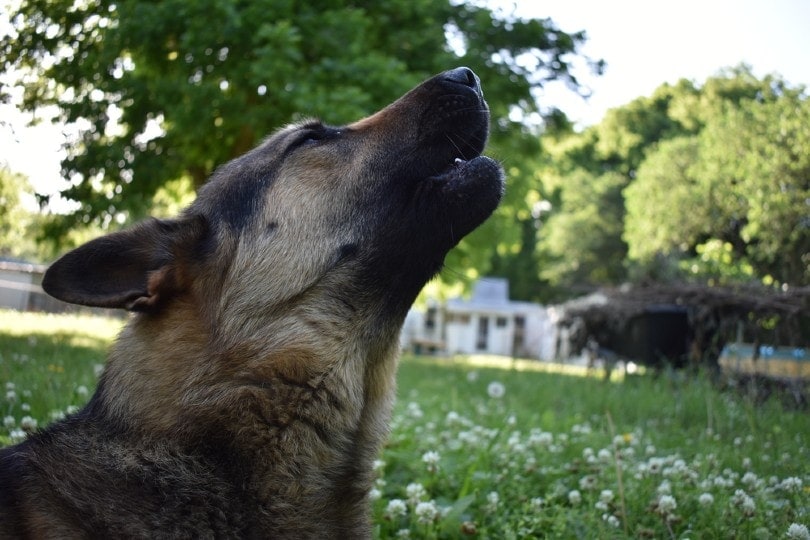
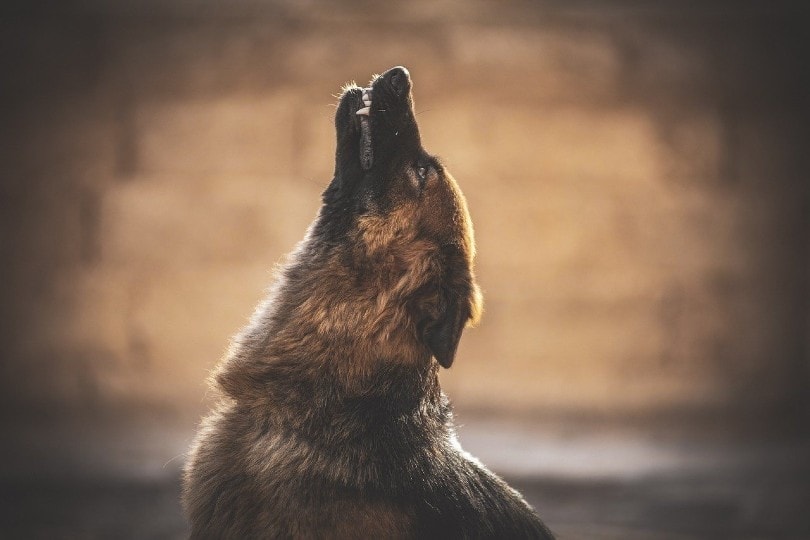
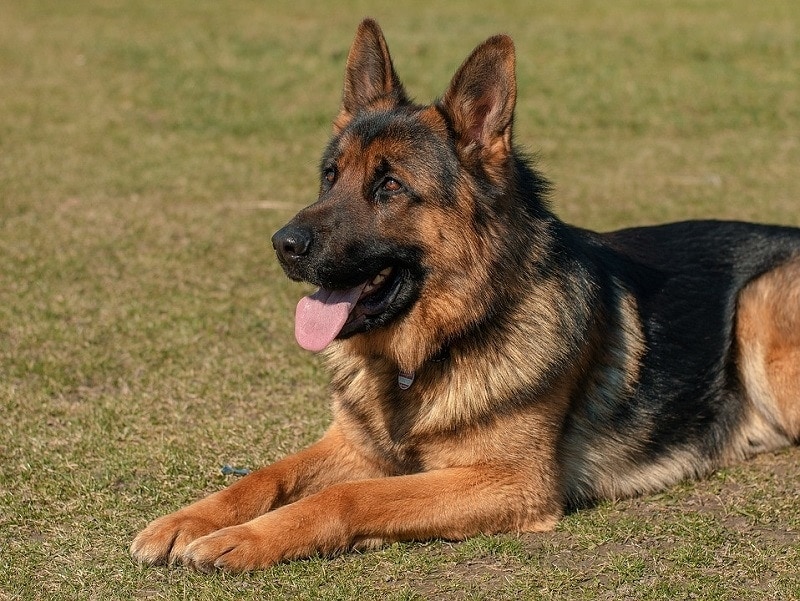
German Shepherds and wolves still share many traits. Both species have 78 chromosomes, as do coyotes. That means they can interbreed and have viable offspring. They also communicate similarly with whimpers, barks, and howls. That suggests that the two can still understand each other, despite their long evolutionary separation. We can also say the same about different dog breeds.
Socialization also follows a like path of vying for position, playing, and learning how to be canines. Both German Shepherds and wolves have similar anatomy that equips them to be carnivores. Again, we can say the same about all dogs. However, that brings to light another difference between domesticated dogs and wolves.
Living with humans for 20,000–40,000 years has changed our pets. Today’s dogs have a more diverse diet that includes foodstuffs wolves probably won’t touch. Nevertheless, the German Shepherd has retained some of its ancient traits. It still has a keen prey drive. The breed isn’t particularly dog-friendly, either. Neither characteristic would figure prominently in a herding animal.
That role is better served by livestock protection dogs. Their job is to fend off predators. A strong prey drive is an asset for them. However, German Shepherds have a low wanderlust potential. That makes sense since their purpose would require them to stay close to their charges.
We can conclude that selective breeding took German Shepherds down a different path. Nonetheless, they still have instincts hardwired in their DNA which are more wolf-like than their history would indicate. So, while they are not wolves in the true sense, German Shepherds have a bit of their ancient ancestor inside of them.
Final Thoughts
German Shepherds are striking animals that we can’t help but admire. Their courage and loyalty harken back to the selective breeding that made them the dog we see today. Yet, inside of them lingers a bit of their wild side. While all dogs are related to wolves, perhaps the German Shepherd is more in touch with the wolf within it.
Related Reads:
Featured Image Credit: nori jaafer, Pixabay
Get Hepper In Your Inbox


Pet care tips from our vets and experts, straight to your inbox.
You may opt-out at any time. View our Privacy Policy for more information.

Nicole is a lover of animals of all sizes but is especially fascinated with the feline variety. She’s the proud mom of Baby, a Burmese, and works every day so he can relax in the sunshine or by the fire. She’s always had a cat in her home and has spent countless days with others, observing behaviors and softening up even the grouchiest of the lot. Nicole wants to share her kitty expertise with you so you and your cat can live happy, healthy, and care-free.
Join the conversation
Ask a question, share your story, or send private feedback.