Hepper is reader-supported. When you buy via links on our site, we may earn an affiliate commission at no cost to you. Learn more.
Can Wolves & Dogs Mate? Canine Reproduction Explained

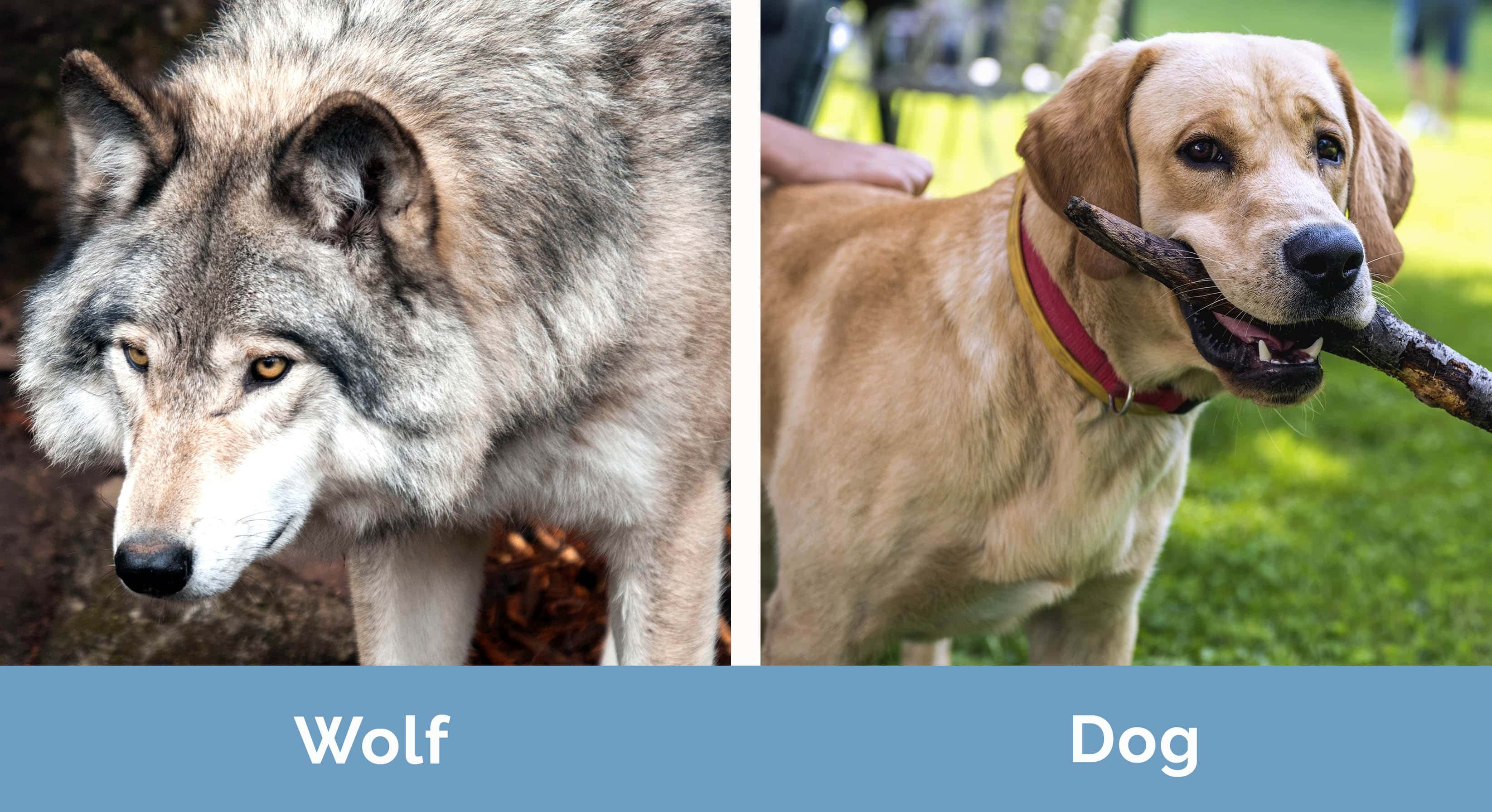
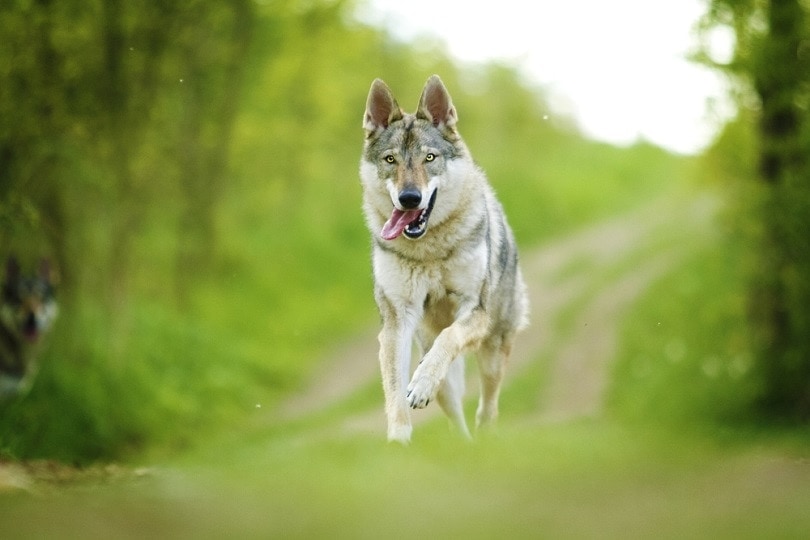
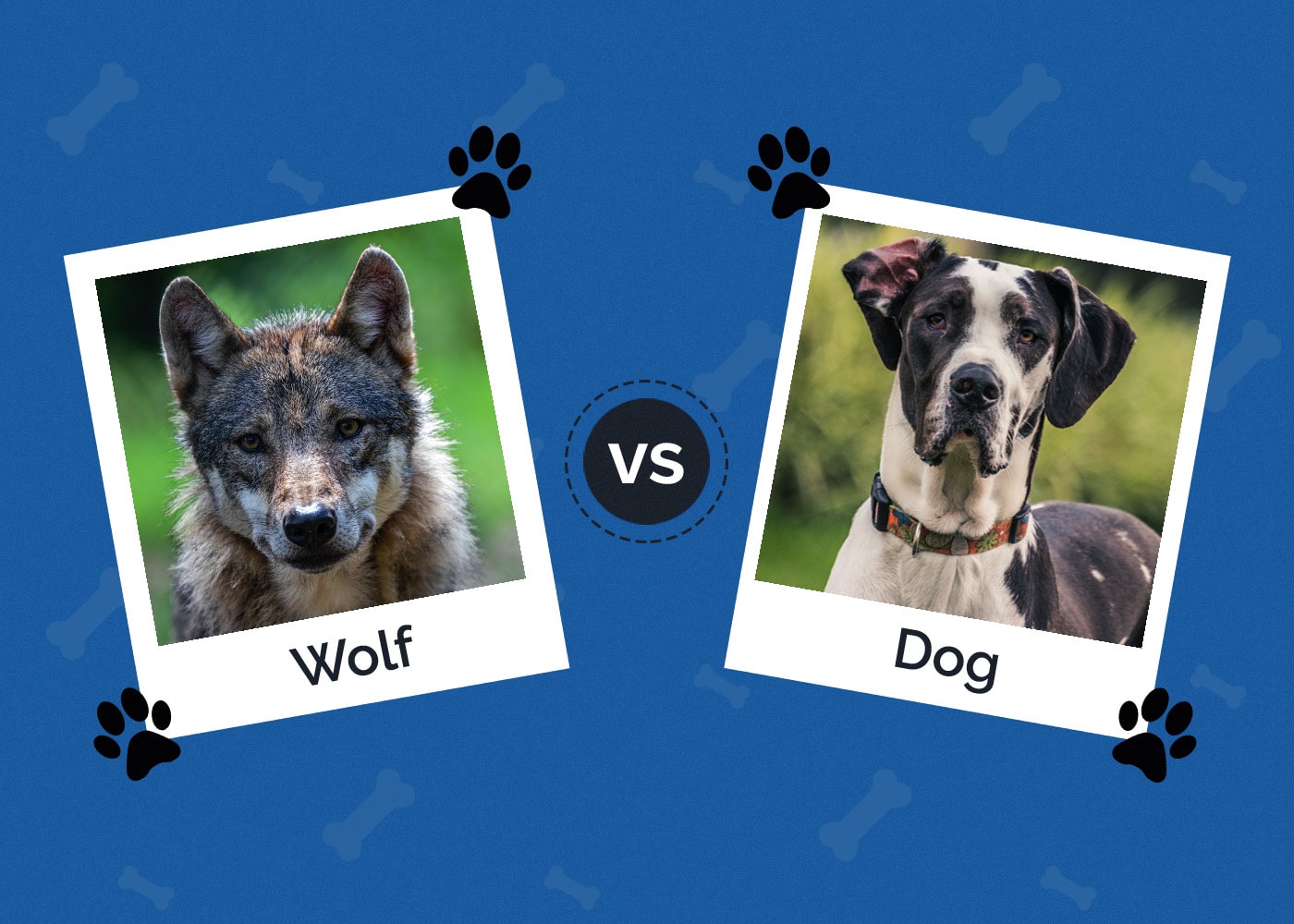
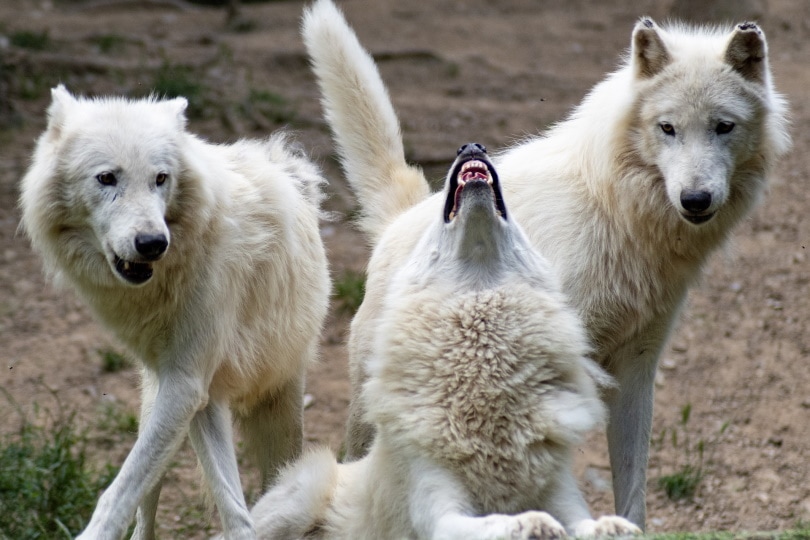
Wolves and dogs both belong to the Canidae family. The wolf’s scientific name is Canis lupus, and the dog’s scientific name is Canis lupus familiaris. Both animals share more than 99% of their DNA.1 It’s not common, but wolves and dogs can interbreed and produce a litter of puppies. Wolfdog litters aren’t sterile, and wolfdog pups can continue to reproduce once they reach sexual maturity.
While it’s possible for wolves and dogs to interbreed, it doesn’t happen very often. It’s pretty rare for them to breed in the wild because of several key differences.

Challenges of Breeding Wolves & Dogs
Sexual Behaviors
Despite being so closely related, reproduction between wolves and dogs is uncommon. To begin with, wolves mature slower than dogs. Domestic dogs can reach sexual maturity as soon as 6 months old. Wolves will reach sexual maturity at about 1 year old, and some wolves may not be ready to mate until they’re 4 years old.
Another difference between dogs and wolves is their mating seasons. Wolves have mating season in the spring, and female wolves go through one estrus cycle a year. Male wolves also only produce sperm seasonally. In contrast, female dogs go through two estrus cycles a year, and males produce sperm year-round.

Social Behaviors
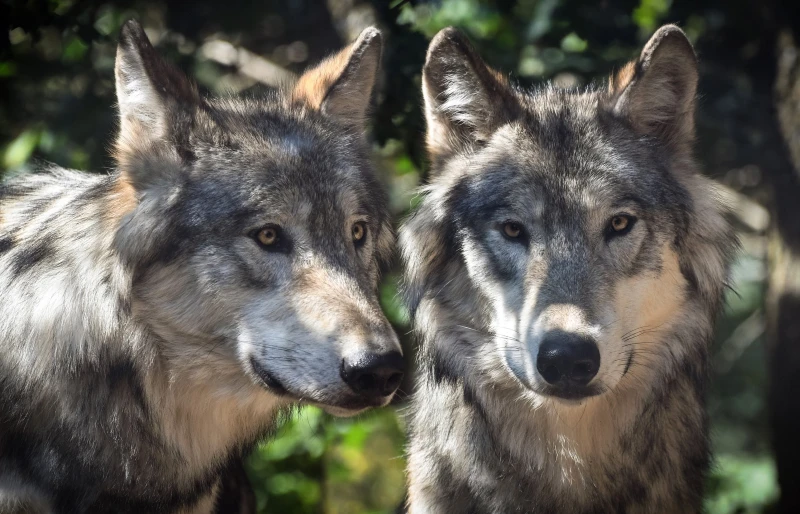
Wolves and dogs also aren’t known to get along very well because they have different social behaviors. Wolves are pack animals with a hierarchy. When wolves start to reach adulthood, they’ll begin to engage in behavior to establish themselves in their pack’s hierarchy.
More recent research is discovering that dominant behaviors in wolves are much more nuanced.2 For example, more experienced wolf pack leaders will actually survey behind their pack rather than lead from the front and let younger wolves eat first when food is scarce. Dominant wolves also rarely pin other wolves.
Dogs have social hierarchies and roles, but they’re different from wolves. One of the key differences between dogs and wolves is the dog’s ability to connect and bond with humans and respond appropriately to human behavior. The relationships that dogs have with humans and other dogs are more relaxed, and dogs don’t have a drive to become the alpha of a family.

What to Do if Your Dog Encounters a Wild Wolf
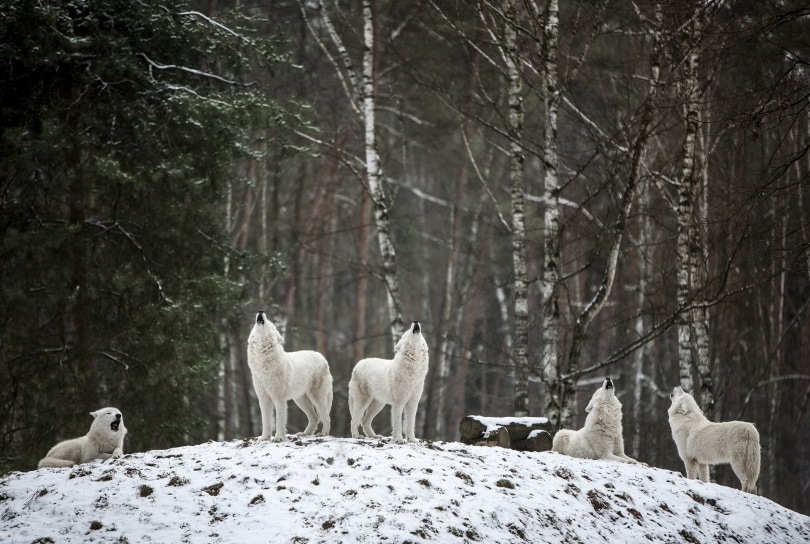
Because of their different social behaviors and priorities, wolves and dogs don’t typically get along. They may understand some body language and behavioral cues, but they also communicate differently. So, it’s as if they speak different languages.
If a wolf and dog cross paths, it’s most likely they’ll avoid each other. Some may react aggressively, but they’ll probably prefer maintaining distance between them.
What to Do If You’re with Your Dog
If you happen to be with your dog and see a wolf, it’s best to create as much distance as possible. Make yourself appear as large as possible and stand tall. Keep your dog close to you and stay calm so that your behavior doesn’t trigger your dog to act aggressively.
Most wolves will prefer not to engage with people and may just walk away on their own. You can create more distance by walking in the opposite direction. However, don’t turn your back on the wolf. Maintain eye contact and calmly back away.
If you’re in an area known to have wolves, you can carry bear spray with you as a safety precaution. If a wolf happens to attack your dog, you can use bear spray to break up the fight. Wolves can be hosts to parasites and are highly susceptible to rabies. So, make sure to take your dog to your veterinarian or animal emergency care right away to complete a physical exam.
Do Wolfdogs Make Good Pets?
People have mixed feelings about wolfdogs. Wolfdogs are considered domestic animals, but they may be illegal in some states. States that allow wolfdogs as pets may require owners to have a license or permit first.
It’s also important to note that there currently isn’t a rabies vaccine for wolfdogs. The standard rabies vaccines that veterinarians administer aren’t approved to use on hybrid animals. So, wolfdogs can be a dangerous liability.
Issues with Breeding Wolfdogs
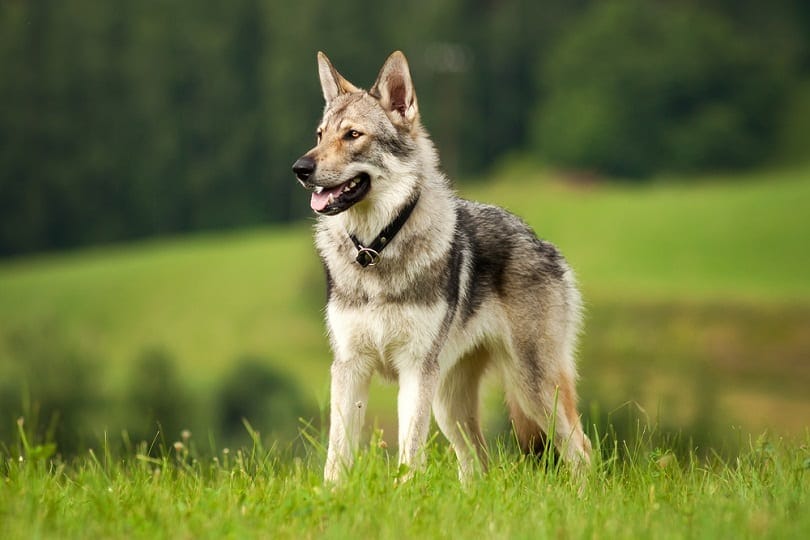
The breeding of wolfdogs isn’t as regulated or structured as breeding programs established for purebred dogs. Unethical breeders and scammers may advertise a litter of puppies as wolfdogs, but the puppies may not have any wolf in their DNA.
The sizes and temperaments of wolfdogs also vary. Some wolfdogs can be affectionate with humans and trainable. However, others may have a strong prey drive and be fearful of humans. They can end up being highly independent and becoming expert escape artists.
Also, despite their intimidating appearance, wolfdogs don’t usually make good guard dogs. Wild wolves tend to be shy and run from danger rather than acting confrontationally. Some wolfdogs may inherit this trait and not learn to guard.

Conclusion
Though it’s possible to breed a wolf and a dog, it is fairly rare. It is challenging to interbreed both animals because they reach sexual maturity at different rates, have different mating seasons, and have different social behaviors.
Bringing home a wolfdog can be a gamble because its size and behavior are unpredictable. So, it is best to care for a wolfdog if you have knowledge and experience with canine behavior and caring for exotic pets. They’re not suited for beginners and first-time dog owners.
Fortunately, there are plenty of large dog breeds that are affectionate and easy to train. So, if you’re interested in caring for a large pet, you can find many more suitable dog breeds that match your lifestyle and experience level.
You Might Also Be Interested in:
Featured Image Credit: Jumpstory
Get Hepper In Your Inbox


Pet care tips from our vets and experts, straight to your inbox.
You may opt-out at any time. View our Privacy Policy for more information.
Jessica is a freelance writer who spends most of her day reading and writing while her fluffy Cavapoo, Nora, naps beside her. She loves and appreciates pets and animals because there’s so much to learn from them, and they do so much for people. As a dog mom, she understands the special relationship that pet parents have with their pets. So, she loves sharing helpful information that people can use to better understand their pets. When she’s not writing, you can find her walking dogs, tending to her plant babies, or drinking her nth cup of coffee.
Join the conversation
Ask a question, share your story, or send private feedback.