Hepper is reader-supported. When you buy via links on our site, we may earn an affiliate commission at no cost to you. Learn more.
How Did Wolves Become Dogs? Canine Evolution Explained
In this article
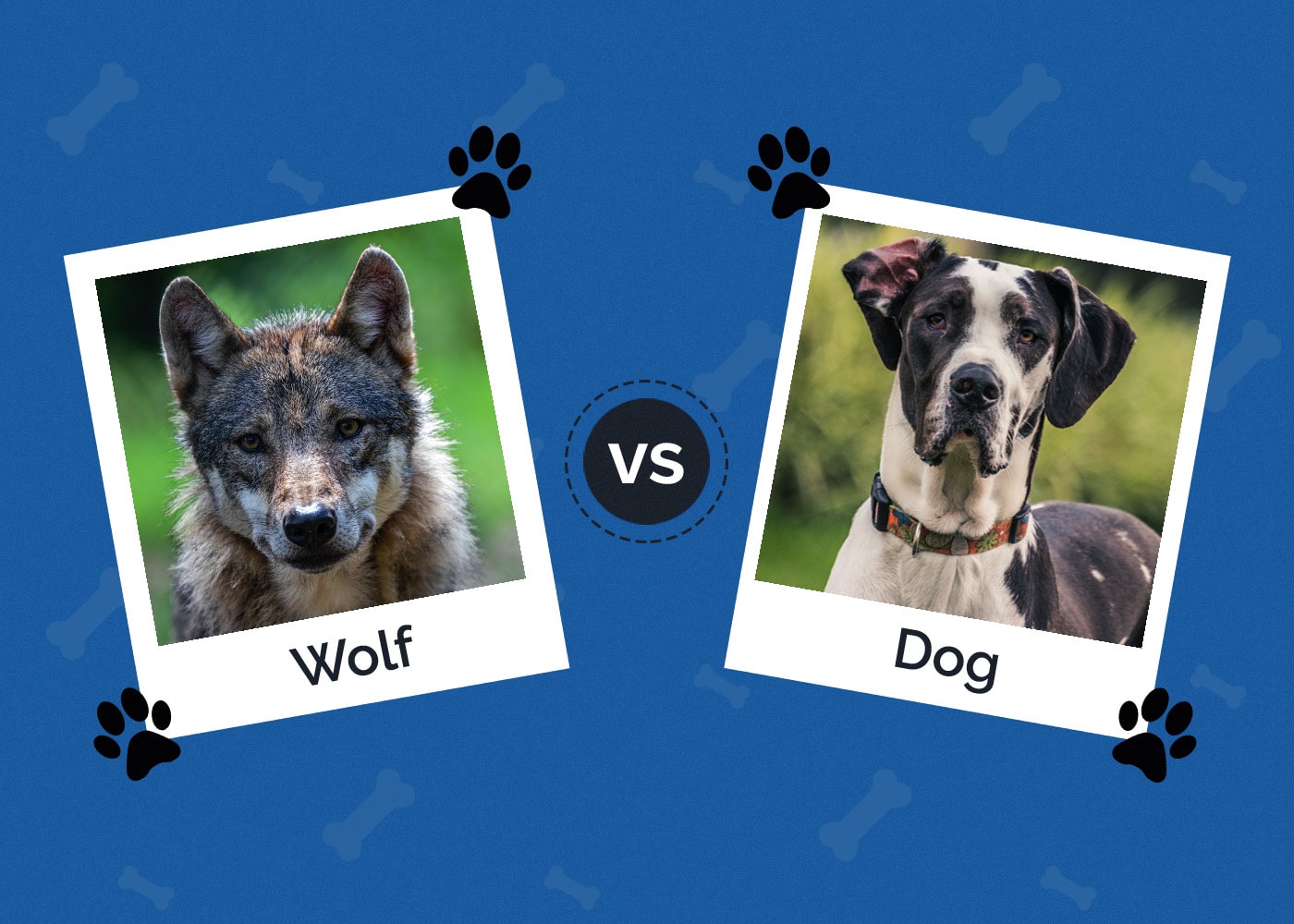
Have you ever looked at your pampered pup snoozing on the couch and wondered how this lazy creature could be related to a wolf? You’re not alone in your question either, as scientists have long struggled to determine how wolves became dogs. The current theory is that early humans domesticated certain wolves that were already losing their fear of humans and deliberately bred those who were friendliest towards people.
In this article, you'll learn when and how wolves became dogs and what scientists now believe about their genetic ancestry. Several researchers still don’t know about the origins of our relationship with dogs, but the search for answers continues.

Were Dogs & Wolves One Species Before?
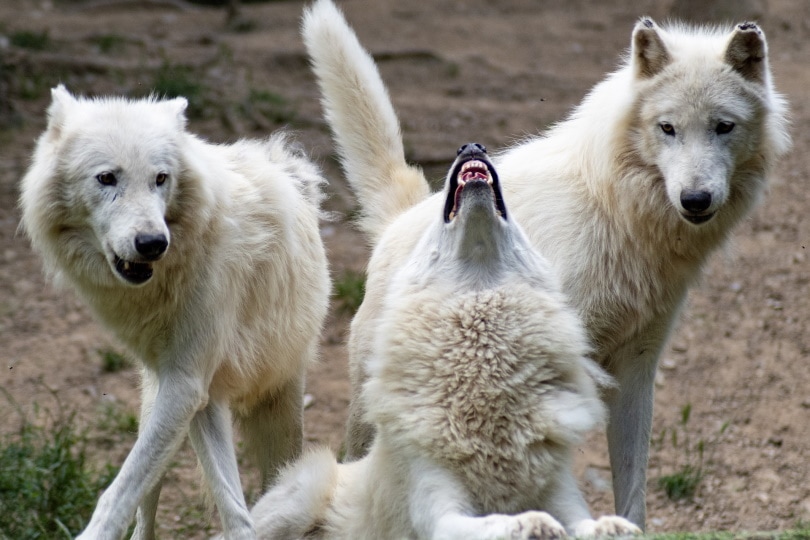
Some of the more recent scientific studies have reached a new conclusion about the genetic ancestry of dogs and wolves. Previously, it was thought that domestic dogs descended directly from gray wolves like those still alive today. However, scientists now believe that dogs descend from extinct wolves. So yes, dogs and wolves used to be one species, but the wolf part of the equation no longer exists.
Studying wolf genetics is extremely complicated because the animals have such a broad population range compared to other species. Wolves are found all over the world, and the same was true in ancient times. Different populations also interbred frequently, further muddling the genetic picture.
Even today, scientists are still identifying subspecies within the broader gray wolf species and may even single out a whole new species at some point.
When Did Wolves Become Dogs?
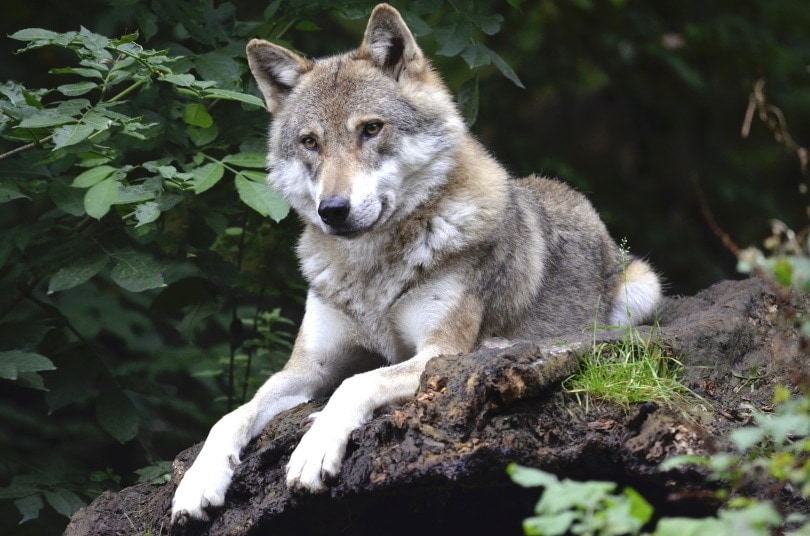
Again, scientists have yet to determine when dogs were first domesticated conclusively. The best they have come up with is a range of times during the last ice age. Humans probably began to domesticate wolves between 15,000 and 23,000 years ago.
One theory suggests that wolves may have been domesticated more than once in different locations based on the genetic makeup of ancient dogs. However, a more likely possibility is that wolf populations in other geographic areas still manage to interbreed sometimes.
Where Did Wolves Become Dogs?
Like so many questions about dogs and wolves, this one does not have an exact answer yet. Previous studies suggested that dogs first emerged in locations including Western Europe, the Middle East, Siberia, and East Asia or even a combination of places. The most recent study, published in 2022, argues that dogs most likely originated from eastern Eurasia.
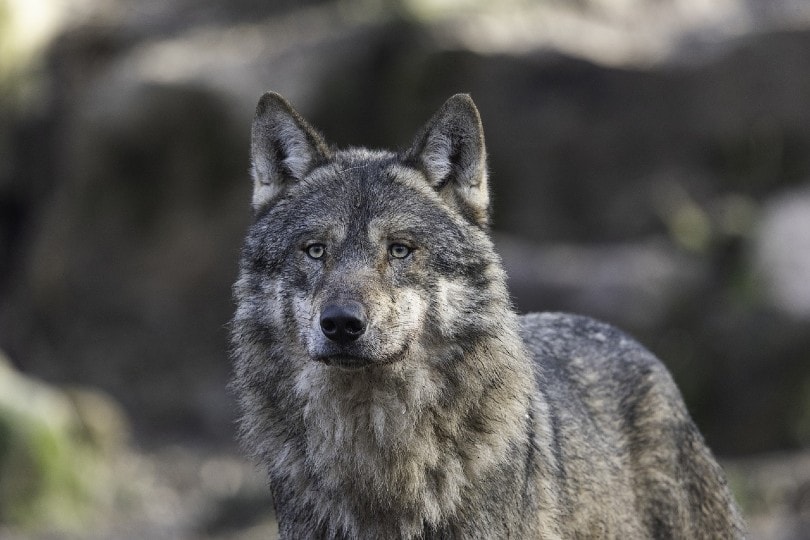
How Did Wolves Become Dogs?
The most widely accepted theory about how dogs became wolves is a story of two species who came together for mutual benefit. The ice age climate was harsh, and hunting was probably tough for ancient wolves. Because of this, braver wolves probably began hovering around human camps, looking for food. Already inclined to be more docile, these wolves passed that personality trait on to their offspring.
Seeing the potential of having these tame wolves around to help hunt and guard their homes, early humans began deliberately breeding for animals that were gentle and attached to people. Over time, the wild wolf traits disappeared completely, and the domestic dog was here to stay.
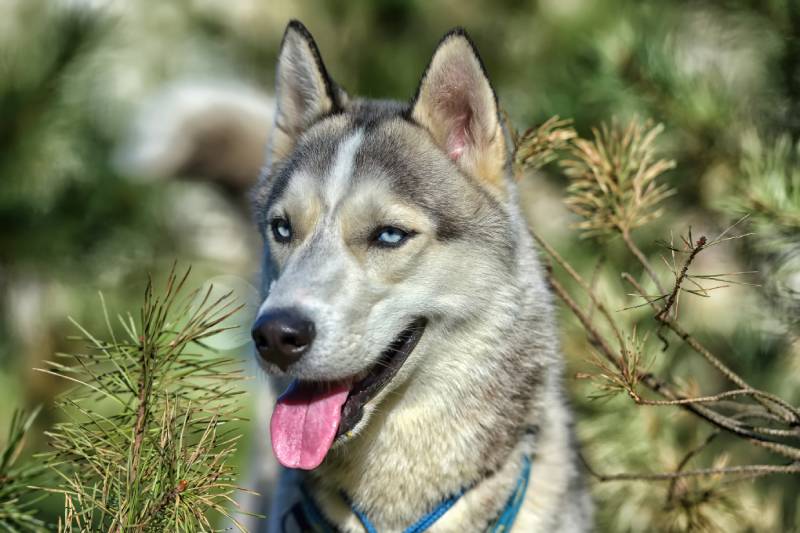
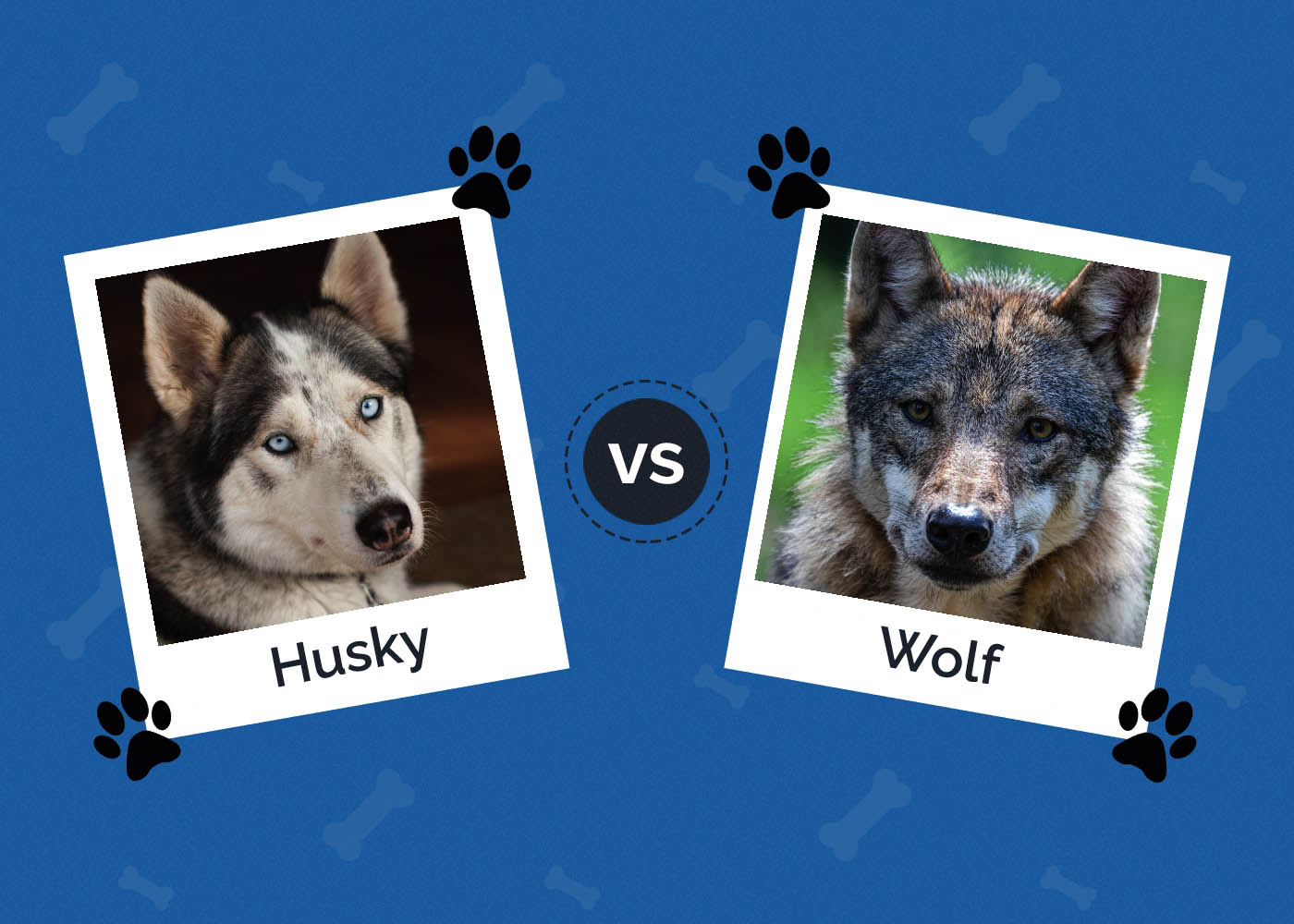
From the earliest dogs, probably resembling modern arctic breeds like Huskies and Malamutes, humans developed species to serve other roles. If they needed a dog to help them with a task, they looked for dogs with traits and behaviors they thought would work best and bred them.
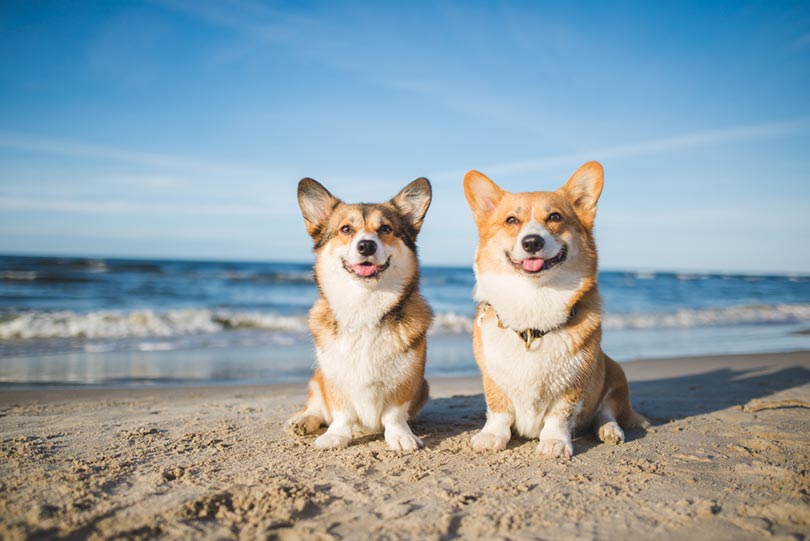
All dogs are the same, but within that species is some of the most remarkable diversity you can find. There are now hundreds of separate dog breeds, with new hybrids appearing every year.

Summary
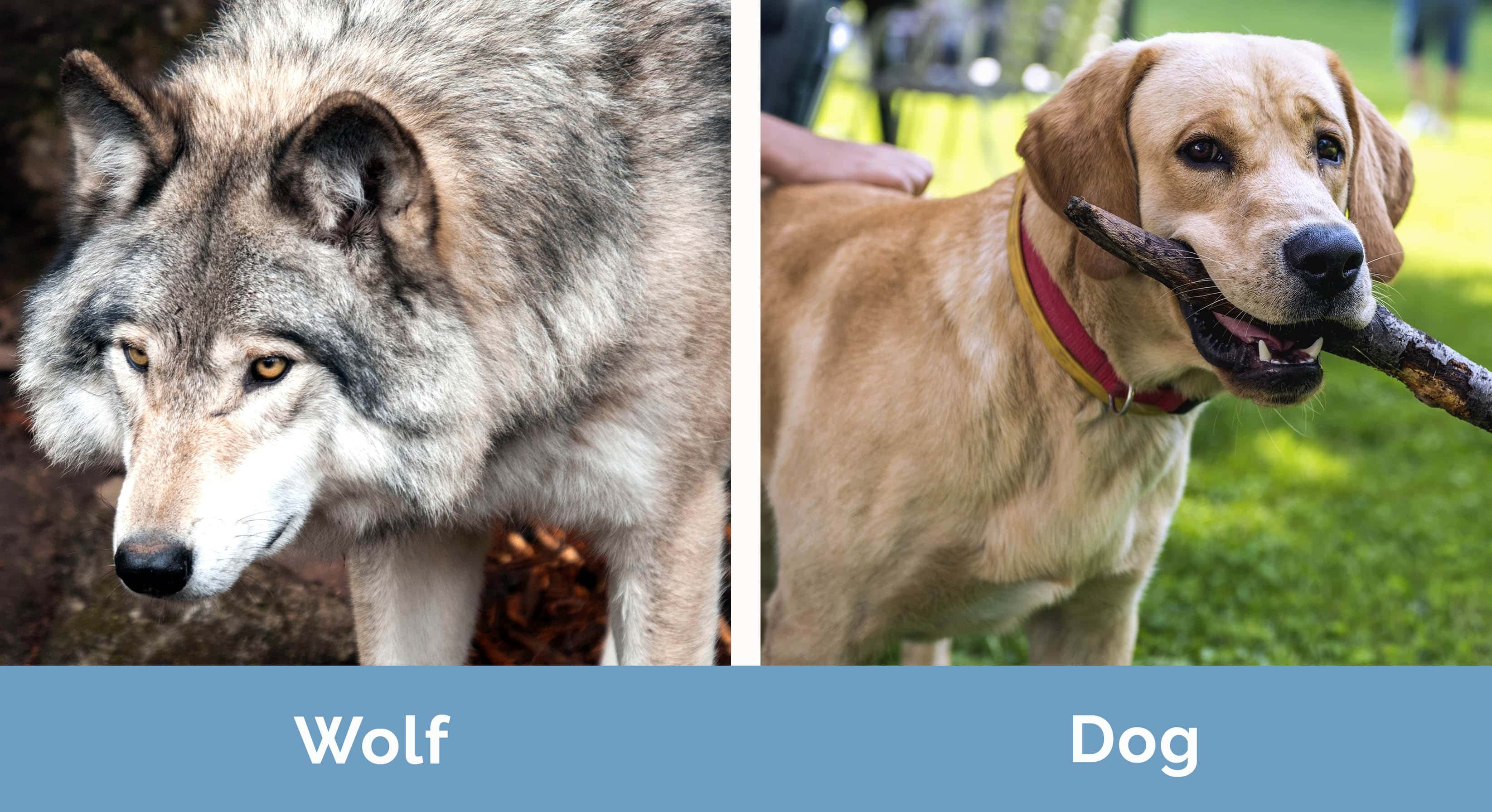
Wolves and dogs may once have been the same species, but they now bear little resemblance. Humans bred dogs with the traits they wanted, yes, but dogs also adapted to live more easily with humans. Because of this, modern dogs primarily depend on humans for survival, unlike wolves, who are among the most independent and intelligent survivalists on the planet.
While scientists continue to search for the details of the dog and human origin story, we must understand the differences between the two species. Wolves aren’t pets, and dogs don’t behave (or eat) like wild animals anymore.
Featured Image Credit: Baptiste Lheurette, Pixabay
Get Hepper In Your Inbox


Pet care tips from our vets and experts, straight to your inbox.
You may opt-out at any time. View our Privacy Policy for more information.

A lifelong lover of all creatures great and small, Elizabeth got her first cat at 5 years old and at 14, she started working for her local veterinarian. After spending more than 20 years working as a veterinary nurse, Elizabeth decided to step away to become a stay-at-home parent to her daughter. Now, she is excited to share her knowledge with our pet parents. Elizabeth lives in Iowa with her family, including her two fur kids, Linnard, a husky mix and Algernon, the worldʻs most patient cat. When not writing, she enjoys reading, watching soccer, and spending time outdoors with her family.
Join the conversation
Ask a question, share your story, or send private feedback.