Hepper is reader-supported. When you buy via links on our site, we may earn an affiliate commission at no cost to you. Learn more.
Are Golden Retrievers Aggressive? Breed Temperament Explained



In this article
The Golden Retriever is one of the most popular breeds in the world and one of the most loyal. They are normally happy-go-lucky, easy to train, and loving members of their families. One question most people ask before bringing a Golden Retriever, or any dog breed, into their home is: are they aggressive? With some breeds that answer is simple. Golden Retrievers are not naturally aggressive dogs. However, like any animal, there are situations in which they may become dangerous to animals and people around them.
If you’re considering bringing a Golden Retriever into your home, this article is for you. We’re going to take a look at the temperament of the Golden Retriever, why they may become aggressive, and what you can do to stop this behavior. Hopefully, we’ll provide you with the information you need to make a Golden Retriever your best friend without any worries.

A Bit About Golden Retrievers
While the Golden Retriever is best known as a family dog, its beauty is also a major trademark. The Golden is a muscular, medium-sized dog with a long, lustrous coat. They are highly intelligent making them perfect for guide dogs and service animals..
These dogs originated in the Scottish Highlands as gundogs between 1840 and 1890. The man most noted for their development is Dudley Marjoribanks, the first Lord Tweedmouth. The breed first appeared in dog shows in Britain and America in 1908. It was in the 1970s, thanks to President Gerald Ford, that Golden Retrievers truly shot to fame. This was thanks to his beautiful Golden he named Liberty.

Why Are Golden Retrievers So Beloved?
As we’ve already mentioned, the Golden Retriever is easily one of the most popular dogs in the world. Why are they so loved? It’s their demeanor. The Golden is considered great with children and well-mannered. Whether they are trained as service dogs or simply a family pet, they are eager to please and show loyalty to their families quite often. For most people, the idea of seeing one of these dogs showing aggression is unheard of. While it may not happen often, it is crucial to remember that even these fun-loving family dogs can have issues.

What Makes a Dog Aggressive?
No matter the breed, aggression in a dog is a frightening thing to see. In a Golden Retriever, environmental and genetic factors are often the root of the problem. Let’s take a look at reasons a Golden may show aggression.
1. Poor Socialization
Dogs are social animals. By keeping them away from other animals, people, and areas they can become anti-social. Unfortunately, this means they may act out in new situations or when people or animals enter their comfort zone. While normally, this type of situation causes a dog to exhibit signs of fear and backing away from a threatening stimulus, sometimes this fear can escalate into aggression. Don’t be surprised to see a Golden snarling, growling, or having the hair on its back (hackles) raised. If you ever see this, the first thing to do is to back away.

2. Abusive History
While you may love your dog and treat them like your best pal, not all dogs get the same experience. Often, dogs are neglected or physically and mentally abused in the home. They can even be taught to be aggressive. When this happens, you’ll notice aggressive tendencies when people or animals come around.
3. Bad Breeding
Most animal lovers preach the importance of reputable breeding and the avoidance of backyard breeders. Aggression is one of the reasons for this. Some breeders simply don’t care about the pedigree or history of the pets they sell and whether or not the offspring are showing early signs of aggression. If they aren’t doing proper research or providing a safe environment for their dogs, it’s possible that an aggressive Golden could develop.
4. Behavioral Issues
If you’ve been careful when selecting a breeder, treated your dog well, and ensured they are properly socialized and they still show signs of aggression, it may not be anyone’s fault. A chemical imbalance in your dog’s brain can be the reason they show aggression. Consider bringing your Golden to the vet to confirm no underlying medical cause or pain on physical exam since any dog could easily react if in pain.
5. Stress
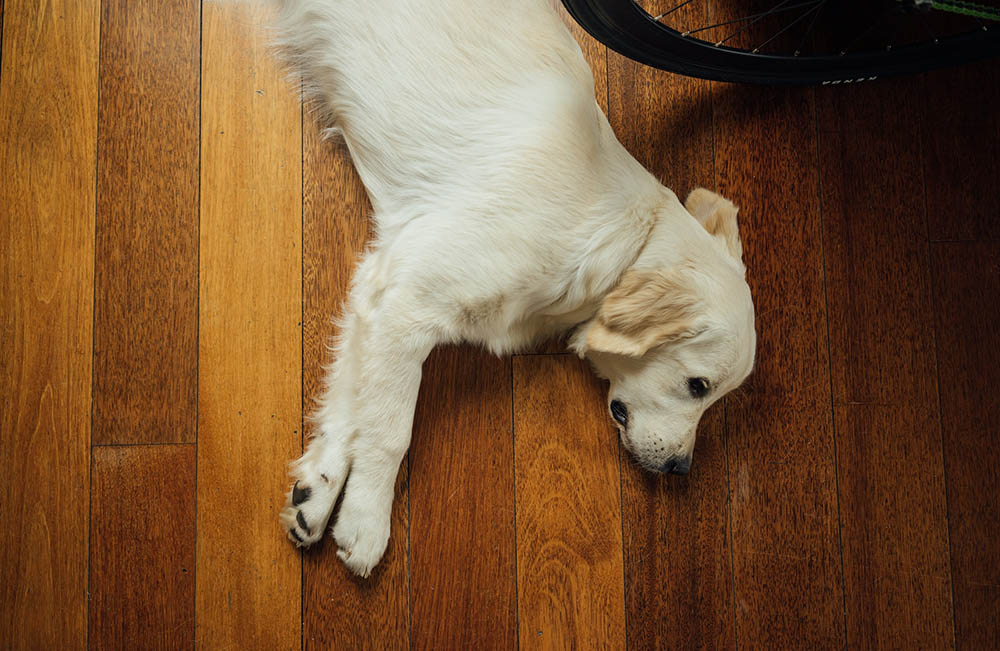
Certain stressful situations can make your dog show signs of aggression. This can happen once, or each time they’re put in the situation. Your dog may also react to several scenarios and become aggressive. Here are some of the most common scenarios where Goldens may show aggression.
What Do I Do If My Golden Is Aggressive?
If you’ve worked with a reputable breeder, socialized your Golden, and avoided using punishment that may scare your pet and they still show signs of aggression, it’s time to reach out to a professional. Whether you speak with a veterinarian or a trainer, don’t take this on alone. Taking random advice or addressing the situation without the proper tools can leave you, your family, and your pet in troublesome waters. Professionals can assess the risks, and what could be the root of the problem, and help you correct the behavior before it gets too late.
Conclusion
While the likelihood of a Golden retriever showing aggression is low, it isn’t impossible. Like with any dog breed, it’s important that you properly train and socialize your dog before introducing them to situations that are new to them. If aggression shows, promptly reach out to your veterinarian and trainer. Discovering why your dog is upset and rectifying the situation can make things more comfortable and safer around the home.
Featured Image Credit: David Moynihan, Unsplash
Get Hepper In Your Inbox


Pet care tips from our vets and experts, straight to your inbox.
You may opt-out at any time. View our Privacy Policy for more information.
Melissa was born and raised in the mountains of East Tennessee where she spent her time writing in an old notebook and playing outside with her pets. As an avid animal lover, she has brought many into her home over the years. Currently, she is the mom of 5 fur babies. Her 2 cats, Princess and Pepper are total opposites who demand attention. Her dogs Jazzy, Whitey, and Demon are full of spunk and keep the entire family on their toes.
Beyond life as an animal mom, Melissa is a dedicated wife and mother to 2 children. Writing in her old notebook led her down the path of becoming not only a freelance writer but a published Indie author under the pen name, Rena Marin.
Join the conversation
Ask a question, share your story, or send private feedback.