Hepper is reader-supported. When you buy via links on our site, we may earn an affiliate commission at no cost to you. Learn more.
How to Make an Antisocial Dog More Friendly: 10 Vet-Approved Tips


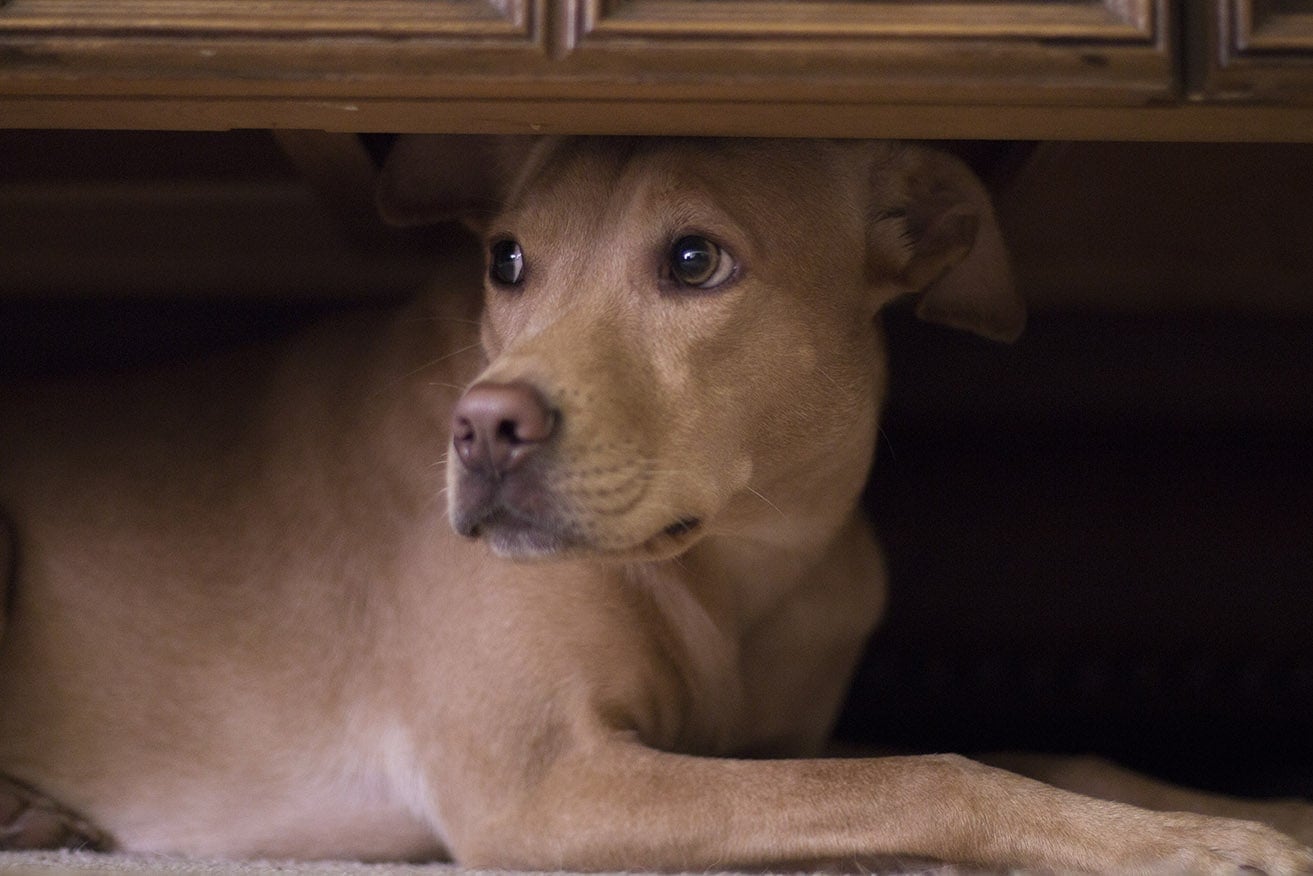
While dogs are known to be social animals, not all of them are outgoing social butterflies. Like people, dogs have varying levels of sociability. They'll also have preferences for the types of dogs and humans they prefer to be with.
If your dog has a naturally reserved personality, it's unfair to expect it to enjoy going to dog parks and playing with all kinds of dogs. However, it's important to differentiate between natural introversion and antisocial behavior. If you have a dog that’s acting a bit antisocial or aggressive towards other dogs, it's important to address these behaviors and train your dog to remain calm around other dogs. Here are 10 tips to help your dog become more friendly towards other dogs and strangers.

The 10 Tips to Make an Antisocial Dog More Friendly
1. Find Gentle Playmates
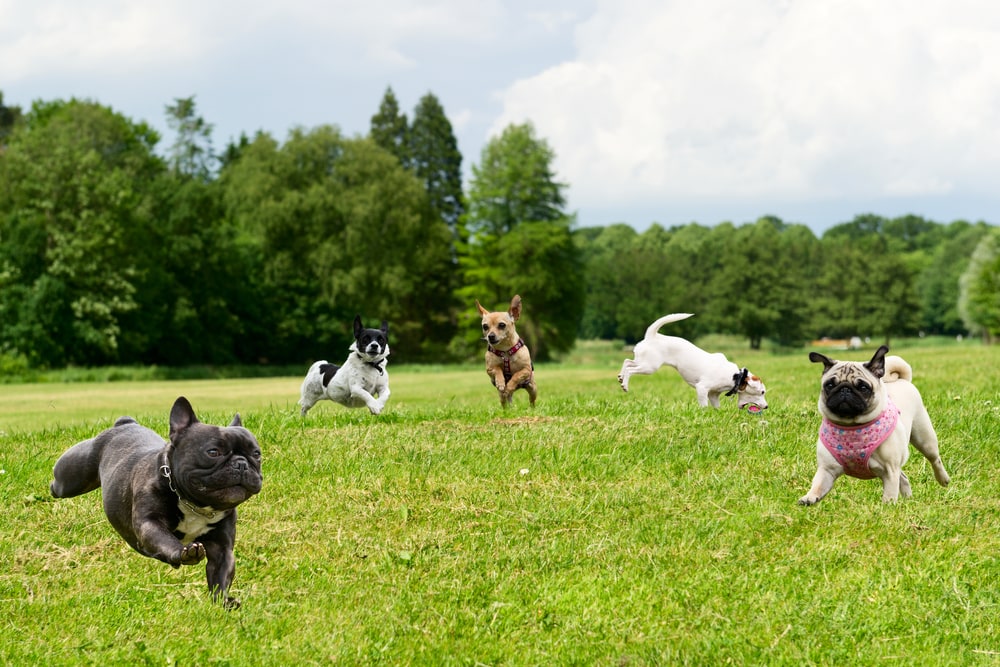
It's very unlikely for an antisocial dog to be comfortable around a hyperactive dog or a dog that doesn't respect its boundaries. So, to help your dog get used to being around other dogs, it's important for it to meet the right ones.
Dogs that have calm personalities and lower energy levels are often well-suited for dogs that are uncomfortable around other dogs. These dogs are also at low risk of showing aggression toward your dog and will prevent them from experiencing more negative associations when interacting with other dogs.
2. Reward Interactions With Treats
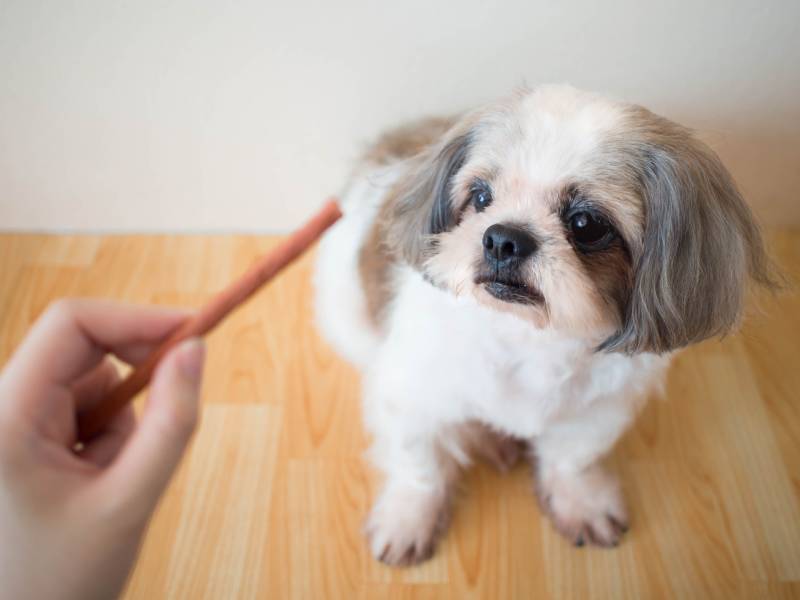
Treats and other rewards are going to help immensely with getting your dog to be more comfortable around other dogs and strangers. This is because rewarding your dog will help build positive associations with other dogs and people.
For example, if you give your dog a treat every time another dog walks by and they are calm, they will eventually understand that they will receive a treat every time that they see a dog. This will then transform the presence of other dogs into a positive thing because it's something that triggers a treat. Over time, your dog will view other dogs positively and any anxiety or aggressiveness that it originally had toward them will be eliminated.
3. Don’t Visit Dog Parks Just Yet
Taking your antisocial dog to dog parks will most likely reinforce antisocial and aggressive behaviors because it's too big of a step for them. Dogs often react with anxiety or aggression because they don't feel safe or comfortable. Going to a dog park filled with many other dogs is going to feel more overwhelming than relaxing for antisocial dogs.
You also don't have any control over the types of dogs that will be there. Some dogs may have pushy personalities and won't respect your dog's boundaries. This will only cause your dog to engage even more in aggressive behaviors and can lead to a dog fight and injuries. So, it’s best to refrain from visiting dog parks until your dog gets more comfortable being around calm and friendly dogs.
4. Go on Daily Walks
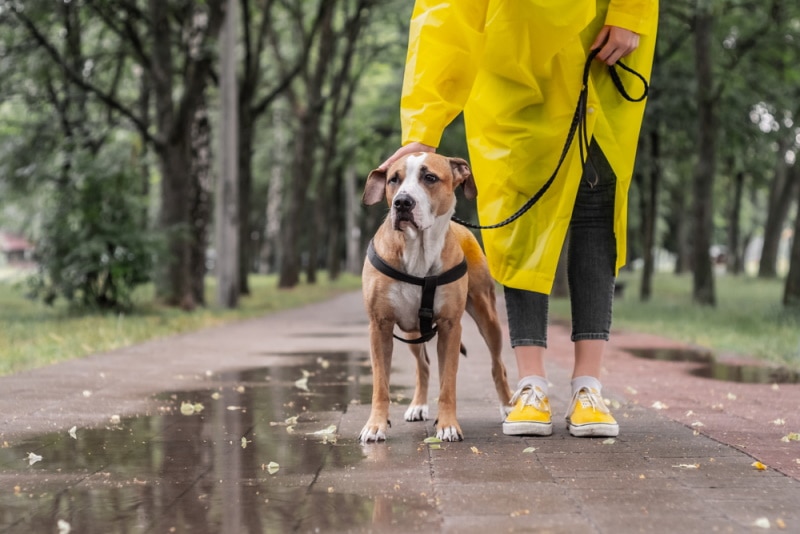
Going on daily walks is extremely beneficial for dogs. Not only is it a great form of exercise, it can also help desensitize your dog and get it used to all kinds of surroundings. Start by going on walks in areas known to be calmer and having less foot traffic. This will help your dog just get used to walking and exploring in a safe environment.
As your dog becomes more comfortable with walks, you can transition to taking your dog to places with a little more activity, like large parks. If there are other dogs walking in the park, stay at a distance that’s comfortable for your dog. Reward it for any positive behaviors, like sitting or turning its face toward you instead of the other dog.
5. Get to Know Dog Body Language
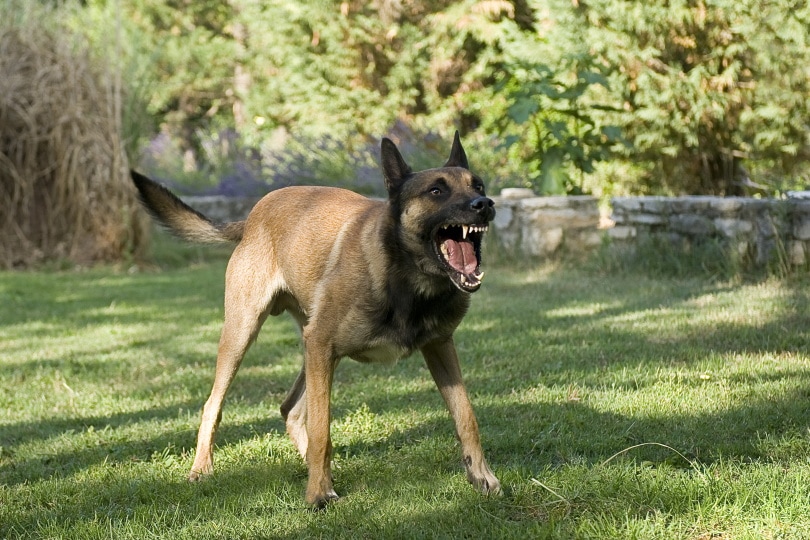
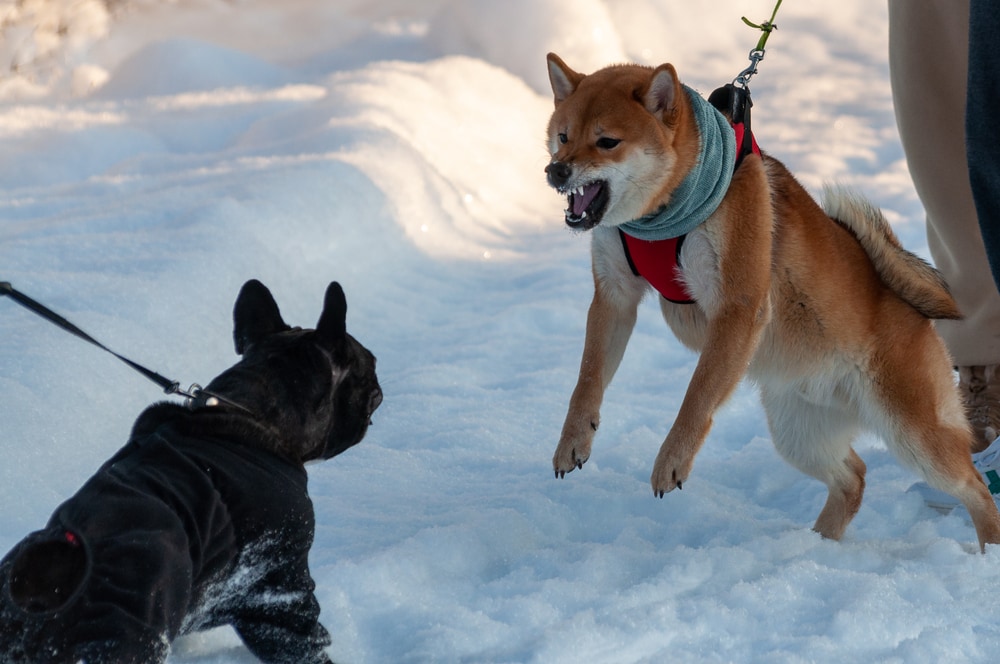
An effective way to discourage aggressive behaviors is to get your dog to disengage before a situation escalates to aggression. Dogs will give certain cues and warning signs before they decide to attack. Dogs that are about to get aggressive will usually become rigid and raise their tails. Their ears will be flat against their head, and they may look like they're ready to lunge.
If you catch your dog getting positioned in an aggressive stance, try to distract it by clapping your hands, or calling out its name. It’s absolutely crucial to reward your dog the moment it looks away from the other dog because it teaches your dog that aggression isn’t the appropriate behavior to engage in when it sees another dog. Move away, and redirect your dog's attention by asking for a simple behavior, such as walking in tandem with you.
6. Work With a Dog Trainer
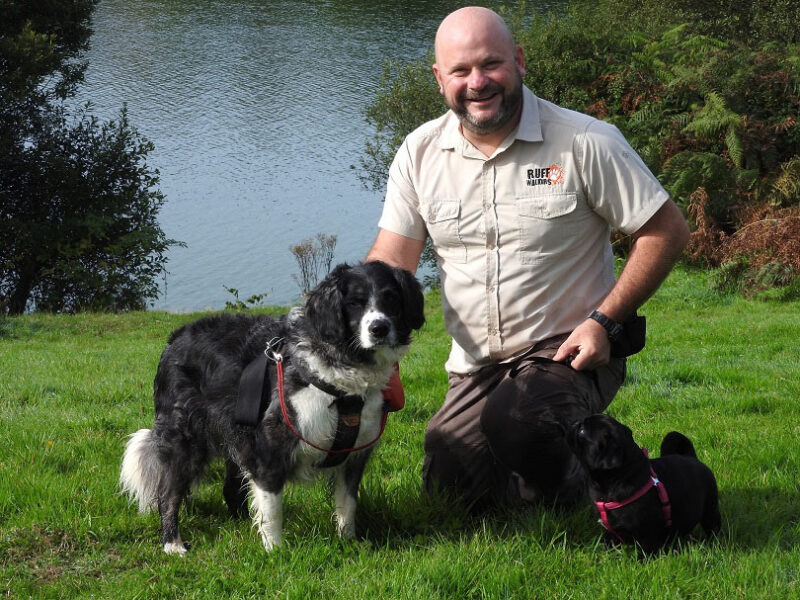
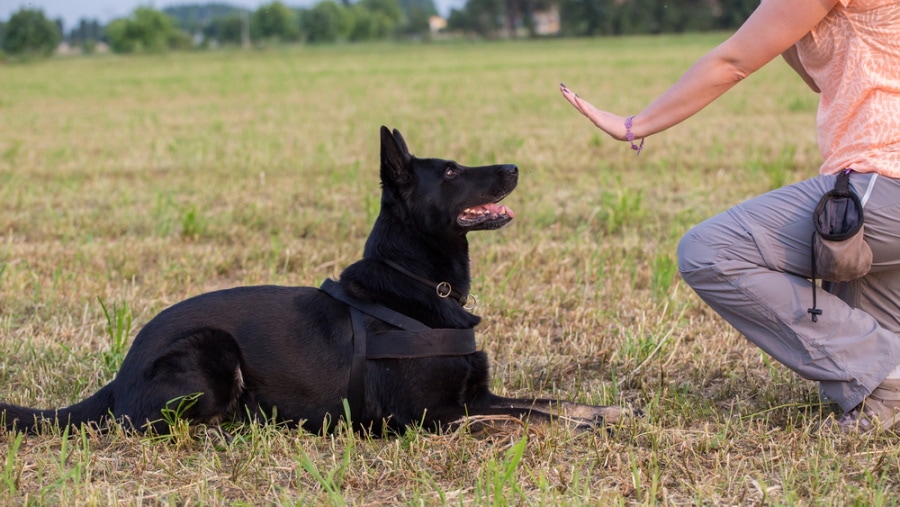
Investing in the help of a reputable dog trainer can be so worth it. Dog trainers don't just teach you how to train a dog, but they also help you understand your dog better. After they get to know you and your dog, they’ll come up with an individualized training plan to help your dog get used to being around other dogs and strangers. They can also coach you and give you personalized tips on training methods that will be most effective for your dog.
7. Teach the “Leave It” Command
The “leave it” command is a common obedience training command for dogs. It essentially helps dogs to ignore or leave behind any object that draws their curiosity. While this command is often used to prevent dogs from picking up and eating harmful objects and substances, it can be used on other dogs and animals.
Every time your dog walks past another dog, say “leave it” and get your dog to focus its attention back on you. Make sure to reward your dog with a treat every time it chooses to look at you rather than the other dog. Eventually, your dog will learn that it doesn’t have to feel defensive or aggressive whenever another dog walks by.
8. Keep Training Sessions Positive

When it comes to training antisocial dogs, it's vital that you remain positive and not show frustration or impatience. This is because any negative emotions can end up becoming associated with the presence of other dogs. For example, if you show frustration when your dog starts lunging at another dog, your dog will not understand that your frustration is caused by the lunging. Instead, your dog will start to build a connection that you feel frustrated every time another dog is around.
This misunderstanding will validate your dog to continue to show aggression towards other dogs because it thinks you feel frustrated when other dogs are around. So, if you experience a particularly frustrating training session, it's better to walk away and take a break than continue to engage while feeling frustrated.
9. Don’t Force It
Make sure to work at a pace that is comfortable for your dog. Working too quickly can end up exacerbating and increasing the intensity of antisocial behaviors. This is why it's not a good idea to take antisocial dogs to dog parks before they're ready for them.
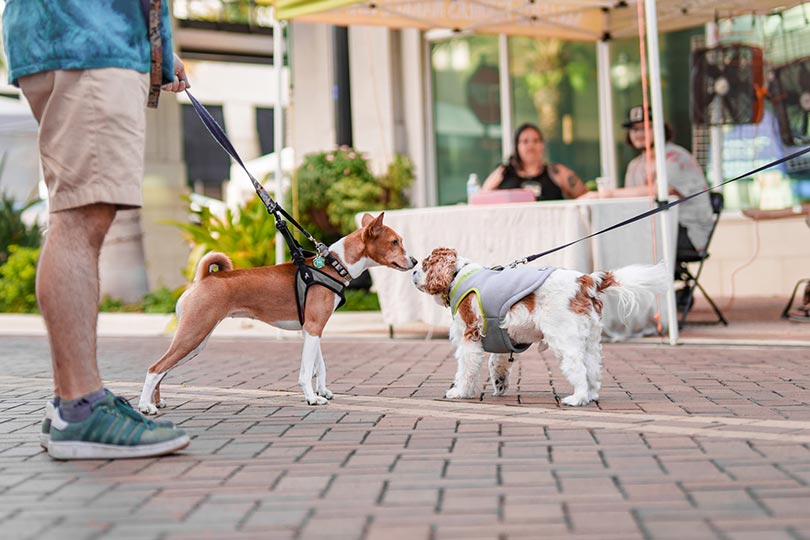
Instead, work in small increments that’ll boost your dog's confidence rather than make it feel unsafe. Start by introducing your dog to one friendly dog. These introductions should start at a distance that's comfortable for your dog. You may have to begin several feet away from the other dog in order for your dog to stay calm. Then, you can slowly decrease the distance between your dog and the other dog.
10. Be Patient
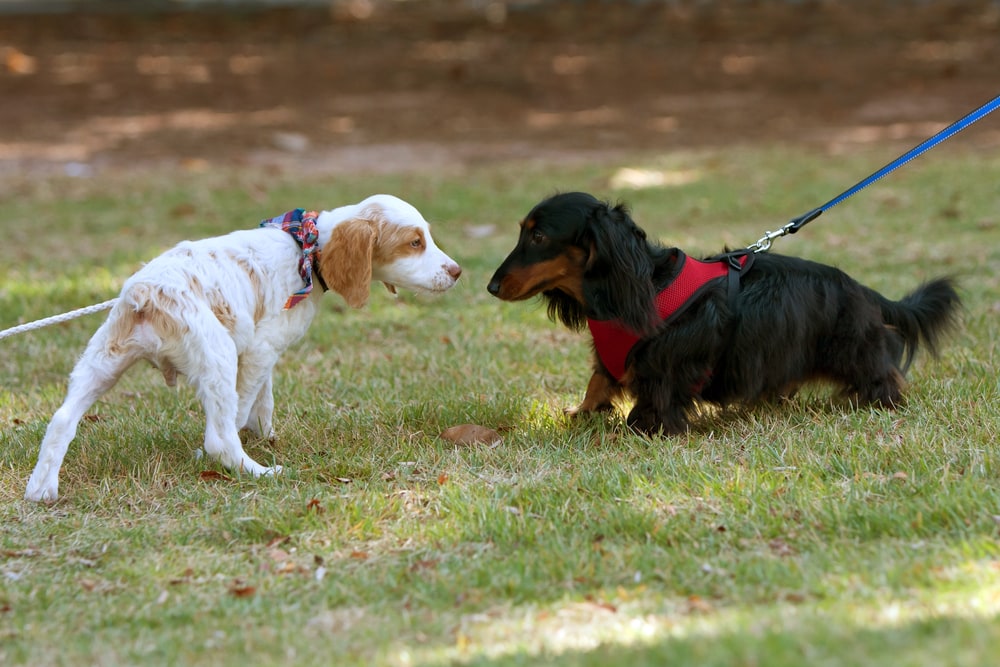
It's important to go into training antisocial dogs with the expectation that it’ll take several months for them to become friendlier. Dogs aren't aggressive for no reason. They usually have a learned experience that taught them to be aggressive around other dogs. So, it's going to take time for them to unlearn antisocial and aggressive behaviors and learn to remain calm around other dogs.
So, start becoming comfortable with going at a slow pace and working in small increments. Consistency will also help your dog experience more success. Having more realistic expectations with your dog will help training sessions be less discouraging and frustrating.
Summary
Not all dogs have personalities where they will be best friends with every single dog they meet. It's completely normal and healthy for dogs to prefer dogs and people. However, if your dog starts to display antisocial, anxious, or aggressive behaviors, it's best to address them right away.
It’s possible to train your dog to remain calm around other dogs. If you ever find yourself experiencing more frustration, don't hesitate to work with good dog trainers. They can help you develop a practical training plan to help your dog become better socialized with other dogs and strangers.
See also:
My Cat Is Drinking Lots of Water and Meowing, Should I Worry? Vet-Reviewed Causes & FAQ
32 Dog Breeds Prone to Ear Infections (Plus Signs & Treatment)
Featured Image Credit: Patrick H, Shutterstock
Get Hepper In Your Inbox


Pet care tips from our vets and experts, straight to your inbox.
You may opt-out at any time. View our Privacy Policy for more information.
Jessica is a freelance writer who spends most of her day reading and writing while her fluffy Cavapoo, Nora, naps beside her. She loves and appreciates pets and animals because there’s so much to learn from them, and they do so much for people. As a dog mom, she understands the special relationship that pet parents have with their pets. So, she loves sharing helpful information that people can use to better understand their pets. When she’s not writing, you can find her walking dogs, tending to her plant babies, or drinking her nth cup of coffee.
Join the conversation
Ask a question, share your story, or send private feedback.