Hepper blog

Search our database of over 9,984 posts with up-to-date information from our experts and veterinarians.

Hepper is reader-supported. When you buy via links on our site, we may earn an affiliate commission at no cost to you. Learn more.

Are Lightning Bugs Poisonous to Cats? Vet-Reviewed Toxicity & Facts

By Brooke Billingsley · Reviewed & fact-checked by Dr. Chyrle BonkVet Approved
Dr. Chyrle Bonk
Reviewed & Fact-Checked byDr. Chyrle BonkDVM (Veterinarian)
Chyrle Bonk, an Idaho native, who spent four years in Oregon pursuing her veterinary degree before returning to her beloved home state. An outdoor enthusiast, she explores Idaho's expansive landscapes with her husband and two boys whenever possible. Their family includes an assortment of pets and livestock, featuring two dogs, two cats, two horses, a pony, and a seasonal group of cows numbering between 80 and 150.View authorThe information is current and up-to-date in accordance with the latest veterinarian research. Read about our vets
Share
Ask us a question in the comments
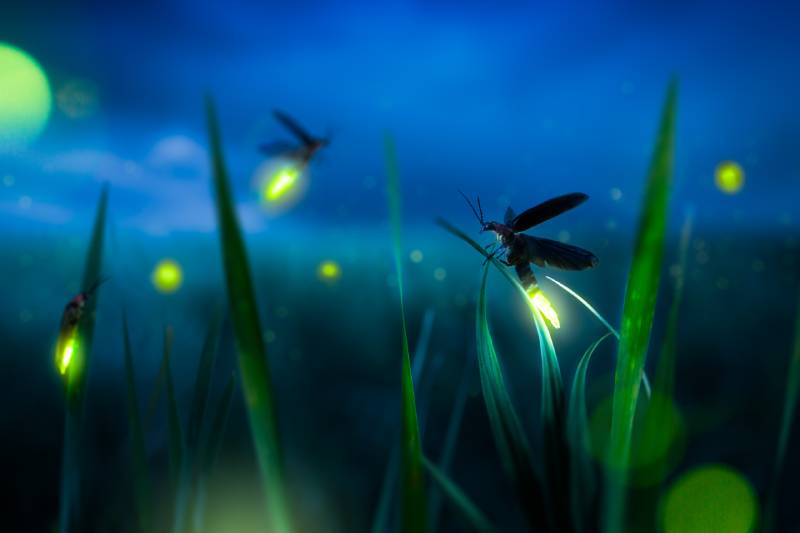
glowing firefly on a grass filed at night

Lightning bugs are highly toxic to our reptile and amphibian friends, but less so to larger pets like dogs and cats. But that doesn’t mean you should let your cat eat as many lightning bugs as they want because consuming large numbers of them could cause some harm. That being said, it’s unlikely that your cat would eat enough lightning bugs to have a serious issue; they are pretty hard to catch and have a bitter taste that most cats won’t like. In summary, lightning bugs are toxic in large quantities, and you should prevent your cat from eating them as they represent no benefit in their diet.

What Makes Lightning Bugs Toxic?

Lightning bugs contain chemicals known as lucibufagins. These chemicals give the lightning bug a bad taste to help keep predators from eating them. They’re also the cause of toxicity.

In small animals, like frogs and lizards, the consumption of one firefly has the potential to be deadly because lucibufagins can cause damage to the heart muscle. Thankfully, larger pets are less sensitive to lucibufagins, and due to their poor taste, your cat is unlikely to eat enough bugs to cause a real issue.
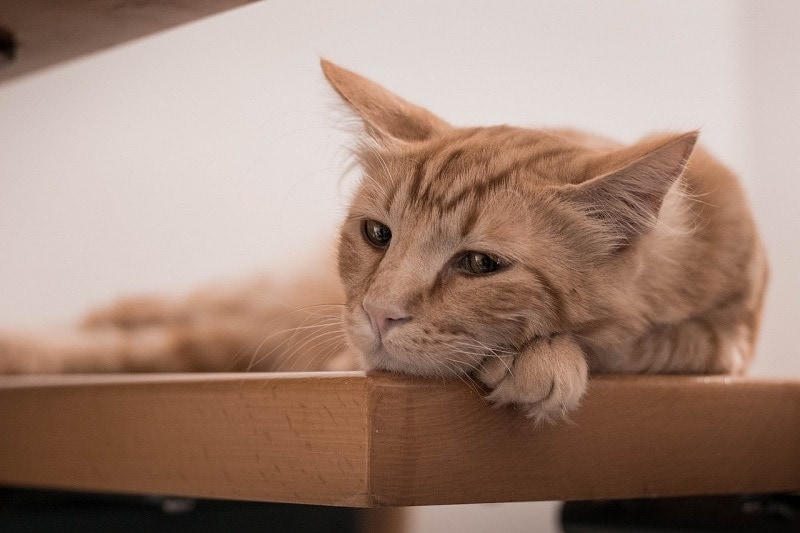
sad cat
Image Credit: avi_acl, Pixabay

What Are the Signs of Lucibufagins Toxicity?

If your cat happens to get their mouth on a lightning bug, the most common reaction you may see is drooling or lip licking. That’s because the bitter taste of the lightning bug can make a cat salivate. However, if your cat happens to actually eat a lightning bug or two, there is a chance that they will experience stomach pain, diarrhea, and vomiting. Signs of lightning bug toxicity can begin anywhere between 15 minutes and 2 hours of exposure or consumption.

If your cat was able to eat a large number of lightning bugs, there is the potential for more serious issues, such as tremors and seizures. This would be unlikely to happen because of the number of lightning bugs that it would take to cause such severe issues, just know that it is a possibility. It’s best to contact your vet or a pet poison helpline if your cat chews on or consumes a lightning bug and shows any reactions apart from not liking how they tastes.

Final Thoughts

Biting or consuming a single lightning bug is unlikely to cause serious problems for your cat, and thanks to their highly bitter taste, your cat probably won’t try to eat more than one. However, there is still a chance of digestive issues, such as vomiting and diarrhea, if your cat actually did go through with eating lightning bugs. If you have any questions about your cat’s reaction to eating a lightning bug, contact your veterinarian.

Sources

Featured Image Credit: Fer Gregory, Shutterstock

Get Hepper In Your Inbox

Pet care tips from our vets and experts, straight to your inbox.

List

Select all that apply.

You may opt-out at any time. View our Privacy Policy for more information.

Brooke Billingsley
Authored by

Brooke Billingsley

Join the conversation

Ask a question, share your story, or send private feedback.
Rate this post
Required to post. Only our editors see your rating.
Who should see this?

A human reviews every comment before it appears. Your email is never published.

Picked to go with this article

Can Cats Eat Bugs? Vet-Reviewed Health & Safety Guide

Can Cats Eat Bugs? Vet-Reviewed Health & Safety Guide

Cats may not eat everything they come across like dogs do, but they do sometimes eat things that make us go, “Eww!” Take bugs, for example. You’ve likely seen…

Misty Layne
By Misty Layne ·
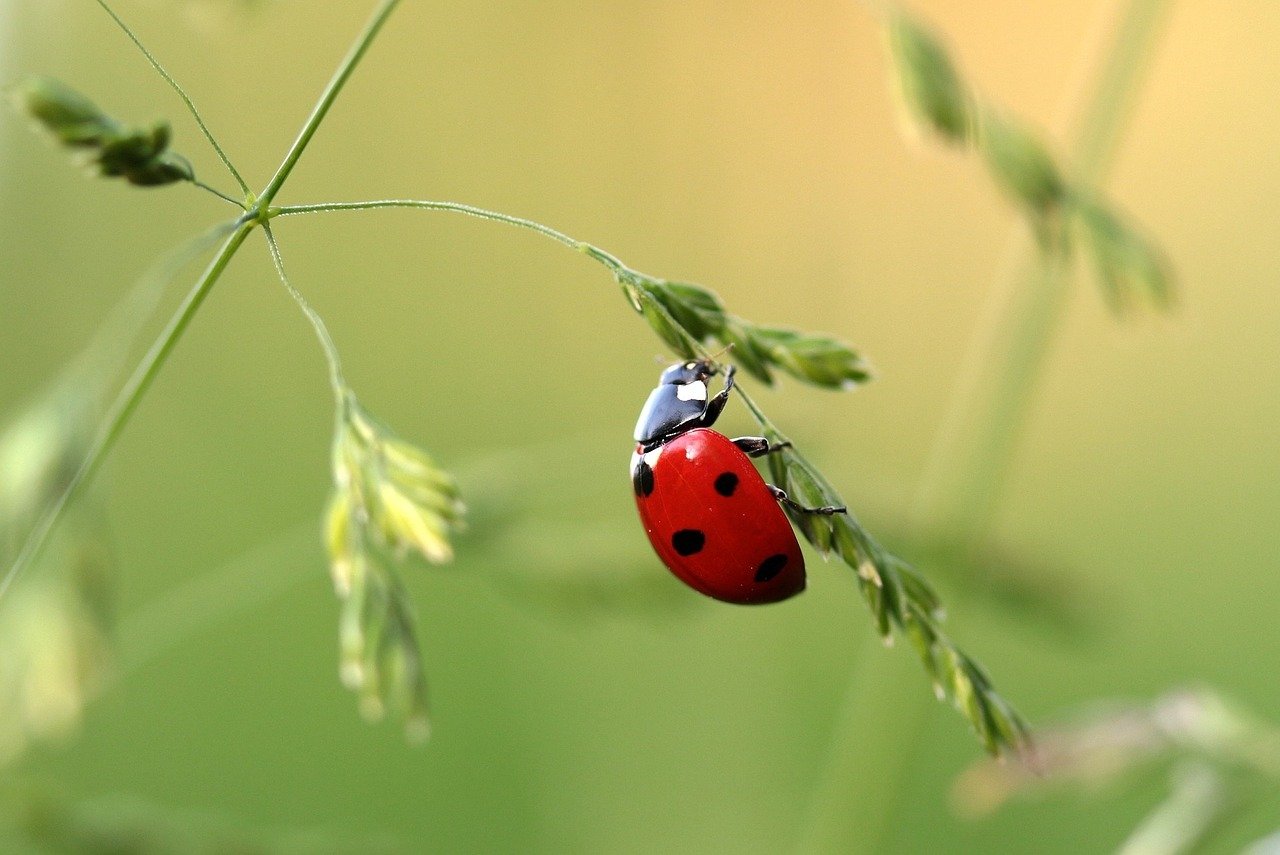
Are Ladybugs Poisonous to Cats? Keeping Your Cat Safe

Are Ladybugs Poisonous to Cats? Keeping Your Cat Safe

A cat’s fascination with ladybugs and other winged or six-legged beasts can be endearing. When frenzied chattering at a ladybug on the window becomes chasing a…

Kit Copson
By Kit Copson ·
My Cat Ate a Fly, What Should I Do? Vet Approved Advice

My Cat Ate a Fly, What Should I Do? Vet Approved Advice

Cats are natural predators that will catch and eat all sorts of small critters. If your cat just ate a fly and you’re worried, the first thing to do is stay ca…

Gregory Iacono
By Gregory Iacono ·
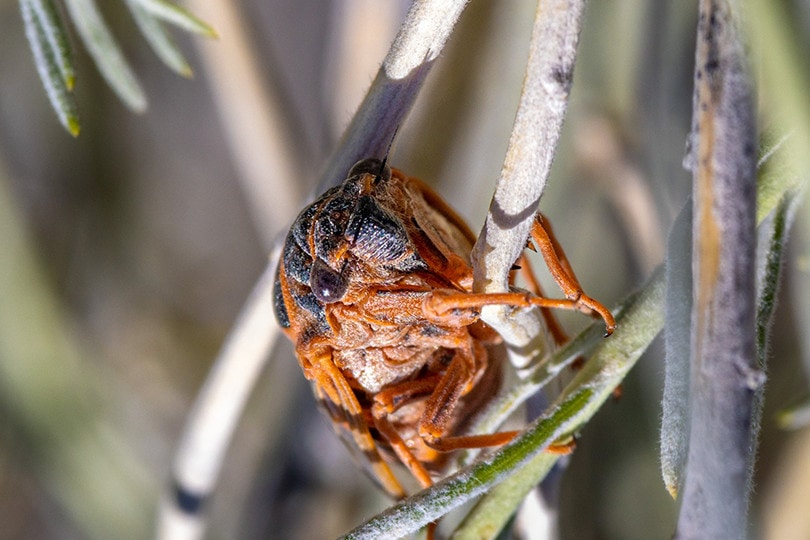
Are Cicadas Poisonous to Cats? Vet-Reviewed Safety Facts

Are Cicadas Poisonous to Cats? Vet-Reviewed Safety Facts

Cicadas are creepy little insects with large eyes and stout bodies. They’re destructive pests that can wreak havoc on young trees and vines. Female cicadas can…

Chantelle Fowler
By Chantelle Fowler ·

Keep reading

More stories you might like

Do Cats Eat Frogs? Vet-Approved Dangers & FAQ

As natural predators, cats display stalking and hunting behaviors from an early age. If your cat spends time outside, chances are they’ve turned these predator…

Nicole Cosgrove
By Nicole Cosgrove ·
Do Cats Eat Frogs? Vet-Approved Dangers & FAQ

Garlic Toxicity in Cats: Vet Reviewed Signs & Treatments

Garlic is a bulbous vegetable belonging to the Allium genus, which includes other bulbous vegetables like onions, shallots, scallions, leeks, and chives. Garli…

Rachel Giordano
By Rachel Giordano ·
Garlic Toxicity in Cats: Vet Reviewed Signs & Treatments

Can Cats Eat Grasshoppers? Nutritional Facts & Safety Guide

Insects might be creepy to us, but to our cats, they make a challenging hunt and tasty snacks. Grasshoppers, despite their hard exoskeleton, are no exception.…

Nicole Cosgrove
By Nicole Cosgrove ·
Can Cats Eat Grasshoppers? Nutritional Facts & Safety Guide

Do Cats Eat Bugs & Insects? Nutrition Facts & FAQ (Vet Answer)

Just the thought of bugs may make your skin crawl! Cats, however, love to chase, catch, and sometimes eat these creepy crawlies. In the wild, insects form a no…

Dr. Lindsay Bisset
By Dr. Lindsay Bisset ·
Do Cats Eat Bugs & Insects? Nutrition Facts & FAQ (Vet Answer)

Is Cyclamen Toxic to Cats? Vet-Reviewed Risks & FAQ

We all love to brighten our homes with fresh flowers every now and then. As a winter bloomer, cyclamen is the perfect way to keep your house cheerful even in t…

Nicole Cosgrove
By Nicole Cosgrove ·
Is Cyclamen Toxic to Cats? Vet-Reviewed Risks & FAQ

Can Cats Eat Worms? Vet Approved Risks, Concerns, & FAQ

As obligate carnivores and expert hunters, cats enjoy catching and eating live prey, whether it’s a larger prey animal like a bird or a tiny worm they found in…

Sarah Psaradelis
By Sarah Psaradelis ·
Can Cats Eat Worms? Vet Approved Risks, Concerns, & FAQ

Are Morning Glories Poisonous to Cats? Vet-Approved Risks & Facts

Morning Glories are beautiful, wide-mouthed, colorful flowers that can be seen blooming in gardens across the country. While they may be pretty to look at, the…

Nicole Cosgrove
By Nicole Cosgrove ·
Are Morning Glories Poisonous to Cats? Vet-Approved Risks & Facts

Can Cats Eat Catnip? Vet-Reviewed Facts & Advice

Most cat owners are not familiar with whether their cat can eat catnip or even if it's safe. No evidence suggests that catnip is harmful for either adult cats…

Sarah Psaradelis
By Sarah Psaradelis ·
Can Cats Eat Catnip? Vet-Reviewed Facts & Advice