Hepper blog

Search our database of over 9,984 posts with up-to-date information from our experts and veterinarians.

Hepper is reader-supported. When you buy via links on our site, we may earn an affiliate commission at no cost to you. Learn more.

Are Fiddle Leaf Figs Toxic to Cats? Vet-Approved Facts and Safety Guide

By Genevieve Dugal · Reviewed & fact-checked by Dr. Marta Vidal-AbarcaVet Approved
Dr. Marta Vidal-Abarca
Reviewed & Fact-Checked byDr. Marta Vidal-AbarcaVeterinarian
Marta has been a veterinarian for over sixteen years working across the UK and Spain and as a remote veterinary consultant. She has wide experience in small animal internal medicine and surgery with a soft spot for cats.View authorThe information is current and up-to-date in accordance with the latest veterinarian research. Read about our vets
Share
Ask us a question in the comments
Fiddle Leaf Figs

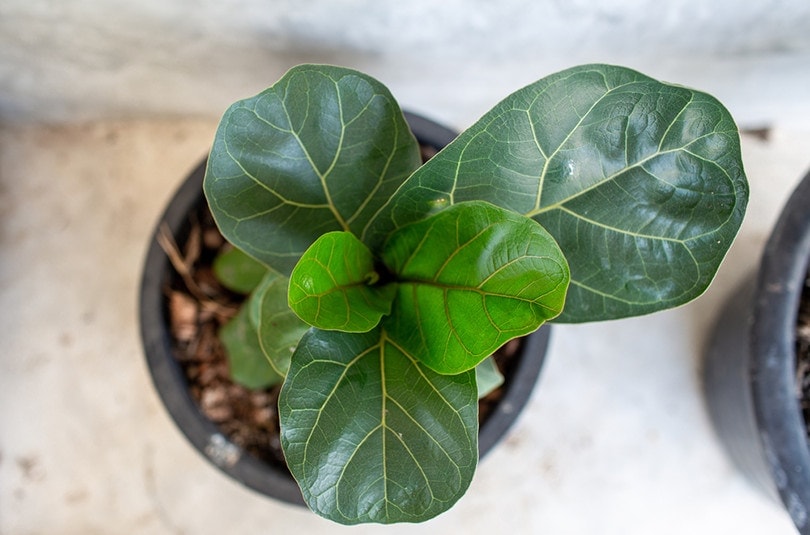
The Fiddle Leaf Fig, or Ficus lyrata, is a species of plants in the Moraceae family. It’s a very popular house plant with beautiful and unique foliage. As iconic as this house plant is, cat owners should beware of the Fiddle Leaf Fig. While rarely fatal for cats to ingest, Fiddle Leaf Fig is toxic to cats and can cause severe irritation when chewed or ingested. 

To help you keep your cats safe, we’ve researched everything you need to know about the Fiddle Leaf Fig. We also compiled a list of other toxic plants and safe plants for cats.

Cats and Fiddle Leaf Figs

All parts of the Fiddle Leaf Fig are mildly toxic to cats, but cats mostly get poisoned by the white, milky sap that exudes from the plant’s stems and leaves. When these plant parts break, they exude a milky sap containing sharp calcium oxalate crystals that can cause skin irritation and gastrointestinal upset.

These are some common symptoms that your cat may experience:

  • Pain and oral irritation
  • Skin rash
  • Drooling
  • Vomiting
  • Diarrhea

Because the sap is irritating, you’ll most likely notice your cat rubbing their face or licking their paws if they come in contact with it.
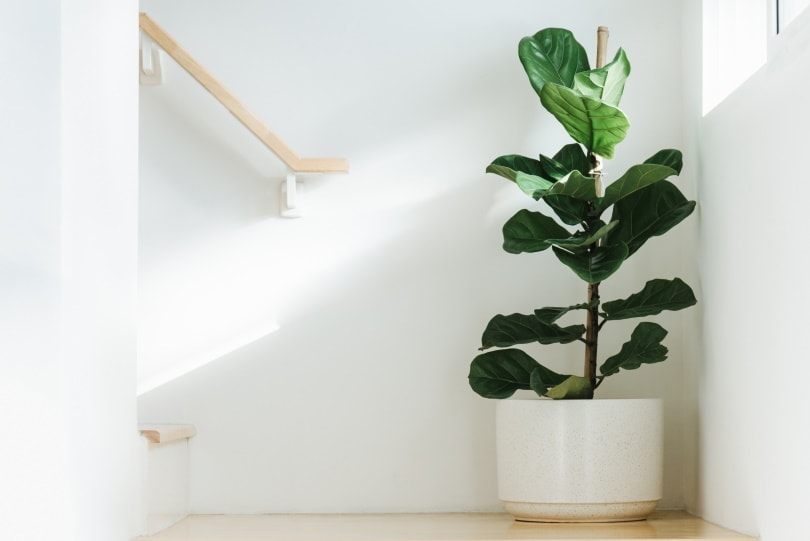
Fiddle leaf fig
Image Credit By: Anan_R, Shutterstock

What to Do if Your Cat Eats a Fiddle Leaf Fig

Since the sap can irritate the skin, make sure to wash any part of the body that touches it. You can use pet shampoo to rinse off the sap. If your cat has eaten a part of the plant, you can rinse their mouth with water. Usually, we recommend not giving cats milk as they are generally lactose intolerant, but in this case, a small amount of milk can help you flush your cat’s mouth out.

Not all cases of ingesting Fiddle Leaf Figs warrant a visit to your veterinarian’s office. However, make sure to always contact your veterinarian for any specific instructions or treatments.

Oftentimes, you’ll just have to monitor your cat’s symptoms for the next couple of days, but this will depend on the amount ingested and your cat’s current health status. Sometimes, your veterinarian may want to give your cat medication to minimize the negative effects of the toxins in your cat’s body. Another important thing to keep in mind is that another plant shares a similar name to the Fiddle Leaf Fig. Philodendron bipennifolium is sometimes referred to as the Fiddle Leaf Philodendron.

The Fiddle Leaf Philodendron is also toxic to cats. It contains insoluble calcium oxalate crystals too that can severely damage your cat’s digestive tract as they travel through the body.

Tropical plants tend to be popular house plants because many species tend to be hardy and come with easy care instructions. However, many of them contain toxic substances. Therefore, it’s crucial to do your research to ensure that you don’t bring home a plant that’s dangerous for your cats.

When shopping for house plants, you can immediately avoid the following.

  • Dumb Cane (Dieffenbachia) – The Dumb Cane is popular due to its beautiful leaves. However, it contains insoluble calcium oxalate crystals. It also has proteolytic enzymes. These enzymes don’t typically cause any symptoms, but if a cat ingests a large amount, they may experience an upset stomach, vomiting, or diarrhea. The crystals cause intense irritation and pain when in contact with the mouth.
  • Lilies (Lilium and Hemerocallis species) – Absolutely avoid bringing home a true lily at all costs, and even handling one if you have cats. The exact toxic property of this plant has yet to be identified, but all parts of the plant, including the pollen, are extremely toxic to cats. Cats having contact with any part of a lily will lead to acute kidney damage and death. As little as one leaf of a Daylily can be a lethal dose.
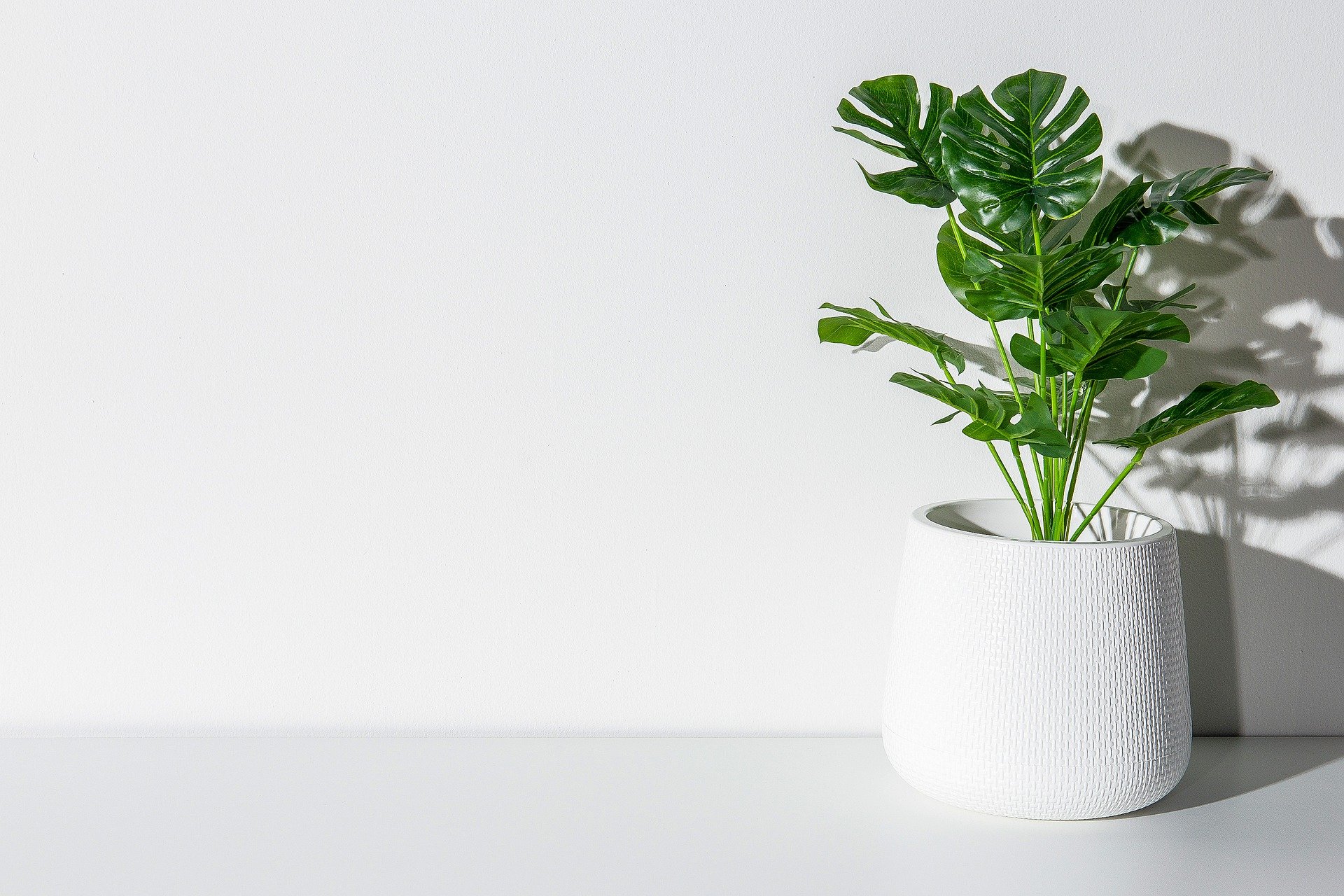
  • Monstera Deliciosa – This plant, sometimes called Ceriman, is also a species of Philodendron. So, just like the Fiddle Leaf Philodendron, this plant contains insoluble calcium oxalate crystals. Fortunately, Monstera Deliciosas have a very bitter taste, so it’s highly unlikely that your cat will continue to chew at its leaves after the first bite.
  • Pothos (Epipremnum aureum) – Pothos is a popular vining plant because it’s very easy to grow. However, it contains insoluble calcium oxalate crystals. On top of that, cats may enjoy swatting at the vines, which makes them more susceptible to breaking the leaves and stems and coming in contact with the calcium oxalate crystals. These cause intense irritation on contact, drooling, vomiting, and difficulty swallowing.
  • Sago Palm (Cycas and Zamia species) – The Sago Palm isn’t a true palm tree. It’s a cycad, and like many cycads contains a toxin called cycasin, cyanogenic glucosides, and several other toxins. All parts of the Sago Palm are highly toxic, with the seeds containing the highest concentration of the toxins. Ingesting cycasin can cause liver failure leading to death.

So make sure to contact your veterinarian right away if you suspect that your cat has ingested any part of the plant.

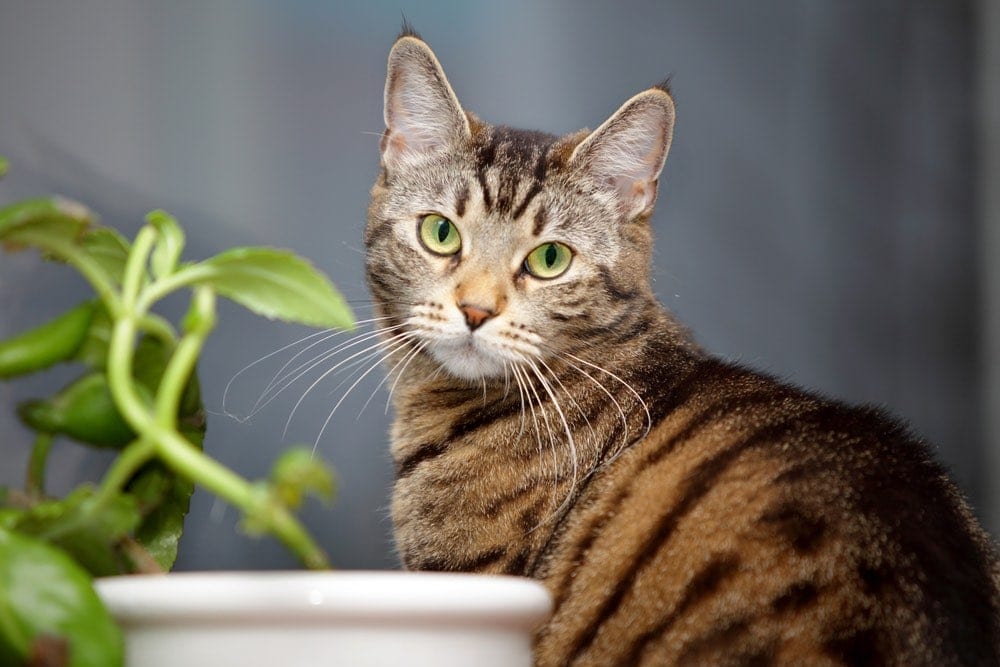
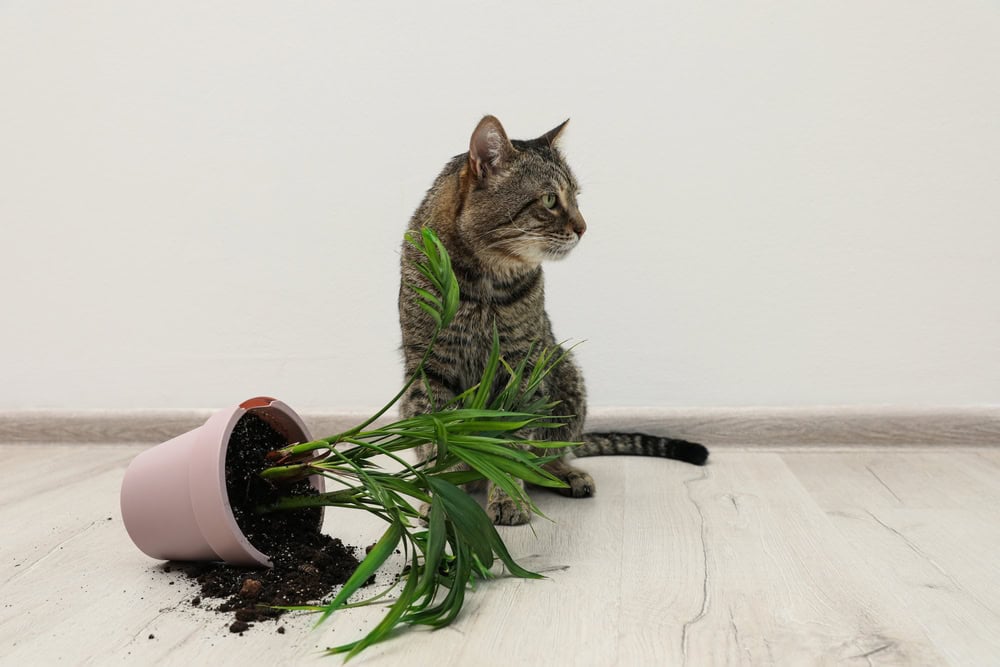
tabby cat with house plant
Image Credit By: Voyagerix, Shutterstock

House plants add a natural and refreshing touch to any interior, so it’s always nice to have a few placed around a living space. Fortunately, there are many beautiful common house plants that don’t contain any toxic properties.

If you’re interested in staging your space with live plants, you have a wide selection of plants that are safe for cats:

  • African Violet (Saintpaulia species)
  • Banana Tree (Musa acuminate)
  • Boston Fern (Nephrolepis exalta bostoniensis)
  • Blushing Bromeliad (Neoregalia species)
  • Calathea species
  • Cast Iron Plant (Aspidistra elatior)
  • Friendship Plant (Pilea involucrata)
  • Haworthia species
  • Phalaenopsis Orchid (Phalaenopsis species)
  • Parlor Palm (Chamaedorea elegans)
  • Peperomia species
  • Polka Dot Plant (Hypoestes phyllostachya)
  • Pony Tail Plant (Beaucarnea recurvata)
  • Prayer Plant (Calathea insignia)
  • Spider Plant (Chlorophytum comosum)

Conclusion

Although Ficus lyrata is rarely fatally toxic to cats, you must avoid having it in the home because it causes extreme irritation for cats. There are many other plants with beautiful leaves that are also safe for cats.

So, with a little research, you can have a beautifully decorated home with a wide variety of plants while keeping your curious cats happy and safe.


Featured Image Credit By: Jantanee Boonkhaw, Shutterstock

Get Hepper In Your Inbox

Pet care tips from our vets and experts, straight to your inbox.

List

Select all that apply.

You may opt-out at any time. View our Privacy Policy for more information.

Genevieve Dugal
Authored by

Genevieve Dugal

Join the conversation

Ask a question, share your story, or send private feedback.
Rate this post
Required to post. Only our editors see your rating.
Who should see this?

A human reviews every comment before it appears. Your email is never published.

Picked to go with this article

Can Cats Eat Figs? Vet-Approved Health & Safety Guide

Can Cats Eat Figs? Vet-Approved Health & Safety Guide

A fig1 is an edible fruit native to the Mediterranean and western Asia1. People keep figs as ornamental plants and eat the fruit as a snack, meaning they find…

Nicole Cosgrove
By Nicole Cosgrove ·
Are Rubber Plants Toxic to Cats? Keeping Your Cat Safe

Are Rubber Plants Toxic to Cats? Keeping Your Cat Safe

For those who enjoy keeping live plants and pets in the same home, it’s important to know which plants pose a threat to cats and dogs to ensure their safety. R…

Lindsey Lawson
By Lindsey Lawson ·
Is Monstera Toxic to Cats? Vet-Approved Facts & Safety Guide

Is Monstera Toxic to Cats? Vet-Approved Facts & Safety Guide

Monstera is a genus of houseplants that are popular all around the world. The most common plant is Monstera deliciosa, this plant features broad, green leaves…

Rachael Gerkensmeyer
By Rachael Gerkensmeyer ·
Are Calla Lilies Poisonous to Cats? (Vet Answer)

Are Calla Lilies Poisonous to Cats? (Vet Answer)

Calla lily plants produce beautiful flowers that are highly recognizable for their popular, trumpet-like shape. While the white calla lily is one of the most w…

Dr. Lindsay Bisset
By Dr. Lindsay Bisset ·

Keep reading

More stories you might like

How to Keep Cats Away From Plants: 8 Vet-Approved Tips

Cats and green thumbs do not always mix, and plant-loving cat owners are all too familiar with this challenge. Whether it be the mangled plants, the mess from…

Misty Layne
By Misty Layne ·
How to Keep Cats Away From Plants: 8 Vet-Approved Tips

12 Plants That Are Poisonous or Toxic to Cats (With Pictures)

Cats are curious by nature and love to check out new things. They're also notorious for getting into things that we don't want them to touch! We want to keep o…

Nicole Cosgrove
By Nicole Cosgrove ·
12 Plants That Are Poisonous or Toxic to Cats (With Pictures)

Can Cats Eat Peace Lilies? Vet-Approved Facts & Plant Safety

The peace lily, also called the Mauna loa plant (Spathiphyllum), is a common indoor houseplant that only requires moderate sunlight to grow properly. If you’re…

Nicole Cosgrove
By Nicole Cosgrove ·
Can Cats Eat Peace Lilies? Vet-Approved Facts & Plant Safety

Are Snake Plants Toxic to Cats? Vet-Approved Safety Guide

The snake plant is a common but popular plant that many people like to keep as a houseplant. They’re easy to look after and quite pretty, but like many plants,…

Kathryn Copeland
By Kathryn Copeland ·
Are Snake Plants Toxic to Cats? Vet-Approved Safety Guide

Are Yucca Plants Poisonous To Cats? What You Need to Know

Cats and plants are common in households, but they don’t always mix well. Cats are curious animals that sometimes like to chew, lick, and eat things. While it…

Oliver Jones
By Oliver Jones ·
Are Yucca Plants Poisonous To Cats? What You Need to Know

Is Ivy Toxic to Cats? Keeping Your Cat Safe

As a cat owner, it’s your responsibility to keep your pet safe. This includes being wary of anything that can cause harm to your cat, including some houseplant…

Nicole Cosgrove
By Nicole Cosgrove ·
Is Ivy Toxic to Cats? Keeping Your Cat Safe

Are Majesty Palms Toxic to Cats? 3 Vet-Approved Tips for Keeping Cats Out of Plants

Being both a cat lover and an indoor plant enthusiast is a delicate balance that we are no strangers to. Our furry friends must investigate each new green addi…

Nicole Cosgrove
By Nicole Cosgrove ·
Are Majesty Palms Toxic to Cats? 3 Vet-Approved Tips for Keeping Cats Out of Plants

Is Anthurium Toxic to Cats? Vet-Approved Risks & Facts

Anthuriums are intriguing plants and very common across North America. However, if you have cats in your home, it’s best to not have anthuriums in your home. T…

Jessica Kim
By Jessica Kim ·
Is Anthurium Toxic to Cats? Vet-Approved Risks & Facts