Hepper is reader-supported. When you buy via links on our site, we may earn an affiliate commission at no cost to you. Learn more.
Are Elephant Ears Poisonous to Cats? Vet-Reviewed Info


In this article
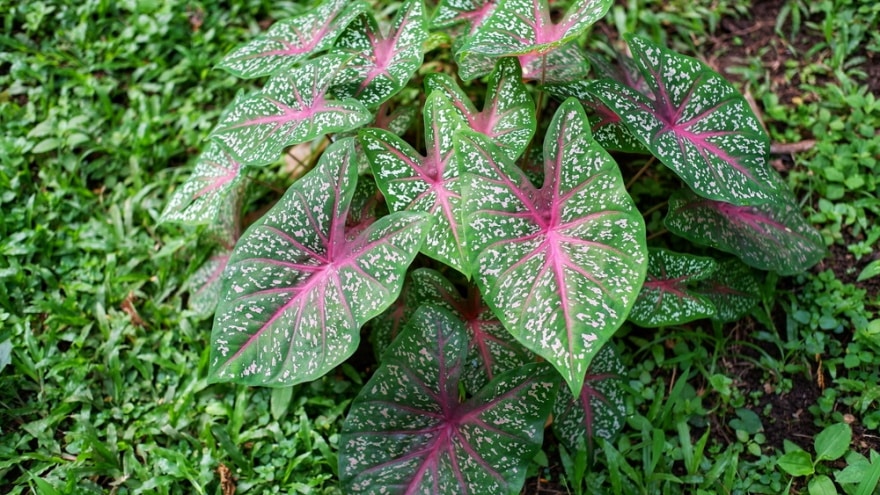
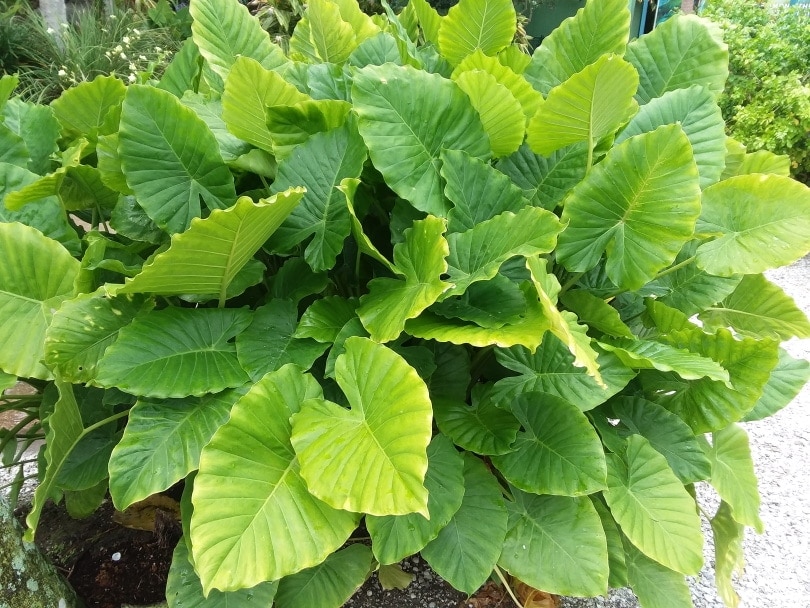
When we take our pets outside, it is easy to forget the dangers lurking in plain sight. One such threat is the Elephant Ear plant, or Xanthosoma, also known as the taro.1 It has large leaves that look like elephant ears. People often grow it in their gardens for the dramatic appearance of its huge red, green, or blue leaves. Unfortunately, Elephant Ear is poisonous to mammals, including cats.2
In this article, we cover everything that you need to know about Elephant Ear poisoning, including the causes, signs, treatment, and recovery. Afterward, you will be well prepared to not only keep your kitty safe but also know what to do if they get sick.

What Is Elephant Ear Poisoning?
Elephant’s Ear is the name for several different genera of plants, with Alocasia, Caladium, Colocasia, and Xanthosoma being among them. They all contain insoluble sharp raphide crystals called calcium oxalate that pierce the mouth and throat tissues when eaten. The airways can swell and there may be additional allergic reactions. Brushing up against an Elephant Ear plant can also irritate the skin and cause blisters.
Poisoning by Xanthosoma isn’t very common, as the plant is bitter, but it is highly irritant, so it’s important to know how to prevent and treat it.

What Are the Signs of Elephant Ear Poisoning?
If your cat eats Elephant Ear, the signs will begin to appear right away. Check out the list below for key clinical signs.
What Are the Causes of Elephant Ear Poisoning?
Due to its impressive size and appearance, the Elephant Ear plant has become very popular with landscapers across the country. This poses a serious risk for outdoor cats and is something to be aware of if you let your cat outdoors for any reason.
Fortunately, cats don’t usually eat a lot of the plant due to the immediate irritation and burning in their mouths once they chew it. The sharp raphides are concentrated in the stems and leaves.
How to Diagnose Elephant Ear Poisoning
In the case that your cat does eat a large amount of elephant ear, treat it like a medical emergency, and immediately take them to the vet. Be sure to have your pet’s medical history available so the vet can diagnose them properly and not assume it’s a pre-existing condition. If possible, bring a piece of the plant that your cat ate with you to help the doctor make an accurate diagnosis.
Your cat will receive a thorough examination and will get immediate treatment to stabilize their vitals if necessary. Blood tests will be run, as well as a urinalysis to check the condition of the kidneys. The heart and lungs will also be checked.

How to Treat Elephant Ear Poisoning
Although there is no antidote for Elephant Ear poisoning, the most successful treatment focuses on the signs and keeping your cat comfortable.
Recovery From Elephant Ear Poisoning
The most serious signs of Elephant Ear poisoning usually manifest and pass within the first 24 hours. However, sickness can last for up to 2 weeks. The severity of your cat’s condition will depend on how much of the plant they ate, how the cat was affected, and any resulting kidney damage.
To prevent poisoning, many cat owners choose to not have Elephant Ear plants at all or to put them out of reach of their pets. Other people just keep their cats indoors to avoid the risk altogether.

Conclusion
The Elephant Ear is a highly toxic plant that can cause your cat harm and distress. If you think your cat may have been poisoned, take them to the vet for an immediate exam and diagnosis after flushing any exposed areas. Your vet will diagnose and treat them as needed, and the worst should pass within the first day.
Fortunately, cat deaths from Elephant Ear poisoning are rare and can be avoided with preventative measures. You can keep your pet inside and make sure there are no such plants on your property. If you take your cat for walks, the Elephant Ear is recognizable, so you can easily give it a wide berth.
Related Read: Is Jasmine Toxic to Cats?
Featured Image Credit: Caseybrian12, Shutterstock
Get Hepper In Your Inbox


Pet care tips from our vets and experts, straight to your inbox.
You may opt-out at any time. View our Privacy Policy for more information.
Nicole is a lover of animals of all sizes but is especially fascinated with the feline variety. She’s the proud mom of Baby, a Burmese, and works every day so he can relax in the sunshine or by the fire. She’s always had a cat in her home and has spent countless days with others, observing behaviors and softening up even the grouchiest of the lot. Nicole wants to share her kitty expertise with you so you and your cat can live happy, healthy, and care-free.
Join the conversation
Ask a question, share your story, or send private feedback.