Hepper is reader-supported. When you buy via links on our site, we may earn an affiliate commission at no cost to you. Learn more.
Are Pineapple Leaves Toxic to Cats? Vet-Approved Facts & Safety Guide


In this article
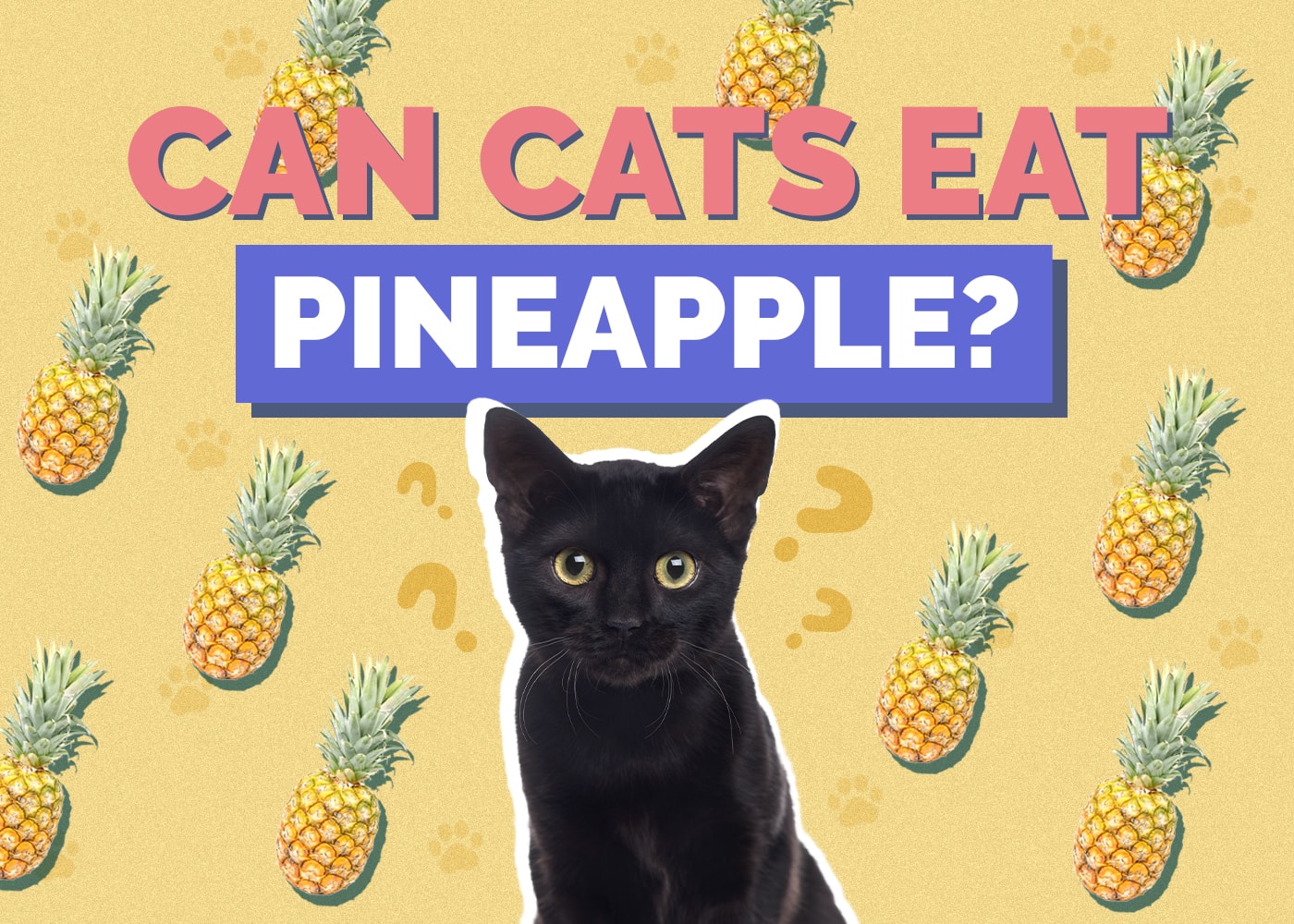
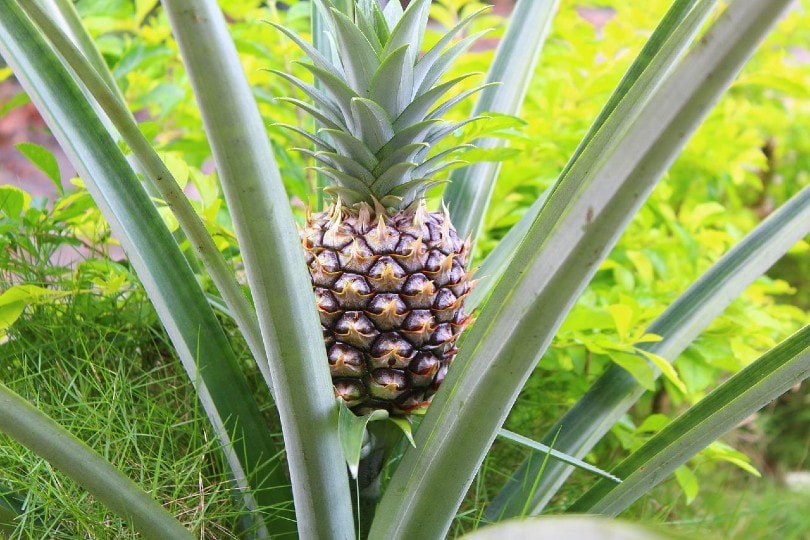
Cats and pineapple are two things that don’t usually go together, so it is unlikely that your kitty will eat the flesh of the popular summer fruit. Cats don’t have sweet receptors on their tongue and can’t taste sweet things, and this is a reason why cats might not be as attracted to fruit as humans are.¹ That said, the allure of those spiky green leaves may be too much for some cats.
Will the top of this tropical fruit poison your curious kitty in any way? The good news is no, the leaves aren’t toxic, and it is unlikely your cat will experience any harm from letting their curiosity get the best of them. That said, there is a small chance that your pet could have an allergy to any of the components in the pineapple and its top.
Keep reading to learn everything you need to know about cats and their relationship with pineapple leaves.

Can My Cat Eat Pineapple Leaves?
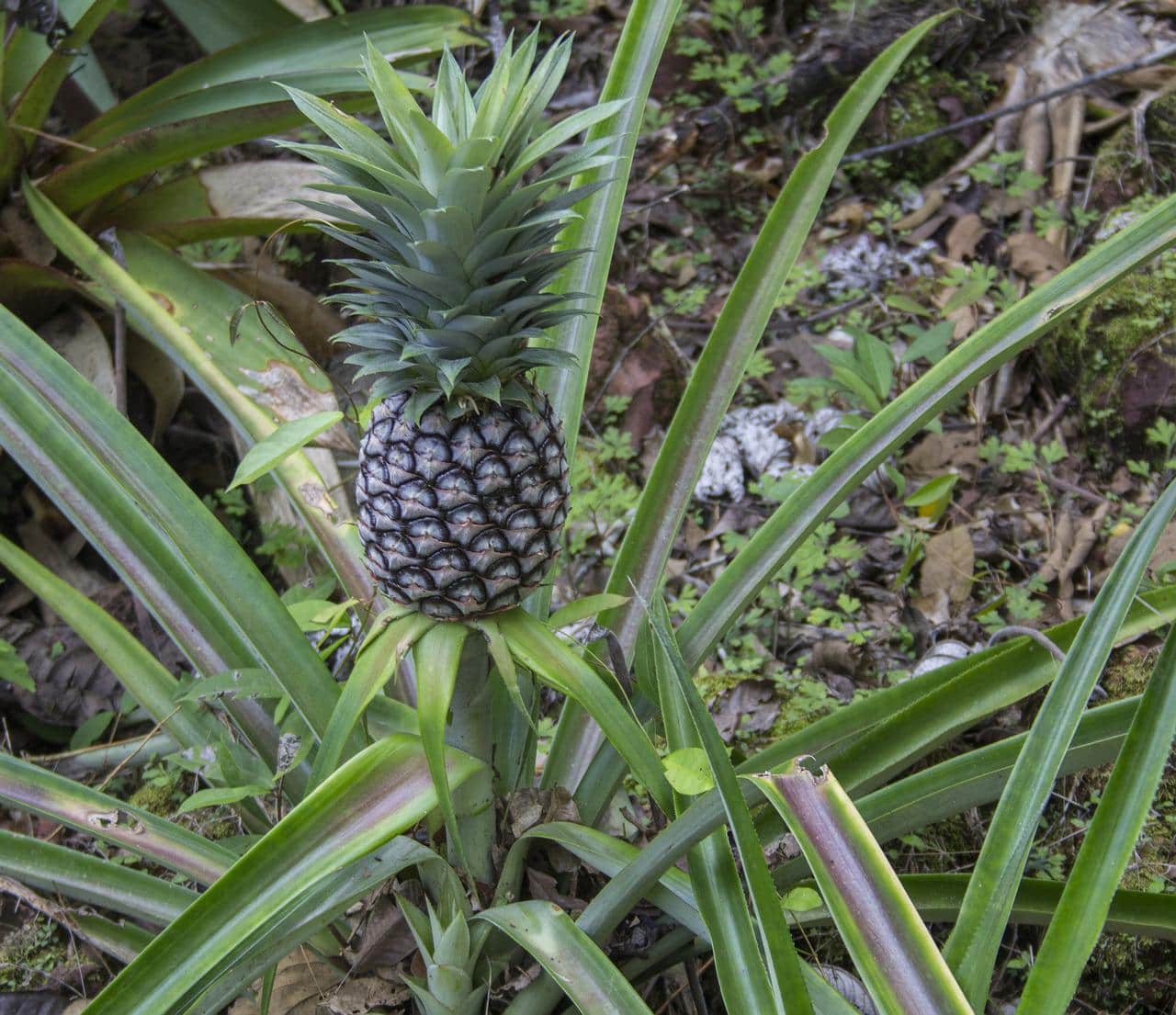
Pineapple leaves are very fibrous and are a huge waste in the world of pineapple farming. The leaves are often pulped and repurposed as feed for livestock as they have no dietary value to humans.
While the leaves are unlikely to cause any serious damage to your kitty, they also won’t provide any nutritional value. Pineapple leaves are very thick and rubbery, so most cats won’t be interested in the taste or texture.
It’s interesting to note that the leaves and the husk of the pineapple contain bromelain, an enzyme that can sometimes be harnessed as a supplement for felines.
What Do I Do if My Cat Ate a Pineapple Leaf?
If you have evidence that your cat’s been gnawing at your pineapple leaf, keep an eye on them. Since neither the pineapple nor the leaves are toxic to cats, you don’t need to rush to the vet. If you notice your cat is experiencing extreme gastrointestinal upset and is vomiting or has diarrhea, you may wish to call your vet to see what they suggest.
If you notice any signs of an allergic reaction, such as skin or digestive problems, take your cat to the vet right away.
Why Is My Cat Interested in Pineapple Leaves, Anyway?
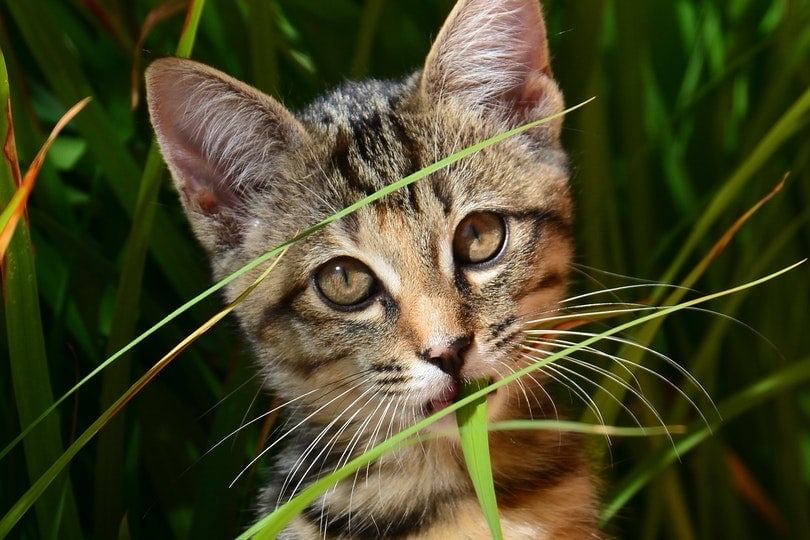
Leave it to a housecat to find anything green in their home and start munching on it. Cats may be obligate carnivores, but most can’t resist chomping on the greenery they may come across, whether it be your beloved houseplants or pineapple leaves on your countertop. That’s why it is so important for you to know which houseplants you can grow and which ones you should never bring home.
Cats may chew on the greenery in your home, such as houseplants or pineapple leaves for several reasons. There are several theories around this not-well-understood behavior. Some people believe cats will turn to plants or grass to deal with gastrointestinal diseases. Eating grass might provide relief from the discomfort your kitty may be feeling, as it can induce vomiting. They might also just be bored and find gnawing at something new in their space to be a stimulating task.
A 2021 study introduced a new perspective on this topic, according to which the cat’s plant-eating behavior is inherited from their wild ancestors with the aim of purging their body from intestinal worms.
What Greenery Can I Offer My Cat?
If you’ve determined that your kitty is interested in pineapple leaves because they’re searching for foliage to gnaw on, you have some safer, healthier, and more nutrient-rich options to offer them. You can try growing edible cat-friendly plants in your home, but do still keep an eye on your cat when they’re around them. Moderation is key when allowing your kitty to eat any foliage, as too much can cause more harm than good.
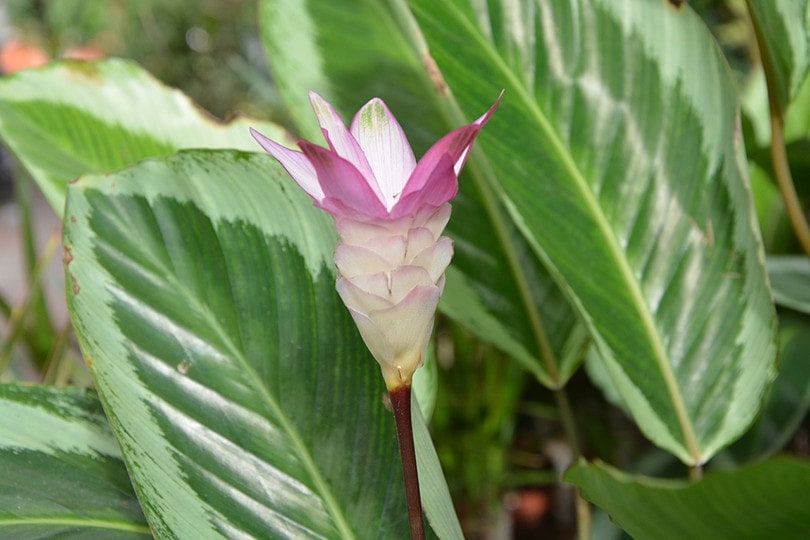
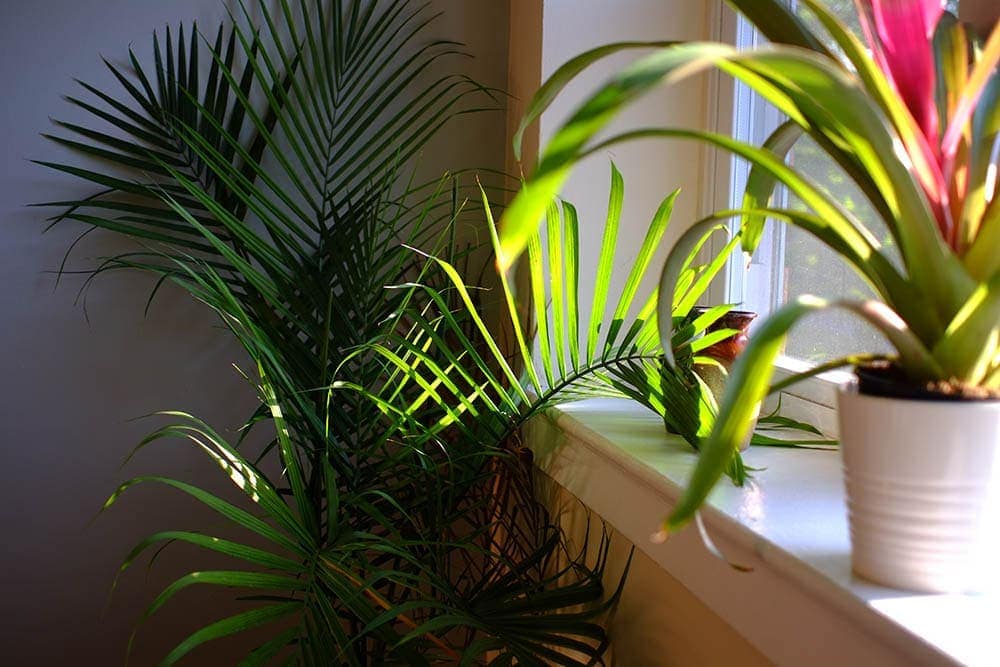
Here are some great cat-safe options you can grow in your home:

Conclusion
It’s unlikely that a few nibbles at a pineapple leaf will cause any lasting harm to your cat. Unless, of course, they have an allergy to the foliage. That said, it’s best to not encourage this behavior, as it could lead to problems down the road when your cat assumes anything green in your home is safe to eat.
Sources
Featured Image Credit: stardesignmedia, Pixabay
Get Hepper In Your Inbox


Pet care tips from our vets and experts, straight to your inbox.
You may opt-out at any time. View our Privacy Policy for more information.
Chantelle's life revolves around two passions: writing and animals. Raised on the prairies of Canada amidst a menagerie of pets, she now lives with five cats, two guinea pigs, and a bearded dragon. Together with her husband and child, Chantelle delights in being an exemplary animal parent, going as far as installing wall-mounted cat shelves to give their cats an indoor playground. When she's not cozying up with her cats or snapping their amusing antics, she enjoys venturing into the Rocky Mountains, binge-watching her favorite Netflix shows, and indulging in spontaneous reading adventures.
Join the conversation
Ask a question, share your story, or send private feedback.