Hepper is reader-supported. When you buy via links on our site, we may earn an affiliate commission at no cost to you. Learn more.
Can Cats Eat Pine Needles? Vet-Approved Safety Facts & FAQ


In this article
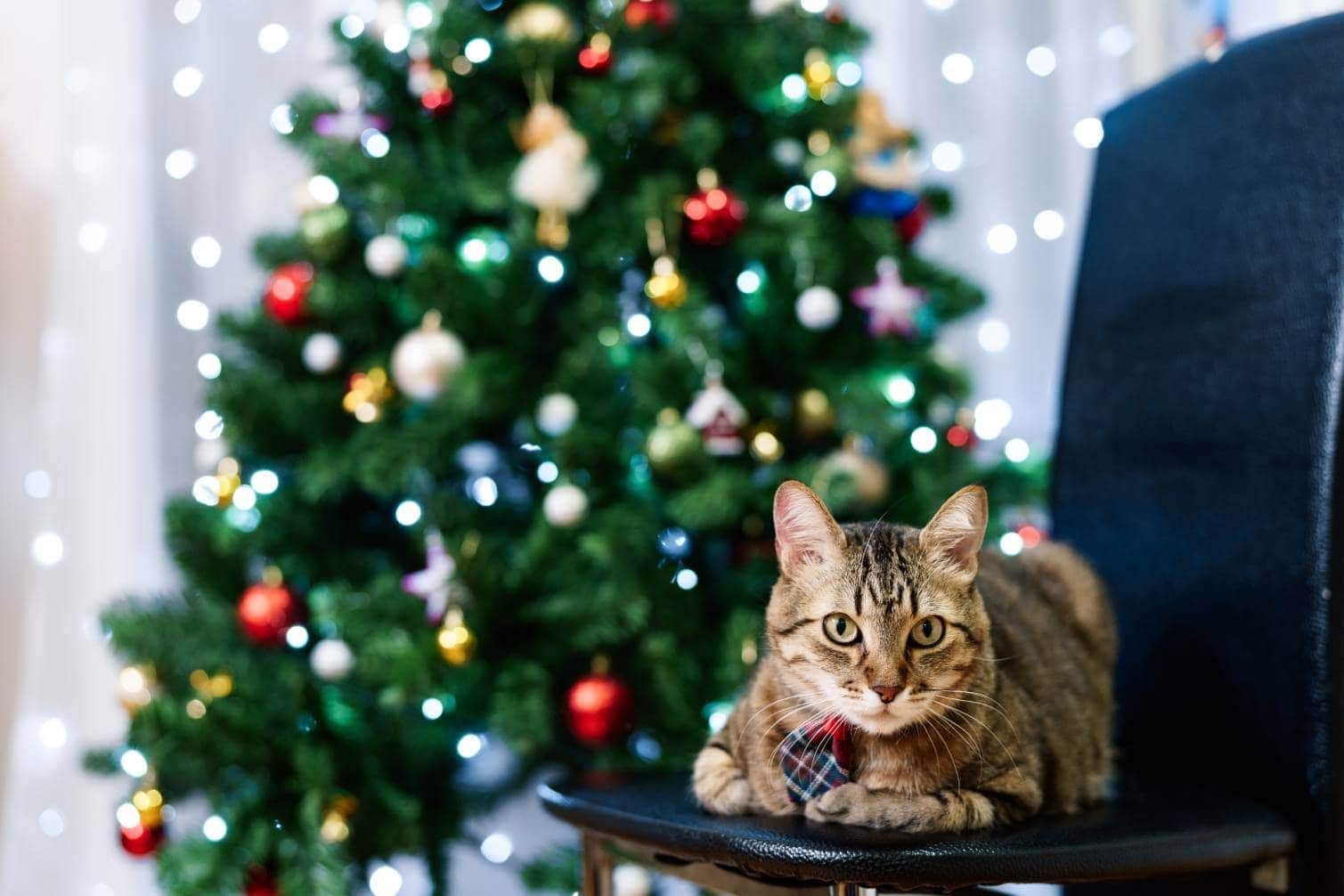
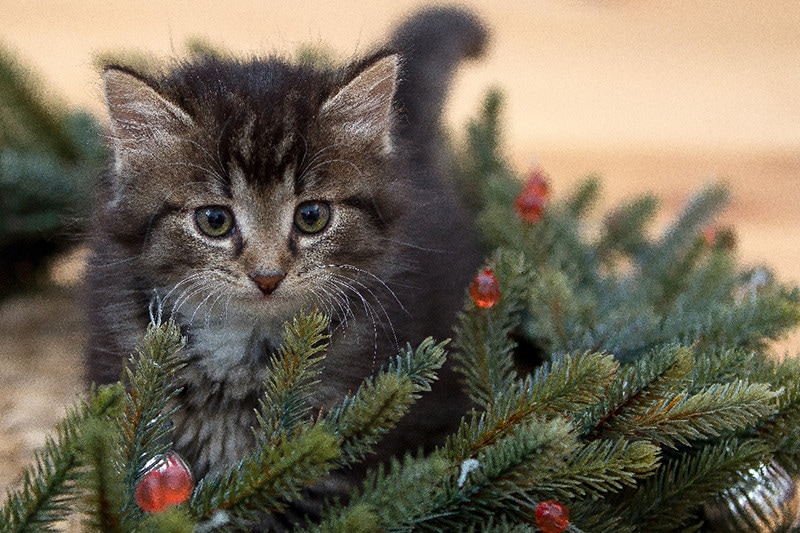
The holiday season is a magical and wonderful time of year that most families love to decorate and prepare for. For many cat owners, however, it can leave them a bit more stressed. It’s no secret that cats and Christmas trees do not mesh well. Our feline friends are notorious for their Christmas tree antics.
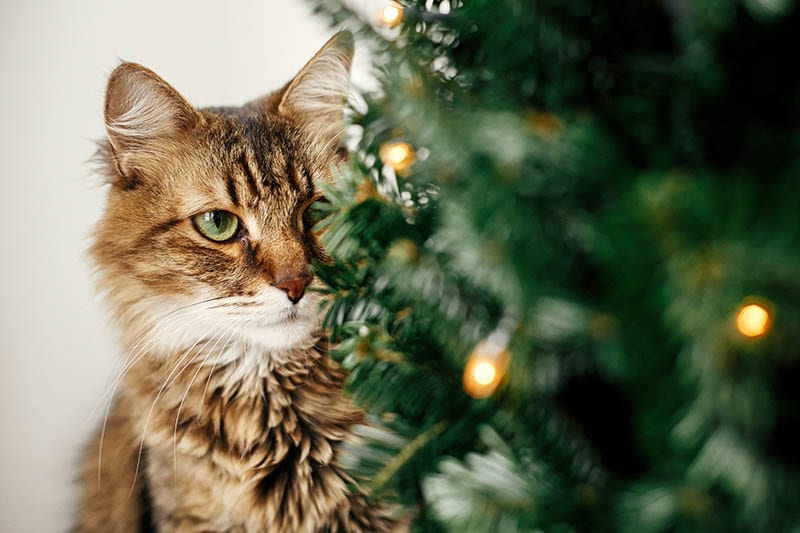
A question among cat owners, specifically those that decorate with real pine trees, is whether cats can eat pine needles? This is also important to know for those who have cats in areas that have pine forests or yards with pines as well.
The answer is a simple, no, but let’s investigate the reasoning.

The Dangers of Pine Needles
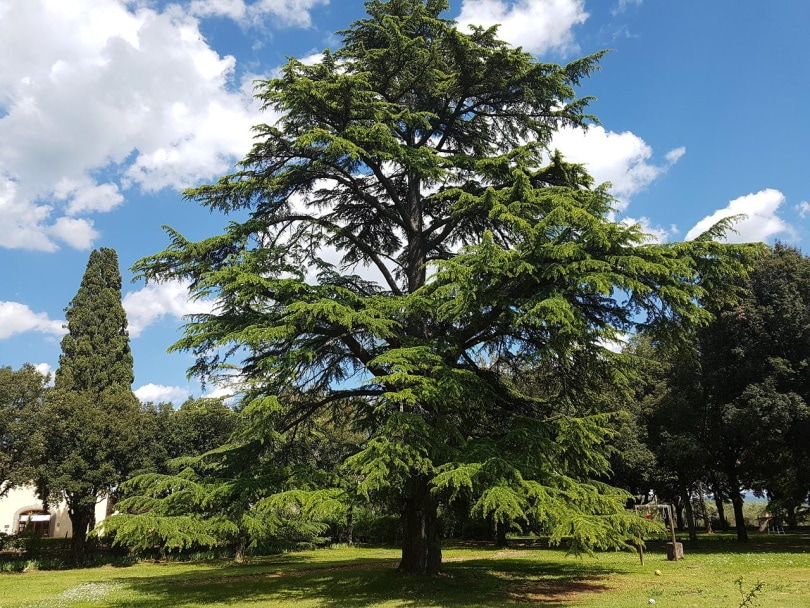
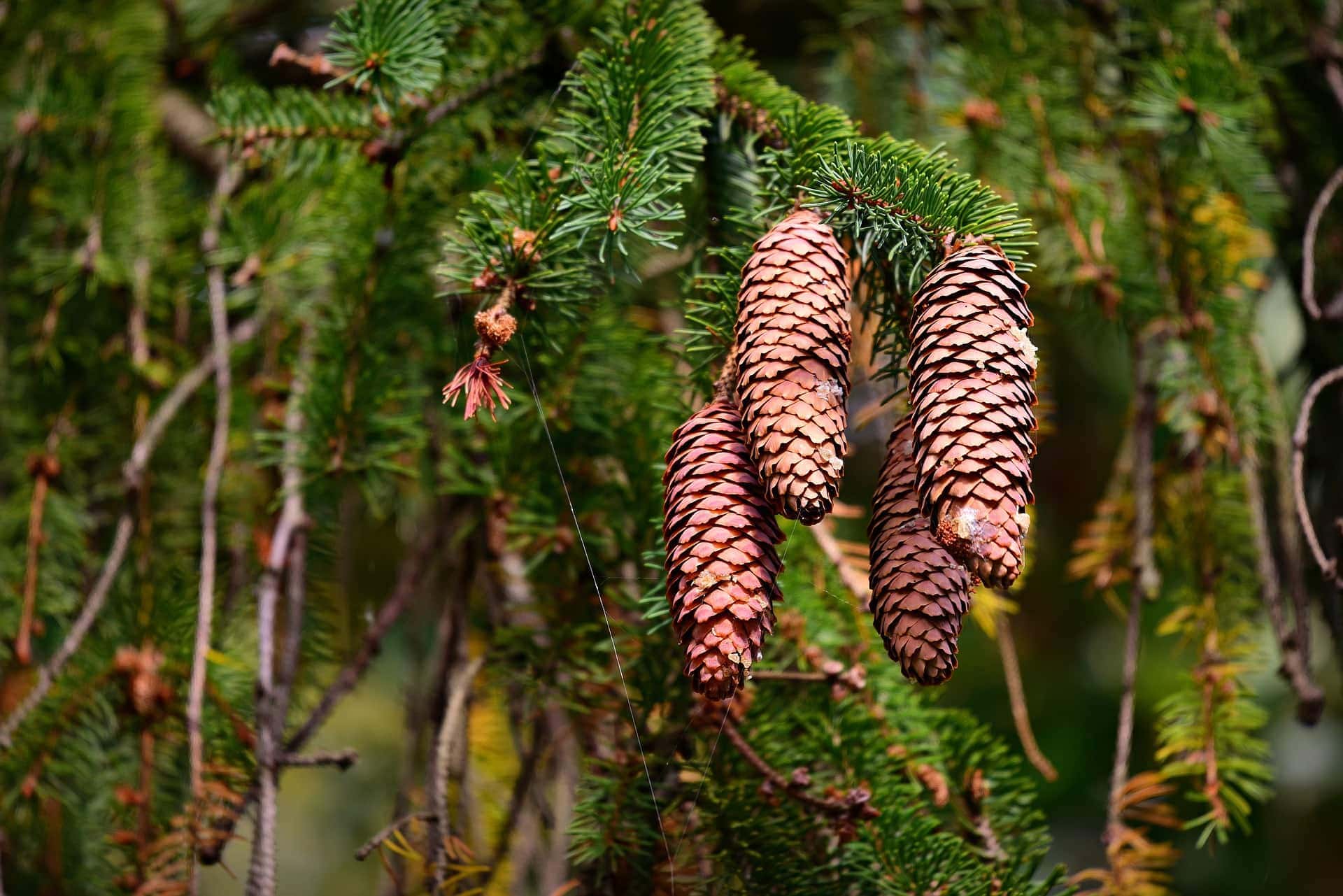
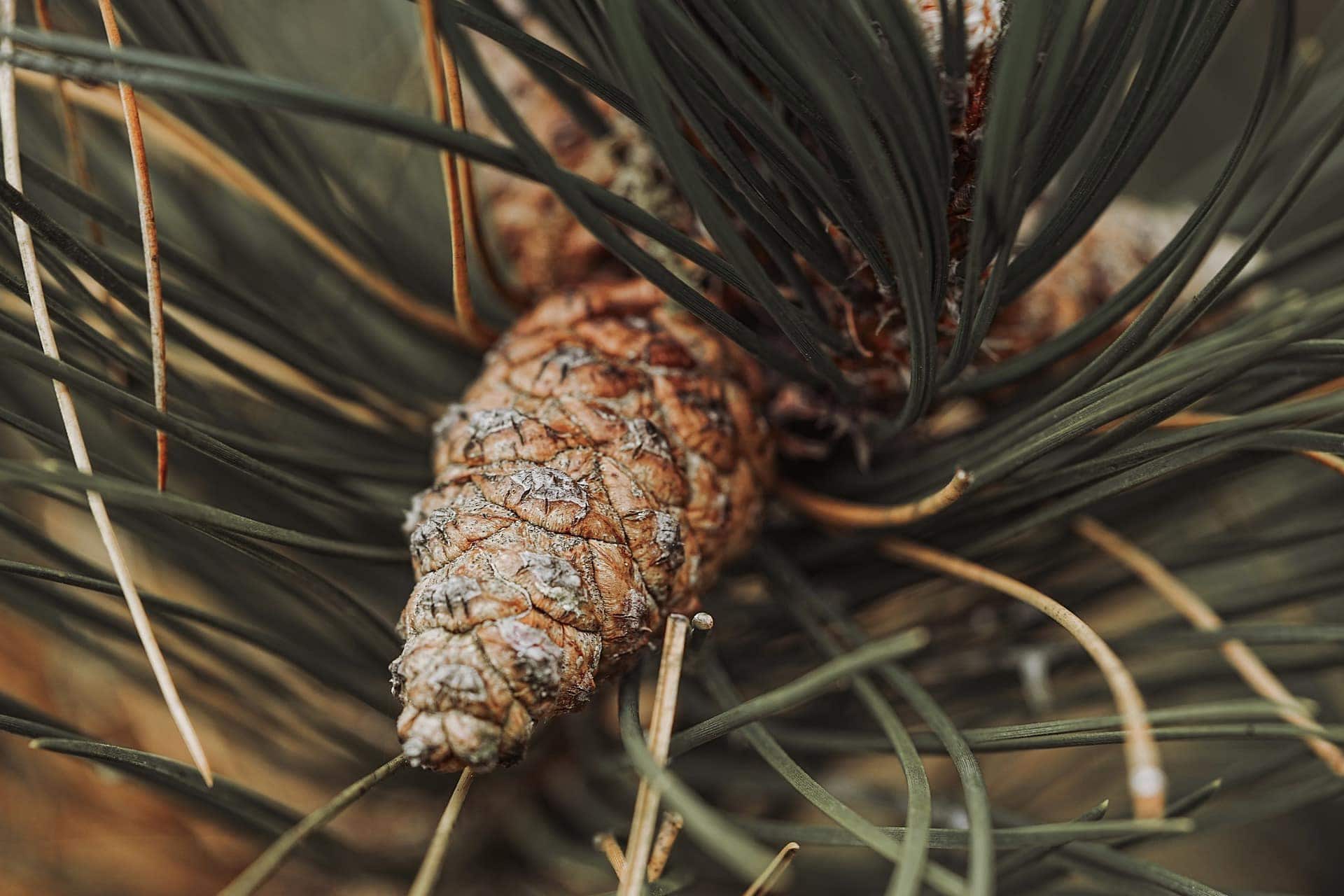
The pine needle is the leaf of a pine tree. This needle-shaped leaf is found in all species of the Pinaceae family, and its arrangement is very recognizable. It’s no wonder why many real Christmas trees are made from pine; even the artificial trees are made to mimic their design. Not only are they beautiful, but they are also easy to decorate.
Pine needles may pose a certain risk to our companion animals. If you have a pine tree in your home or yard, or you are thinking of purchasing a real Christmas tree made of pine, you must understand the risks and alternatives available.
Pine Oil Is Toxic
The essential oils and other compounds in pine trees and needles can be toxic and harmful to your cat, largely depending on the amount and concentration. Pine needles contain various phytochemicals, such as phenolic acids, flavonoids, proanthocyanidins, lignans, phytosterols, resin, and essential oils.1 Luckily, most cats are not that interested in eating pine needles, and they would need to ingest a significant amount for these compounds to cause signs of toxicity.
However, it’s important to be aware of the potential dangers and to be vigilant about sweeping or vacuuming pine needles daily and to not to leave your cat unsupervised around them. Alongside pine needles, the sap and tree water may cause digestive issues, drooling, vomiting, and oral irritation, while skin and paw irritation may occur if the cat gets the sticky sap on their fur and paws. Cats will usually try to lick it off during grooming, causing mouth irritation.2
Why Is Pine Oil Toxic to Cats?
Pine tree and other essential oil compounds are absorbed rapidly through ingestion or contact with the skin and are then metabolized by the liver. Cats lack an enzyme called glucuronyl transferase, which is needed to break down many of these phenolic and other compounds. Because of this, exposure to anything containing essential oils in large enough or concentrated amounts can cause damage to the liver.
It’s important to understand that the risk related to pine oil from the needles is directly related to the amount of pine needles or sap ingested and your cat’s individual personality. By knowing and understanding the risks, you will be able to make an informed decision on whether to restrict your cat from the room where the tree is or to opt for an alternative option.
If your cat is very curious or you have an inquisitive kitten that puts everything in their mouth, then you should be extra cautious, as they are at higher risk of side effects from licking or ingesting the needles, while the majority of cats will never show an interest in eating pine needles.
Signs of Pine and Essential Oil Poisoning
If you fear your cat has been exposed to a toxic substance, like pine essential oils, or may have ingested pine needles, sap, or tree water, contact your veterinarian immediately. Time is of the essence when your pet is exposed to a toxic substance and the situation should be treated as an emergency.
It would, however, take a large amount of pine needles to cause signs of essential oil toxicity. Drooling, mouth irritation, and digestive signs are more common with even just a few needles, alongside the risk of the needles causing physical damage, which we will discuss next.
Signs of pine and other essential oil poisoning may include:
In the case of concentrated essential oil products, cats may be at risk of inhalation as well as ingestion, which can lead to an irritation of the airway and difficulty breathing.
Pine Needles Can Cause Physical Harm
Pine needles are narrow and sharp, if ingested they can cause serious harm to any companion animals. The sharp points can potentially pierce and damage the mouth, throat, esophagus, and other internal organs if swallowed.
Pine needles can damage the throat area leading to retching, drooling, coughing, vomiting, and pawing at the mouth from discomfort, while they can also get stuck in the soft tissues in the mouth and form swelling and an abscess. If you suspect your cat has swallowed a pine needle, get in contact with your veterinarian immediately for further advice on how to handle the situation.
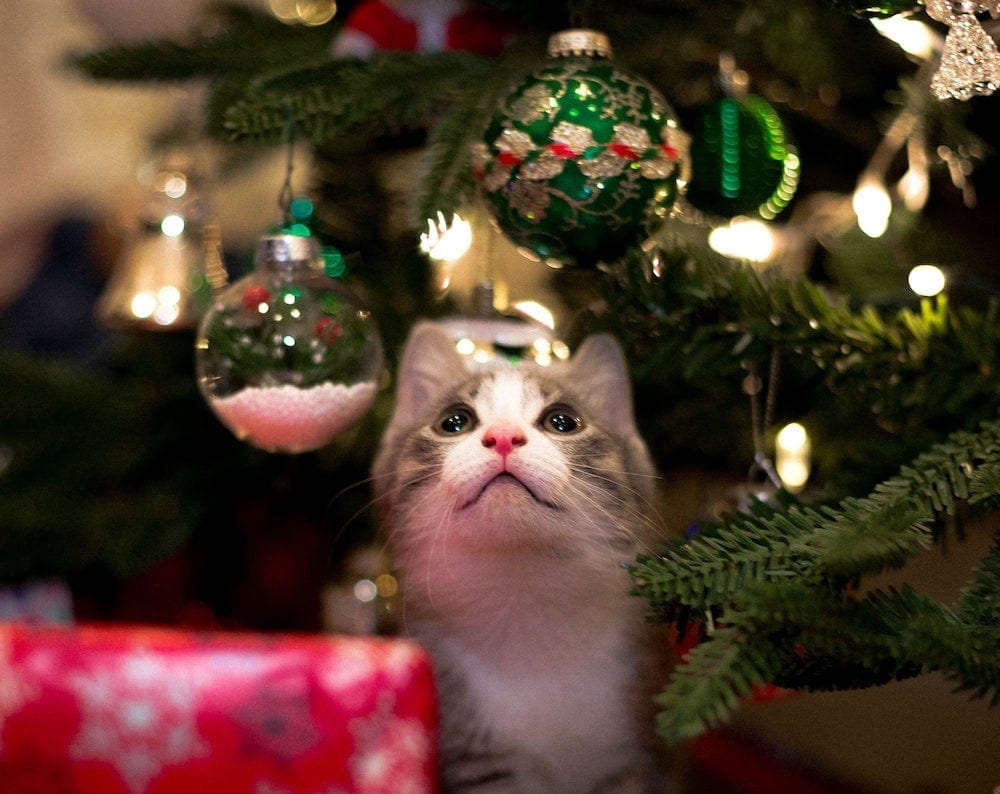
Many cats are tempted to play with the branches that house flashy ornaments and lights and may chew on the needles, which is cause for concern. Pine needles can also cause injury to their paws if stepped on, or they can get stuck under the skin and cause an infection.
Is Pine Litter Safe for My Cat?
Cat owners reading this may take a step back and wonder if the pine cat litter they are using is safe if pine can be so toxic. The good news for those who use pine litter is that the toxic oil compounds are mostly destroyed during the manufacturing process, with only trace amounts potentially left but deemed too low to be harmful.
Pine litter is made from dehydrated pine fibers, and while there has been skepticism, it has been regarded as safe for use since that process eliminates the toxic part of the pine. Pine litter is free of synthetic fragrances and chemical additives and is regarded as a healthy alternative to traditional clay litter, but this will greatly depend on the particular product and manufacturing. Please consult with your veterinarian if you have any concerns about the pine or other litter you are using for your cat.
What About Tree Water?
Make sure your cat cannot drink the tree water, as it may also contain sap, needles, or various harmful chemicals, such as fertilizers and pesticides. Block off access to the water or cover it so the cat cannot reach it to have a drink. The water may also contain bacteria and mold if it’s sitting there for days. All of these may cause health issues in your cat.
Other Dangers Associated With Christmas
During the holidays, it’s important to ensure no harmful human food, such as chocolate, onions, raisins, mince pies, and similar, are in your cat’s reach. Keep all food stored adequately and monitor your cat while they’re in the kitchen. Be mindful that cats dislike noise and visitors, and ensure your home remains a safe haven for them, or that they have a place to hide if they choose to.
Most cats love shiny tree ornaments and will most certainly attempt to play with them. This can cause the ornaments to fall off the tree and break, causing potential injury to the cat but also family members that may step on broken glass or sharp plastic. Ornaments on a string are particularly dangerous, as cats will play with them and some may try and swallow them. This is referred to as a linear foreign body that may get stuck at the base of the tongue or in the stomach and intestines, causing severe gastrointestinal issues that require surgery and may be life threatening.
Other plastic ornaments, wrapping paper, toys and the like may all pose a risk of ingestion. Electric cables from Christmas lights could also pose a hazard, although most cats will not try to bite or chew them, but it’s always important to be cautious.
Alternatives to Pine Trees
If you are a cat owner on the hunt for a Christmas tree and your cat is particularly curious, pine or another real tree may not be the safest choice. For those interested in other trees, fir and spruce tend to be a fairly popular choice, but even their pine needles may cause oral irritation and stomach upset if ingested. Artificial trees are growing in popularity and make for a great non-toxic option.
Do keep in mind that even the non-toxic choices pose dangers to our mischievous feline friends. You must ensure that any loose needles (real or artificial) are not ingested and are regularly picked up. Cats also like to knock trees over with their antics so you will want to ensure your tree is secure and safe from an excitable, playful cat rocket.
Never leave your cat unattended around the tree, and refrain from using any candles, as this may pose a significant fire risk and injury to your cat if they knock things over. Secure the tree so it cannot fall if the cat decides to jump on it.
Pine Trees in the Yard
If you live in an area that is heavy in pine trees, there is no need to panic. Cats typically are not drawn to the scent of pine and outdoor cats are not likely to get into too much trouble this way. The reason for concern with indoor trees is that they are new and exciting and playful cats like to explore new things.
The best rule of thumb regarding outdoor kitties is to ensure you know their environment well and contact your veterinarian immediately if you notice them displaying any unusual signs.
Now that you know what you can safely feed your cat, it’s just as important to find a bowl that supports their health and well-being. With whisker-friendly bowls and a wide tray to catch any spills, our Hepper NomNom Cat Bowl is our favorite option.

- NO MESS - The 360° tray on this cat food and water bowl set has a raised design to catch and contain stray crumbs and drips. Protect your indoors and floors from wet and messy meals!
- WHISKER FRIENDLY - Shallow and wide metal containers with flat bottoms ensure your kitty can enjoy mealtime free from whisker fatigue!
- CHEW-SAFE MATERIALS - Kittens and cats love chewing on silicone and soft rubber - but it's a choking hazard. Our cat feeding station materials are anti-chew for a 100% safe feeding frenzy!
Conclusion
Cats should never eat pine needles. These sharp needles have the potential to damage the mouth, throat, and digestive tract. Pine oil also contains essential oils and compounds that can cause gastrointestinal signs, allergic reactions, breathing difficulties, and liver damage if significant exposure has occurred.
There are many alternatives for Christmas trees that keep your cat safe from any of the harmful effects of pine. If you ever suspect your cat has swallowed a pine needle, licked any of the sap or tree water, or has been exposed to pine oil, it is pertinent that you contact your veterinarian immediately.
Related Read: 11 Best Clay Cat Litters – Reviews & Top Picks
Get Hepper In Your Inbox


Pet care tips from our vets and experts, straight to your inbox.
You may opt-out at any time. View our Privacy Policy for more information.
Nicole is a lover of animals of all sizes but is especially fascinated with the feline variety. She’s the proud mom of Baby, a Burmese, and works every day so he can relax in the sunshine or by the fire. She’s always had a cat in her home and has spent countless days with others, observing behaviors and softening up even the grouchiest of the lot. Nicole wants to share her kitty expertise with you so you and your cat can live happy, healthy, and care-free.
Join the conversation
Ask a question, share your story, or send private feedback.