Hepper is reader-supported. When you buy via links on our site, we may earn an affiliate commission at no cost to you. Learn more.
Can Cats Eat Palm Leaves? Vet-Reviewed Facts & FAQ

In this article
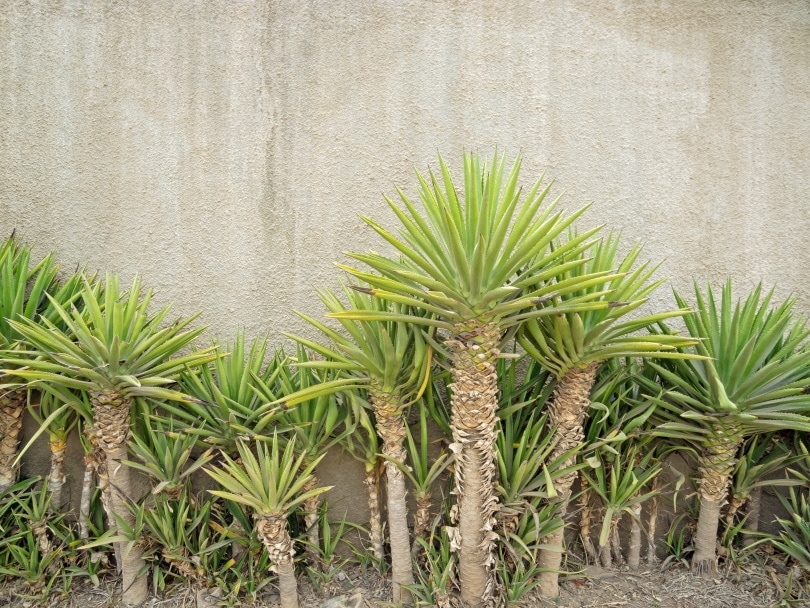
Palms are hardy plants with low care needs, and they also have beautiful long fronds. This combination of features makes these plants popular houseplants that are common to see in many indoor spaces.
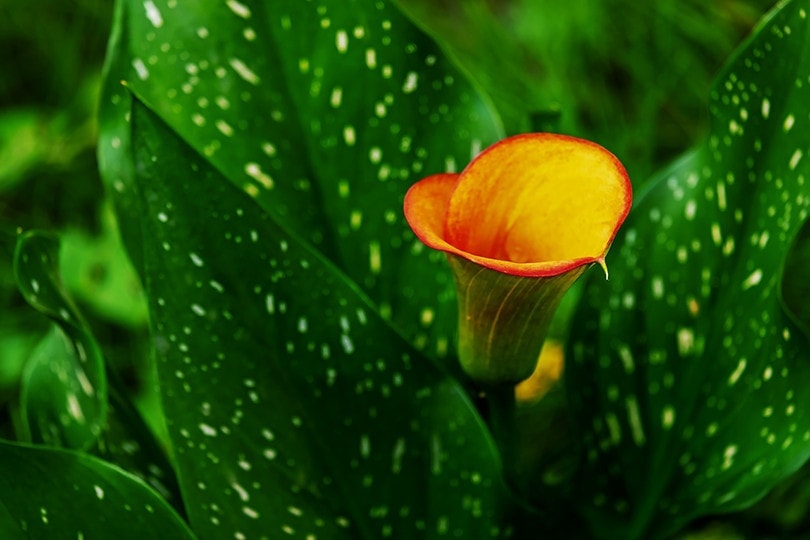
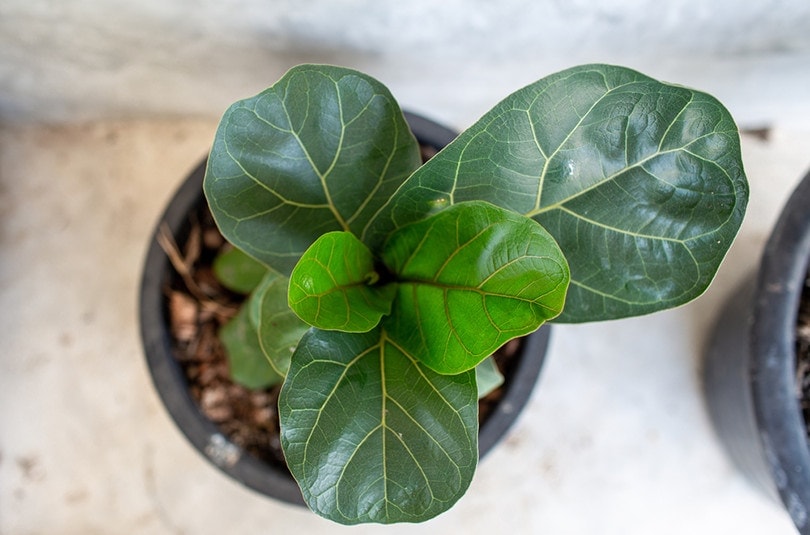
If you have cats, you must be extra careful with the types of plants you bring home. Common house plants can be extremely poisonous to cats, especially tropical ones. Fortunately, most palms aren’t toxic to cats, except for the Sago Palm, the Cardboard Palm, and the Australian Ivy Palm.

Are Palms Toxic to Cats?
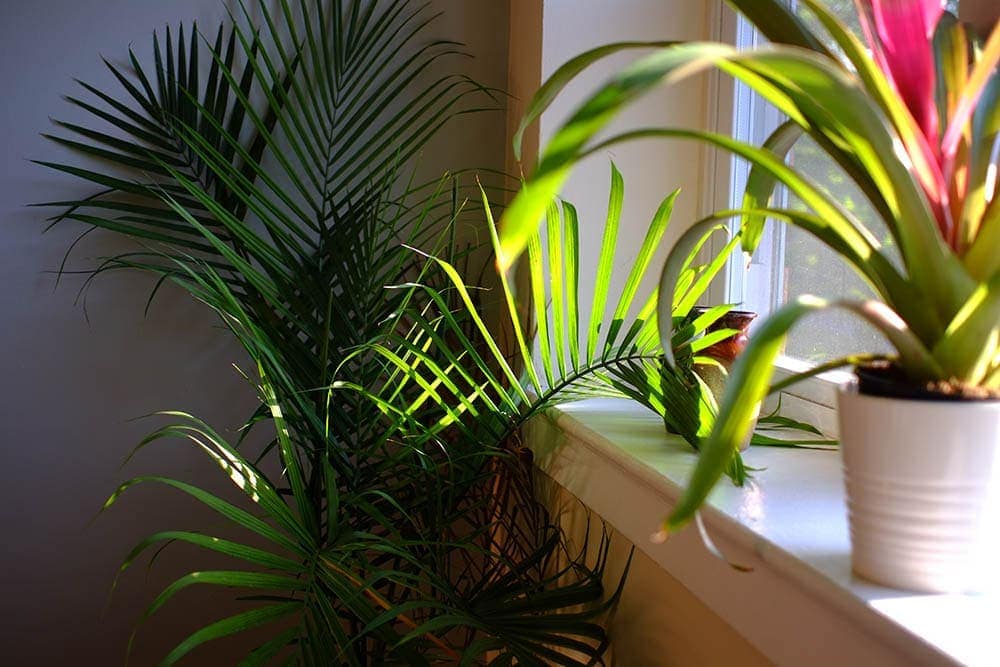
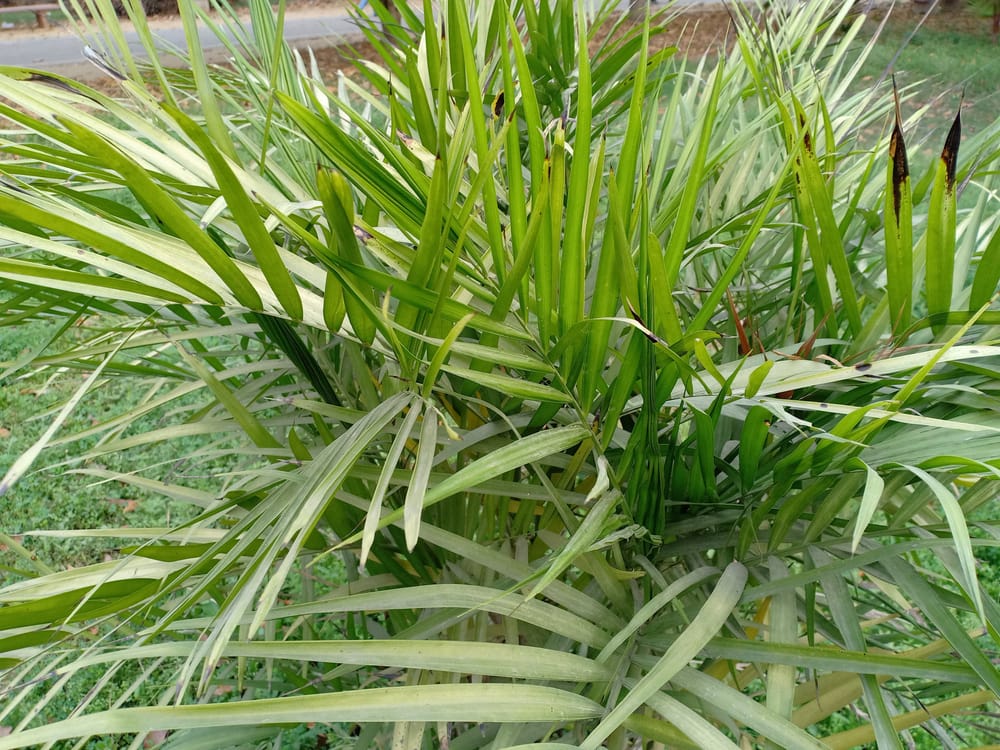
Most palms are safe for cat owners to bring home. Species of palms commonly sold by retailers include the Banana Palm, Majesty Palm, and Parlor Palm. All these palms are non-toxic to cats. If your cat ingests any of these palms, you don’t have to worry. Just monitor their behavior and look for any symptoms indicating an upset stomach, such as vomiting and diarrhea.
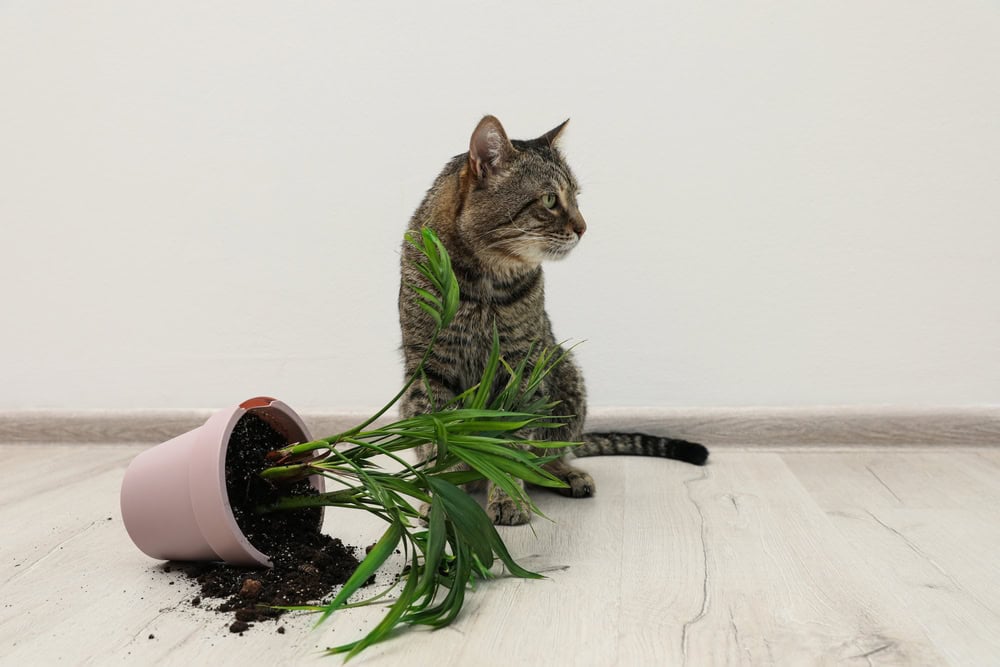
Also, make sure to remove the plant from your cat’s reach. Although the palm may not be poisonous, your cat can still get sick from the soil or any pests that might be hiding in the plant.
Avoid the Sago Palm
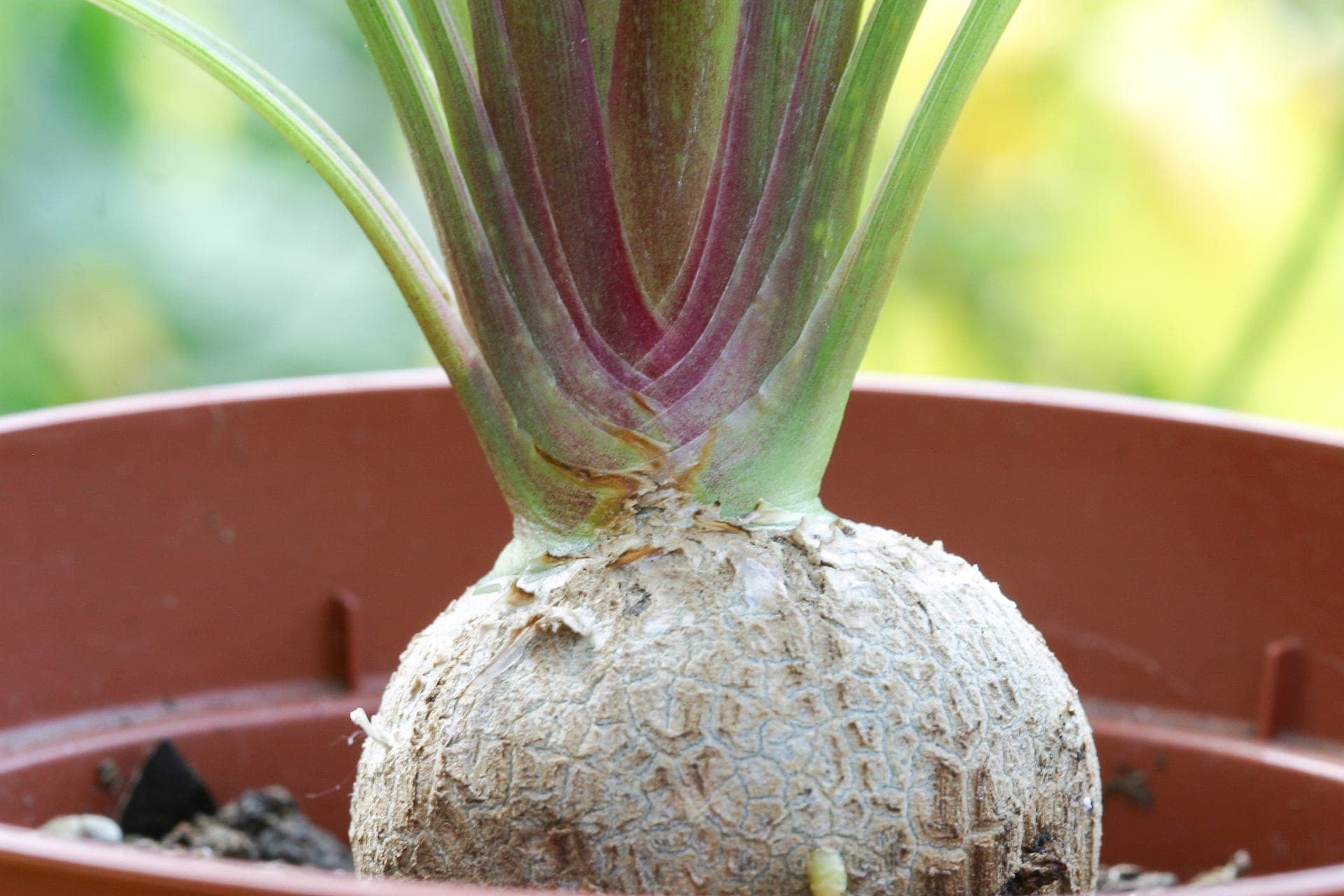
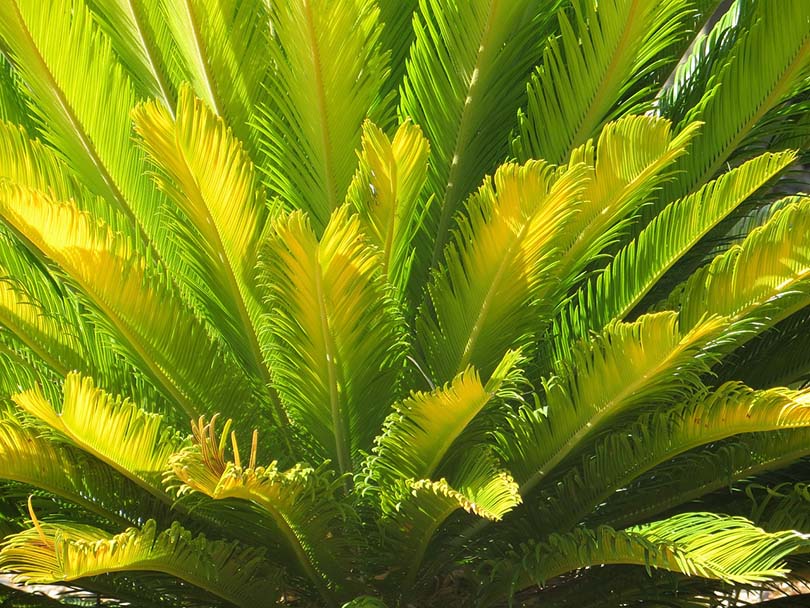
One common palm that’s toxic is the Sago Palm.
This plant also goes by several other names:
The Sago Palm belongs to the cycad family. All parts of the plant contain the toxin, cycasin, which is toxic to cats, dogs, and horses.
If your pet eats a part of a Sago Palm, it will experience some of these symptoms:
Don’t wait to contact and rush to your veterinarian if your cat has ingested a Sago Palm because consuming any part of the plant requires immediate emergency care.
When you call your veterinarian, make sure you have some helpful information ready for them. Let them know what part of the plant your cat ate, how big the piece was, and around what time your cat ate it. Make sure to bring a piece of the plant with you when you take your cat to your veterinarian.
Are Palm Leaves Nutritious to Cats?
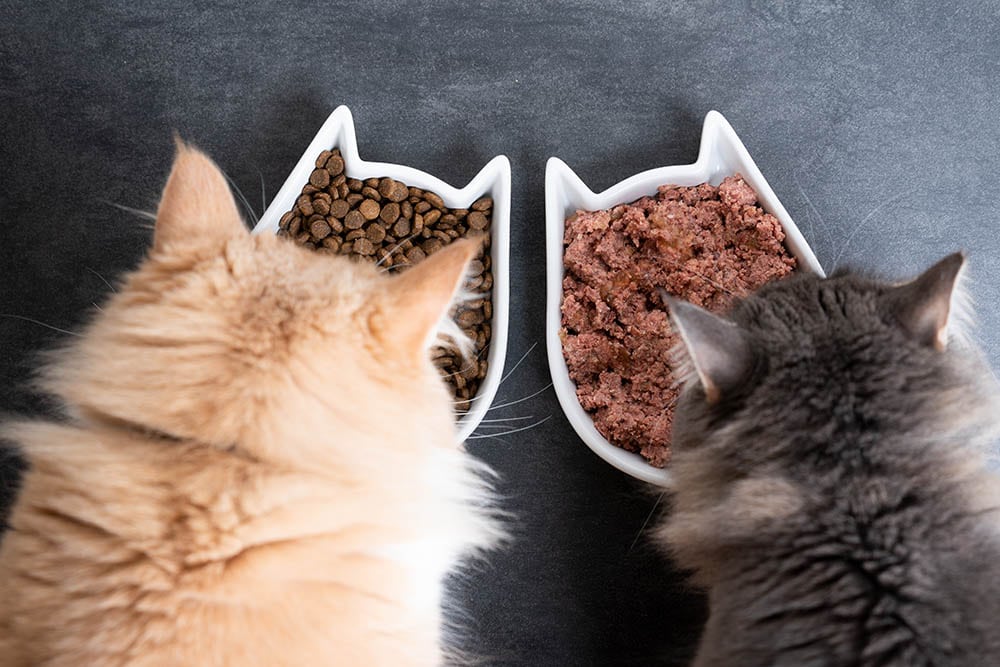
Palm leaves don’t contain any nutrients that are beneficial to cats. Cats are obligate carnivores. They derive most of their nutritional needs from animal protein, and their digestive system has evolved to tolerate and easily process high proportions of animal protein in their diet. Therefore, there’s no reason to feed them to your cat. If your cat continues to chew on palm leaves, try to find the root cause behind this behavior.
Why Cats May Eat Plants
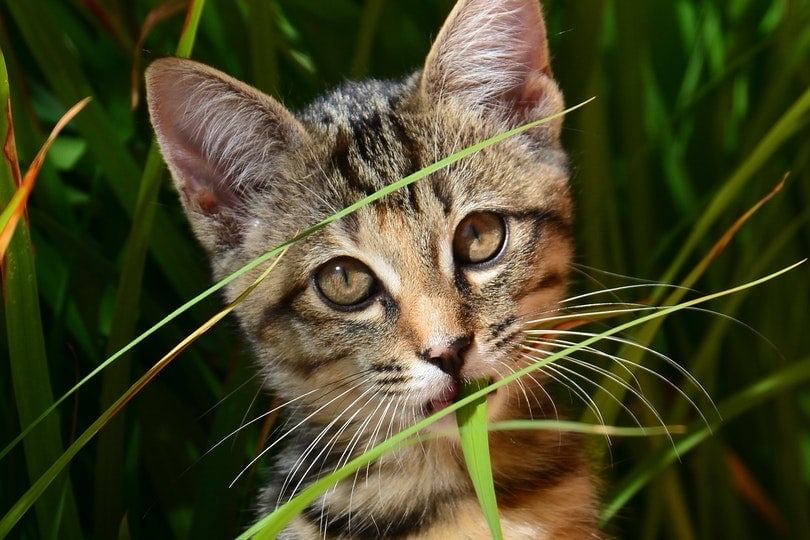
Cats are carnivores, so they’ll naturally tend to eat meat rather than greens. Therefore, if your cat consistently eats palm leaves or other houseplants, it is a good indicator that something might be off. Common reasons that cats eat house plants are because they’re bored or they like the texture of the leaves. For example, if your palm is next to an open window, the leaves fluttering in any breeze may entice your cat to pounce on the plant.
Our recommendation is not to have these kinds of toxin palms in your home. If relocating your palm plant isn’t a viable option, you can also try applying an anti-chewing bitter spray on the plant to discourage your cat from chewing on the leaves.
If you suspect that your cat likes chewing on the texture of the plant, try growing cat grass. Cat grass contains a blend of plants that are safe for cats, and they’re also a good source of fiber. Place the cat grass near your cat’s food bowl so that it is at a more accessible place than your house plant.
One theory that cats eat plants is due to internal discomfort. If a cat feels nauseous or sick, it may try to alleviate the irritation by eating plants. Plants can help fill up the stomach or induce vomiting. Make sure to consult with your veterinarian if your cat continues to eat houseplants. Your veterinarian can help you rule out any medical reasons causing internal discomfort, such as food allergies or nutrient deficiencies.
Now that you know what you can safely feed your cat, it’s just as important to find a bowl that supports their health and well-being. With whisker-friendly bowls and a wide tray to catch any spills, our Hepper NomNom Cat Bowl is our favorite option.

- NO MESS - The 360° tray on this cat food and water bowl set has a raised design to catch and contain stray crumbs and drips. Protect your indoors and floors from wet and messy meals!
- WHISKER FRIENDLY - Shallow and wide metal containers with flat bottoms ensure your kitty can enjoy mealtime free from whisker fatigue!
- CHEW-SAFE MATERIALS - Kittens and cats love chewing on silicone and soft rubber - but it's a choking hazard. Our cat feeding station materials are anti-chew for a 100% safe feeding frenzy!

Final Thoughts
The Sago Palm, Australian Ivy, and Cardboard Palm are extremely dangerous if ingested by your cat, which will require immediate veterinary care. Although the leaves of other palms aren’t poisonous for cats, they don’t contain any nutritional value, so it is best to discourage your cat from eating palm leaves. If your cat repeatedly eats plant leaves, make sure there isn’t an underlying medical condition causing this behavior.
If you’re having trouble finding the cause of plant-eating behavior, don’t hesitate to consult with your veterinarian or a reputable cat behaviorist. These professionals can help you find the root cause of this behavior, which can prevent your cat from getting into further trouble over time.
Related Reads:
Get Hepper In Your Inbox


Pet care tips from our vets and experts, straight to your inbox.
You may opt-out at any time. View our Privacy Policy for more information.
Jessica is a freelance writer who spends most of her day reading and writing while her fluffy Cavapoo, Nora, naps beside her. She loves and appreciates pets and animals because there’s so much to learn from them, and they do so much for people. As a dog mom, she understands the special relationship that pet parents have with their pets. So, she loves sharing helpful information that people can use to better understand their pets. When she’s not writing, you can find her walking dogs, tending to her plant babies, or drinking her nth cup of coffee.
Join the conversation
Ask a question, share your story, or send private feedback.