Hepper is reader-supported. When you buy via links on our site, we may earn an affiliate commission at no cost to you. Learn more.
Can Cats Eat Ferns? Nutritional Facts & Safety Guide
In this article
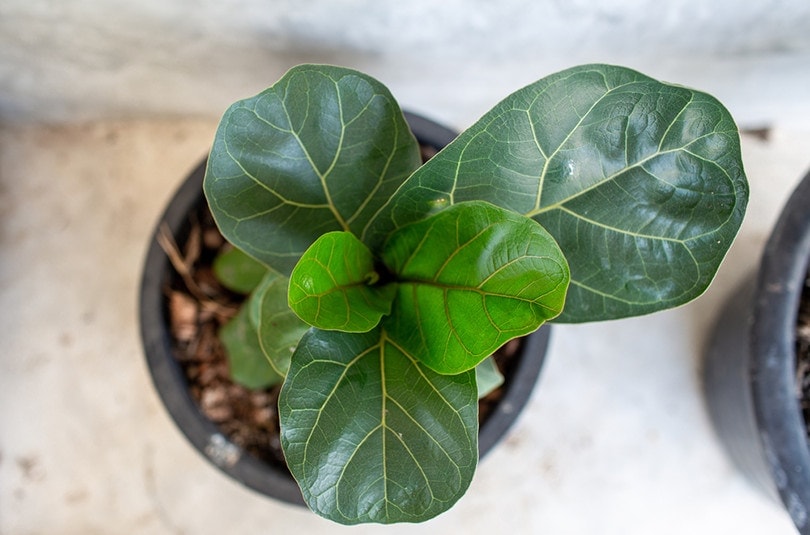
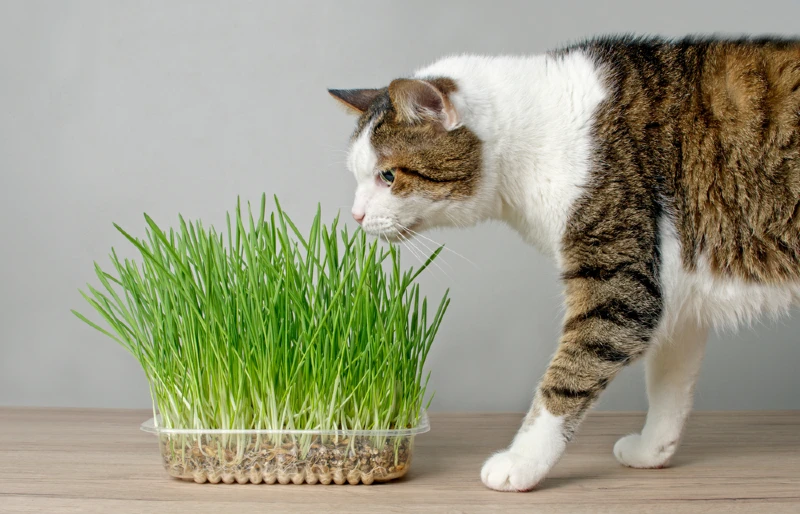
Ferns are a popular plant both in homes and in gardens due to them being not only beautiful but also easy to care for. As any cat owner knows, cats are extremely curious creatures and are known to chew on the leaves of plants from time to time, which may include your fern. But is it safe for cats to eat ferns? Are ferns toxic to cats?
No, ferns are not toxic to cats, although you should try and stop your cat from eating them as much as possible. That said, there are a handful of plants that closely resemble ferns, and which many owners mistake for ferns, that can be toxic to cats. It is important to identify these unsafe varieties and keep only “true ferns” in and around your home.
In this article, we’ll look at which plants are safe for your cat and which can be a problem, and what plant poisoning can look like in cats.

Are Ferns Toxic to Cats?
According to the ASPCA, the majority of true ferns are not toxic to cats, even if they’re ingested. Of course, ingesting too much plant matter is never good for cats, and can cause stomach issues for them.
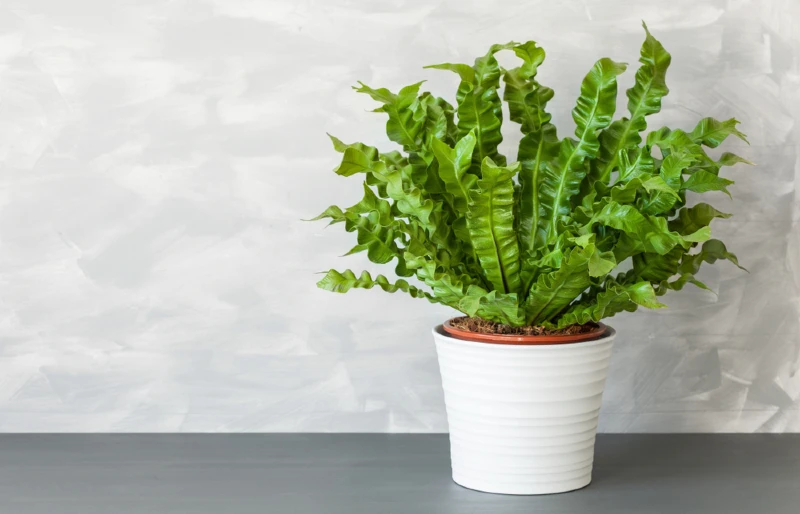
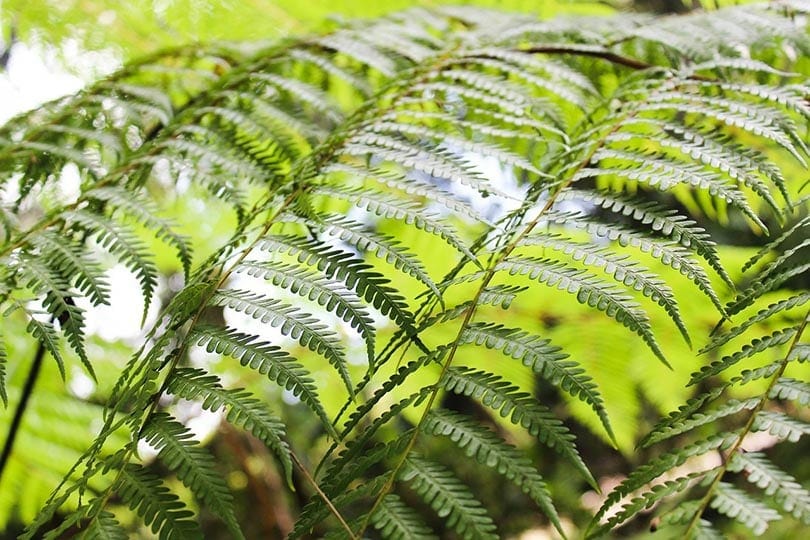
Some of the common “true ferns” that are safe for cats to ingest are:
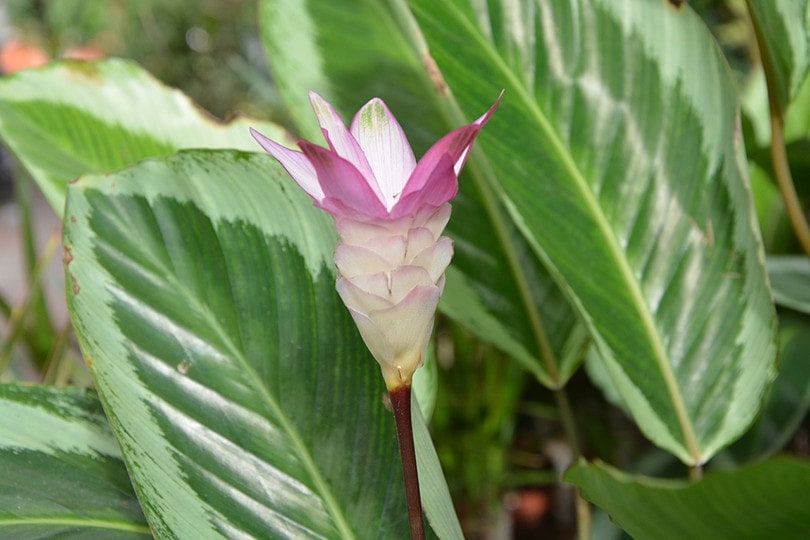
There are, however, some plants that are often kept in and around homes that are mistaken for ferns, which can be toxic to your feline. One of the best examples is the Asparagus fern, which despite the name, is not a true fern. Ingestion of this plant can cause gastrointestinal upset including vomiting and diarrhea, and skin irritation if your cat comes into contact with it.
The Winter fern, the Bracken fern, Hemlock, and Foxtail ferns are other fern-like plants that can cause issues for your cat if digested, but again, are not true ferns. Getting to know what these plants look like and being able to identify them easily is the first step in having a cat-safe garden.
Signs of Fern Toxicity in Cats
If you’ve noticed or you suspect that your cat has come into contact with a fern or “imposter” fern, and notice any of the following signs, it is best to seek veterinary help right away:
- Diarrhea
- Vomiting
- Drooling
- Loss of appetite
- Swelling
- Inflammation
While these symptoms vary in intensity and the severity will usually depend on how much plant matter your cat has digested, your cat will most likely be fine. Even ferns that are potentially toxic to cats are very rarely fatal, and after a visit to the vet, your cat will be back to normal after a few days. Just make sure to try and locate where your cat found the fern and get rid of the plant or at least make it inaccessible.
Other Common Houseplants That Are Dangerous for Cats
Besides a handful of fern impersonators, several other plants should be avoided if you have a cat in your home, especially an inquisitive one! These plants can be toxic to your cat and cause some real issues if ingested. They include:
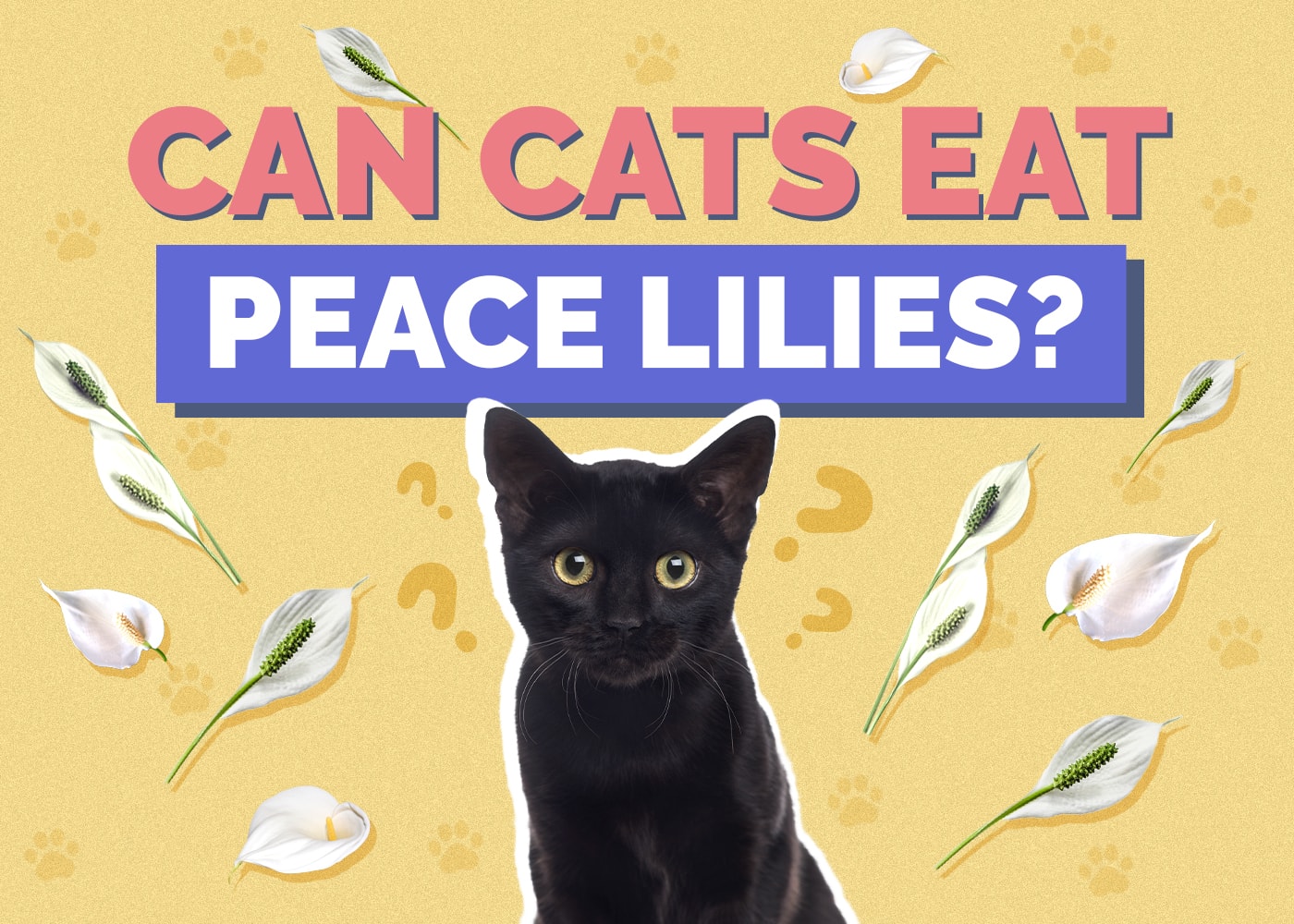
- Peace Lily (Spathiphyllum)
- Aloe Vera (Aloe barbadensis)
- Money Plant (Epipremnum aureum)
- Snake Plant (Dracaena trifasciata)
- Sago Palm (Cycas revoluta)
Can I Still Keep Ferns in My Home?
If you’re both a cat and fern lover, fear not! The two are not mutually exclusive. Again, most true ferns pose no problem to your cat and can be safely kept in your home and yard, but if you’re still worried, try and keep them in an area that’s inaccessible to your cat. Try to place potted ferns on high shelves or in hanging baskets, or use netting around plants in your garden to keep your feline away.
Now that you know what you can safely feed your cat, it’s just as important to find a bowl that supports their health and well-being. With whisker-friendly bowls and a wide tray to catch any spills, our Hepper NomNom Cat Bowl is our favorite option.

- NO MESS - The 360° tray on this cat food and water bowl set has a raised design to catch and contain stray crumbs and drips. Protect your indoors and floors from wet and messy meals!
- WHISKER FRIENDLY - Shallow and wide metal containers with flat bottoms ensure your kitty can enjoy mealtime free from whisker fatigue!
- CHEW-SAFE MATERIALS - Kittens and cats love chewing on silicone and soft rubber - but it's a choking hazard. Our cat feeding station materials are anti-chew for a 100% safe feeding frenzy!
Conclusion
In general, ferns are completely safe for your cat to be around, and if they nibble a leaf or two there shouldn’t be any issues, apart from possible stomach upset. Just be on the lookout for plants with “fern” in the name like the ones we listed above, as these are not true ferns and may be toxic and potentially harmful to your feline.
See also:
Get Hepper In Your Inbox


Pet care tips from our vets and experts, straight to your inbox.
You may opt-out at any time. View our Privacy Policy for more information.

Nicole is a lover of animals of all sizes but is especially fascinated with the feline variety. She’s the proud mom of Baby, a Burmese, and works every day so he can relax in the sunshine or by the fire. She’s always had a cat in her home and has spent countless days with others, observing behaviors and softening up even the grouchiest of the lot. Nicole wants to share her kitty expertise with you so you and your cat can live happy, healthy, and care-free.
Join the conversation
Ask a question, share your story, or send private feedback.