Hepper is reader-supported. When you buy via links on our site, we may earn an affiliate commission at no cost to you. Learn more.
Ataxia in Cats: Causes, Signs & Treatment (Vet Answer)

In this article
Have you ever seen a wobbly cat, or a cat walking like he’s drunk? If you have, the chances are good that you saw a cat with ataxia. Ataxia in cats isn’t common, but it’s often serious, so here’s what you need to know about ataxia in cats.

What Is Ataxia in Cats?
Ataxia is the uncoordinated movement of a cat’s legs, body, and head. Cats with ataxia will not move their bodies normally when walking or running. This makes them appear weak and wobbly with a loss of balance. Ataxia can have many causes, depending on whether the brain, spine or balance organs in the inner ear are involved.
Signs of Feline Ataxia
So, what does ataxia in cats look like? Recognizing ataxia in cats will allow you to respond quickly if your cat ever becomes ataxic. The signs you should look out for include:
Ataxia may be the reason your cat is unsteady on her feet and cannot control her movements as she normally does. If you think your cat is behaving in such a manner you should contact your veterinarian immediately.
Recognizing Ataxia in Cats
How do they look?
Watch your cat carefully and pay attention to her head. Is it wobbly, bobbing, or swaying from side to side? An ataxic cat will often show a head tilt where one ear appears to be held closer to the ground. You may notice that her eyes are flicking from side to side quickly which will increase her dizziness.
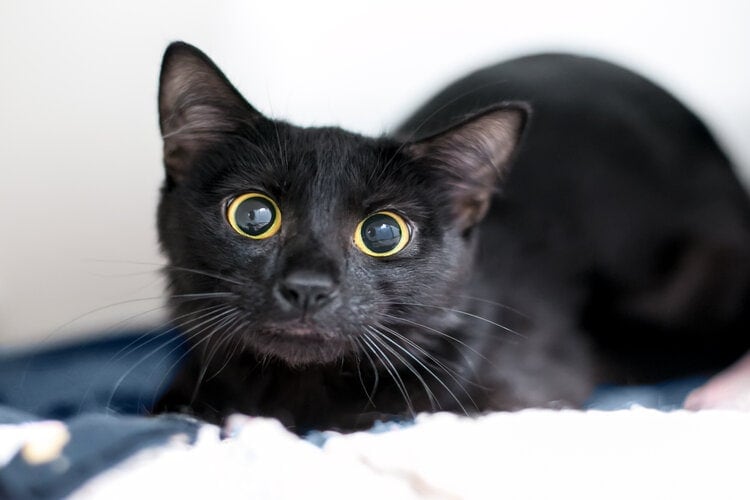
Cats with some versions of ataxia will have noticeably different pupils in size and appearance. One may be large, round, and very black while the other is a narrow dark strip or slit. Cats with ataxia will occasionally have a wide stance where their four legs are spread out wider than normal to give them a better balance.
How do they move?
An ataxic cat will have difficulty standing up from a lying-down position and will stagger about until she can get her balance. She will have difficulty eating food and/or balancing while grooming herself. Ataxia can even affect or prevent her from taking a drink. Cats will be dizzy and can fall over to one side or roll over on the ground. She may walk with an exaggerated stride. It is often described as “goose-stepping”. Alternatively, you may spot that your cat drags one or more of her feet leading to clicking or scraping of her nails on the floor.
How do they act?
Ataxia can make your cat feel nauseous and this may lead to vomiting or drooling.
If a cat is suffering from a sore or red ear she will often cry out, due to the pain, when they shake their head or scratch the affected ear. Infections in the ear can affect the balance organs in the inner ear, leading to your cat being unbalanced.
A distressed or upset cat can be more quiet, withdrawn, and uninterested in food. She may also show her frustration by swishing her tail and becoming more vocal or needy.
If your cat is not eating or drinking and appears distressed, then you must contact your veterinarian immediately for advice or to make an appointment so an examination can be carried out.
What Causes Ataxia in Cats?
Ataxia in cats develops when certain areas of the brain, spine, and balance organs are affected or damaged. There are multiple causes of ataxia in cats that vary from kittens born with certain conditions to cancerous changes. Ataxia can also be caused by:
The curious nature of cats means they can be vulnerable to the causes of ataxia. Cats will naturally want to explore their territory which may lead to accidental injury.
There are no obvious reasons for how or why your cat has developed ataxia in many cases. Simply, if the brain, spine, or balance organs are damaged they will not work properly, and your cat will display signs of ataxia.
If you are worried or think your cat has become ataxic, do not hesitate to contact your veterinary clinic where your veterinarian will decide the best course of action.
How Will the Veterinarian Diagnose Ataxia?
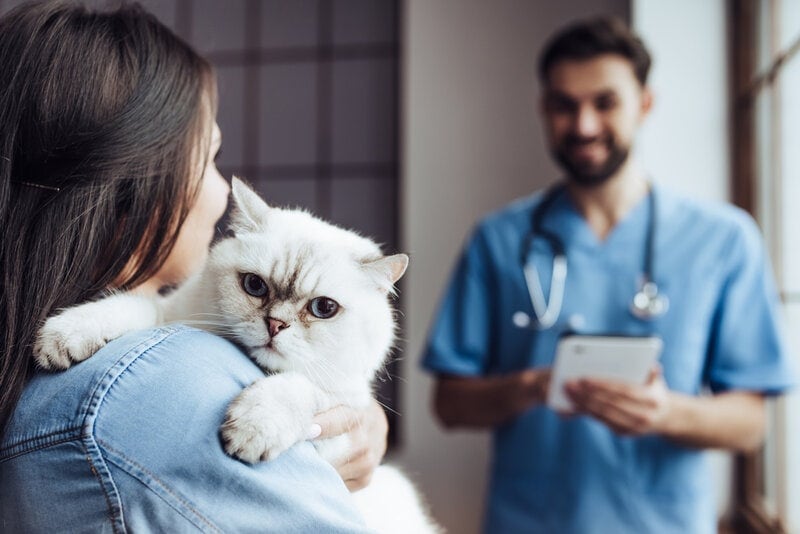
Working out the exact cause of your cat’s dizziness or loss of balance will be a priority for most veterinarians as it will determine how your cat will be treated. A veterinarian normally starts by observing your cat in its carrier or cat box, so don’t be alarmed if they don’t immediately reach for your cat. In the meantime, they’ll ask you questions, including describing what you have seen and heard at home. Although you might be anxious to have your cat examined, this is an important part of your vet’s diagnostic process so do your best to answer all their questions.
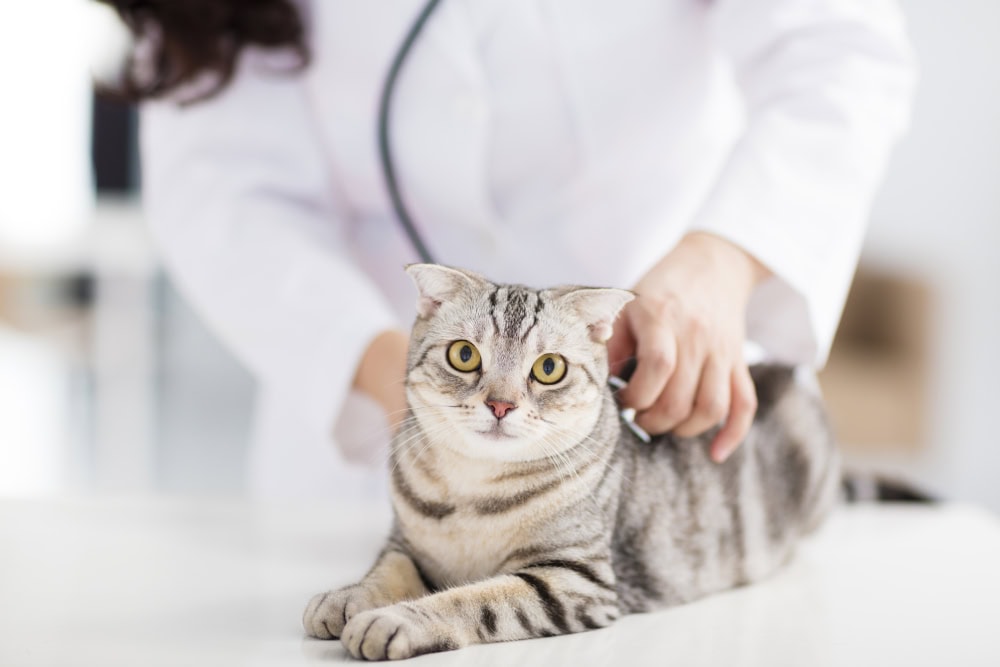
Next, they might watch your cat move around the room, then move on to a hands-on exam. By feeling and moving your cat’s head, neck, body, and four legs they can detect abnormalities or differences in the texture of the skin, muscle, or bone. This will help them to narrow down the possibilities.
Diagnostic tests will usually be needed to further help your vet decide on the type and cause of your cat’s ataxia. Cats can be reluctant blood donors, but the veterinarian will usually advise taking a blood sample. This may also be accompanied by an initial set of X-rays to assess your cat’s skull and the bones of her spine. In some instances, a sample of the fluid that surrounds your cat’s brain and spinal cord will be tested. Urine samples may be examined to give further clues as to the reason your cat has developed ataxia.
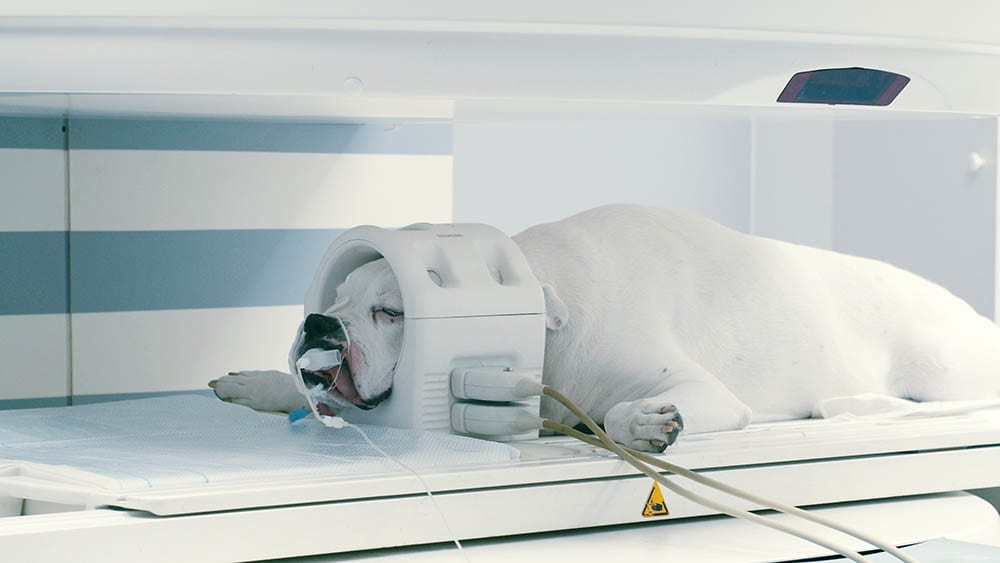
Occasionally more complex tests will be used to find the cause. These can include an ultrasound, CT, or MRI scan.
What Treatment Will My Cat Need?
The treatment of ataxia depends on the cause and varies hugely. In some cases, your cat will return to normal with no treatment. In others, there may be no treatment.
For something simple like an ear infection, a course of antibiotics is recommended. Most cats can be treated with tablets or liquid at home and their ataxia will resolve when the ear infection is passed.
In other cases, surgery might be indicated. A hospital stay may also be recommended, especially where toxicity is a possibility, or where your cat’s ataxia is causing nausea that is preventing them from eating. Your veterinarian will discuss the treatment options with you once they have made a diagnosis.
Home remedies for ataxia in cats
Because there are so many causes of ataxia in cats, you must take them to the vet to get a diagnosis. Home remedies are not appropriate as ataxia is a symptom of so many diseases that vary hugely, some of which can prove fatal. While there are no home remedies for ataxia in safe cats, there are some things you can do to help your cat recover. As a pet parent, you may want to provide a safe and comfortable environment as your cat receives treatment and recovers. You can set up a confined area to keep them safe and all their items in one place, allowing easy access to their bed, litter tray, and bowls.
Can ataxia be cured in cats?
Some cases of feline ataxia can be cured, but not all. If your cat’s ataxia cannot be cured, supportive treatment will be advised to keep your cat as comfortable as possible. In some cases, euthanasia may be the best option for your cat, but your vet will discuss this with you if this is the case.
Final Thoughts
Ataxia in cats can be caused by many different illnesses and injuries affecting the brain, spinal cord, or balance organs in the ear. While some causes of ataxia can be cured, others can’t, but cats may still have a good quality of life depending on the severity of the ataxia. The important thing is to discuss your concerns with your veterinarian as soon as you spot the signs of ataxia so that the cause can be diagnosed, and the correct treatment given.
Featured Image Credit: Wutlufaipy, Shutterstock
Get Hepper In Your Inbox


Pet care tips from our vets and experts, straight to your inbox.
You may opt-out at any time. View our Privacy Policy for more information.
Joanna is an experienced vet working in the UK. She has written about pets and pet health for many websites, blogs, and pet magazines and loves to help owners understand their pets through her writing.
Joanna is an experienced vet working in the UK who has always loved both writing and science. So, after following her passion for science and graduating as a veterinarian, she was able to begin writing and join her two passions together.
She has written about pets and pet health for many websites, blogs, and pet magazines. She loves to help owners understand their pets better through her writing, and loves to teach and educate her clients. She owns her own freelance company to help even more clients than just the one standing in front of her in a consultation room.
Education
In 2016, Joanna graduated from the University of Nottingham, with a degree in Veterinary Science (BVMedSci) and a degree in Veterinary Medicine and Surgery (BVM BVS).
Experience
Joanna practiced as a clinical vet from 2016 - 2019 and left full-time practice after that to work as a locum/relief vet in the Channel Islands, alongside her freelance writing work.
Join the conversation
Ask a question, share your story, or send private feedback.