Hepper is reader-supported. When you buy via links on our site, we may earn an affiliate commission at no cost to you. Learn more.
Why Is My Cat Losing Balance? 3 Vet-Reviewed Causes


In this article
Being a cat parent gives us so much happiness and its share of frustration, but it’s all worth it to have these soft little felines as a part of our lives. However, the scariest thing for any pet owner is seeing your pet struggling with some kind of illness.
If your cat is suddenly losing their balance and stumbling or falling over, it can be absolutely frightening! We’ll go through the reasons why a cat starts losing their balance and what the treatment might entail.

The 3 Likely Reasons Your Cat Is Losing Balance (Ataxia)
The term that covers the loss of balance and coordination is ataxia. The three main types of ataxia are vestibular, cerebellar, and sensory. Each of these categories has a number of causes, so we will cover each type of ataxia and the different causes for each one.
1. Vestibular
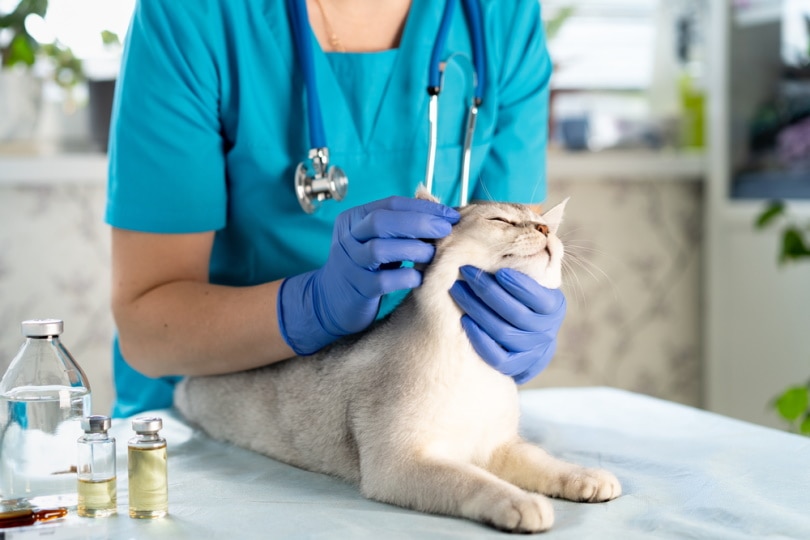
We all have a vestibular apparatus in our inner ears. Generally speaking, when a cat starts losing their balance, it might be caused by some form of vestibular disease.1 The vestibular system involves the structures located deep within the inner ear (peripheral) and components located within the lower area of the brain (central). Any disease or damage to these structures will cause this type of ataxia, which can also be called vestibular syndrome or vestibular abnormality.
There are multiple causes of vestibular disease:
Inner Ear:
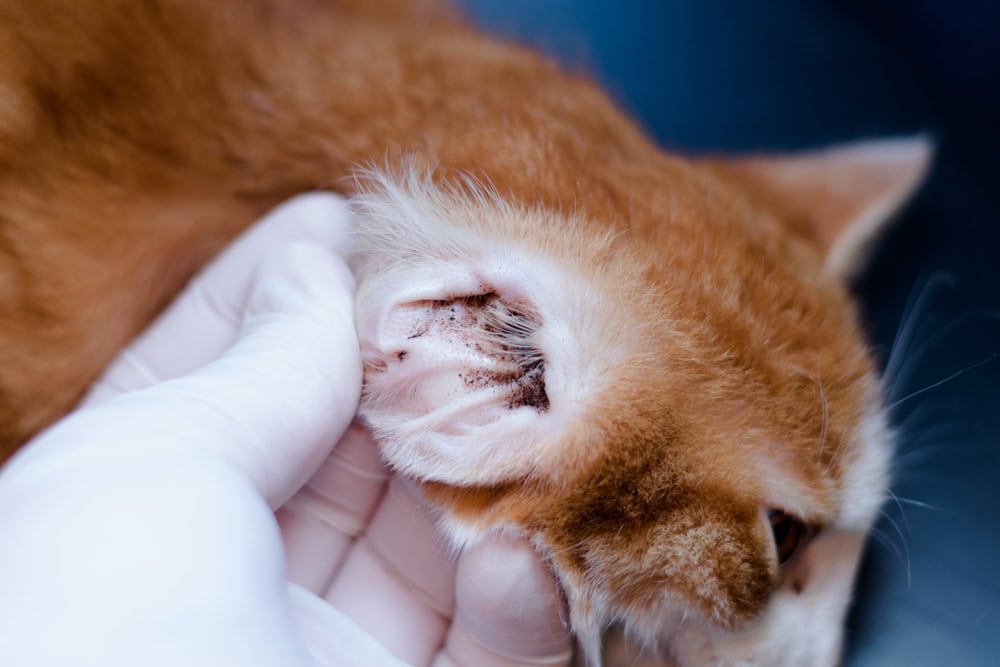
When the inner or middle ear is affected, some signs include leaning, falling, head tilting, and rolling.
Brainstem:
Signs that the brainstem is affected can include the cat being quite sedate and very drowsy, having proprioceptive deficits, and possibly having other neurological deficits.2
2. Cerebellar
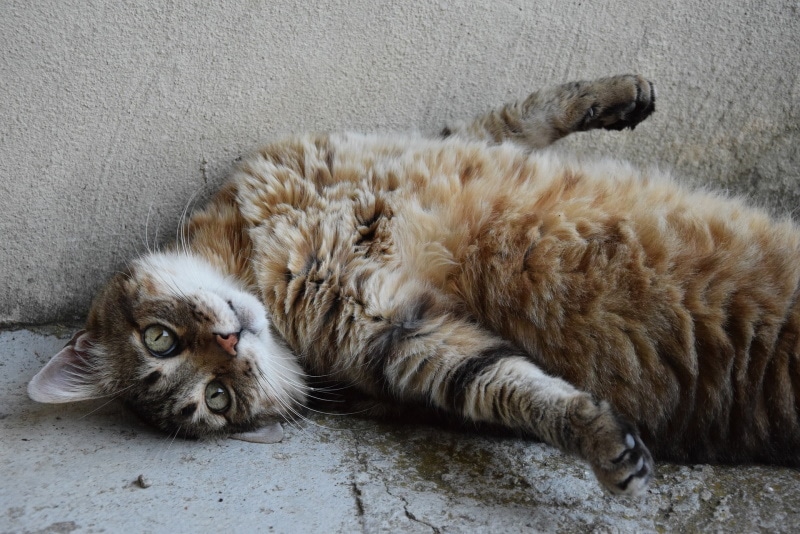
The cerebellum is part of the brain that controls coordination and balance. Most cats with cerebellar ataxia are born with it, but it can also be brought on by inflammation or damage to the brain.
Common causes of cerebellar ataxia are:
The signs of cerebellar ataxia are that the cat can have uncoordinated movement of the head, torso, and limbs, as well as standing with their legs spread apart to keep their balance.
Cats can also take large, exaggerated steps, and you might observe swaying of the body and head and/or body tremors.
3. Sensory (Proprioceptive or Spinal)
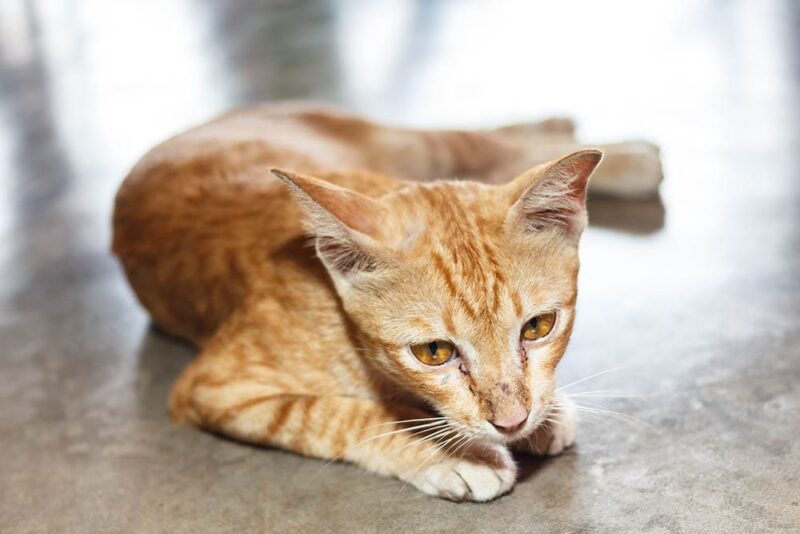
Sensory ataxia usually involves compression or damaged nerves of the spinal cord. This affects the cat’s proprioception, which is their spatial awareness.
A common sign of sensory ataxia is a cat that doesn’t know where their feet are, so they will do things like crossing their legs and knuckling their toes.

Common Signs of Ataxia
We listed some of the signs of the different forms of ataxia previously, but in order to basically sum them up, the following are the most common signs of some form of ataxia:
- Clumsy, drunk-like movements
- Swaying
- Wobbly while walking
- Leaning
- Falling and rolling over
- Head tilting
- Curled toes
- Tremors
- Behavioral changes
- Exaggerated steps (goose-stepping)
- Vomiting
- Abnormal eye movement (nystagmus)
If you notice any of these signs in your cat, particularly if they come on suddenly, take them to your veterinarian immediately.
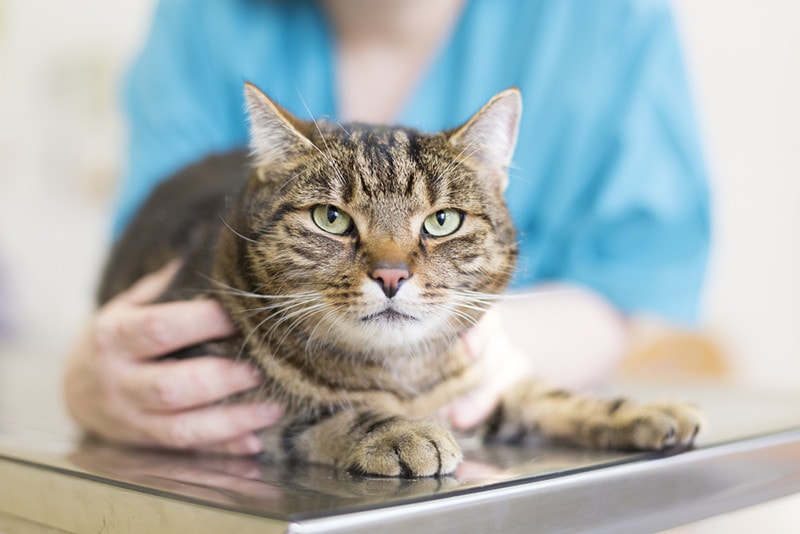
They will start by reviewing your cat's medical history and run a complete physical exam to check for neurological issues.
When the vet has identified which kind of ataxia the cat has (vestibular, cerebellar, or sensory), they will perform additional tests that may include urinalysis, blood tests, radiographs and advanced imaging to determine the cause.
Treatment for Ataxia
Treatment will depend on the cause of the ataxia. If it’s from an infection, antibiotics will likely be prescribed. Idiopathic ataxia (ataxia with no known cause) will be treated in a supportive manner, such as by supplying anti-nausea medication.
In the meantime, the cat should be kept in a safe environment with padding, so they don’t accidentally injure themselves. IV fluids and assisted feeding might be necessary in some cases.
Cats born with this condition might not need any treatment – because they are born with it, they don’t know any other way of life. They just need some extra support at home, such as making their space safe and ensuring they have easy access to food, water, and a litter box.
Unfortunately, other cats might experience signs that will progress and might eventually lead to euthanasia. But, frequent reassessments might be necessary to continue treating the ataxia and monitor the recovery progress.
Conclusion
There are many reasons why a cat might be losing their balance. In some cases, it starts the moment they are born, and in others, it might come on suddenly. Sometimes it’s an easy fix, like if it is a result of an ear infection in which you just need to use antibiotics, but in other cases, it might require surgery.
But if at any time your cat isn’t behaving the way they usually do, speak to your vet. You know your cat better than anyone, and if something seems wrong, don't hesitate to seek help.
Sources
https://www.petmd.com/cat/conditions/ears/cat-ear-infections
https://www.petmd.com/cat/conditions/digestive/c_ct_vitamin_b1_thiamine_deficiency
https://www.petmd.com/cat/conditions/neurological/c_ct_cerebellar_hypoplasia
https://www.petmd.com/cat/conditions/infectious-parasitic/c_ct_feline_panleukopenia
https://www.petmd.com/cat/conditions/neurological/c_ct_nystagmus
Featured Image Credit: Anna Hoychuk, Shutterstock
Get Hepper In Your Inbox


Pet care tips from our vets and experts, straight to your inbox.
You may opt-out at any time. View our Privacy Policy for more information.
Kathryn was a librarian in a previous lifetime and is currently a writer about all things animals. When she was a child, she hoped to work in zoos or with wildlife in some way, thanks to her strong love for animals. Unfortunately, she's not strong in the sciences, so she fills her days with researching and writing about all kinds of animals and spends time playing with her adorable but terribly mischievous tabby cat, Bella. Kathryn is hoping to add to her family in the near future – maybe another cat and a dog.
Join the conversation
Ask a question, share your story, or send private feedback.