Hepper is reader-supported. When you buy via links on our site, we may earn an affiliate commission at no cost to you. Learn more.
11 Australian Dog Breeds (With Info & Pictures)
In this article
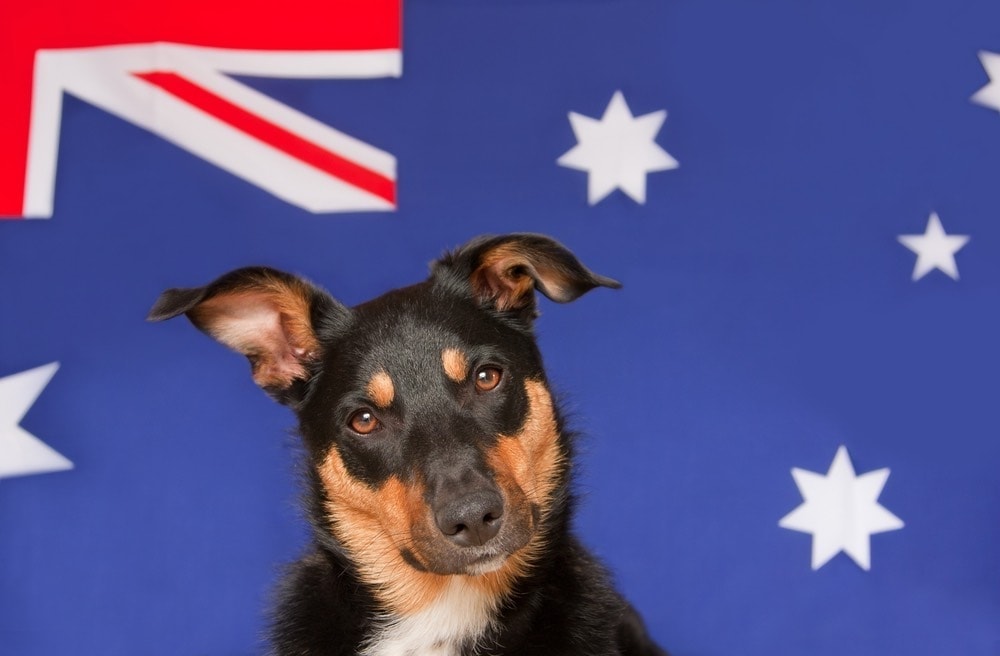
Australia is a land famous for its diverse and unique wildlife. Among the kangaroos and koalas, it has also given us some truly distinctive dog breeds. Each breed is like a snapshot of the country’s history and landscape.
Here are 11 charming Australian dog breeds that deserve your attention.

The 11 Australian Dog Breeds
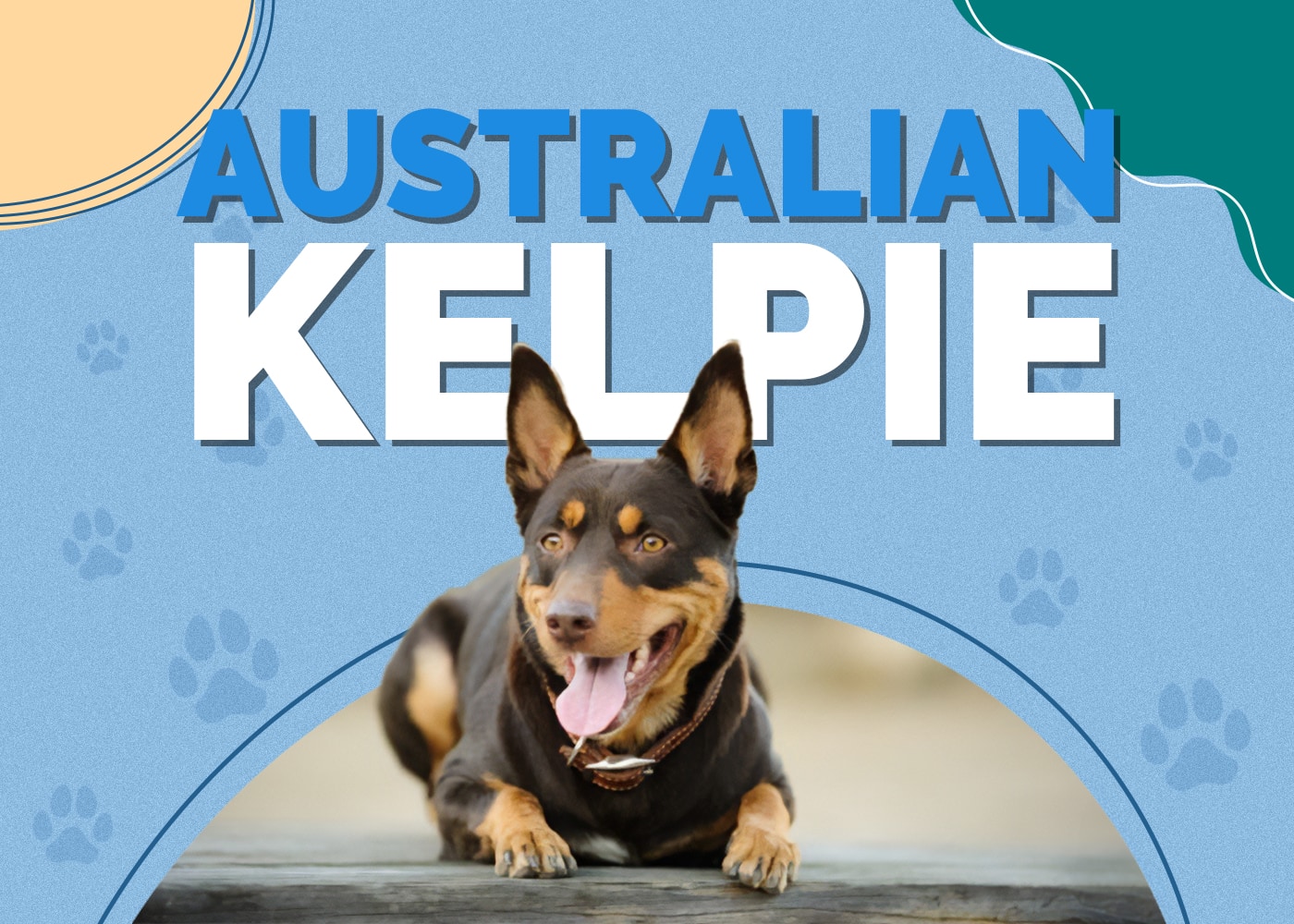
1. Australian Kelpie
Breed Overview
Height:
Weight:
Lifespan:
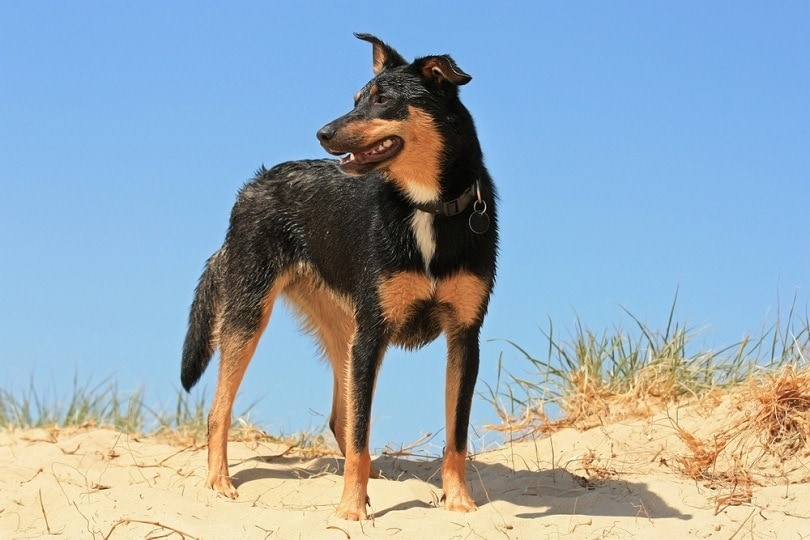
The Australian Kelpie is an agile, intelligent, and robust breed. Known for their incredible stamina and working dog instincts, they were bred for herding sheep and continue to maintain a strong sense of responsibility.
They are a bit reserved around strangers but are fiercely loyal and protective of their families. Kelpies need lots of physical and mental stimulation to prevent boredom and behavioral problems.
2. Australian Cattle Dog
Breed Overview
Height:
Weight:
Lifespan:
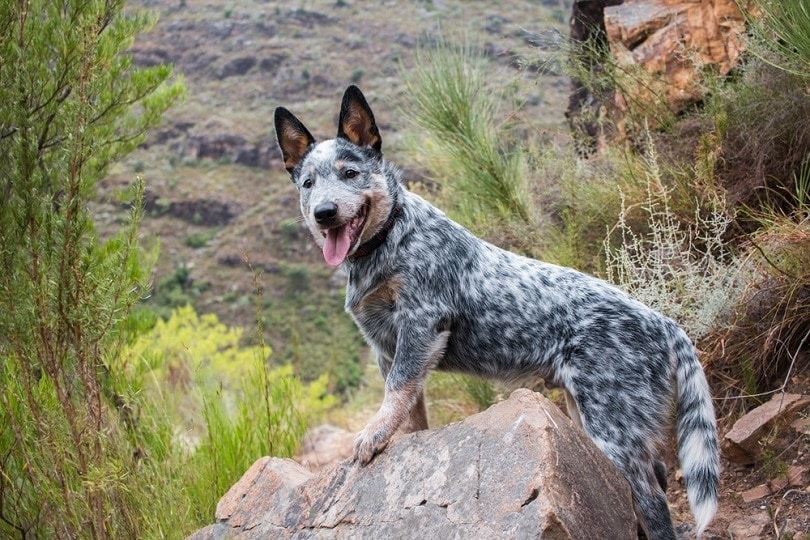
The Australian Cattle Dog, also known as the Blue Heeler, is a highly energetic and diligent breed. They were originally bred to herd cattle across the harsh Australian outback, so they are tough and hardy dogs.
Their coat color can be blue, blue mottled, or blue speckled. Despite their rough and ready exterior, these dogs are incredibly loyal and protective.
3. Bull Arab
Breed Overview
Height:
Weight:
Lifespan:
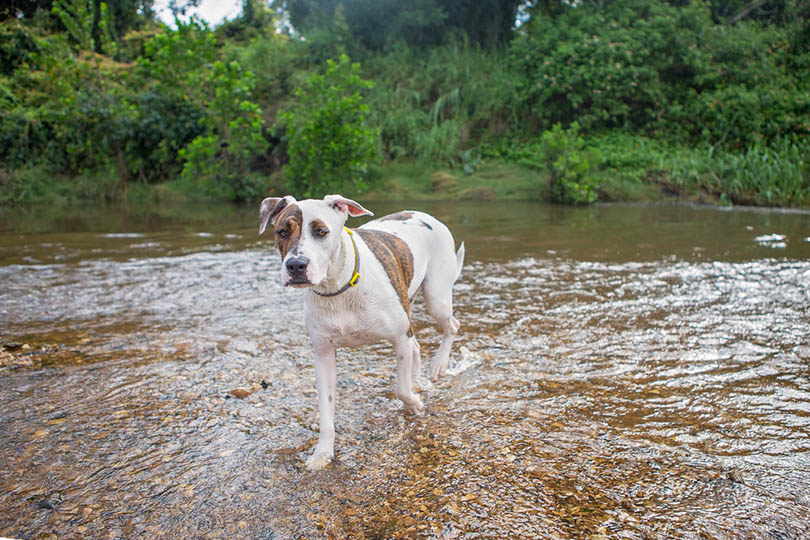
The Bull Arab is a powerful and muscular breed. Bred for hunting feral pigs, they have a keen sense of smell and strong tracking abilities. Despite their hunting background, they are known to be good with children and loyal to their families.
Bull Arabs are easy to train, but they require a lot of exercise to stay healthy and happy. You’ll want to make sure you’re up to the task or are open to hiring a dog walker before bringing a Bull Arab into your home.
4. Australian Stumpy Tail Cattle Dog
Breed Overview
Height:
Weight:
Lifespan:
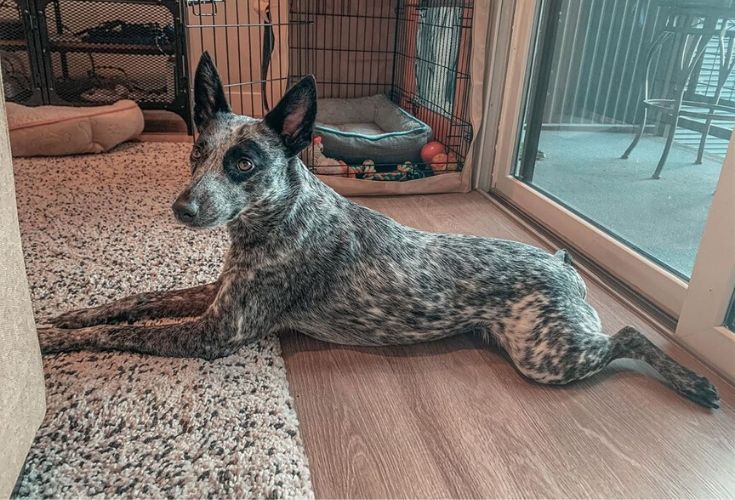
The Australian Stumpy Tail Cattle Dog, often mistaken for the Australian Cattle Dog, is a unique breed. They have a naturally short tail, hence their name. Bred for herding cattle, they are agile, alert, and hardworking.
These dogs are loyal and protective, but they can be a bit reserved. They require plenty of mental and physical exercise to stay content, so consider this breed’s needs if you’re thinking about adopting an Australian dog.
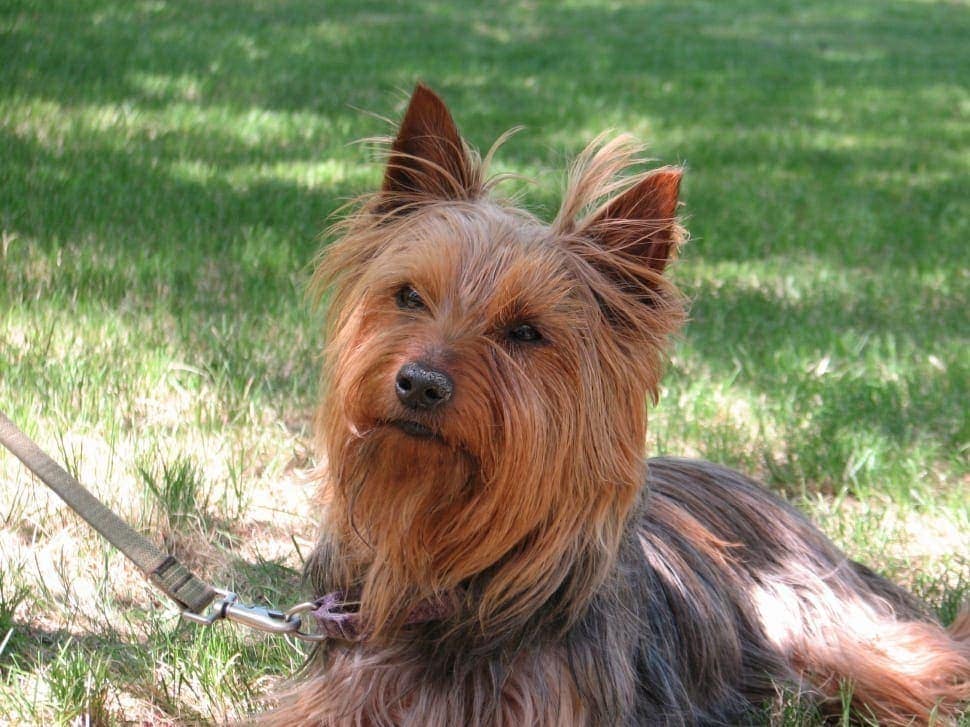
5. Australian Silky Terrier
Breed Overview
Height:
Weight:
Lifespan:
The Australian Silky Terrier, a small but robust breed, is known for their fine, silky hair and vivacious personality. These dogs are fearless and intelligent, and they make great companions.
Despite their small size, they are surprisingly agile and have a strong prey drive. But due to the fine coat they wear, regular grooming is necessary to keep it in the best condition.
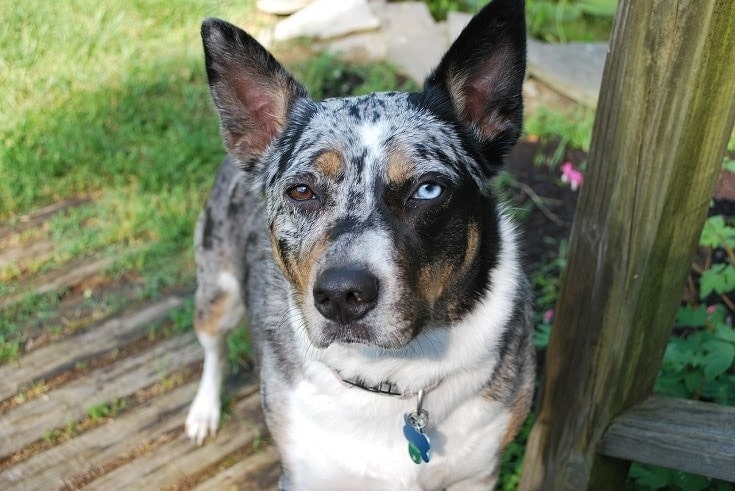
6. Koolie
Breed Overview
Height:
Weight:
Lifespan:
The Koolie is a hardworking and versatile herding dog. They are renowned for their intelligence, agility, and tireless energy. Koolies are a healthy breed with a long lifespan, but they need plenty of physical and mental stimulation.
These dogs form strong bonds with their families and can become a little destructive if they’re left alone for too long. If you work from home, this likely won’t be an issue. But if you’re gone most of the day, be prepared for behavioral training.
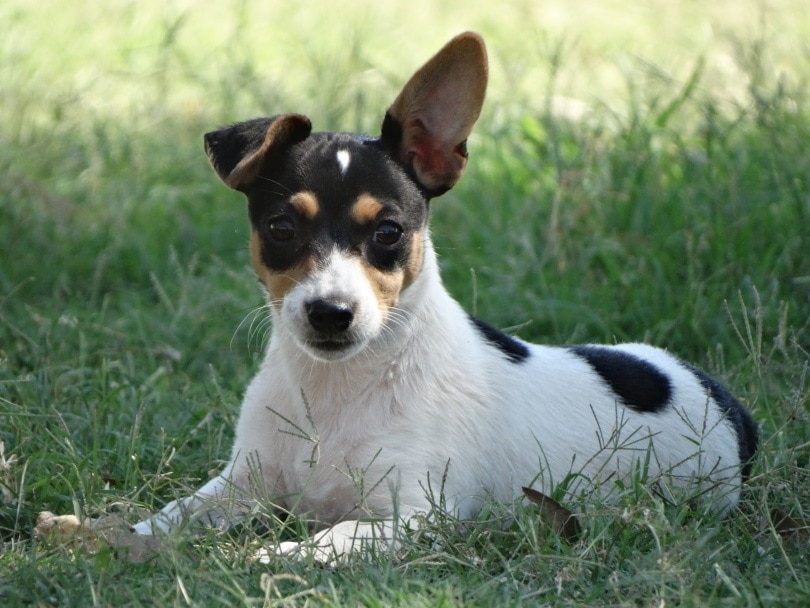
7. Miniature Fox Terrier
Breed Overview
Height:
Weight:
Lifespan:
The Miniature Fox Terrier is a small, lively, and courageous breed. Originally bred for hunting rodents, they have a keen instinct and high prey drive. Despite their size, these dogs are fearless and always ready for an adventure.
They are great with kids and make excellent family pets, but they might chase smaller pets due to their hunting background. Fortunately, early socialization can prevent this from being a problem in most Mini Foxies.
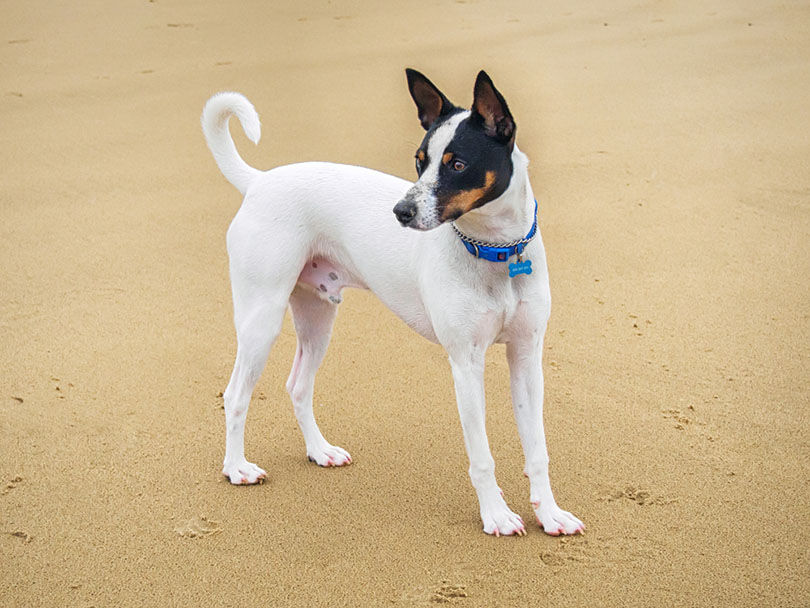
8. Tenterfield Terrier
Breed Overview
Height:
Weight:
Lifespan:
The Tenterfield Terrier is a small, agile, and sturdy dog with an upbeat personality. They were bred as a vermin exterminator, which explains their strong prey drive. These dogs are intelligent, easy to train, and good with children.
As a family dog, Tenterfield Terriers are a good fit. What’s more, their compact size makes them great for apartment living. That said, they still need plenty of exercise.
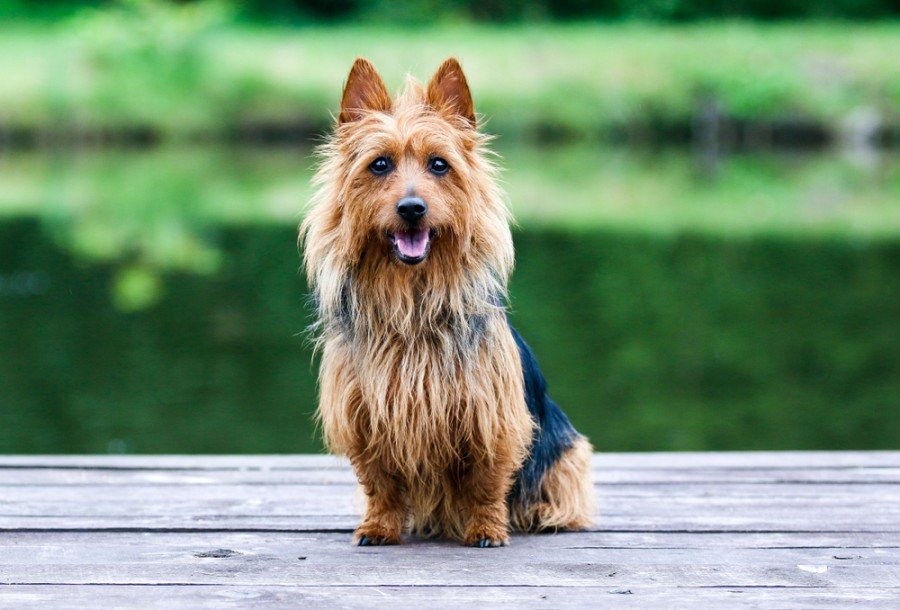
9. Australian Terrier
Breed Overview
Height:
Weight:
Lifespan:
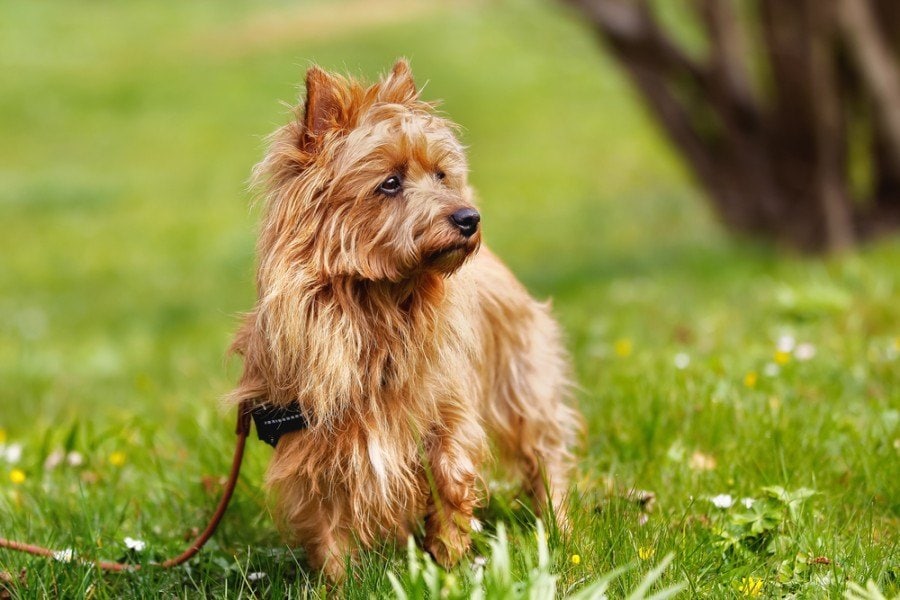
The Australian Terrier is one of the smallest working terriers. This breed is energetic, courageous, and intelligent. Bred for herding and guarding, they still carry these instincts in the modern era.
They are confident and spirited, making them excellent watchdogs. Regular exercise and mental stimulation are crucial to keep these terriers happy and healthy.
10. Australian Labradoodle
Breed Overview
Height:
Weight:
Lifespan:
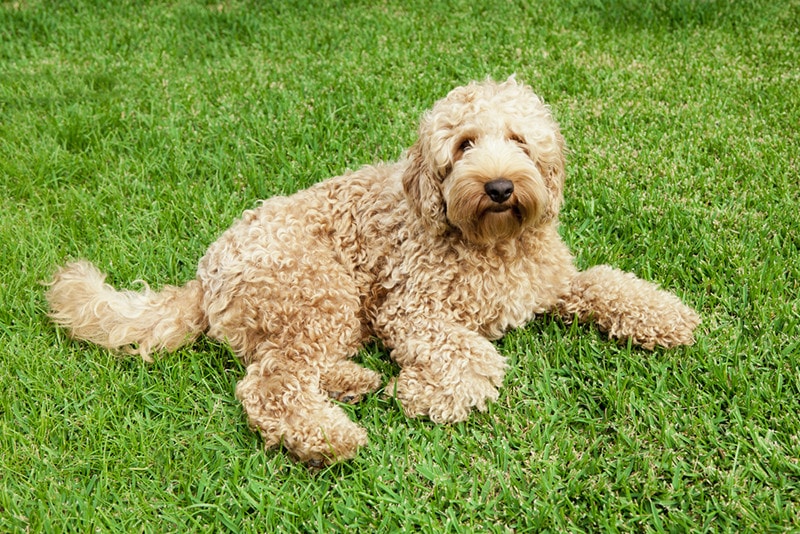
The Australian Labradoodle is a crossbreed, originally developed for companionship and to be hypoallergenic guide dogs. They are cheerful, intelligent, and affectionate. Their beautiful curly or wavy coats can be a variety of colors.
This mixed breed gets along well with children and other animals, making the Australian Labradoodle an excellent family pet. However, they need regular grooming to maintain their coat, so you’ll want to either do it yourself or factor professional grooming into your pet’s budget.
11. Dingo
Breed Overview
Height:
Weight:
Lifespan:
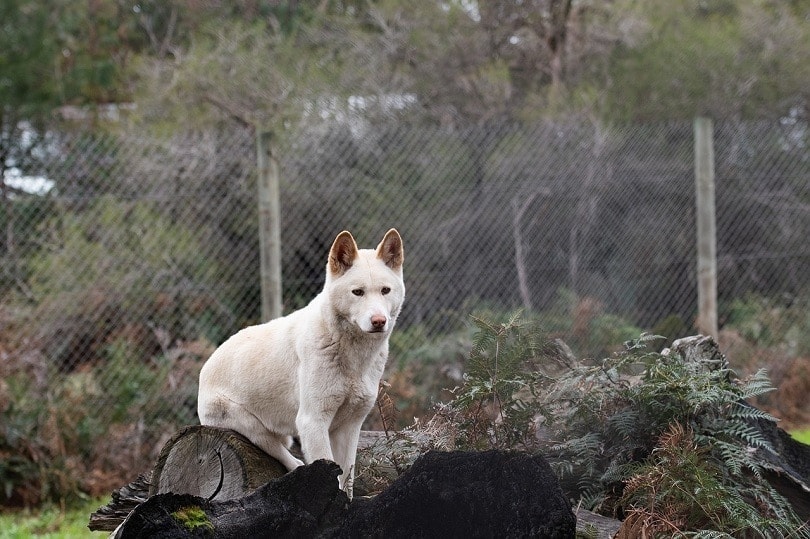
And lastly, we have the Dingo. This iconic Australian breed is a natural hunter with a lean, hardy body. They are independent, intelligent, and a bit aloof. As wild dogs, they require an experienced handler and aren’t typically recommended as pets.
That said, it’s clear that Dingos, under the care of an owner, live considerably longer than those in the wild. The difference is remarkable, in fact. Those left in the wild have an average lifespan of 3 to 5 years, whereas Dingos under human protection can live as long as 16 years!
Best Care Tips for Your Australian Dog Breed
Caring for an Australian breed dog involves meeting their unique needs to ensure they live healthy, fulfilled lives. Here are some general care tips that are universal among all dog breeds:
1. Regular Exercise and Mental Stimulation
Many Australian dog breeds, such as the Kelpie and Cattle Dog, were bred for demanding physical work. Therefore, they require plenty of exercise to keep them fit and happy throughout their lifetime.
Remember, it’s not just about physical exercise; mental stimulation is equally important. Use interactive toys, puzzle feeders, and obedience training to keep their minds sharp.
2. Balanced Diet
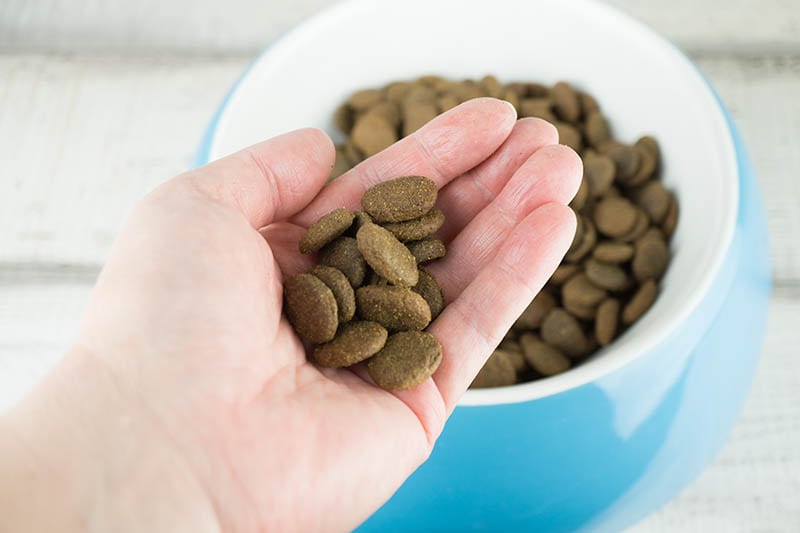
Ensure your dog receives a balanced diet suitable for their size, age, and activity level. High-energy breeds may require a diet high in protein. Always consult with your vet for the best dietary recommendations for your specific breed.
3. Grooming
Grooming needs vary between breeds. Australian Silky Terriers and Australian Labradoodles, for example, require regular grooming to keep their coats looking their best. Even breeds with shorter hair, like the Australian Cattle Dog, benefit from regular brushing to keep their coats healthy and reduce shedding.
4. Regular Vet Check-ups
Regular vet check-ups are essential to monitor your dog’s health and catch any potential issues early. Ensure your pet receives regular vaccinations and parasite control treatments.
5. Training
Many Australian dog breeds are smart and love to please, which makes them relatively easy to train. Positive reinforcement training methods work best. Remember, consistent training from a young age is crucial for good behavior in the future.
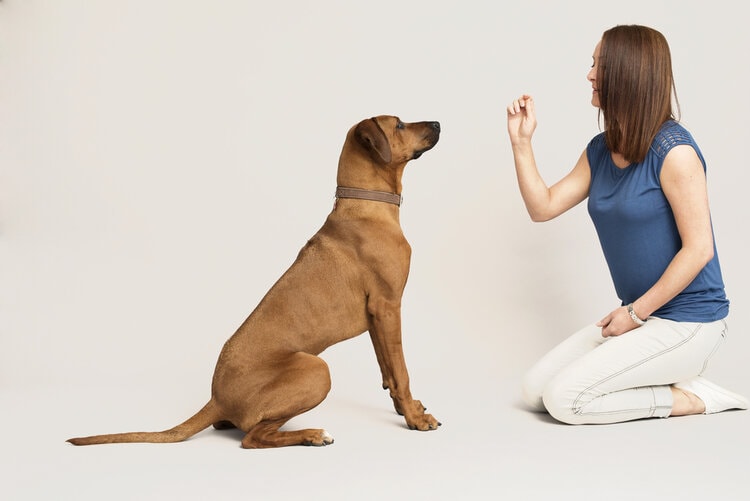
6. Socialization
Early socialization is vital, especially for breeds with strong hunting or herding instincts. Expose your puppy to a variety of people, places, and situations to help them grow into a well-adjusted adult dog.
7. Provide Companionship
Finally, remember that dogs are social creatures. They crave companionship and don’t do well if left alone for long periods. Spend quality time with your Australian breed dog, and you’ll be rewarded with unwavering loyalty and affection.
No matter which Australian dog breed you choose, they’re sure to bring joy, adventure, and a touch of the Australian spirit into your life. Remember, the key to a healthy, happy dog is a loving, committed owner.
In Conclusion
Australia is home to a multitude of fascinating dog breeds. From the agile Kelpie to the affectionate Australian Labradoodle, you have a lot to choose from. Remember, owning a dog is a long-term commitment.
To ensure you can provide the love and care they deserve, pay close attention to each breed’s needs. Then, consider your lifestyle to see if it’s compatible with the breed you have in mind. With careful planning, you can be sure to make a smart decision.
See also:
Featured Image credit: K.A.Willis, Shutterstock
Get Hepper In Your Inbox


Pet care tips from our vets and experts, straight to your inbox.
You may opt-out at any time. View our Privacy Policy for more information.

Nicole is a lover of animals of all sizes but is especially fascinated with the feline variety. She’s the proud mom of Baby, a Burmese, and works every day so he can relax in the sunshine or by the fire. She’s always had a cat in her home and has spent countless days with others, observing behaviors and softening up even the grouchiest of the lot. Nicole wants to share her kitty expertise with you so you and your cat can live happy, healthy, and care-free.
Join the conversation
Ask a question, share your story, or send private feedback.