Hepper is reader-supported. When you buy via links on our site, we may earn an affiliate commission at no cost to you. Learn more.
What’s the Best Dog Breeding Age For Males & Females? Vet-Reviewed Facts & FAQs


In this article
Making the decision to breed your dog is serious and a choice that needs to be justified, well-planned, thought through, and made with the right preparations. There are so many things to consider, especially if you plan on establishing yourself as a breeder. Breeding requires a lot of independent research, consulting with a vet, and continuous time, dedication, and financial investment into the health of your animals.
Breeding is about being responsible and ensuring the health and welfare of a certain dog breed, also considering growing pet overpopulation and abandonment issues across the world.
One of the many questions that come up with the topic of breeding is age, which is still a hotly debated topic in the dog breeding world. If you have a purebred dog or puppy that you plan on breeding but you're not sure how old he or she should be, read on to find out if your dog is ready.

Should You Actually Breed Your Dog?
We can all agree that puppies are super cute. However, they do grow up too quickly. A very important and complex question remains: should you breed your dog at all? Today, animal shelters are overpopulated and overwhelmed with abandoned and unwanted dogs, many of which get put to sleep. By breeding dogs, we may contribute to the issue of pet overpopulation, but a bigger concern exists in the case of irresponsible breeding of unhealthy or unfit animals. It’s important to raise awareness about adoption and rehoming dogs in need, as well as responsible and ethical dog breeding with the focus on animal health and welfare.
Neutering dogs that are not intended or fit for breeding is strongly recommended as it may help to control pet overpopulation on a large scale and will protect the dog against several health issues they may otherwise be at high risk of developing, such as mammary tumors and pyometra in female dogs. Pyometra is an infection of the uterus that may lead to sepsis, irreversible kidney damage, and even death if left untreated.
If you’ve done your research and have decided to consider breeding your dog, speak to your vet next to ensure they are fit and healthy for breeding and maintaining a pregnancy. If they have any health issues that may be heritable, they should not be bred, as these will be passed onto the puppies. There are certain breed-specific blood tests and evaluations, such as hip and elbow scores and ocular exams, that every dog should undergo before being considered for breeding to ensure they will not put their offspring at risk of any breed-related health issues. This is responsible breeding that ensures the health and welfare of the breed going forward. Dogs that don’t get a clean bill of health shouldn’t be bred, as the resulting litter may have unhealthy puppies, which leads to deteriorating breed health and welfare issues.
What Is a Good Age to Breed a Female Dog?
First and foremost, female puppies should never be bred on their first heat. The reason is that they're still maturing sexually and physically, so it can cause a laundry list of health issues for both the mom-to-be and the unborn puppies. Most vets recommend waiting until the second or even third heat, depending on the dog’s breed and size, as this will dictate when they’re fully grown.
First Heat vs. Second or Third
Female dogs usually start their cycle at around 6 months of age, though smaller breeds mature quicker, and larger breeds can take up to two years for their first heat. Some people take the first heat as a sign that their female dog is ready to breed, but that’s far from the truth. Most puppies can experience their first heat even earlier than 6 months, but they’re still growing and developing and should not be bred at this time.
Responsible breeders and vet professionals recommend waiting for the female to be fully grown and developed in order to prevent litter issues and health issues in the mother. Some vets even argue that waiting until the female has two normal heat cycles ensures that the female’s reproductive system is functioning properly. The bottom line: breeding a female dog at too young an age can cause significant health issues for her and the puppies, so it’s best to wait until your dog is physically ready before breeding.
When to Stop Breeding a Female
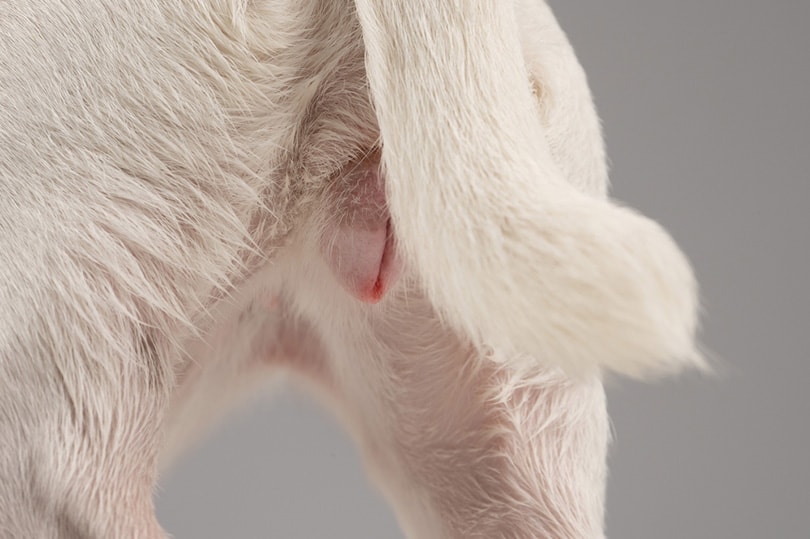
While most people ask how young you can breed a female dog, the opposite question is just as important. Most female dogs should stop breeding at around the age of five to seven years, depending on the breed of the dog and previous pregnancies, but they don’t get menopause as human females do. Most breeders stop breeding after the female is in the early stages of her late adult years or after she’s had a maximum of four litters. This is considered best practice and AKC will not accept registration of litters from female dogs older than 12 years.

What Is the Best Age to Breed a Male Dog?
Male dogs can start breeding at an earlier age than females, from around 7 to 12 months. AKC only accepts litters from male dogs that were 7 months or older at the time of mating. Ideally, it’s best to wait until the male dog is at least 1 year old to ensure he is fully mature. Just like with female dogs, the age of maturity depends on size and breed. Male dogs don’t normally lose their fertility, but the sperm count can drop and be of reduced quality once he reaches his senior years.

When to Stop Breeding a Male
There are many reasons to stop breeding a male, between age, health, and temperament. Some male dogs may change their behavior or sometimes get more aggressive around other males after they’ve mated, so that alone could be a reason to stop. Age and health are other factors since the act of mating does take stamina, and it could become a safety issue. While female dogs should stop breeding after a while, most males can generally keep breeding for years.

Best Dog Breeding Age: Factors to Consider
Size of the Dog
Your dog’s size and breed can clue you in on when he or she will mature, though it still varies with individual dogs. Small dogs tend to mature quicker than large dogs, especially the giant-sized breeds that take 2 years to fully mature and stop growing.
Health
Your dog’s health, whether male or female, will help you determine if he or she is ready for breeding. Some dogs may not be able to breed safely, so it’s important that health is also considered as well as age. Never breed a dog without clearing it with a vet first, who will ensure your dog's safety is the top priority and that they are able to produce healthy offspring.
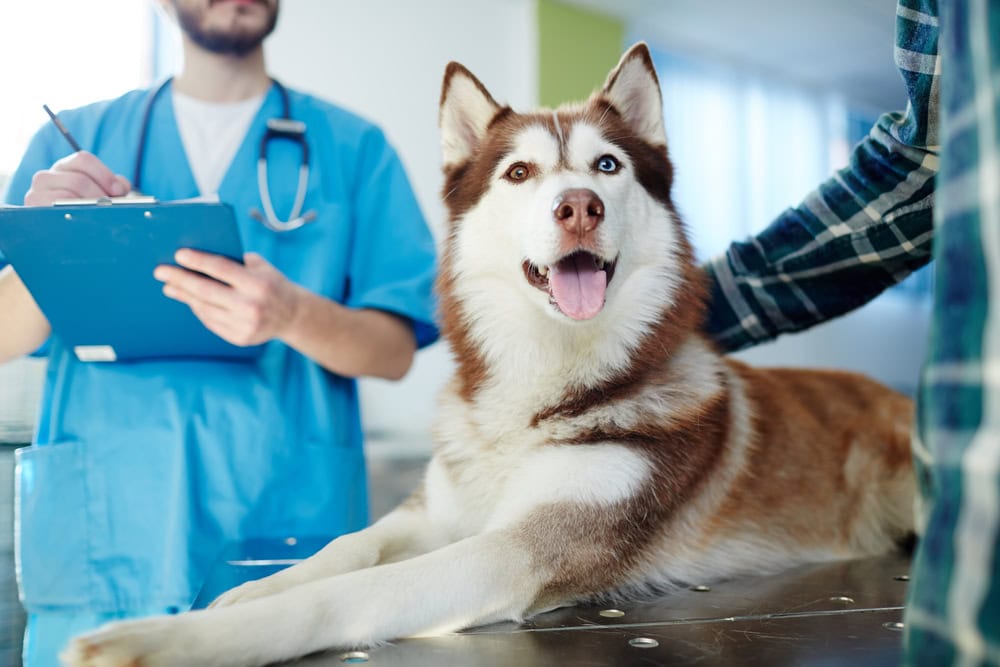
Other than making sure your dog has a normal conformation for the breed and is healthy and fit for breeding, it’s crucial to get them checked out by your vet. Your vet will perform health testing and various scoring evaluations, such as elbow and hip scores and ocular and heart checks, alongside certain genetic testing specific to each breed to ensure your dog does not have any underlying health issues or unfavorable genes that they will transfer to their offspring. This is the most important aspect of responsible breeding, as otherwise, the puppies may carry genes that will cause further breed health deterioration, and they may develop significant health issues throughout their lives, ending up having a poor quality of life.
Breeding dogs is a big responsibility and requires a lot of knowledge, experience, time, dedication, and financial investment in your dog’s health testing and ongoing vet checks to make sure the puppies are healthy and contributing to the overall breed health and quality.
Genetic Disposition
Genetics is a major part of dog breeding, which many tend to ignore. If your dog has a reactive and unpredictable temperament, breeding from them is not recommended. Puppies take on a lot of their parents’ traits, so breeding a dog with temperament and underlying health issues or predispositions to poor health should be strongly discouraged and may even be subjected to fines in some countries. Anyone who wants to breed their dog should consult with a vet first and familiarize themself with and follow USDA licensing rules and AKC guidelines.

Conclusion
Breeding your dog is a big responsibility with lots of requirements, not just for the individual animal but also for the overall breed and growing dog population, and it should not be rushed or done without speaking to a veterinarian first. All of the health and genetic testing is performed to make sure both dogs involved will be safe and will not transfer any unfavorable traits or underlying health conditions to the puppies, putting their health and welfare at risk. Your dog's health is very important, whether you're breeding a male or female. Knowing what age is appropriate to start breeding your dog is extremely important, especially with larger breeds that take longer to mature. When in doubt, consult with a veterinarian to make sure your dog is ready.
Sources
Featured Image Credit: dezy, Shutterstock
Get Hepper In Your Inbox


Pet care tips from our vets and experts, straight to your inbox.
You may opt-out at any time. View our Privacy Policy for more information.
Nicole is a lover of animals of all sizes but is especially fascinated with the feline variety. She’s the proud mom of Baby, a Burmese, and works every day so he can relax in the sunshine or by the fire. She’s always had a cat in her home and has spent countless days with others, observing behaviors and softening up even the grouchiest of the lot. Nicole wants to share her kitty expertise with you so you and your cat can live happy, healthy, and care-free.
Join the conversation
Ask a question, share your story, or send private feedback.