Hepper is reader-supported. When you buy via links on our site, we may earn an affiliate commission at no cost to you. Learn more.
How to Get Your Cat Used to a Collar: 5 Vet-Approved Steps


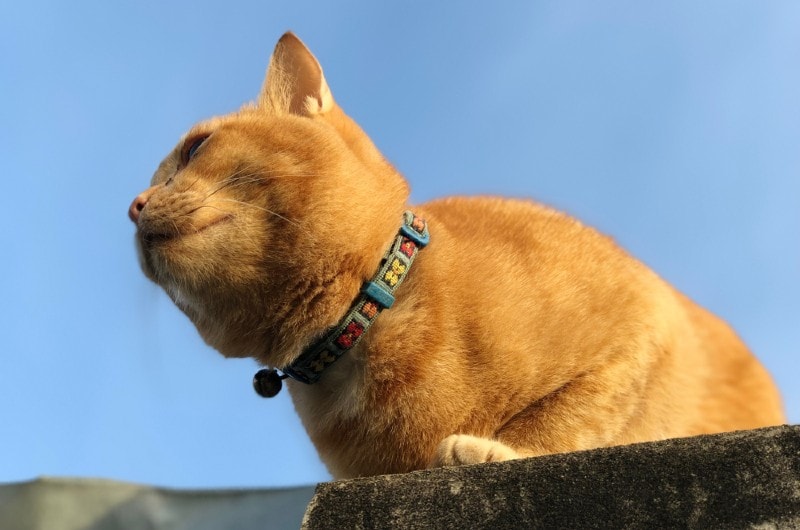
Cats are known for being aloof, independent creatures. These intelligent animals are also notoriously suspicious of anything they deem as a threat to their sovereignty. This is why trying to get your cat to wear a collar can prove to be quite the challenge.
Keeping your cat safe and happy requires you to take a few proactive steps when it comes to their safety and well-being. In order to ensure that your furry friend always has someone looking out for them, getting them used to a collar is of the utmost importance. It might seem like an uphill battle at first but trust us when we say that it gets easier once you put your mind to it.

Why You Should Get Your Cat Used to a Collar
Cats are known for patrolling their neighborhoods, if you have an "outside cat" there is always the possibility that they don’t return home when you want them to. This can pose a big problem if you live in an area that has a large population of stray animals or you are worried for their wellbeing.
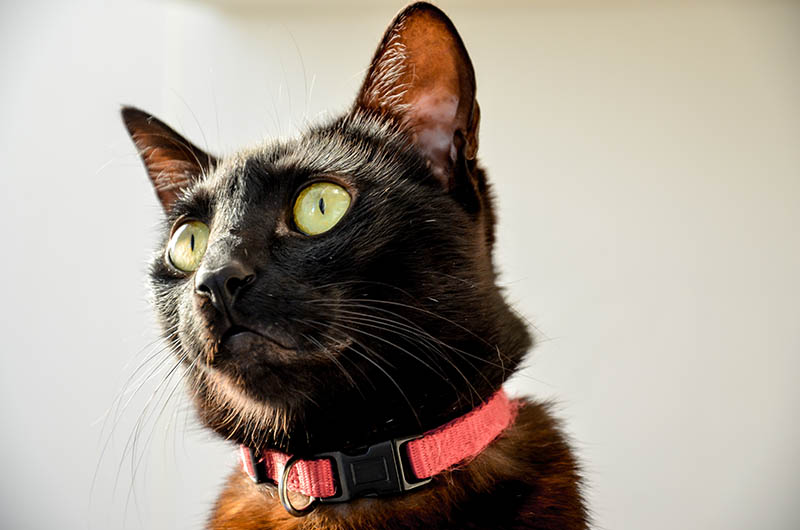
The best way to make sure you get your cat back if they go wandering is to have them wear a collar. When your cat wears a collar, it is like wearing a name tag that tells potential good Samaritans that your cat belongs to someone. It also allows you to include your contact information so that anyone who finds your cat knows who to return them to. They can also include important information about health conditions so that they can quickly be treated.

The 5 Easy Steps for Getting Your Cat Used to a Collar
1. Start Indoors

The first thing you should do is get your cat used to wearing a collar indoors. This will allow you to test your cat’s temperament around the item without having to worry about them escaping while they’re outside. Start by getting a collar that’s comfortable and lightweight.
Place the collar on the floor or surface where your cat can investigate it and offer them treats for doing so.
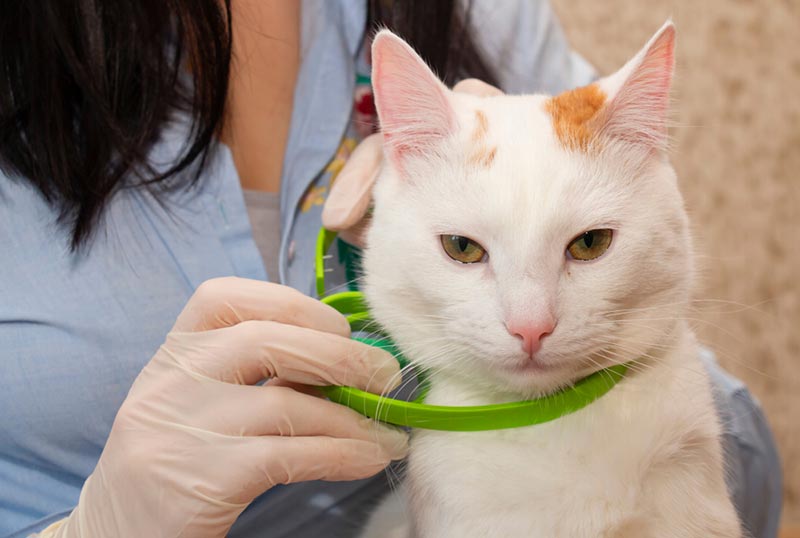
Next, put the collar on your cat and leave it on for no more than a few minutes at a time. It is natural for your cat to have a scratch at the collar as they are not used to feeling something on their necks. This should settle down fairly quickly.
If your cat seems to adjust to the collar, slowly increase the amount of time you leave the collar on. If your cat seems anxious or stressed, take the collar off and try again another day.
Spraying a feline-calming pheromone on the collar may help your cat to accept the collar more quickly.
2. Don’t Rush It
When you’re starting off with the training process, don’t rush it. Your cat will pick up on any impatience you have and will start to associate the collar with stress and discomfort. You don’t want your cat to associate the collar with anything other than comfort and security. If you notice that your cat is starting to become stressed, take the collar off and try again the next day.
3. Reward Behavior You Want to See

If you see your cat doing something positive, reward the behavior. For example, if your cat doesn't bother the collar once you place it around their neck, offer them a small treat as a reward for being compliant with the training process. By offering your cat treats when they’re behaving appropriately, you’re teaching them to associate positive feelings with the collar.
Once your cat associates the collar with good feelings, it’ll be much easier to get them to adjust to wearing the collar on a regular basis. Cats are creatures of habit, so if they pick up on the fact that they always receive a treat when they’re wearing the collar, they’ll likely become more compliant with the item in general.
If you are struggling to get the collar on in the first place try a lick mat with a favorite food on to keep them distracted and still while you slip the collar on.
4. Try the Collar Outdoors
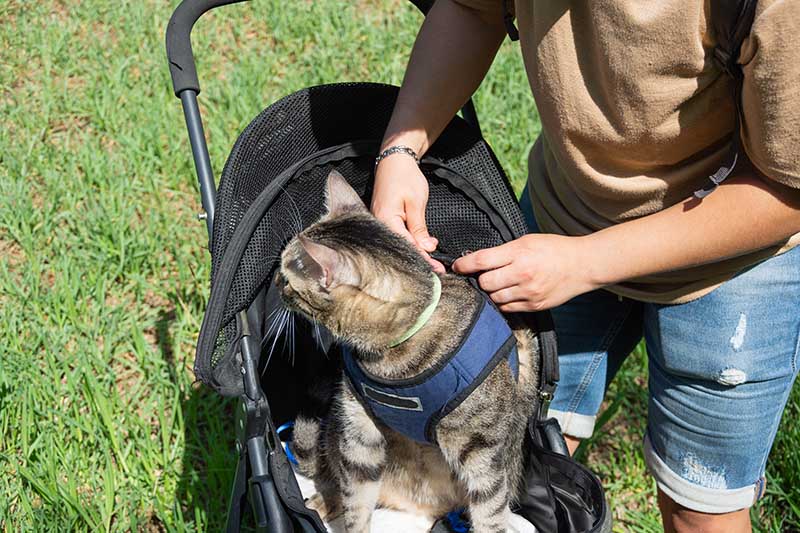
Once your cat seems comfortable with the collar while indoors, it is time to try the collar outside. Before you take the collar outside, make sure the clasp is completely closed and there is no risk of the collar slipping over their heads if they try to push it off. It should be fitted with a quick-release clasp in case they become stuck with the collar while out and about.
5. Let Your Cat Roam Free While Wearing the Collar

Once your cat seems completely comfortable with the collar and is letting you put it on them without any issues, you can begin letting your cat roam free while wearing the collar. This step is the most important part of the training process since it’s where you’re testing your cat’s reaction to the collar.
If you feel that your cat is ready to roam free while wearing the collar, make sure you keep an eye on them and are ready to intervene if necessary.
The 5 Most Commonly Used Types of Cat Collars
Today there are more different types of cat collars than ever before. So, finding one that works perfectly for your specific feline should be easy, but you still need it to acclimate the cat to wear it.
1. Regular Collar with ID Tag
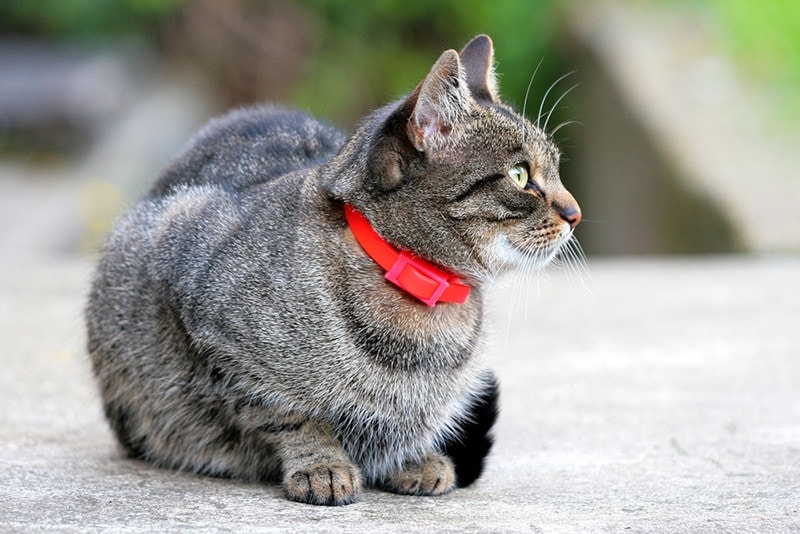
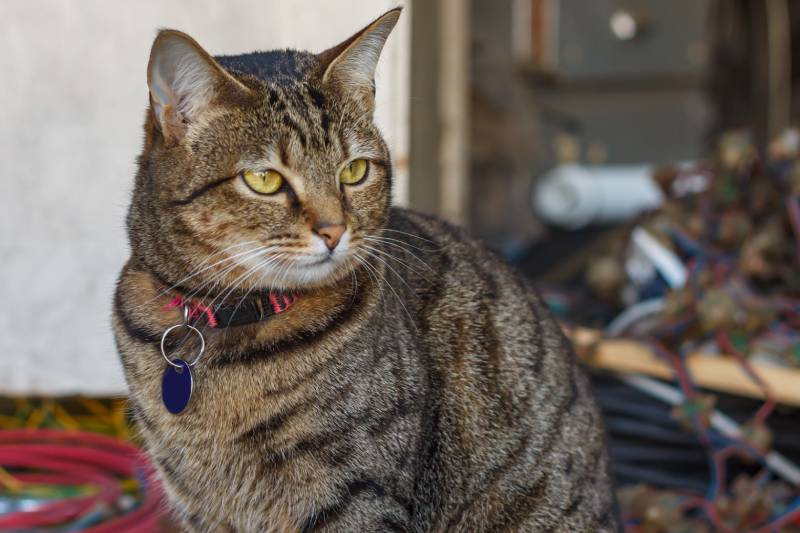
A regular collar with an ID tag is the most basic cat collar available. It can help you identify your pet in case it gets lost. You may choose to write your pet’s name and address on the ID tag or get a personalized one.
A basic collar with an ID tag around your kitty’s neck is all you need. A regular collar is best for kittens because they can outgrow a basic collar in a few months. You can buy a bigger size when your kitten grows up. If your feline is an outdoor cat, you may want to get a collar with a breakaway buckle. This type of buckle opens up and falls off your cat when it comes into contact with something to keep them from getting snagged.
2. Smart Collar
A smart collar is an excellent choice for pet owners who want their cats to be connected to them at all times. You can set reminders for feeding and medication, track your cat’s location, and much more.
You can even set it to alert you if your kitty leaves the house. A smart collar is best for indoor/outdoor cats since it can track their location. However, it's more useful for people who are often away from home. A smart collar will help you keep track of your kitty even when you are not at home.
3. Decorative Collars
There are many accessories these days for fashion-conscious owners. Cat collars are a cute way to customize your kitty’s look. From bandanas to bowties, bells and flowers the possibilities are endless. Have fun looking to coordinate outfits or get them ready for the holidays.
4. Calming Collars
It may have been recommended that your cat wear a calming collar to help with anxiety. These are useful in times of disruption such as holidays and moving house, with changes such as a new pet or visitors and when they first come to live with you. They contain feline facial pheromone which helps cats to feel calmer and reassured in their environment. They usually last for 1 month and can be replaced after this time.
5. Microchipping (Collar Alternative)
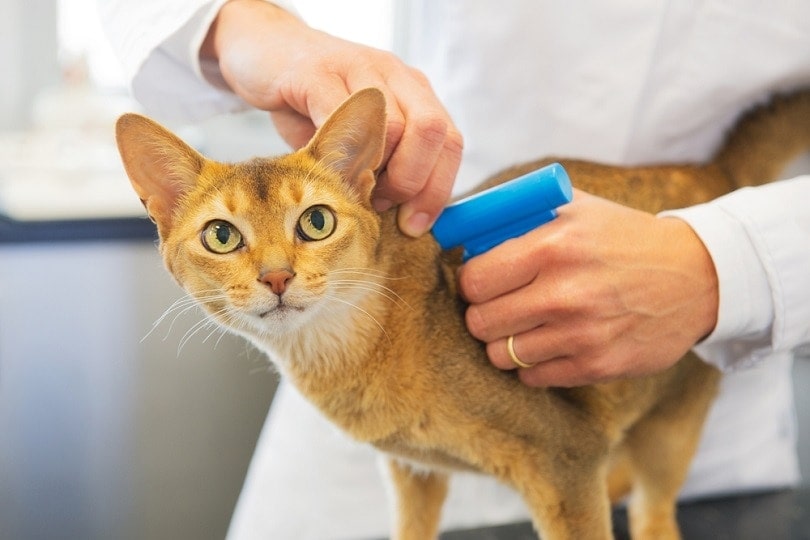
Don't want to use a collar? Well, you can microchip your cat instead. Microchips are tiny capsules about the size of a grain of rice that are injected under the skin between the shoulder blades. Every chip has a unique ID number which can be read using a scanner. This information can then be matched with owner information in an extensive database. If your cat is microchipped, make sure you update the contact information in the database. They can provide verifiable legal proof of ownership in the event that your pet is stolen or missing and picked up by someone. It's recommended to use both a collar and a microchip. The microchip will provide backup information should the collar have fallen off your cat.
Wrapping Things Up
A collar will allow someone to reunite your cat with you if they get lost. That being said, actually getting your cat used to a collar is important for their safety and well-being.
It's important to remember that cats are creatures of habit and if you try to rush the process, your cat might get stressed out and never get used to the collar. Stay consistent with the acclimatization process and offer your cat treats as a reward for being compliant with the collar. It's recommended that your cat has a microchip and a collar.
Featured Image Credit: wimala namket, Shutterstock
Get Hepper In Your Inbox


Pet care tips from our vets and experts, straight to your inbox.
You may opt-out at any time. View our Privacy Policy for more information.
Nicole is a lover of animals of all sizes but is especially fascinated with the feline variety. She’s the proud mom of Baby, a Burmese, and works every day so he can relax in the sunshine or by the fire. She’s always had a cat in her home and has spent countless days with others, observing behaviors and softening up even the grouchiest of the lot. Nicole wants to share her kitty expertise with you so you and your cat can live happy, healthy, and care-free.
Join the conversation
Ask a question, share your story, or send private feedback.