Hepper is reader-supported. When you buy via links on our site, we may earn an affiliate commission at no cost to you. Learn more.
How To Calm a Cat for a Bath: 10 Vet-Approved Ways


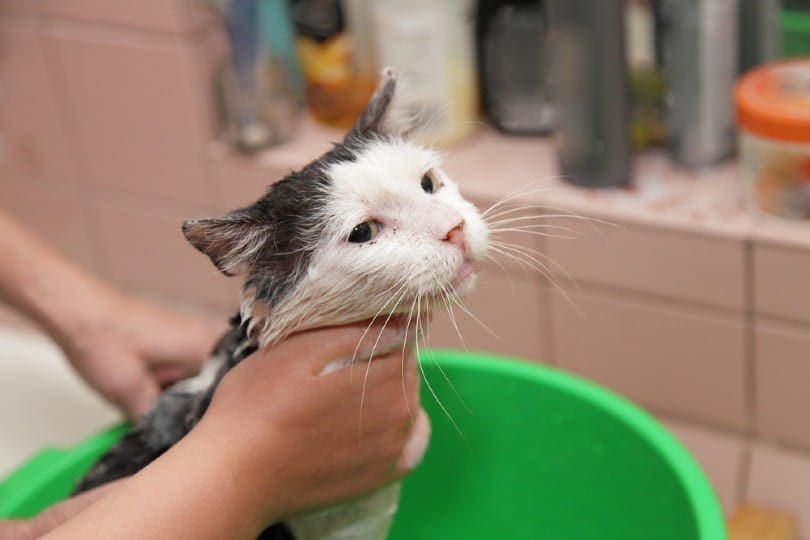
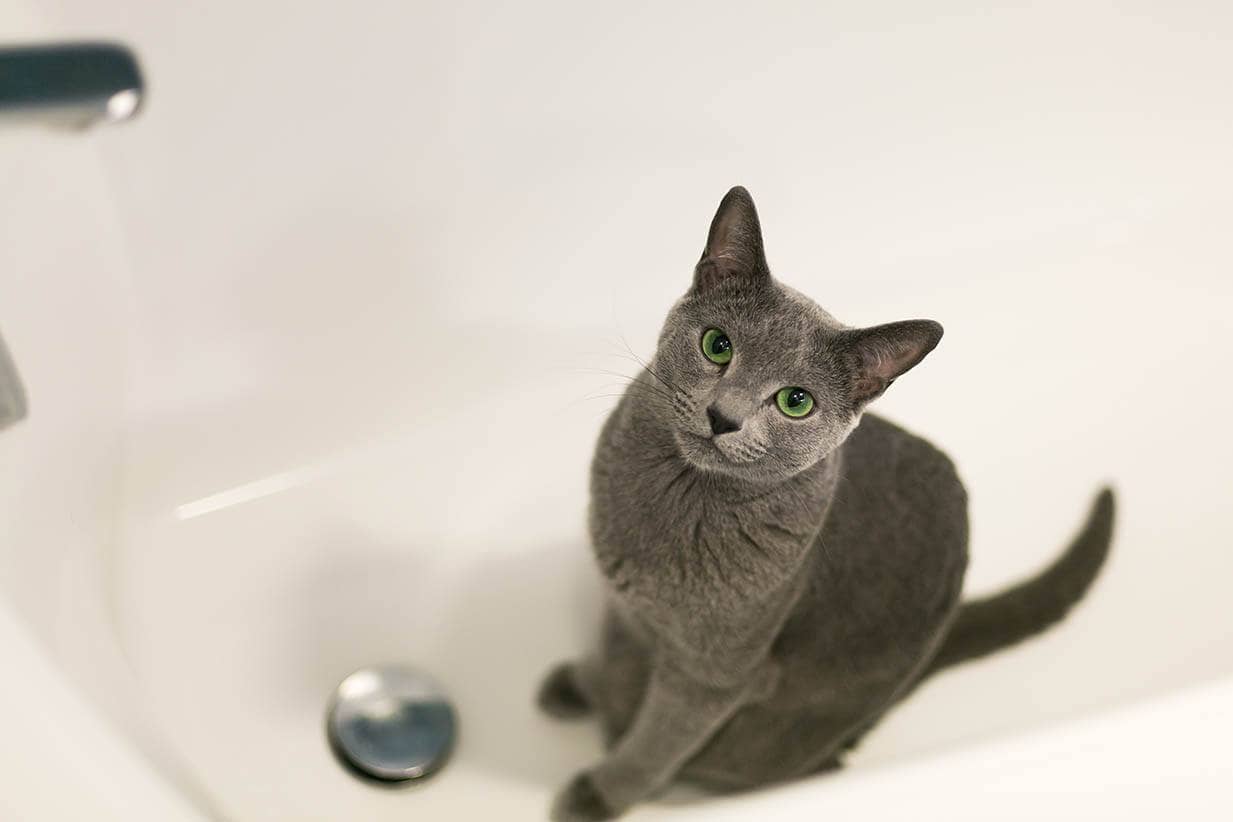
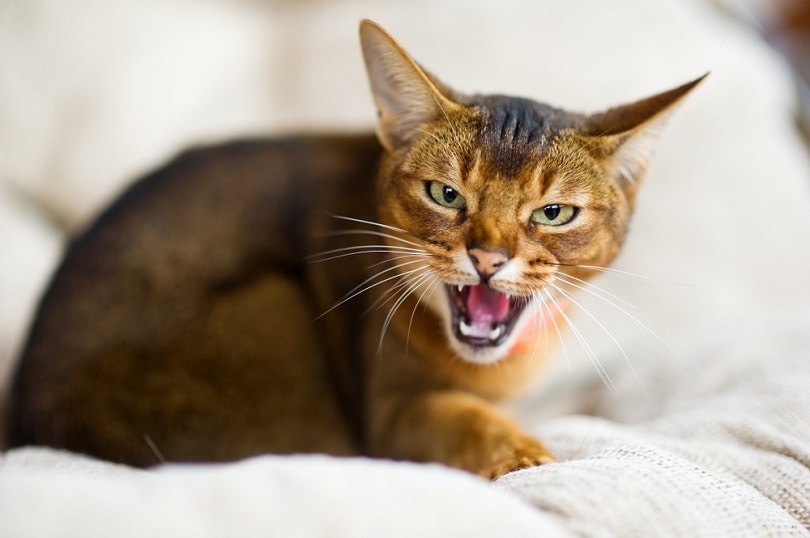
While some cat breeds are known to enjoy playing with water, most cats don’t tend to enjoy taking baths. Baths can be challenging if you have a squirmy cat, and it can also get dangerous if the claws come out.
To make bath time easier and safer for both cats and their owners, it’s best to train your cat incrementally to get it used to the water. However, if you’re in a pinch, here are some quick tricks you can use to keep your cat calm.

The 10 Ways To Calm a Cat for a Bath
1. Play With Your Cat Beforehand
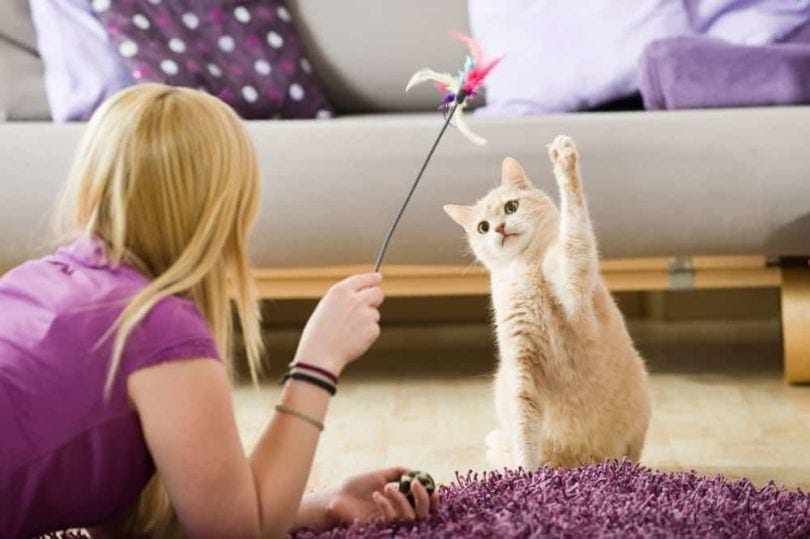
A good play session can help expend your cat’s energy. In general, cats with pent-up energy can start to experience boredom and exhibit behavioral issues, so it’s important to keep them active.
By encouraging your cat to exercise and play before taking a bath, you can help them release any energy. This can result in an overall calmer cat. Your cat may also feel less motivated to resist. Just make sure to provide plenty of time for your cat’s excitement level to go down before you transition it to bath time.
2. Avoid Bath Time During Dawn and Dusk
Cats are most active during dawn and dusk, and some kittens may stay up late at night. It will be more difficult to keep your cat calm in a bathtub during these parts of the day because it’ll probably want to spend its most active hours doing something more fun or productive them, like playing or eating.
If you have some time, try to observe and look for patterns of when your cat is least active or napping. Then insert bath time during these parts of the day.
3. Use a Lick Mat
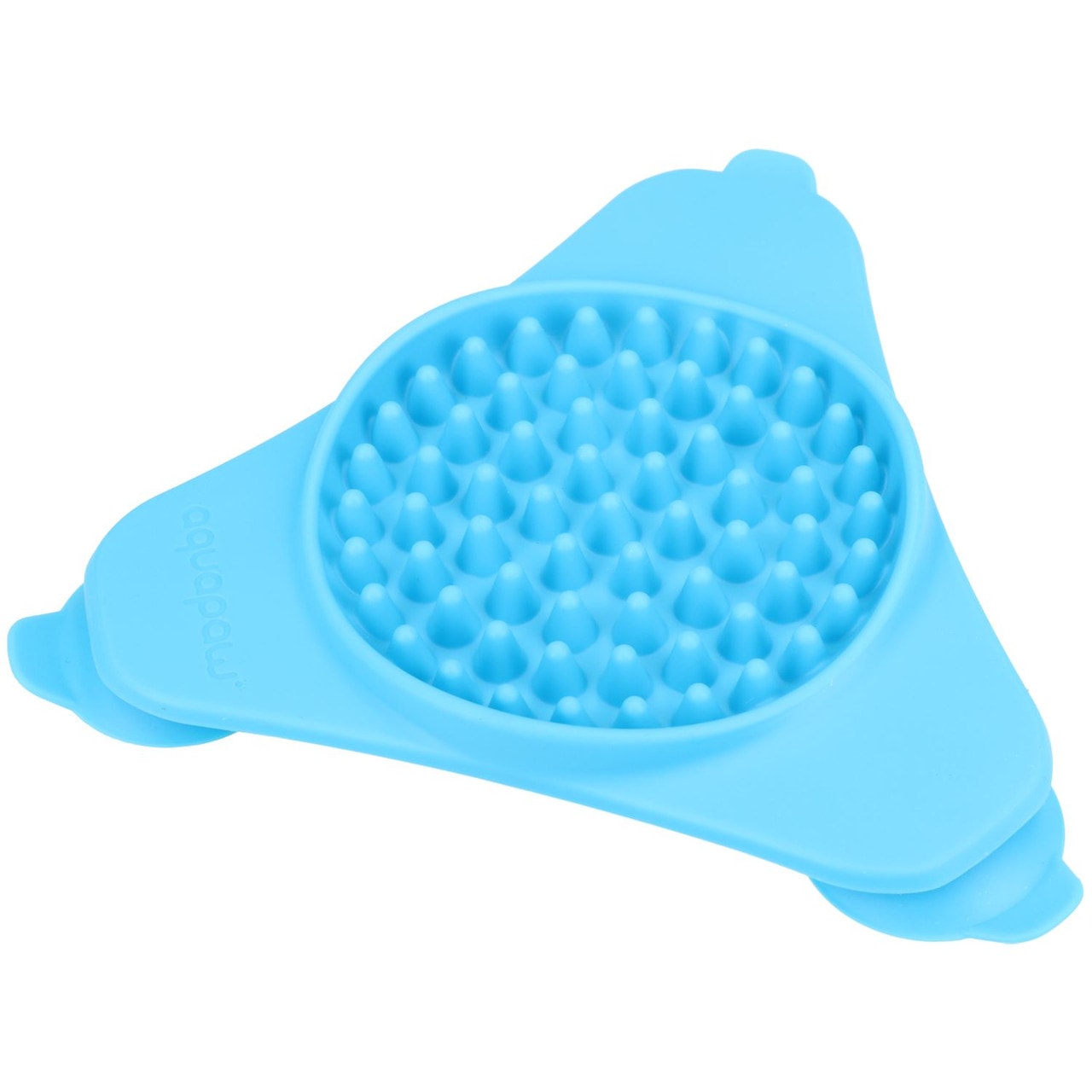
A lick mat can be a helpful bathtime aid because it distracts your cat while keeping your hands free. Some lick mats are designed specifically for bath time and have suction cups that attach to walls or the side of bathtubs.
You can fill the lick mat with your cat’s favorite treats or wet food and put it inside the bathing area. This can also help create a positive association with baths. Occasionally filling up the lick mat and leaving it in the bathing area outside of bath time can further help cats become more comfortable with this space.
4. Use a Calming Spray
Some cats react well to calming sprays, so spraying the bathing area before a bath can help them stay calm. Most cat calming sprays use ingredients that mimic a mother cat’s natural pheromones. These pheromones can help cats feel safe and secure and reduce stress levels.
When using calming sprays, make sure to spray multiple parts of the bath area since water can wash them off. You can also spray a piece of cloth or another object and keep it near the bath area. Just make sure that the object isn’t something enticing, like a toy.
5. Stay Calm

Cats are extremely observant animals and can recognize certain human emotions. So, expressing frustration or anger can further exacerbate any anxiety or unease that your cat feels.
Staying calm may not cause your cat to remain calm, but it won’t add to or exacerbate any resistance your cat is already displaying. The last thing you want is to reinforce a negative association with bath time. So, remaining calm and reassuring is a good way to prevent any additional factors that can irritate your cat.
6. Use Cat-Friendly Shampoo
Something as simple as using the right shampoo can help your cat immensely. To make bath time as painless as possible, find a tearless shampoo that has a gentle, non-irritating formula. Some shampoos can be infused with catnip to help cats stay calm.
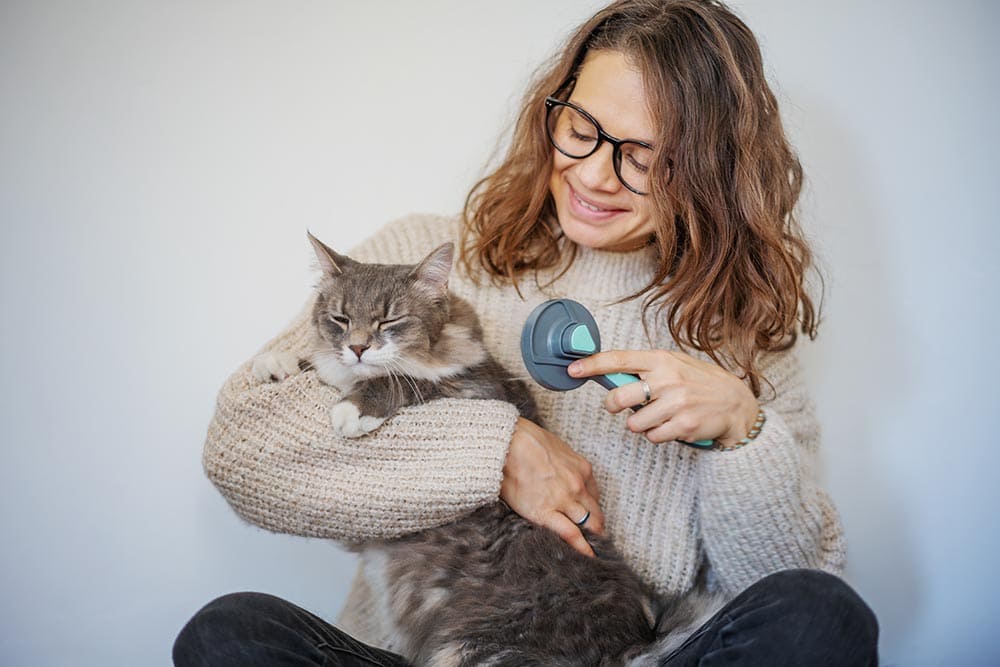
You can also use grooming gloves to lather and distribute the shampoo over your cat’s body. These gloves can protect your hands and also feel like a nice massage for your cat. They’re also great for lifting dirt off and undoing minor tangles.
7. Pour Water
A lot of cats don’t like standing in deep water. You can try to see if your cat is comfortable standing in a couple of inches of water. However, if they don’t like this, the pour-over method may be more helpful.
Before you pour water over your cat, make sure that the water is at a warm and comfortable temperature. Then, use a cup or scoop and allow the water to trickle over your cat gently. Installing a showerhead to your sink can also help with introducing water at a pace that is most comfortable for your cat.
8. Create a Catnip Bath
If you have a cat that loves catnip, a catnip-infused bath may help bath time be a little more enjoyable. Steep a spoonful of catnip in hot water and let it steep like tea. Then, add the catnip tea to the rest of the bathwater.
If your cat doesn’t enjoy standing in water, you can also add the catnip tea to a larger bucket of water and pour it over your cat.
9. Use a Rubber Mat or Smaller Tub
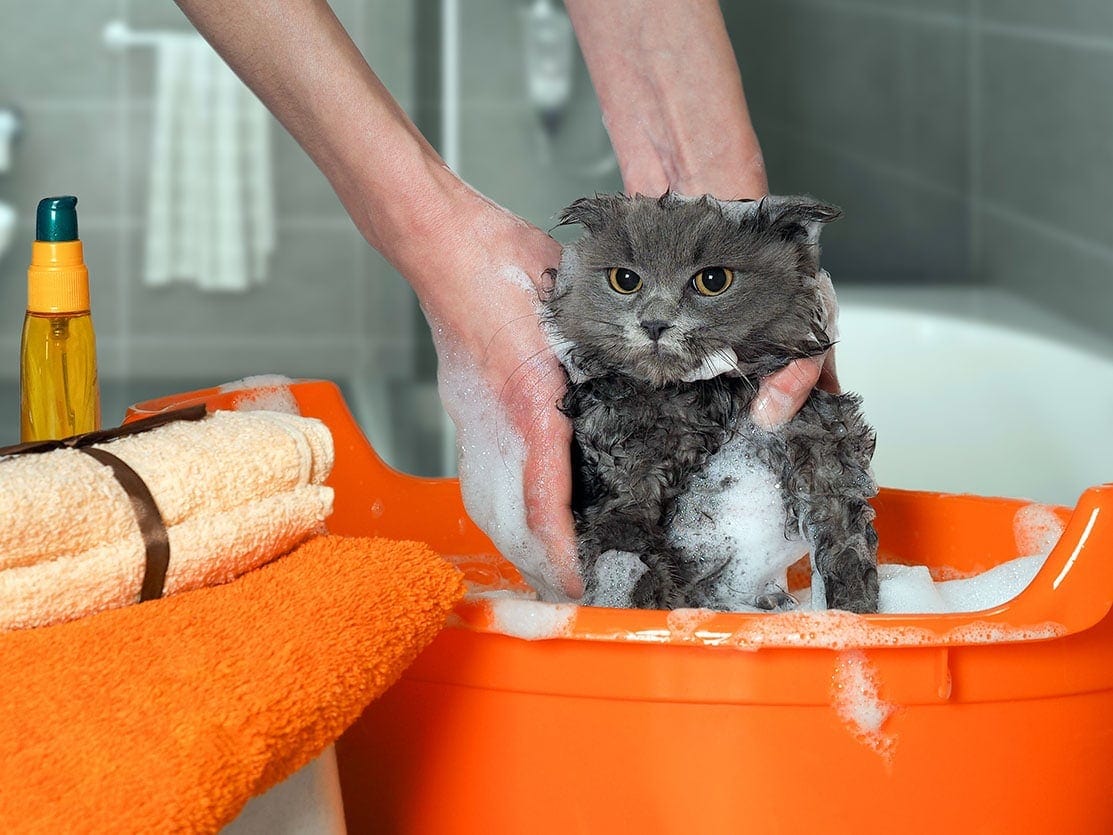
Standing on a slippery surface, such as a porcelain tub, can cause cats to become more anxious as they attempt to find a secure grip. So, having them stand on a rubber mat can help prevent them from scrambling and squirming around.
If you have a particularly tiny cat, using a smaller plastic tub can help keep your cat still. It can also help you have an easier time containing your cat.
10. Use a Cat Bathing Bag
Cat grooming and bathing bags are available if all else fails. These provide a safe and secure way to get your cat to the water or if you need to clip nails for example. They should be introduced calmly and before using them for a bath use them several times just to put your cat in and then stroke and give tasty treats. If your cat is showing signs of distress you should stop and try again another day.

Conclusion
There isn’t a silver bullet or quick fix for cats that don’t enjoy bath time. However, there are some concrete things that you can try to help your cat stay calm. You will most likely have to find a combination of tricks to use to make bath time less stressful.
It may take some time, but with some patience, creativity, and determination, you can develop a process that makes baths as quick and as easy as possible.
See also:
Featured Image Credit By: ilmarinfoto, Shutterstock
Get Hepper In Your Inbox


Pet care tips from our vets and experts, straight to your inbox.
You may opt-out at any time. View our Privacy Policy for more information.
Jessica is a freelance writer who spends most of her day reading and writing while her fluffy Cavapoo, Nora, naps beside her. She loves and appreciates pets and animals because there’s so much to learn from them, and they do so much for people. As a dog mom, she understands the special relationship that pet parents have with their pets. So, she loves sharing helpful information that people can use to better understand their pets. When she’s not writing, you can find her walking dogs, tending to her plant babies, or drinking her nth cup of coffee.
Join the conversation
Ask a question, share your story, or send private feedback.