Hepper is reader-supported. When you buy via links on our site, we may earn an affiliate commission at no cost to you. Learn more.
Dog Collar vs. Harness: Which Is Better for Your Dog? Visual Differences & Overview
In this article
Standing toe-to-toe with the other great debates, like Android versus iPhone or The Beatles versus The Rolling Stones, is the decision of whether to get a collar or harness for your dog. It’s a fair question, with both having their pros and cons. The important thing is to have one or the other—or even both! After all, you have to attach your pet’s rabies and ID tag somewhere. Your pup should never leave your house without them.
Even if your dog has free roam of the backyard, you still need to teach him leash manners. Your vet probably requires that all dogs are leashed. The essential thing about choosing a dog collar or harness is that it restrains your pet without undue discomfort. Let’s review the facts about the two options to help you make an informed choice.

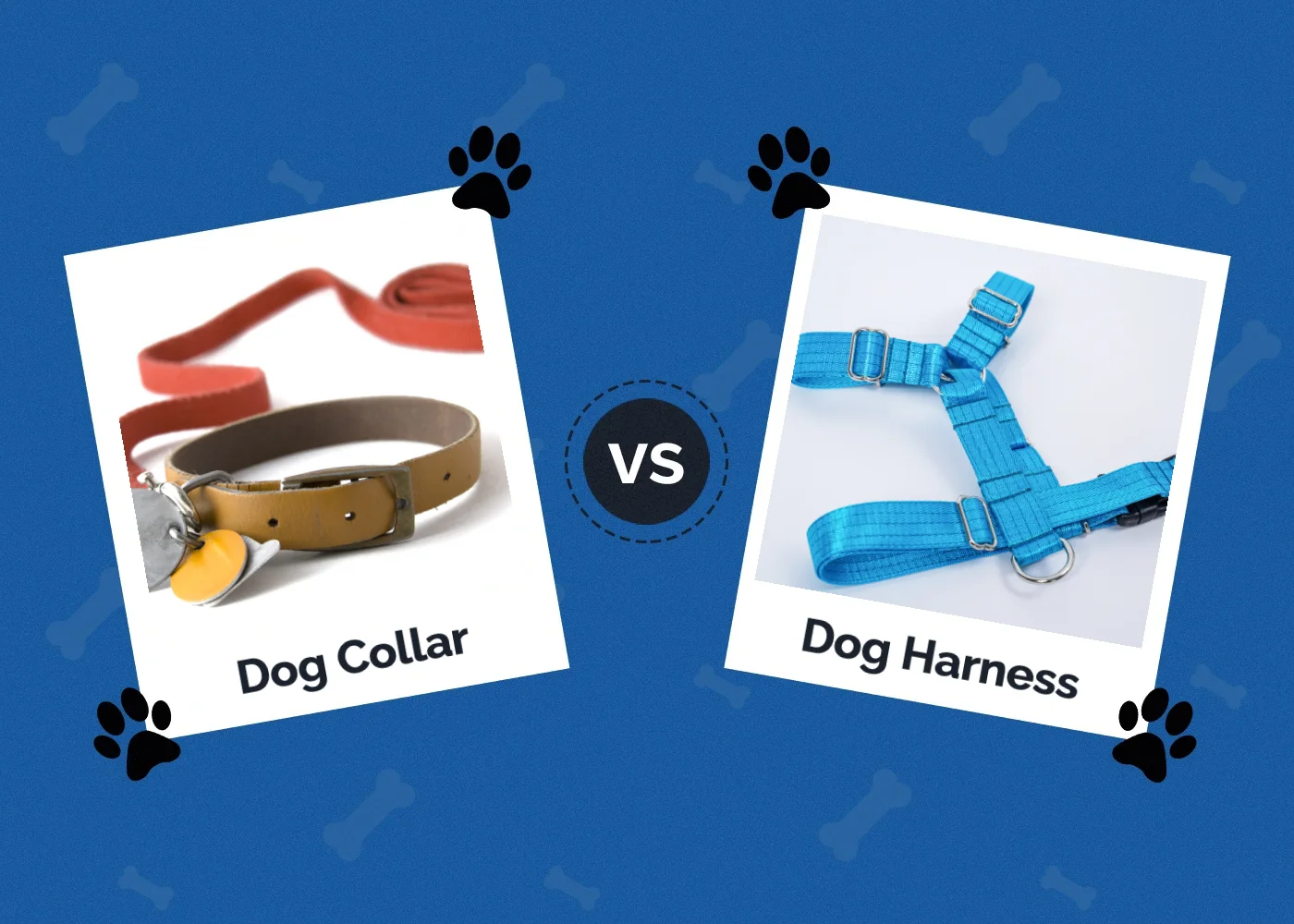
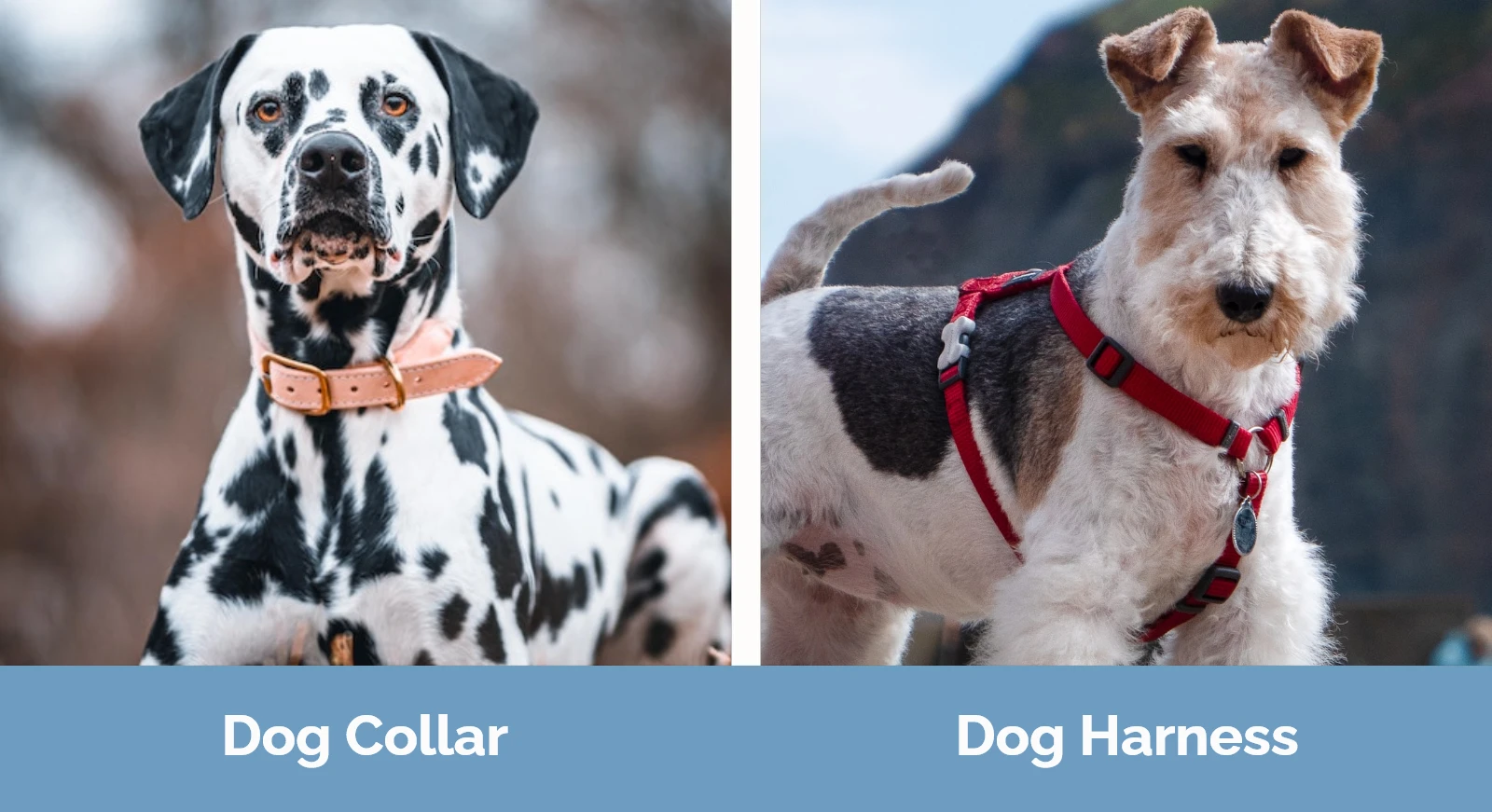
Visual Differences
At a Glance
Overview of a Dog Collar:

The oldest evidence of people using collars on their dogs goes back over 8,000 years to the Shuwaymis region in northwestern Saudi Arabia. The collar’s early use seems clear as a restraining method. Interestingly, thanks to the ancient Egyptians, these items have taken on other meanings through the ages as ornamentation, worship, and ID.
Types of Collars
The flat collar is probably the one with which you are most familiar. The term may sound simple, but it belies the fact that collars are canine fashion statements, coming in a vast array of colors and styles. A rolled collar is a variation on this theme, useful for dogs with long coats, like Collies or Old English Sheepdogs. The design prevents the dog’s fur from matting. You’ll also see a riff on a slip collar with the martingale collar.
Of course, these items go the gamut, from the cruelly named choke collar to the tough-guy prong collar to the specialized shock collars used with electric fences. This restraining method is best suited to dogs that have gotten the hang of walking on a leash without pulling or balking at its use.
When to Choose a Collar
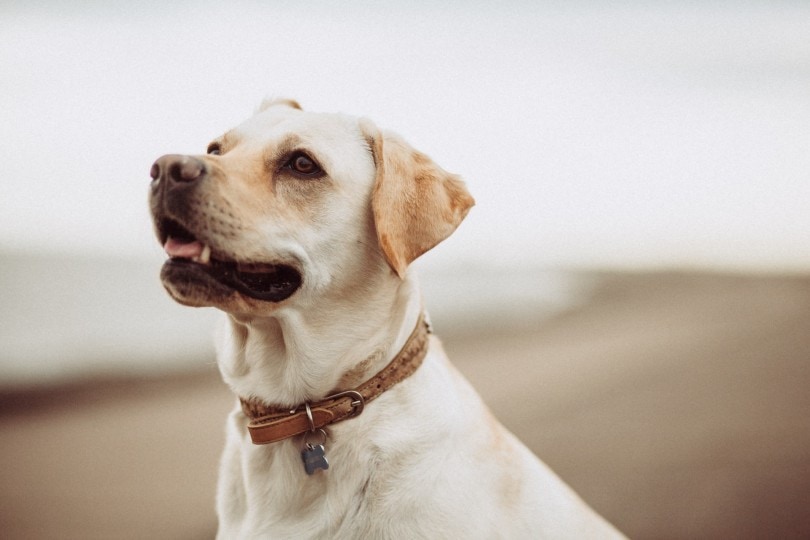
A collar is an excellent choice for all dogs, from puppies to adults. It’s easy to put on and take off your dog. Otherwise, your pet will likely not notice it’s there after he’s gotten used to it. Your pooch will always have his ID on him if you haven’t microchipped him. They’re relatively inexpensive unless it’s a specialized product. They’re also versatile.
If your dog is your hunting companion, you can get one fitted with GPS to keep track of him in the field. You can get a personalized product to ensure your contact information is available. You can even get a collar with a handy QR code to scan. You’ll also find that your pet is easier to manage while on his leash without as much effort required on your part to restrain him.
The downside rests with the canine Houdinis that slip out of their collars. It’s a problem if you don’t have it snug enough on your pup’s neck. Some breeds, like Greyhounds, have necks about the same size as their heads. Escaping is less of a problem for them. Some pet owners complain about a collar chafing their pets. Again, it’s a matter of fit. You also have dozens of options to get the best one for your pooch.
Pros
- Relatively inexpensive
- Lots of choices
- Versatile
Cons
- Not escape-proof
- Chafing around the neck
- Not appropriate for all pets

Overview of a Dog Harness:
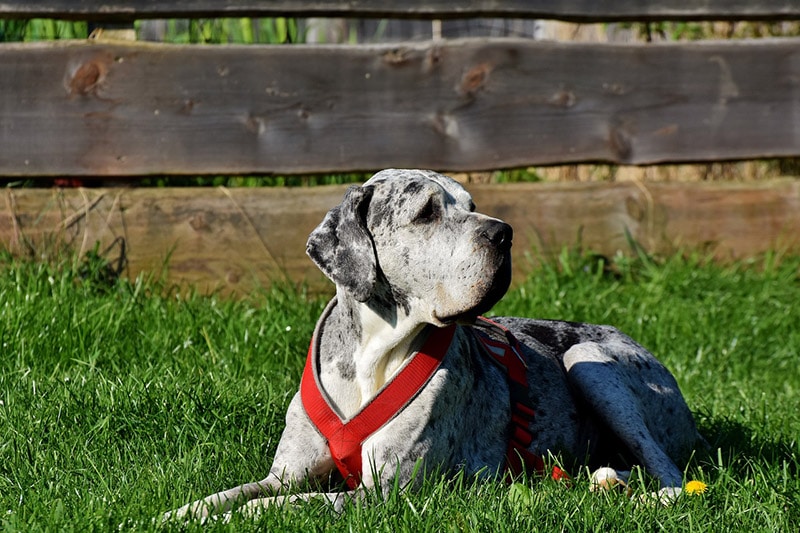
Humans have used dogs to pull things for thousands of years, making the harness a useful invention. It predates the collar, with archaeological evidence going back roughly 9,5000 years. Its use was more practical than a collar. Of course, today, the tables are turned for the most part, with harnesses viewed as a viable alternative to collars.
Types of Harnesses
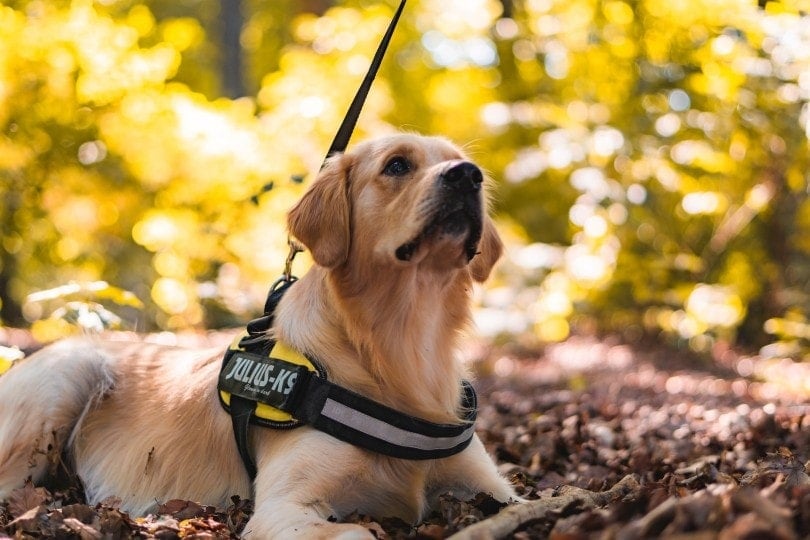
Manufacturers have designed harnesses for everyday use along with specialized products for specific purposes. The chest harness has two straps that go around the dog’s girth and chest. The construction of the no-pull harness acts more as a training aid. If your pup tugs at his leash, it tightens. It conditions your dog to associate pulling with something negative to curtail it.
The step-in harness works as the name suggests, making it infinitely easier to put it on your pup. It’s a great choice if the task is an ordeal for your pet. You’ll also see comfort harnesses that emphasize making it less unpleasant to wear one. If your dog has issues with chafing, it’ll make walking more enjoyable for both of you.
Many specialty products also exist. You’ll find harnesses designed for service dogs to make them easier to use for the pet’s owner. Some items do double-duty as car safety devices.
When to Choose a Harness
A harness is the better option for dogs with back issues or breeds prone to tracheal collapse, such as the Yorkshire Terrier. It’ll put less pressure on these sensitive areas. A harness works well for walking pets that are still honing their leash manners. They give you more control, although they also require more effort. Yet, you’ll find your dog is tripping over his leash less than using a collar for walks.
While a determined pup can get out of any restraint, a harness will make it more challenging. Chafing is also sometimes an issue. However, alternatives are available to avoid this problem. If you have a puller, you should opt for a harness with a front hook instead of one in the back. Otherwise, you’ll inadvertently contribute to the problem with your dog dragging you for the ride.
Pros
- Great for puppies new to leash training
- Versatile uses
- Excellent alternative for pups with specific medical conditions
Cons
- Sometimes spendy
- Harder to use
- Uncomfortable on hot days
Other Factors to Consider
Some considerations apply to both collars and harnesses that are worth discussing. They can affect the product's usability, your pet's comfort, and the price. Think about your situation and what things might make walking your dog more manageable.
Things worth researching include the following:
Closure
Many products have quick-release snaps to make getting the product on the pet as easy as possible. That’s a good thing if your dog struggles with it or you need to get it off quickly after a walk in the rain. The most important factor is security. It should make your job easier without allowing your pet to escape. We also suggest looking at the design and how you can adjust the fit.
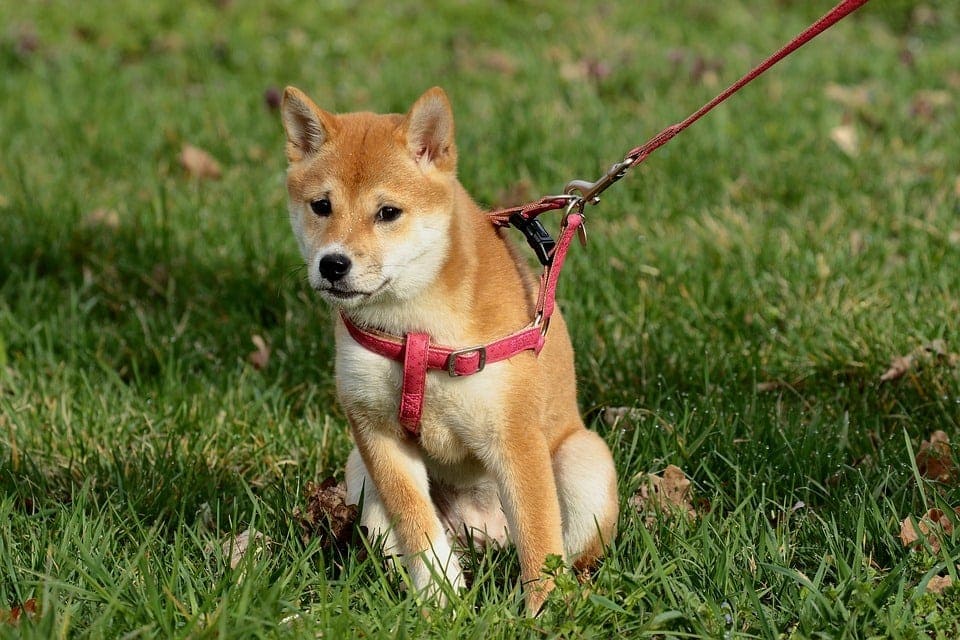
Either restraining method must be snug but not too tight. That can help prevent issues like chafing. As we’ve discussed, the position of the attachments plays a direct role in how well it works, particularly with harnesses. Some products have a dual-clip, giving you a choice.
Material and Design
You’ll find collars and harnesses in just about any color. Nylon and polyester are popular because of their strength and affordability. You’ll find products made of various materials if you’re looking for something fancy. We suggest checking the cleaning instructions. Many items are only hand washable. Keeping your dog's collar or harness clean is essential to avoid mold or harmful bacteria development.
Bonus Features
One of the best features we see in collars and harnesses is reflective materials. It’s a must-have on night walks or rainy days. The same thing applies to water-resistant and waterproof items. That’s particularly true if your pup can’t resist jumping into the lake. Bear in mind these materials might be uncomfortable on hot summer days.
Another feature we’re sure you’ll love is a built-in handle on harnesses. You can use it to restrain your dog in the car. It comes in handy if you must stop your dog or want to give him a leg up into the vehicle. If color-coordinating your pet is important, you’ll find many sets of matching collars, harnesses, and leashes to help your pooch look his best on the trail or in the neighborhood.
Final Thoughts
There are no rules that say you must choose either a collar or a harness. We’re fans of using both. Each item serves different purposes with some overlap. While you can leave a collar on your dog all the time, you should remove a harness when you’re not outside with your pup. Sleeping with the former isn’t a problem. The latter might be uncomfortable. It’s also an excellent way to train your pet to anticipate walks when you pull it out.
Sources
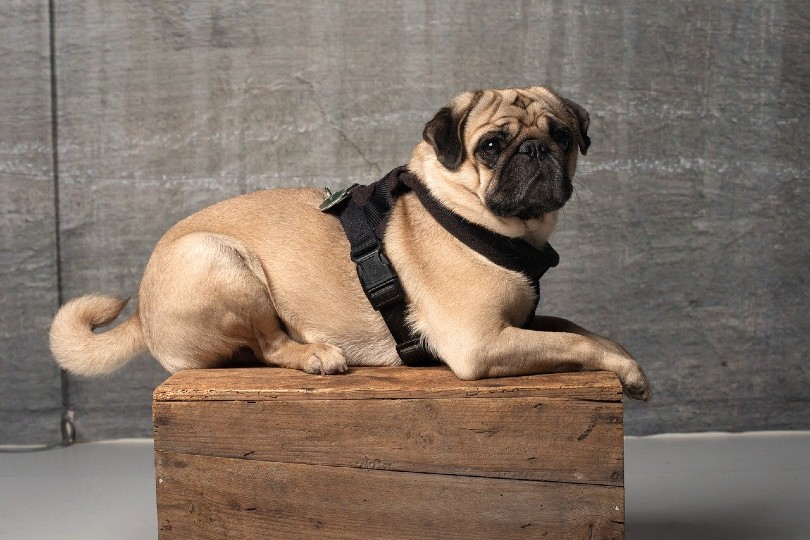
Featured Image Credit: Left - Alexey Stiop, Shutterstock | Right - Masarik, Shutterstock
Get Hepper In Your Inbox


Pet care tips from our vets and experts, straight to your inbox.
You may opt-out at any time. View our Privacy Policy for more information.

Chris is an experienced pet writer specializing in science topics, with a particular passion for health and the environment. She has been a writer for over 15 years and lives with her husband and three cats in Michigan.
Beyond writing about cats and dogs, Chris loves to learn about wine. She has WSET 1 and 2 certifications and is currently pursuing her Certified Wine Specialist Award (CSW).
Join the conversation
Ask a question, share your story, or send private feedback.