Hepper is reader-supported. When you buy via links on our site, we may earn an affiliate commission at no cost to you. Learn more.
5 Types of Dog Food & Their Differences (with Pictures)

In this article
One of the most important decisions you’ll make for your dog’s overall health and well-being is their diet. You want to give your precious pup a nutritionally balanced meal, but with choices ranging from readily available kibble to raw food options or making your own food, you may not be sure which kind to provide.
We’ve grouped the different options for dog food into five different types. Each category of dog food has its advantages and factors to consider. We’ve detailed each type to help you find the right kind of food for your dog.

The 5 Different Types of Dog Food
1. Kibble or Dry Dog Food
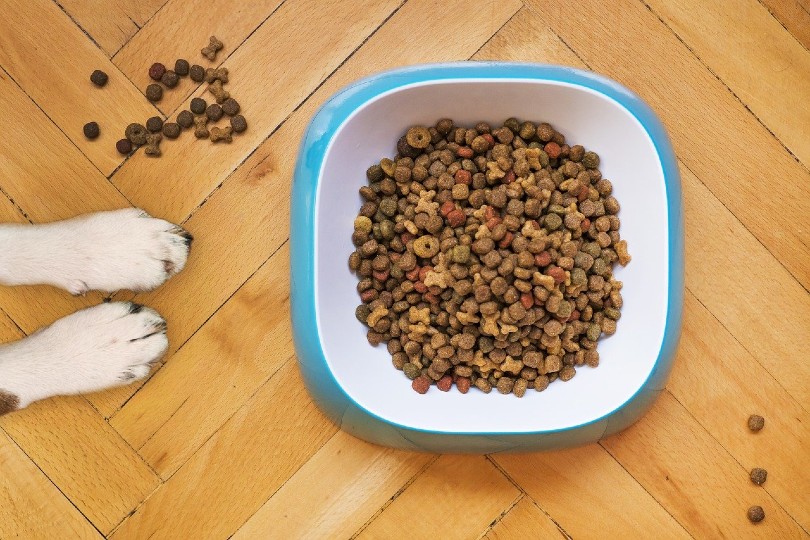
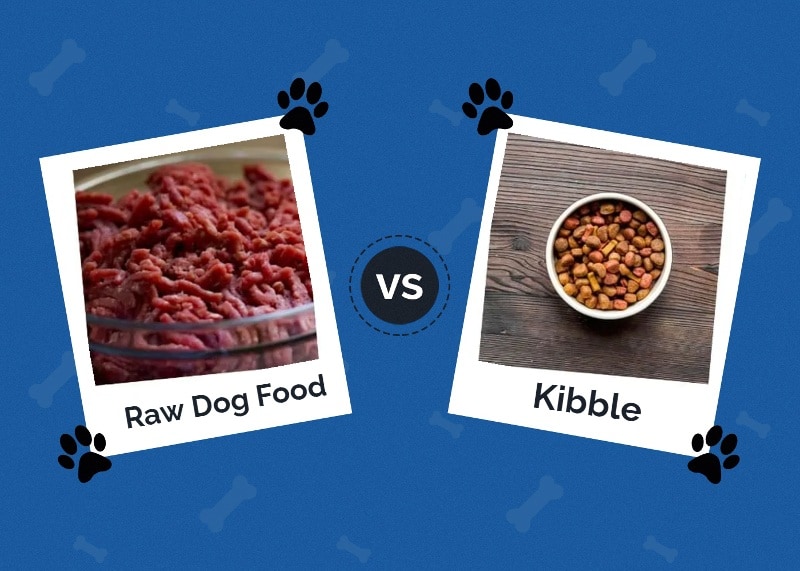
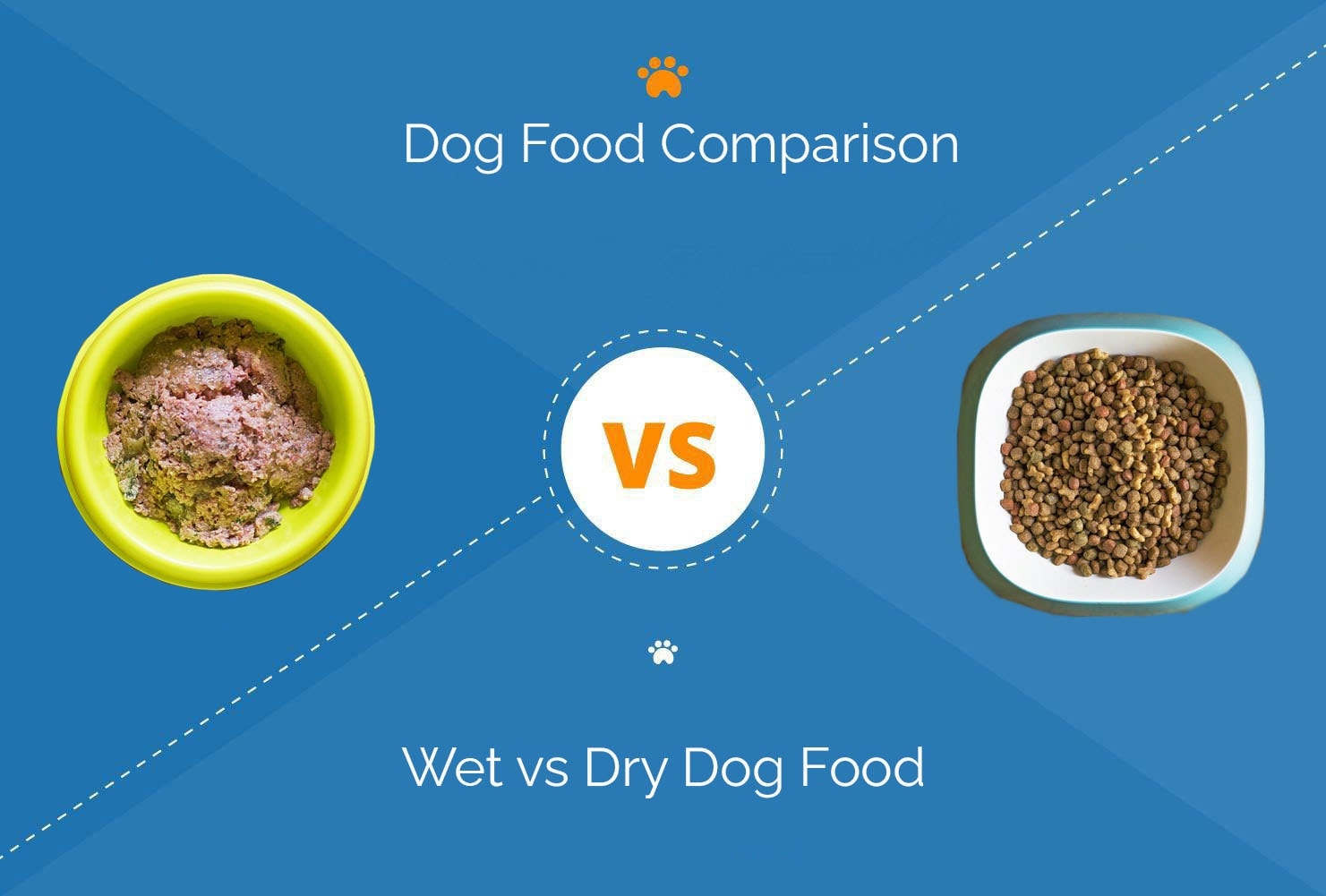
Perhaps the most common and certainly the most economical type of dog food, kibble or dry dog food is purchased by the bagful and comes in crunchy bite-size shapes. It travels well and is easy to store as long as it’s in a dry location. When it comes to mealtime, dry food takes little prep other than portioning out the appropriate amount for your puppy or dog. Many dog owners prefer dry dog food because the hard texture reduces tartar, leading to healthier teeth and gums. There’s the additional benefit of fresher breath.
With kibble or dry dog food, you don’t need to worry about nutritional completeness because, with little exception, all brands on the market provide an adequate amount of nutrients. There’s also a wide range of choices, including multiple flavors and specific mixtures intended for all stages of a dog’s development, from puppy chow to advanced age blends. However, no matter how many flavors are available, there are plenty of dogs who won’t like the taste and will continually turn up their noses at dry dog food.
As an owner, be aware that not all types of dry dog foods contain the same quality of ingredients. Many dry dog foods are heavy on carbohydrates, which can cause your dog to develop health problems. Be sure to read ingredient labels and buy from companies that offer low to no-carb content and wholesome ingredients. Buy from a trusted company that uses safe manufacturing processes in order to limit your dog’s risk to harmful bacteria. Also, always be mindful of the expiration date when purchasing and storing your dog’s kibble.
2. Canned Dog Food
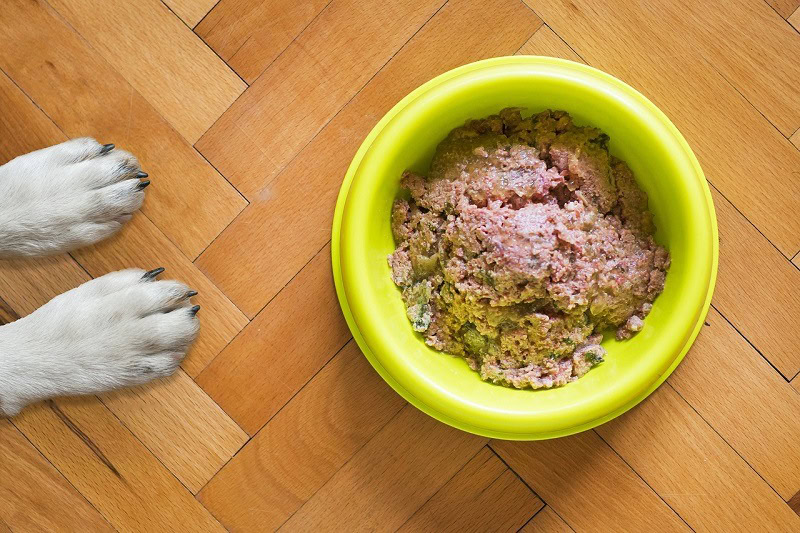
Most dogs prefer the taste of canned dog food over dry food. You may resort to purchasing canned dog food if you have a picky eater or if your older dog has lost their appetite. Canned dog foods are readily available at supermarkets, have a long shelf life, and take little prep other than the effort of opening the can. However, unlike dry dog food, you may discover that canned dog food tends to have an offensive odor.
Keep in mind that canned dog food is more expensive than buying large bags of dry dog food, although you can save money by purchasing it in bulk. Other than cost, canned dog food may not provide proper protein and can contain too much fat. Despite being less processed than dry dog food, it does have a higher water content, which can reduce the level of nutrients. Always look for canned dog food that’s labeled as 100% nutritionally complete.
As with all store-bought dog food, there needs to be a level of trust that the manufacturer is supplying quality ingredients and taking precautions for safe food prep practices. Also, be aware that any canned goods may contain harmful BPA.
3. Semi-Moist Dog Food
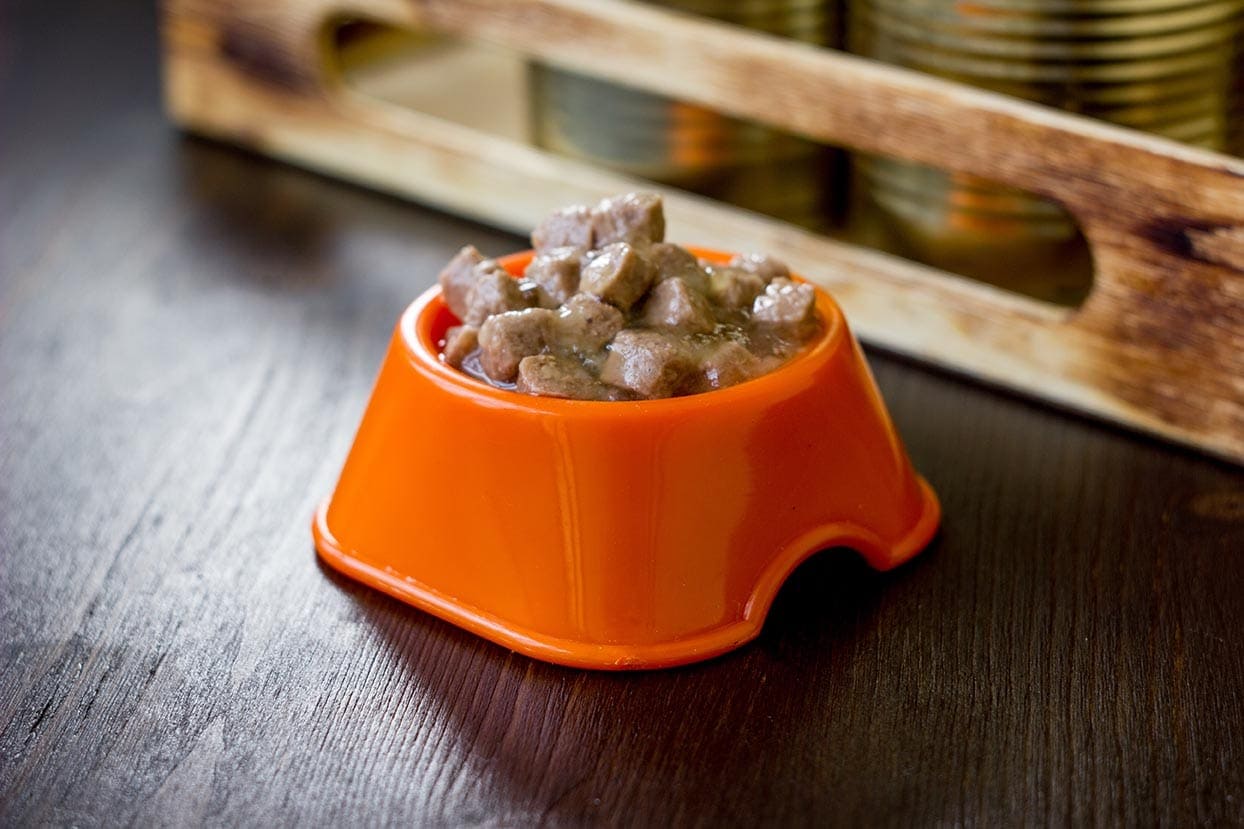
You can buy most semi-moist dog food in a resealable pouch from which you can conveniently pour it into your dog’s bowl. Certain semi-moist dog products are shaped to resemble meat products.
Be aware that semi-moist dog food may contain artificial colors, flavors, and preservatives. Also, they’re generally higher in salt, added sugar, and water content. Additionally, semi-moist dog food tends to be more expensive than dry food. It may be best to reserve this type of dog food for the occasional treat.
A vet will always be your best resource for information and recommendations if you are still unsure about what dog food to choose.
4. Home-Cooked Dog Food
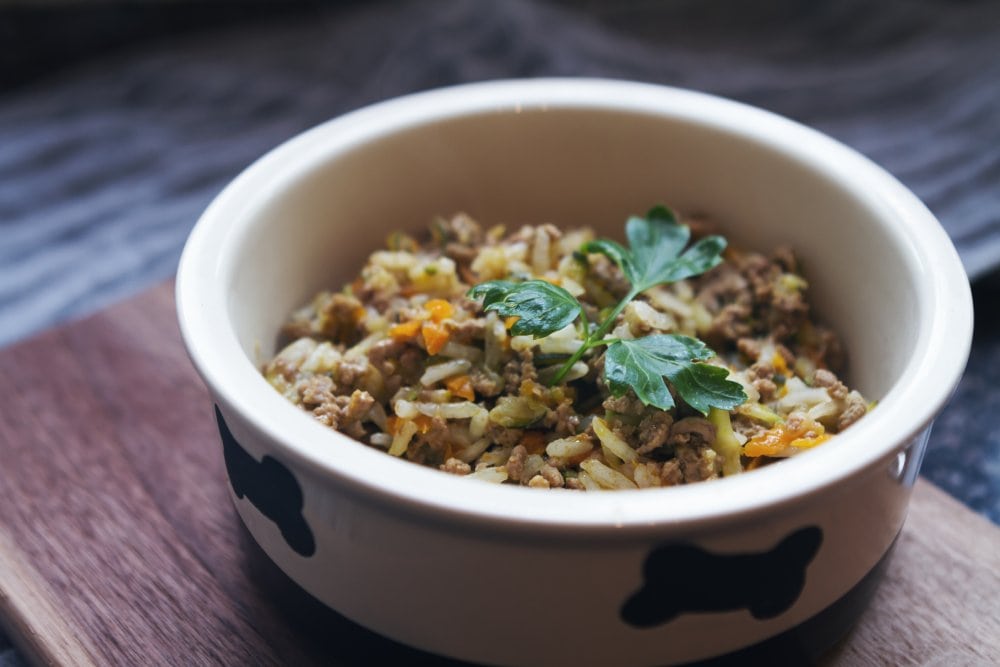
With home-cooked dog food, you prepare the meal for your dog in a similar manner as for your human family members. Since you can offer your dog a broader variety of flavors, unlike the same bowl of dry kibble night after night, your dog will probably like the taste and won’t need to be coaxed into eating it.
By being in control of the ingredients and the cooking process, you know exactly what’s in your dog’s food dish. There’s no need to worry if the product you’re feeding your dog matches the quality you expect because you manage the nutritional content. Additionally, the minimal processing may benefit your dog’s overall health.
Be aware that cooking every meal for your dog can easily become a time-consuming task, as well as expensive. Also, you’ll need to become knowledgeable on this subject and your particular dog’s nutritional needs to avoid unintentionally causing deficiencies.
5. Raw Dog Food
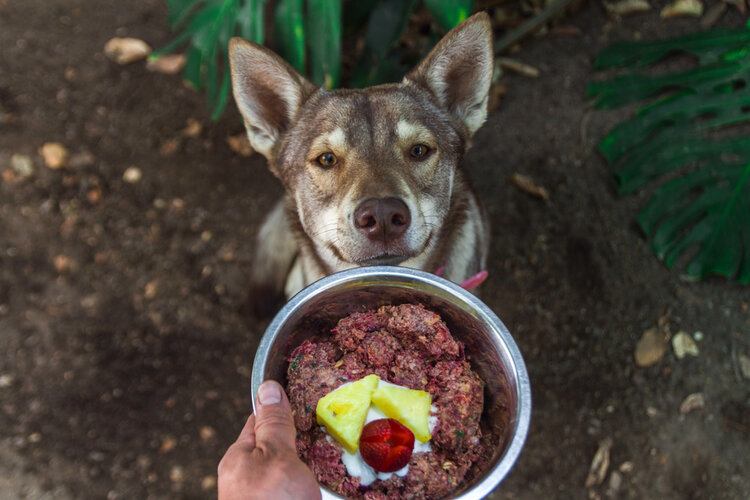
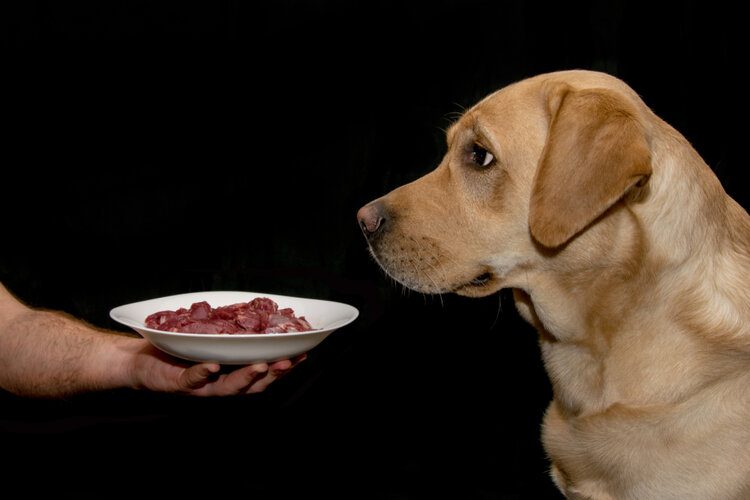
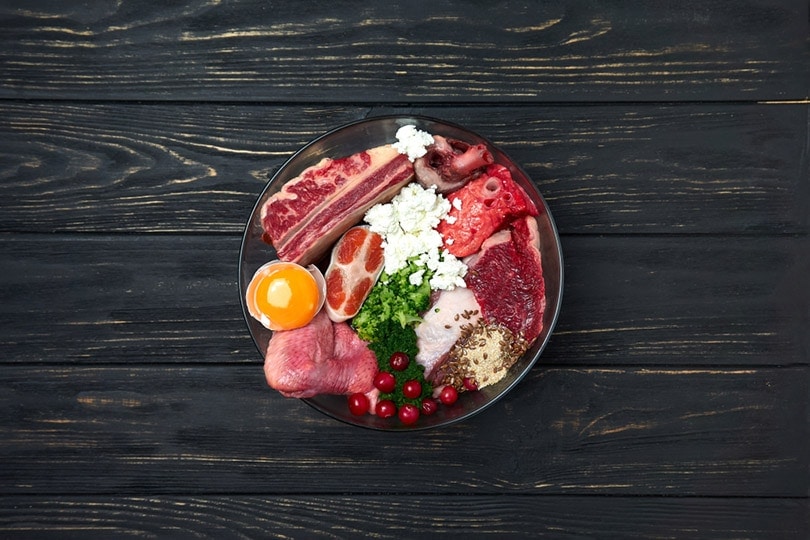
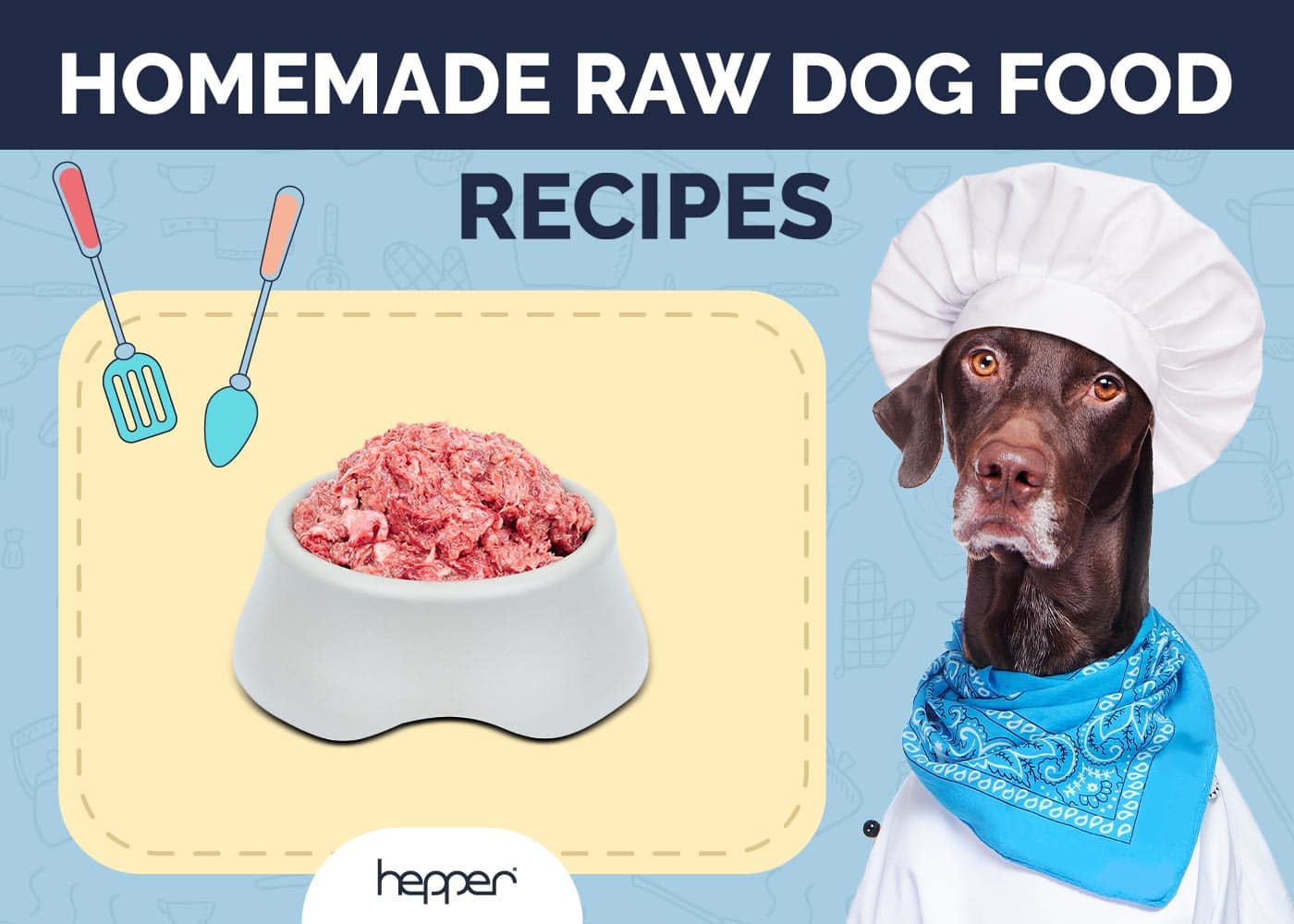
This different type of dog food consists of fresh unprocessed ingredients. including raw meat, organs, and uncooked bones. You can either provide your own raw dog food or buy it commercially as refrigerated, dehydrated, or freeze-dried. If you purchase a commercial brand, make sure it guarantees a nutritional balance.
There’s been much ado about the benefits of raw dog food since it mimics your dog’s biological and evolutionary roots. However, it’s not the best choice for dogs with compromised immune systems. Also, depending on your dog’s dietary needs, raw dog food may contain elevated fat content.
If you’re purchasing raw dog food commercially, be sure to choose a trustworthy company that uses safe practices. Also, keep in mind that refrigerated raw food is difficult to travel, takes up refrigerator or freezer space, and must be stored properly.
Dehydrated raw dog food has a longer shelf life and can be more portable if you’re on the go with your dog. It’s processed minimally, but be aware that you’ll pay extra for the convenience. Freeze-dried raw dog food is the most expensive and is typically intended for supplemental or intermittent feeding, as it’s not readily available.
You might be wondering what personality type your dog has - find out here!

Conclusion
When deciding between the different types of dog food to give your beloved pet, begin by thinking about your dog’s breed, gender, age, weight level, activity level, and temperament. Also, consider your budget and convenience level. If you’re buying a product, be sure to check the quality of ingredients to make sure it’s nutritionally complete, with the proper amount of essential nutrients such as proteins, fats or oils, minerals, vitamins, carbohydrates, and water. For home-cooked and raw dog food, it’s always best to consult your dog’s veterinarian.
We hope that after reading through the five different types of dog food, you’ve found the best option for your dog. With the right type of dog food, your dog can reap the health benefits and lead a happy, energetic life.
Now that you know what type of food is best suited for your pup, learn how to store it here!
See Also: 15 Most Popular Dog Food Brands (Update)
Featured Image Credit: alexei_tm, Shutterstock
Get Hepper In Your Inbox


Pet care tips from our vets and experts, straight to your inbox.
You may opt-out at any time. View our Privacy Policy for more information.

Nicole is a lover of animals of all sizes but is especially fascinated with the feline variety. She’s the proud mom of Baby, a Burmese, and works every day so he can relax in the sunshine or by the fire. She’s always had a cat in her home and has spent countless days with others, observing behaviors and softening up even the grouchiest of the lot. Nicole wants to share her kitty expertise with you so you and your cat can live happy, healthy, and care-free.
Join the conversation
Ask a question, share your story, or send private feedback.