Hepper is reader-supported. When you buy via links on our site, we may earn an affiliate commission at no cost to you. Learn more.
Top Foods for Dogs in Summer: Dog Diets for the Heat

Summertime in hot climates can be a difficult time of year for dogs. Some are better suited to it — for instance, Chihuahuas with their short coats and small bodies. However, others, like the Siberian Husky or English Boxer, have a much lower tolerance.
One of the symptoms of overheating during the summer is a loss of appetite. Your pup might suddenly start refusing to eat their favorite food or leaving most of it in the dish. Although a loss of appetite can come from a deeper illness, it is often linked to something much less severe.
Certain types of food are considered “hot” foods, with specific sources of carbohydrates and proteins. Others are considered “cooling.” Your dog friend is more in tune with this than you are, as they might reject certain foods that they generally enjoy.

The Danger of Heatstroke
First, feeding your pup the right food is not always the most critical solution. Heatstroke in dogs is a hazardous illness. It can cause restlessness, increased heart rate, vomiting, and respiratory issues. If left untreated, it leads to more severe health complications.
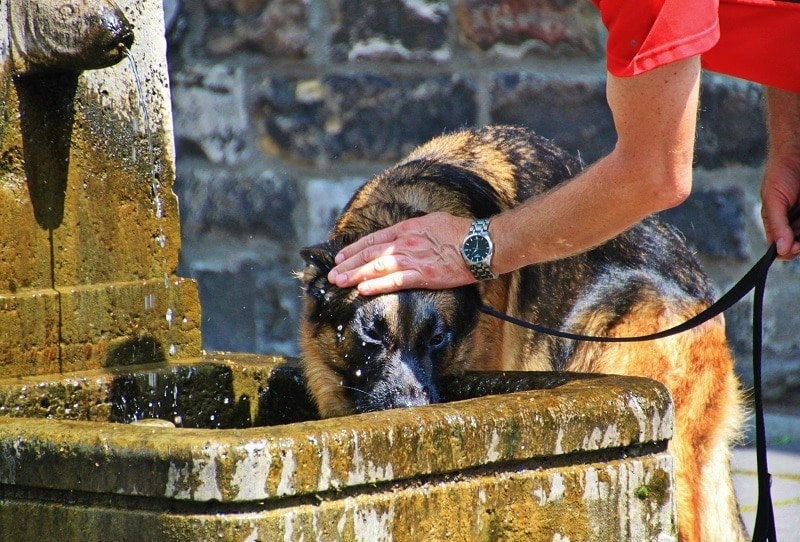
To protect your dog from heatstroke, start by making sure that they are hydrated. Give them plenty of water. Even if you are going for a short walk on a hot day, make sure they have water when they need it.
Heatstroke doesn’t only strike when temperatures are extreme. It also occurs when they are exposed to the sun for prolonged periods or enclosed in a room or car without proper ventilation.
Consider how you would protect yourself from the sun and hot temperatures. Other than sunscreen, perhaps, apply those same ideas to your pup.
You can also consider getting your pet a haircut if they have long hair.
Once those basics are taken care of, consider their diet. What are they eating? Do they have any interest in it? Does it cause them to struggle more against the heat, or does it help keep them cool?
Cooling Proteins for Dogs
The idea behind cooling and warming food starts with traditional Chinese medicine. As further research has been done throughout recent decades, veterinarians have found merit in the views.
Foods can produce a thermal effect on the body based on how they are metabolized. Specific protein sources make it easier for dogs to work through and produce different thermal energy and initiate various processes.
Proteins that help keep a dog cool include cod, rabbit, duck, duck eggs, tofu, yogurt, and turkey. Many proteins typically used in North American dog mixes produce more warming effects, like chicken, lamb, venison, and trout.
Cooling Carbohydrates for Dogs
Carbohydrates are another essential addition to a dog’s diet. They also have the potential to be great foods for dogs in summer as they induce cooling or warming effects in a pup’s body. Think of it like this: On a hot day, would you prefer a greasy bacon plate and warm mashed potatoes or some salad with fish and rice?
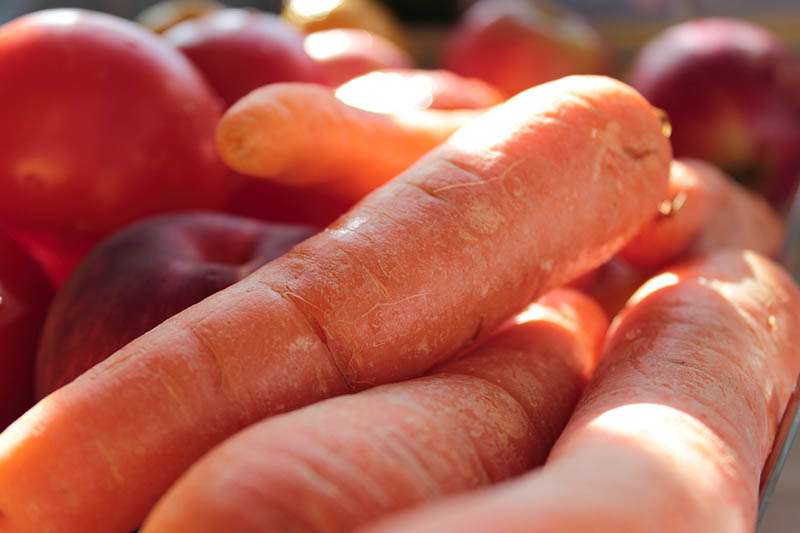
In the summer, try to avoid food with sources that involve dense carbs, like root vegetables and potatoes. Instead, keep their carbohydrates based around grains like barley, millet, buckwheat, and wild rice.
Carbs to avoid during hot months include oats, sweet potatoes, and sticky rice. Other sources that are on more of a neutral playing field are quinoa, brown rice, white potatoes, pumpkin, white rice, and yams.

Summertime Dog Foods to Consider

It can be challenging to find the perfect summertime food for dogs that become warm-weather picky.
Many dog owners who switch out their pup’s summertime meals opt for a raw diet for at least part of the year. That way, you have more control over what they are eating, where it comes from, and its potential effects on their bodies.
If you don’t have time for this, the shortlist below gives you several good commercial options. Remember to also consider your pup’s personal preferences.
Each one listed below has a different primary source of protein. The rest of the ingredients are mixed.

The 3 Best Foods for Dogs in Summer
1. Farmina Natural & Delicious
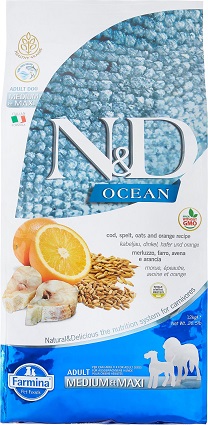
Farmina makes its Natural & Delicious blend of dog food with cod and orange, both great cooling foods. The grains used for carbohydrate and oil content include spelt and oats. The food is meant for adult dogs in medium to large breeds. They do offer a puppy blend if you have one hot dog.
The rest of the ingredients are mainly a mix of fruits and vegetables and vitamin and nutrient supplements to round out a healthy diet at any time of the year.
Pros
- Both cooling proteins and carbohydrates
- Offer both adult and puppy blends
- Plenty of nutrients and vitamins
Cons
- Expensive compared to similar products
2. Wellness Simple Limited Ingredients
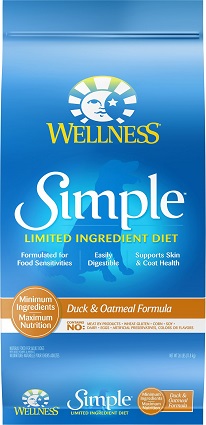
There are not vast amounts of options when it comes to manufactured dog foods with duck as the primary source of protein. However, Wellness Simple Limited Ingredients is both duck-based and includes several other cooling ingredients.
Since ducks are not typically large animals, food blends with ducks are often mixed with other poultry, such as chicken or turkey. This food is not. It is primarily made for dogs with allergies to other familiar sources of protein.
It is made without gluten, wheat, or corn and instead has ground flaxseed, which also has cooling properties.
Pros
- Duck is the single source of protein
- Cooling flaxseed used instead
- Useful if your pup also has food allergies
Cons
- Expensive compared to other premium brands
3. Nature’s Variety Instinct Grain-Free Recipe with Real Rabbit
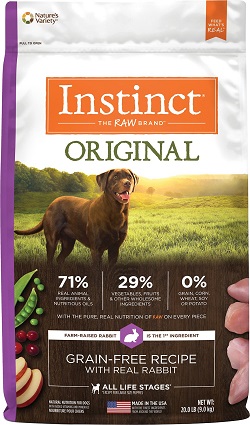
Nature’s Variety is a bit more well-known than the other two brands on our list. The company’s goal is to craft supremely nutritious foods for dogs. It is careful with sourcing all its ingredients.
Real Rabbit is one recipe that is a little more outside the box. Rabbits are a cooling source of protein. This formula is also grain-free and filled with carbohydrate sources that are easier to digest during the summer months.
The kibble is raw coated and thus is quite fresh compared to many other dog foods. Unfortunately, rabbit is not the only source of protein in this food, although it is the primary one. Salmon is also used, which is not cooling. Whitefish meal is, though, and is within the first eight listed ingredients.
Pros
- Raw coated kibble brings in the pros of a raw diet
- Rabbit is the primary source of protein
- Carbs like chickpeas are cooling
Cons
- Salmon meal is a heating source of protein

Cooling Summer Treats for Dogs
If you have worked really hard trying to find the right food for your pup and finally feel like you have nailed it, you might not want to switch everything out. Instead, take note if your dog starts to get hungry and hot. Try feeding them one of these treats to cool them down.
Remember: Treats should only make up a maximum of 10% of a dog’s daily diet.
Feeding Tips for Hot Days

Keep these tips and tricks in mind when feeding your dog on hot days.
1. Track your dog’s eating habits
As the temperature amps up, so should your awareness of your dog’s habits. If you notice them starting to show less interest in their food, then it might be time to change.
2. Consider thinning out heavy mealtimes
Full-blown dishes of kibble two or three times during the day can end up being more than what a dog needs. Typically, in the summer, dogs slow down, stop moving as much, and exert less energy overall. They don’t need as much food during these periods.
3. Feed them in cool areas
Feeding them in a cool place starts them off cooler while the body starts to metabolize. Whether you feed them in air conditioning inside or in shady areas outside, dogs will gladly dive in during cooler times of the day.
4. Avoid warming foods and fatty meats
If your dog is suffering from the heat, avoid warming foods. Fatty meats are always included in these since it takes much more effort for their system to digest the fat.
5. Supplement with cooling treats
If you decide to thin out the heavier meal times, use a few of the cooling treats from the list above. Sprinkle them throughout the day to keep them consistently cooler, inside and out.
In Summary
Heatstroke in dogs can be quite dangerous. Watch out for it, especially during the summer months. It is best to keep them out of unventilated areas and protect them from long bouts of sun exposure, even in warm weather.
If you look for ways to keep them cool, consider changing their diet so it is easier for them to digest. Stay away from foods that cause warm reactions, and give them treats that cause cool reactions.
Related Reads:
Featured Image Credit: Yiorgi, Shutterstock
Get Hepper In Your Inbox


Pet care tips from our vets and experts, straight to your inbox.
You may opt-out at any time. View our Privacy Policy for more information.

Nicole is a lover of animals of all sizes but is especially fascinated with the feline variety. She’s the proud mom of Baby, a Burmese, and works every day so he can relax in the sunshine or by the fire. She’s always had a cat in her home and has spent countless days with others, observing behaviors and softening up even the grouchiest of the lot. Nicole wants to share her kitty expertise with you so you and your cat can live happy, healthy, and care-free.
Join the conversation
Ask a question, share your story, or send private feedback.