Hepper is reader-supported. When you buy via links on our site, we may earn an affiliate commission at no cost to you. Learn more.
8 Natural Home Remedies & Treatments for Cat Fleas: Vet-Reviewed Recipes & Ideas


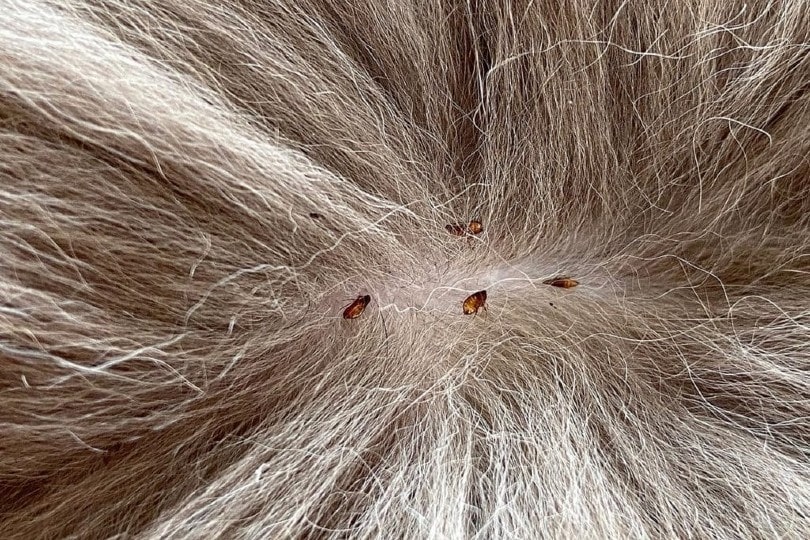
When fleas1 infest your home, your pet and family are thrown into turmoil. Fleas multiply rapidly, and their eggs can lay dormant for months, making removal exceedingly tricky. It is prudent to act quickly if you catch sight of fleas on your cat. We recommend regularly using a vet-prescribed flea treatment for your cat in addition to treating your home environment for pest control.
Sometimes, however, you catch sight of a flea when you can’t easily get to your vet, finances are tight, or for personal reasons you prefer not to use medical products. In these situations one of the below recipes and ideas may help you out in a pinch.
Before starting a DIY project, there are a few factors to consider.

Before Making Flea Powder
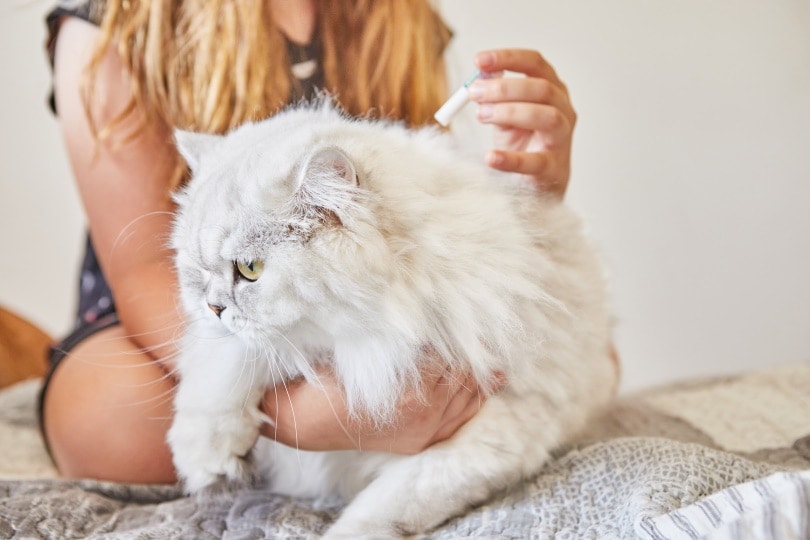
Some homemade products are designed to use on your carpet, and others are meant to be applied directly on your cat, be sure you know which are which. Although the components of all the recipes listed are safe for cats, you’ll want to check with your veterinarian before applying a treatment to your cat’s skin—even by phone. If your cat has skin sensitivities or allergies, a topical treatment can irritate them.
The 8 Natural Home Remedies to Treat Cat Fleas
1. Baking Soda and Salt
| Ingredients: | baking soda, salt |
| Materials: | measuring cup |
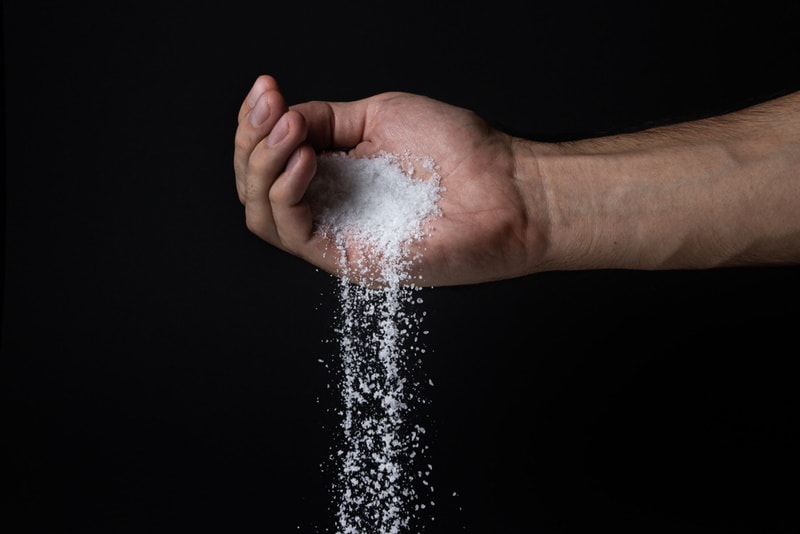
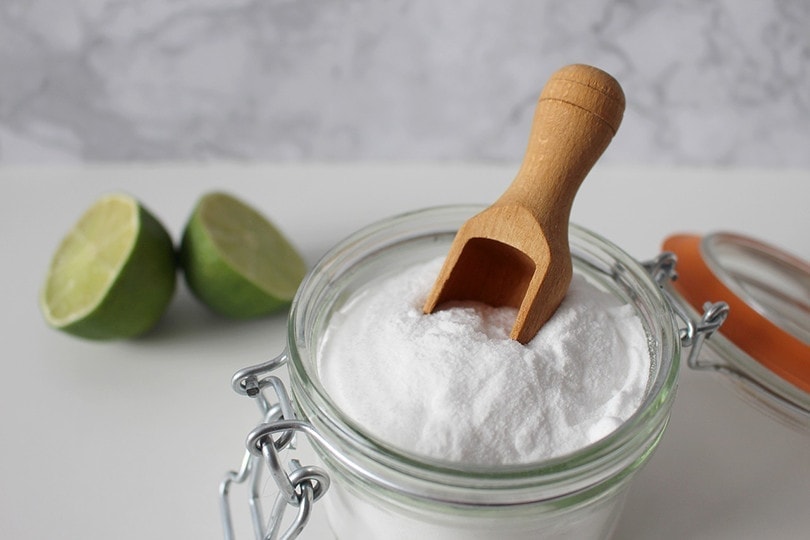
This flea powder is one of the most straightforward recipes we’ve found. It’s only intended for treating your home and should not be applied to your cat’s fur. All you need for this powder is a large box of baking soda and a granulated salt container. Avoid buying coarse or pretzel salt because the grains are too large to kill fleas.
Using a measuring cup, mix equal parts of baking powder and salt and stir with a whisk. Sprinkle the mixture over the carpets in every room in your home and wait for at least 15 minutes before vacuuming. It is likely the vacuuming that makes the biggest difference and persistent regular vacuuming is recommended to help reduce environmental infestation with fleas.
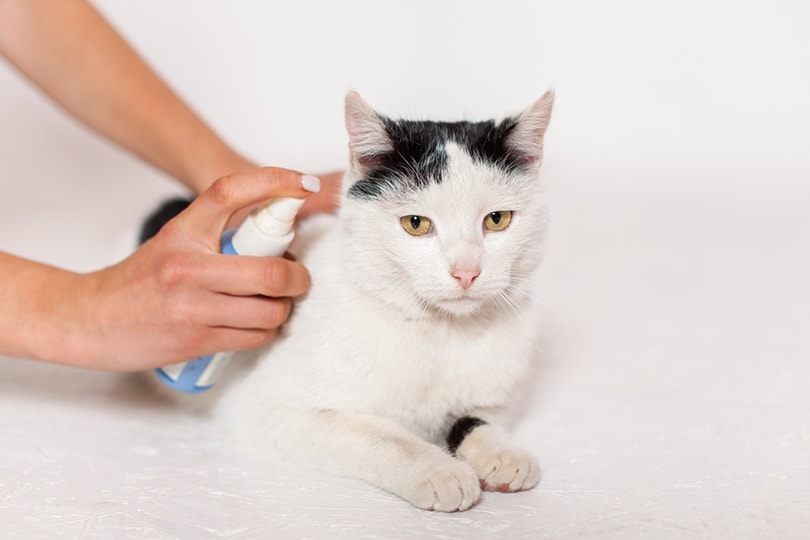
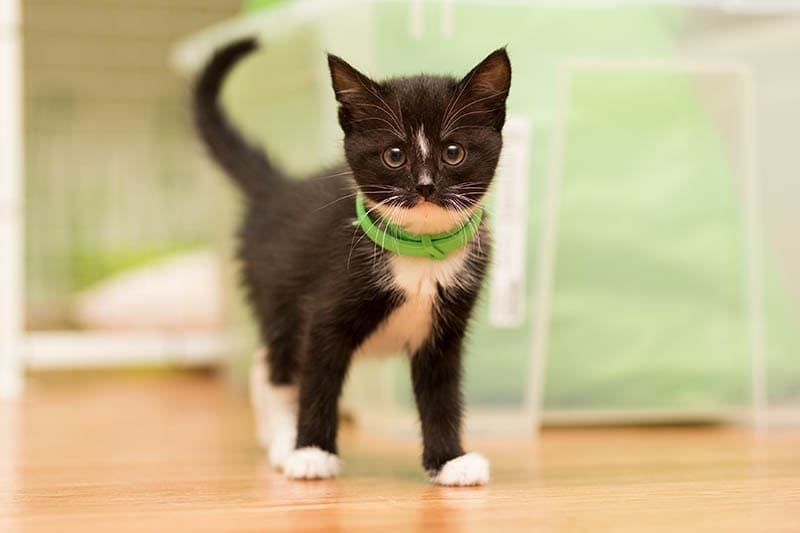
Before making the powder, be sure that your cat is also protected by a prescription flea medicine. Proven effective flea treatments come in different forms, topical, tablets, collars and sprays so choose what will work for you and your cat. Topical treatments like Advantage are usually easier to apply to cats than pills, but you can hide a chewable tablet in a pill pocket if your pet cannot handle the flavor of the medicine.
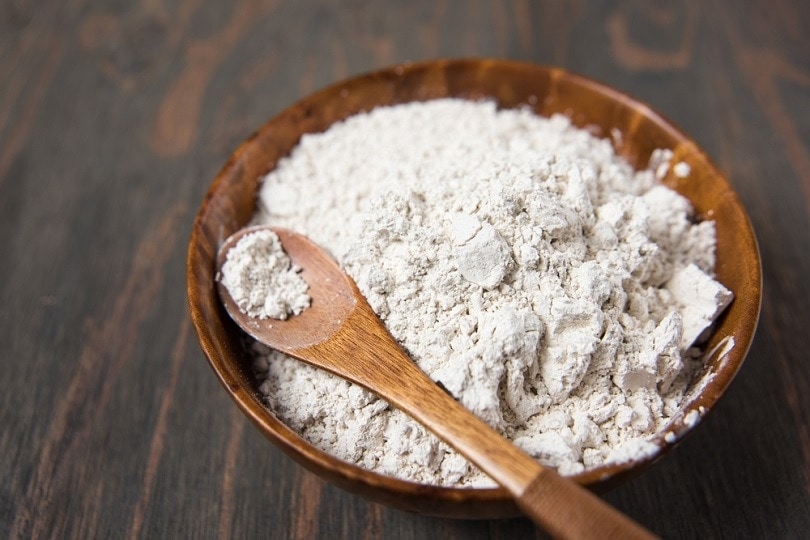
2. Diatomaceous Earth
| Ingredients: | diatomaceous earth |
| Materials: | spice shaker, spoon |
Diatomaceous earth is often used by gardeners to eradicate pests like aphids from the garden. Unlike other substances used in pest control, diatomaceous earth is non-toxic for humans and pets. However, we suggest using food-grade diatomaceous earth rather than a brand used for gardening. You should also use a mask when applying it as breathing in the dust can cause breathing problems.
You can use a spice shaker or a tablespoon to distribute the powder on your carpets (or on your pets, but we suggest our number 5 recipe for that). Wait 20 minutes for the powder to work before vacuuming. Diatomaceous earth is effective at killing adult fleas only and so will not treat the whole flea life cycle. It can be used in the garden beds to reduce fleas where your cat is napping in the garden but will need to be reapplied each time it rains.
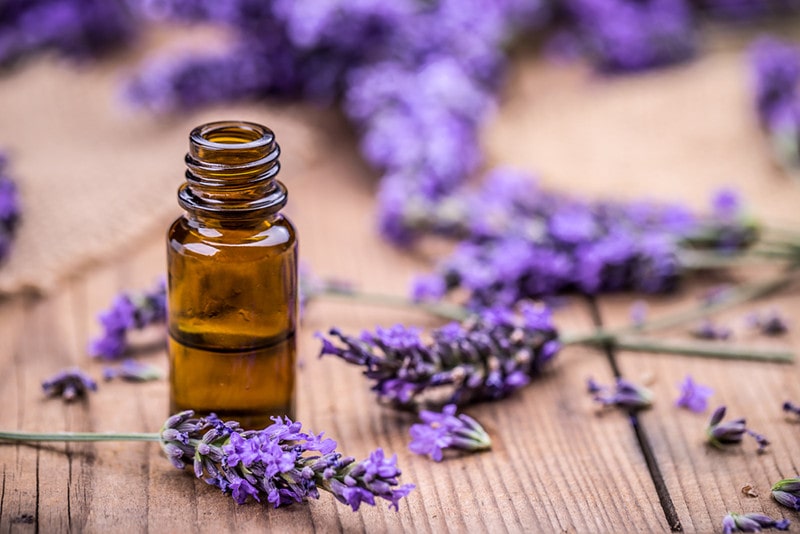
3. Lavender
| Ingredients: | lavender stems or flowers, water |
| Materials: | spray bottle |
Lavender is a plant that many of us have in our gardens. It smells wonderful and has relaxing properties. It also has been shown to have some flea repellent properties. You can steep some lavender stems or flowers in water overnight, strain and add the lavender water to a spray bottle. Spray around the house. Be aware that lavender essential oils are toxic to cats.
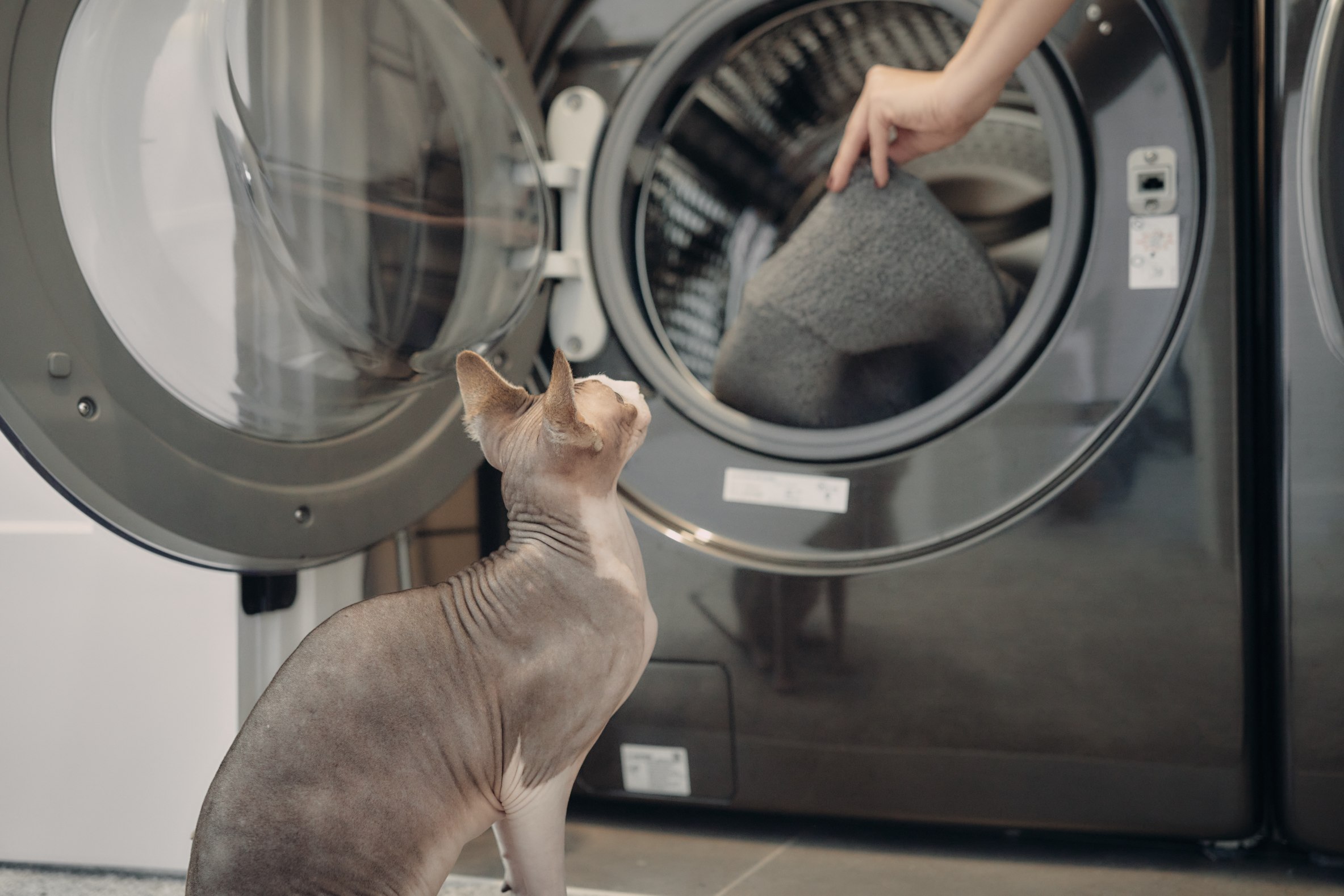
4. Hot Washing
| Materials: | Standard washing machine and detergent |
Doing the laundry is not a favorite pastime for many people but it really does help in the fight against fleas. The pet beds and blankets as well as your own bedding should be hot washed to get rid of fleas, eggs and larvae. Ideally wash your bedding at 100° F or higher but make sure the fabrics will not be damaged by this. Some modern machines have a steam setting which can also be used.
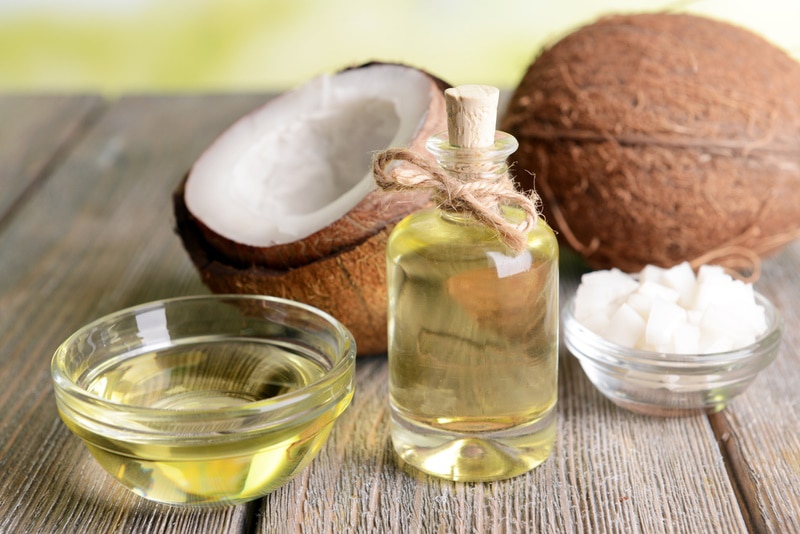
5. Diatomaceous Earth and Coconut Oil
| Ingredients: | diatomaceous earth, coconut oil |
| Materials: | spice shaker |
Diatomaceous earth is made of fossilized plankton collected from freshwater lakes. When a flea moves over a surface covered with the substance, the tiny silica shards rip through the creature’s exoskeleton and eventually cause it to die. When you purchase diatomaceous earth, try to use the food-grade quality to ensure it does not contain additional chemicals that could harm your pet. After rubbing diatomaceous earth on your cat’s fur, wait 7 days before adding the coconut oil. Grab a few tablespoons of coconut oil and apply it to your cat’s coat, but keep it out of the animal’s eyes, ears, and nose. Diatomaceous earth only kills adult fleas and will not solve the whole flea problem.
6. Steam Cleaning
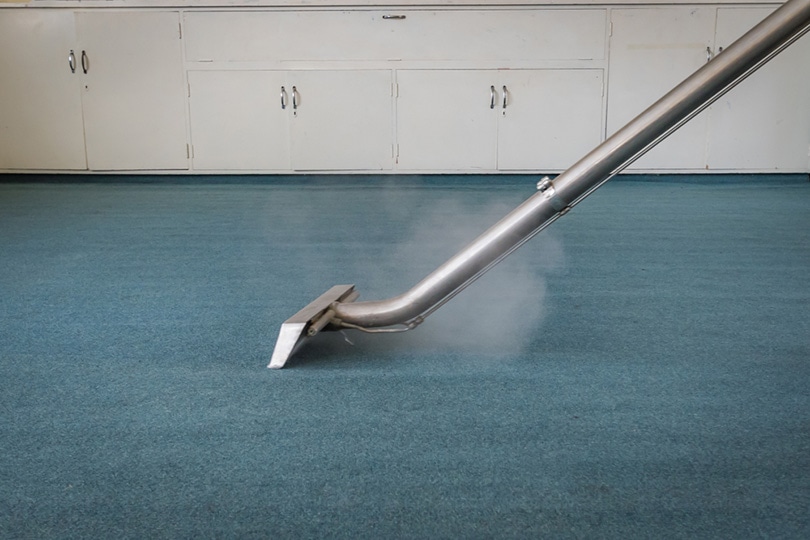
| Materials: | steam carpet cleaner and detergent |
If you have a steam cleaner, this is a perfect use for it. A thorough steam cleaning of carpets, rugs and upholstery will kill fleas, most eggs and larvae as long as the steam is hot enough. It will remove organic debris that larvae feed on and this is also helpful. The humidity caused by the steam cleaner can stimulate remaining eggs to hatch out so you should continue vacuuming with a regular vacuum at least weekly. Remember to do under any furniture and rugs too. Flea larvae like to find dark nooks to hide in so pay particular attention to where the carpet meets the skirting boards and corners.
7. Combing
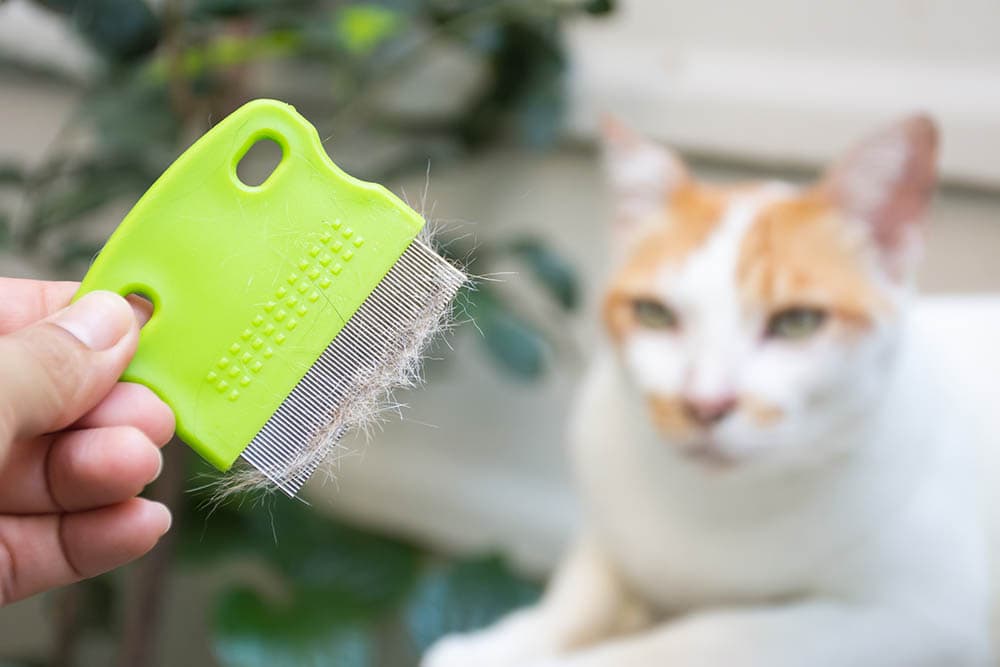
| Materials: | flea comb, rubbing alcohol |
Using a fine-toothed comb such as a flea comb or old children’s nit/lice comb (just don’t use it on the kids afterwards!) is a good way of decreasing the burden of adult fleas on your cat. Start at the head and move down to the tail. Pay particular attention to the neck, rump and groin areas where fleas love to hang out. Remove the fleas from the comb and put them into a bowl of rubbing alcohol to kill them. You will need to use environmental controls as well as daily combing.
8. Vacuuming
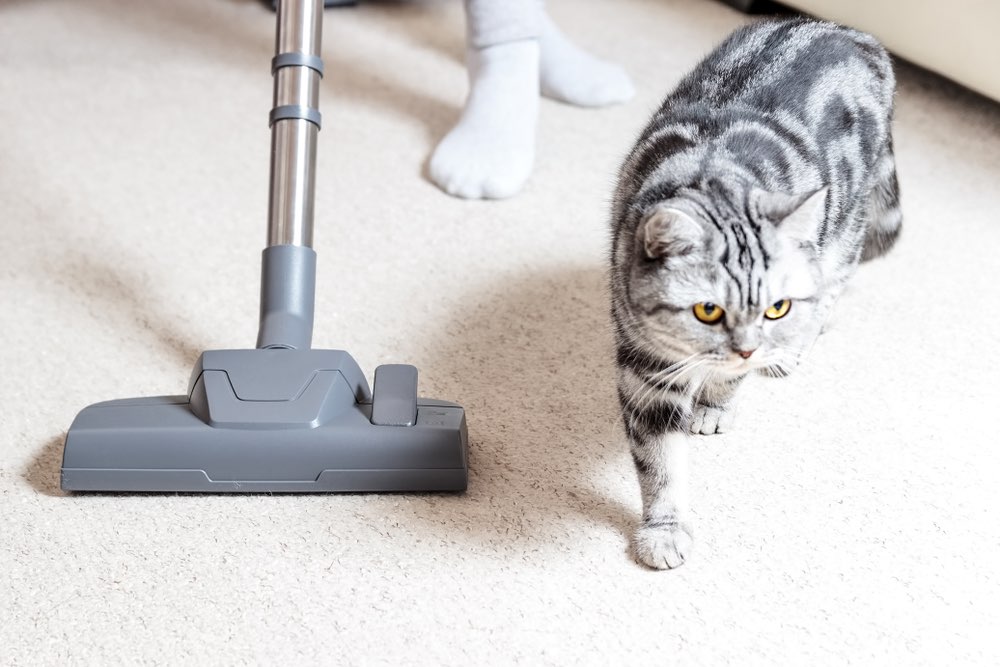
| Materials: | Vacuum cleaner |
One of the most important and effective ways to get rid of fleas is to vacuum the whole house. You should do the carpets, rugs, upholstery and even wooden floors. Vacuuming helps in several ways, it physically removes the fleas, eggs, and larvae, removes organic matter that they feed on and the vibrations encourage emergence of dormant fleas.
Monitoring Your Cat’s Behavior
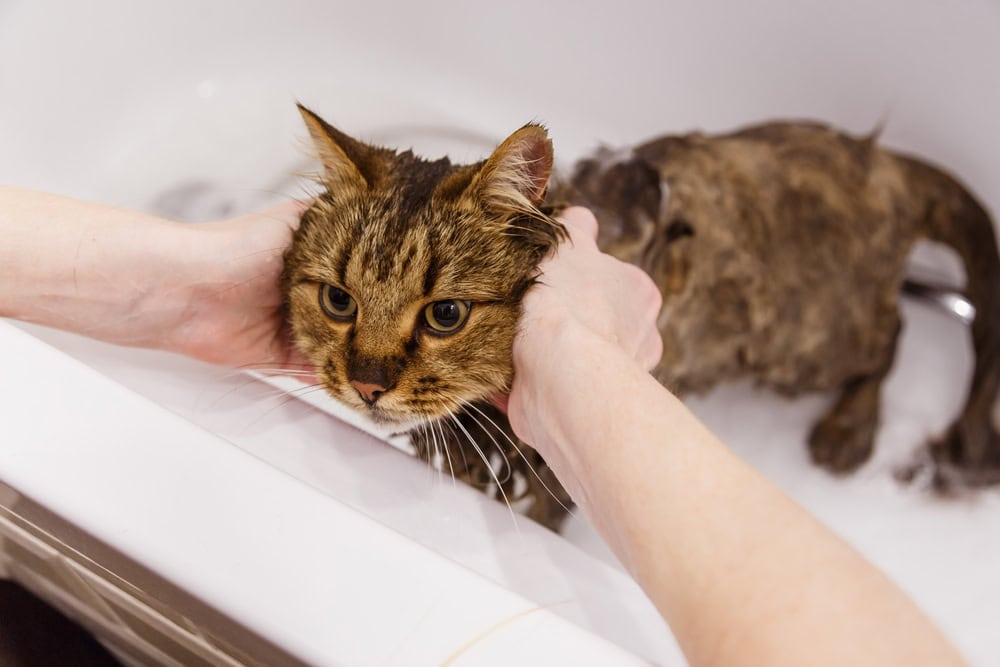
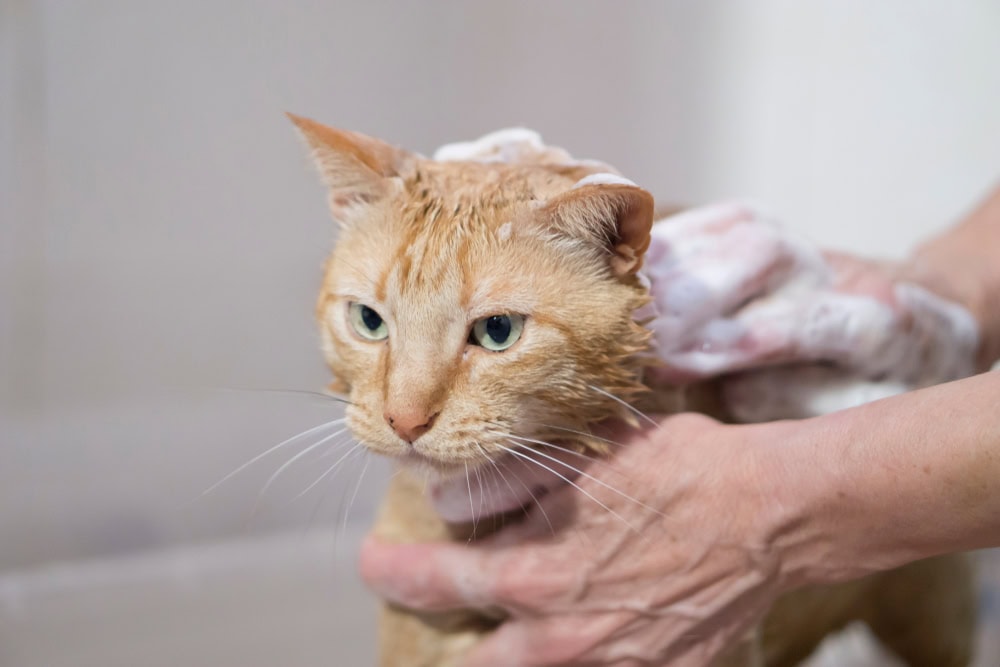
When you use a homemade formula on your cat or carpet, observe your cat closely for any adverse reaction. While the ingredients in the recipes are safe, your cat may have a sensitivity that you’re unaware of. If your cat begins scratching or biting its fur after a treatment, bathe it thoroughly.
Vacuuming Flea powder
Applying a homemade powder to eliminate fleas is a cost-effective solution, but you should avoid powders if anyone in your home has severe respiratory problems. Baking soda and diatomaceous earth are non-toxic, but they’re both fine powders that can linger in the air if they’re not vacuumed correctly. After vacuuming your home, dump the contents in the trash and deposit the bag in your trash can outside. This will prevent any survivor fleas from breeding and infesting your home again.
Conclusion
Using a DIY powder or spray in your home is inexpensive and less toxic than the chemicals applied by pest control experts. However, many of the treatments we discussed do not produce instant results. You may have to apply the powders several times before the population is eliminated, but with patience, you can soon enjoy a clean home and healthy furball. Sometimes there is nothing else for it and despite your best efforts you will need to call in the professionals.
Related Reads:
Featured Image Credit: AlexDonin, Shutterstock
Get Hepper In Your Inbox


Pet care tips from our vets and experts, straight to your inbox.
You may opt-out at any time. View our Privacy Policy for more information.
Nicole is a lover of animals of all sizes but is especially fascinated with the feline variety. She’s the proud mom of Baby, a Burmese, and works every day so he can relax in the sunshine or by the fire. She’s always had a cat in her home and has spent countless days with others, observing behaviors and softening up even the grouchiest of the lot. Nicole wants to share her kitty expertise with you so you and your cat can live happy, healthy, and care-free.
Join the conversation
Ask a question, share your story, or send private feedback.