Hepper is reader-supported. When you buy via links on our site, we may earn an affiliate commission at no cost to you. Learn more.
How Many Fleas on a Cat Is Considered an Infestation? Signs & FAQ


In this article
One flea on your cat can spell disaster, causing horrible itching and incessant scratching. If you notice a single flea on your cat, there’s a huge likelihood that another or several others are marking their territories on your feline’s coat. If you’re not too careful, they could also make your skin or bed their home.
Fleas are a cat’s parent nightmare, but how many fleas are considered an infestation, and when should you be worried? Since fleas are tiny and almost invisible to the naked eye, it’s hard to pinpoint the exact number of fleas that mean an infestation.
There isn't a consensus on how many fleas are needed before you can say a cat has a flea infestation. However, veterinary consensus is that even a single flea is considered a problem.

Introducing the Flea
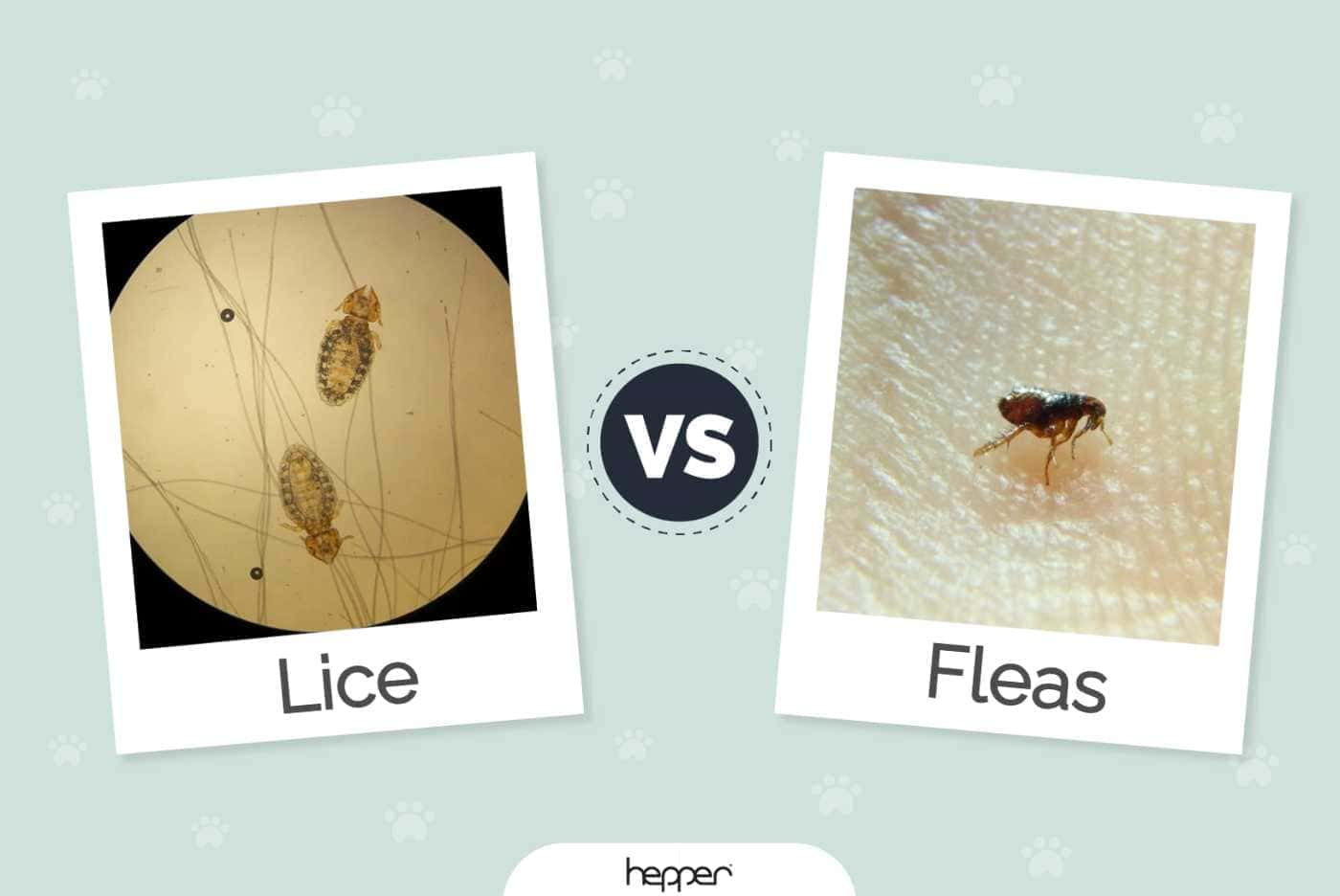
Fleas are tiny, wingless, parasitic creatures that feed on animals’ blood. There are more than 2,500 different flea species across the world.1 The cat flea, or Ctenocephalides felis, is the most common, affecting cats, dogs, and other pets.
Fleas are most active during the summer but love to stay in humid, warm environments. Since most households have heating systems, the fleas on your cat can breed all year round and wreak havoc in your home. Fleas latch onto your cat and feed on their blood, causing skin irritation and severe itching that sometimes opens up wounds.
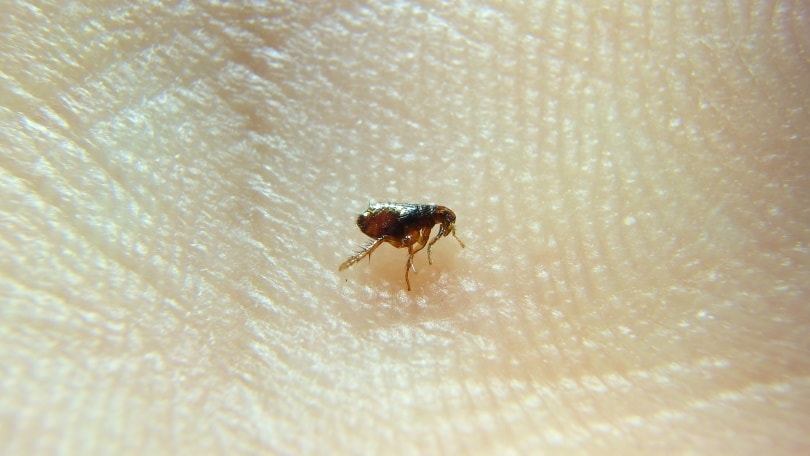
Why Is a Single Flea a Problem?
Finding a single flea on your cat doesn’t seem like a problem. After all, you only have to pluck the bugger and crush them on the nearest surface, but you’re not out of the woods yet. For every flea you find on your cat, there are probably two or three more lurking in their fur.
Fleas are super prolific and can lay four to eight eggs after feeding and up to 50 eggs a day.2 It’s hard to spot flea eggs because they’re not sticky and fall to the ground. Moreover, the eggs only measure 0.5 mm long and hide in the grass, carpet, bedding, furniture, and other places. They’ll hatch one to ten days later and climb onto your cat to begin another cycle.
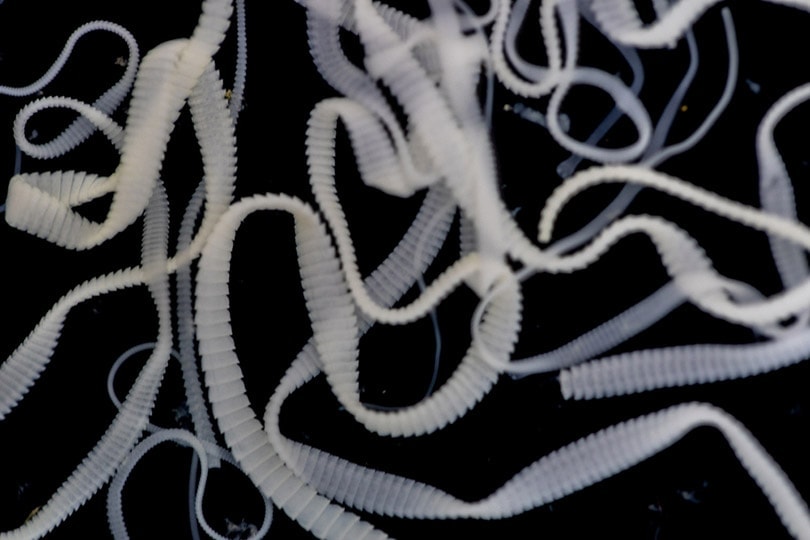
Fleas live for only one to two weeks, but this is enough time to compromise your feline’s health. Fleas can cause diseases like anemia, flea allergy dermatitis (FAD),3 and bartonellosis. Cats sometimes accidentally swallow tape-worm-infected fleas that develop and reproduce, causing a full-blown tapeworm infection. Although harmless, tapeworms can cause weight loss and malnutrition in cats.
How Can I Tell Whether My Cat Has Fleas?
Fleas are almost ubiquitous, affecting both indoor and outdoor cats. The easiest way to tell whether your cat has fleas is by checking their coat, but since they’re so tiny, they can hide under your cat’s thick fur. Here are a few telltale signs that your cat probably has fleas.
You Spot Fleas on Their Coat
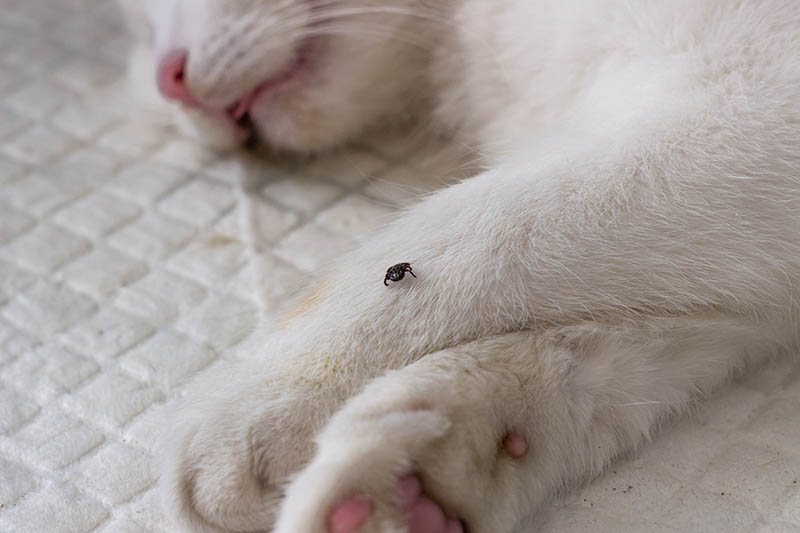
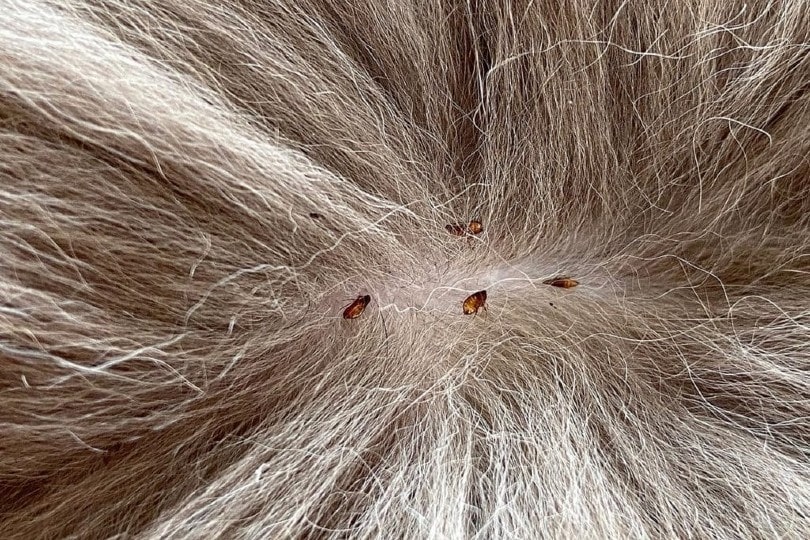
The most obvious way to tell whether your cat has fleas is by spotting actual fleas on their fur. Fleas appear like dark brown or black moving specks on the coat. Comb your cat with a flea comb, and you might spot a few scampering for their safety. The most common place where fleas can be found are around the base of your cat's tail, also known as their rump.
Frantic, Non-Stop Scratching & Biting
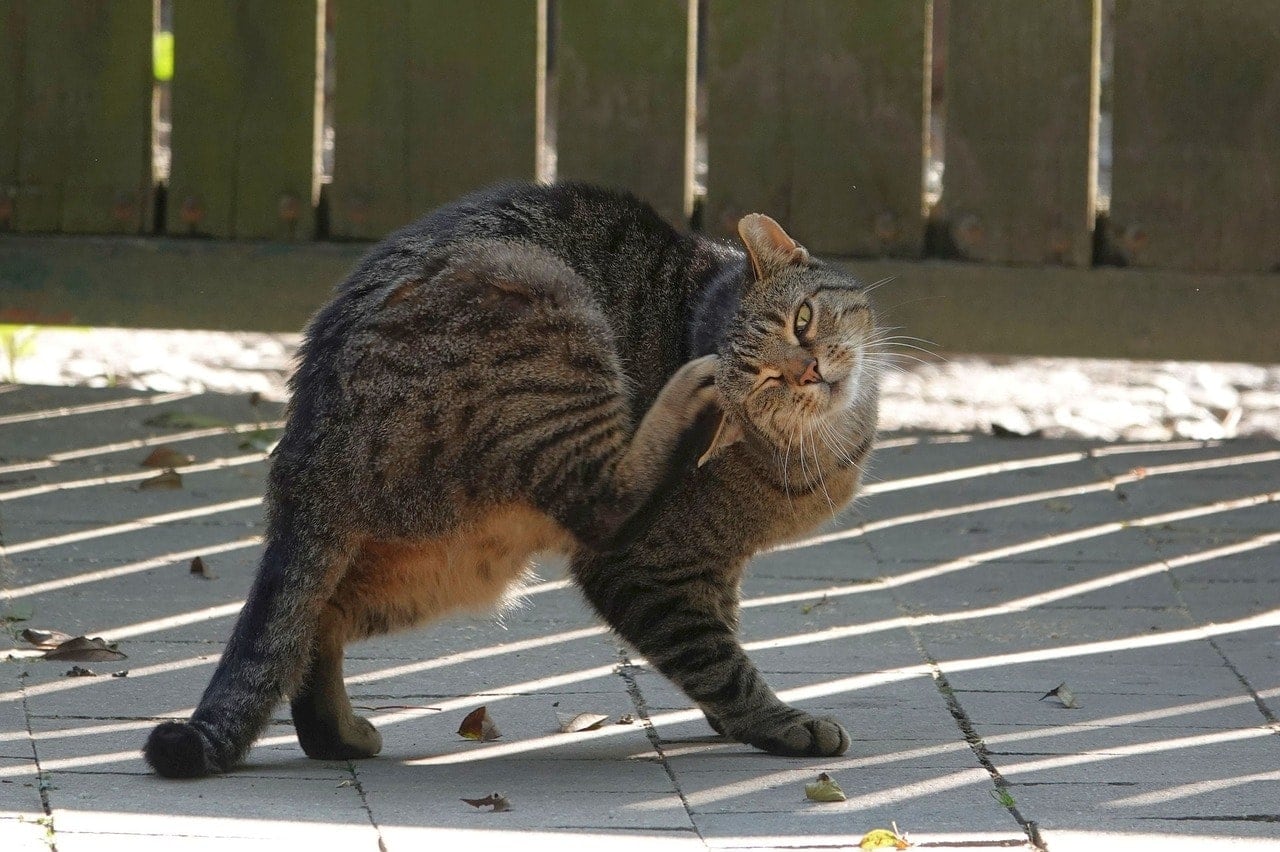
Cats normally scratch themselves when they’re itchy or during grooming. However, excessive, frantic scratching could indicate a flea infestation. Your cat’s body interprets the flea’s saliva as an allergen and sends histamine to the bite area leading to itchiness. The cat will claw and bite on the itchy area to get relief.

Excessive Hair Loss & Grooming
Cats groom to keep their coats clean and smooth and to regulate body temperature. However, too much grooming accompanied by hair loss could mean fleas have infested your cat. This grooming is your cat’s attempt to ease irritation from a flea bite. Sometimes the cat may scratch and groom itself to the point where your cat loses fur and bald patches form.
Lesions & Scab-Like Bumps
Some cats are overly sensitive to flea bites. Such cats develop red lesions and scab-like bumps on their skin after flea bites. These extremely itchy lesions lead to frantic scratching that only worsens the redness. If you notice any red spots and bumps on your cat, use a flea comb to check for flea infestation.
Restlessness & Agitation
The discomfort and irritation from flea bites can affect your cat’s mood, making them restless and irritable. If you notice a sudden negative change in your cat’s behavior, they may have fleas. However, check for other symptoms before you come to this conclusion. Sometimes illnesses, mental health issues, and heat could also cause agitation.

Small, Flaky Substances on Your Cat’s Fur
If you notice tiny, pepper-like flakes on your cat’s fur while grooming them, your cat may have fleas. These flakes are flea droppings left after they feed on your cat’s blood. Sometimes, you may notice “salt” and “pepper” flakes on your cat. The “salt” flakes are likely flea eggs, while the darker “pepper” flakes could be flea feces. Sometimes you might notice these flakes on your cat’s grooming brush after grooming your cat. This is a sure sign that your cat has fleas.
Lethargy & Visible Muscle Loss
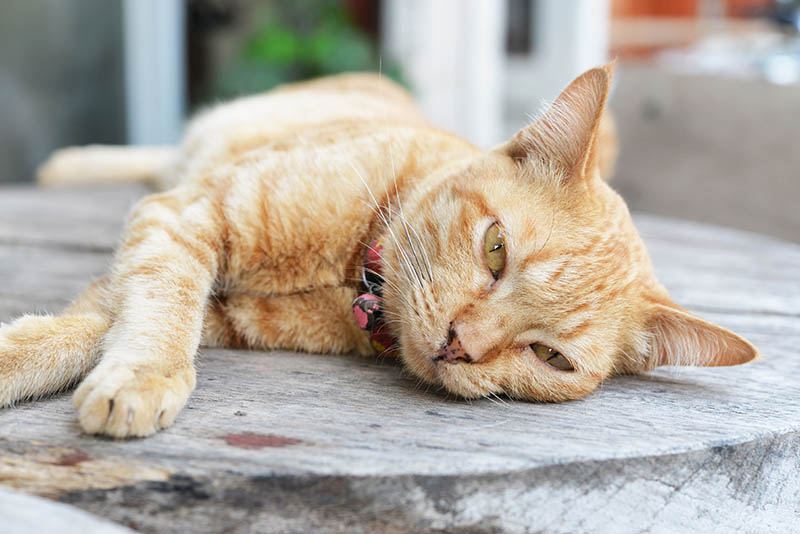
The more fleas your cat has on their body, the more blood they lose to these parasites. A cat with a severe flea infestation may appear weak and lethargic. In kittens, a severe infestation may lead to visible muscles and weight loss.
Avoiding Specific Areas in Your Home
Most cats have favorite spots around their homes where they like to play, lay down, or self-groom. However, cats are also curious creatures and love to explore their surroundings. If your cat is avoiding certain parts of your home, it’s probably because they’re flea hotspots. They’re simply avoiding the fleas.
Grainy, Rice-Like Particles on Your Cats Bedding or Around Their Anus
Fleas can transmit tapeworms to your cats. These tapeworms produce eggs as part of their lifecycle. These eggs pass on through the cat’s feces to begin another cycle.
The eggs look like tiny rice particles and sometimes cling around your cat’s anus. If you notice these particles on your cat’s bedding or litter bowl, they are probably infected with tapeworms that came from fleas.
My Cat Is Flea Infested; What Next?
So your cat checks all or most of the boxes for a flea infestation? Don’t panic. There are a couple of remedies for getting rid of fleas permanently. The following are some of them.
Take Your Cat To a Vet
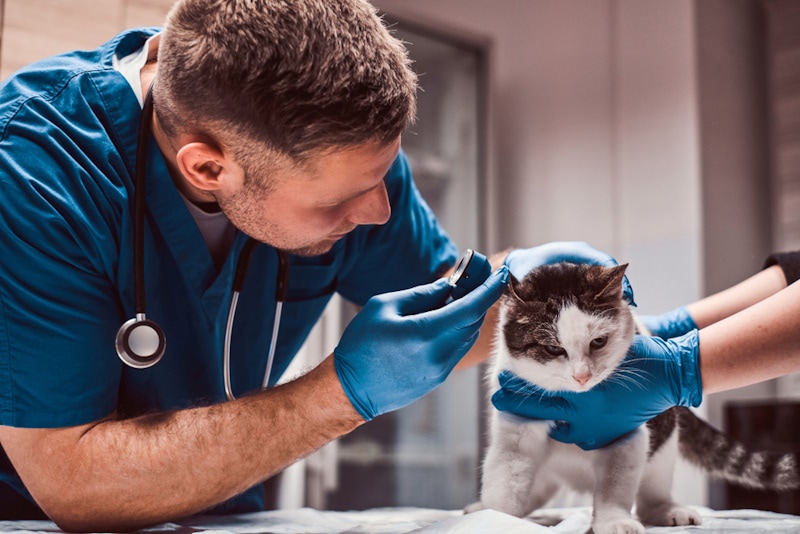
A veterinarian can diagnose a flea infestation and check your cat for other parasites or health issues as well. They can also prescribe a treatment plan that is appropriate for your cat’s flea infestation to help rid your cat of their flea woes.
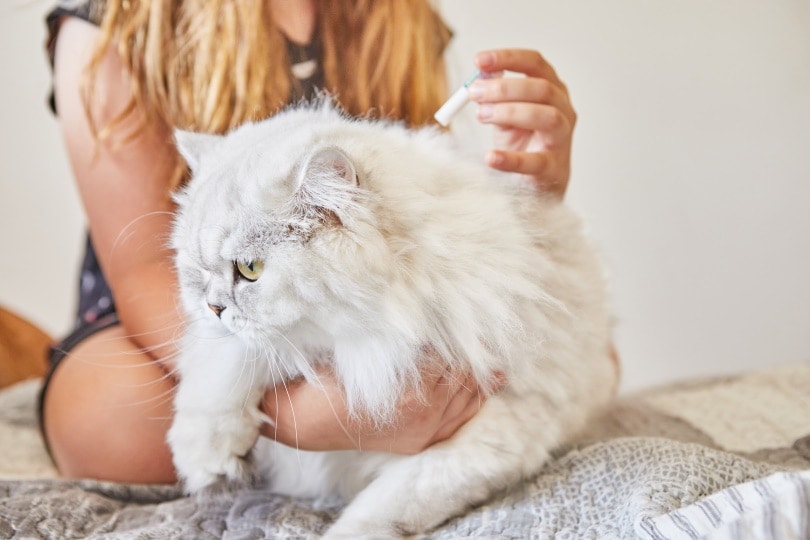
It is very important to note that the administration of flea drops without veterinary approval or a veterinarian’s prescription is illegal in most jurisdictions. In addition, fleas are very contagious. If you notice them on your cat, chances are your other pets have them, too. Therefore, you should have them all examined by your vet. Never use flea drops intended for dogs on cats, or vice versa.
A Good, Old-Fashioned Flea Bath
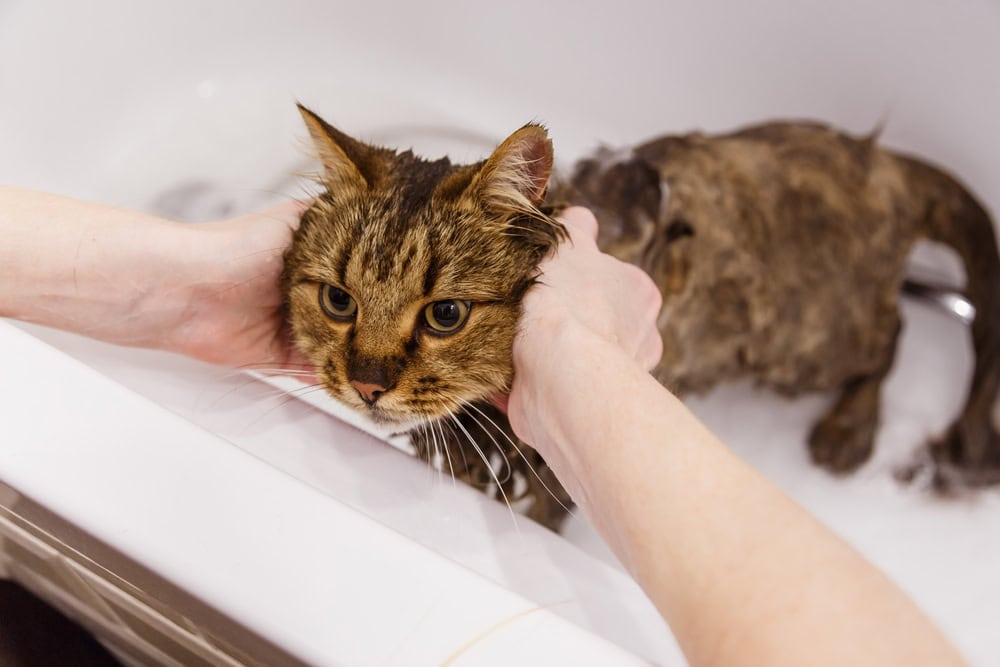
A simple bath will remove most of the fleas from your cat’s fur. Your vet may recommend this as part of the treatment plan for your kitty. If you're comfortable giving your cat a bath yourself, you may do so at home. However, if you're not sure about the process, it is best to have your cat bathed by professional groomers.
Use a Flea Comb
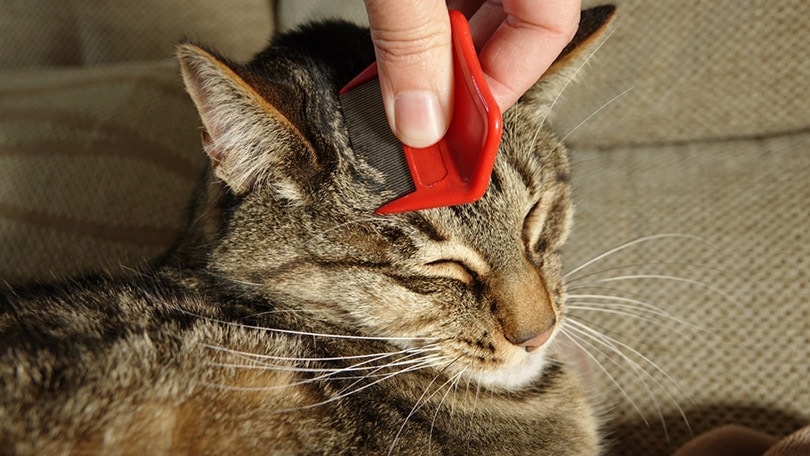
A flea comb has finely spaced teeth that can remove fleas and flea eggs from your cat’s fur. Dip the comb in warm, soapy water before brushing your cat’s fur. Doing so helps the fleas and their eggs adhere better to the comb. However, flea combs are a time-consuming and sometimes tedious way to remove fleas from your cat.
Flea-Proof Your Home
Preventive action is the best way to keep your cat flea-free for good. There is no point removing all the fleas from your cat only to repeat the process a few weeks later. You can get rid of all the fleas in your home by doing the following:
Hire a professional exterminator in cases of severe infestation. That way, you can contain the situation and prevent it from spiraling out of control.

Closing Thoughts
Your cat deserves a clean, smooth, and healthy coat free from fleas. These parasites do more than just make your cat itchy; they also pose a serious health risk. Safeguard your cat’s health and comfort by taking preventative measures against fleas and other parasites.
Sources
Featured Image Credit: KanphotoSS, Shutterstock
Get Hepper In Your Inbox


Pet care tips from our vets and experts, straight to your inbox.
You may opt-out at any time. View our Privacy Policy for more information.
Nicole is a lover of animals of all sizes but is especially fascinated with the feline variety. She’s the proud mom of Baby, a Burmese, and works every day so he can relax in the sunshine or by the fire. She’s always had a cat in her home and has spent countless days with others, observing behaviors and softening up even the grouchiest of the lot. Nicole wants to share her kitty expertise with you so you and your cat can live happy, healthy, and care-free.
Join the conversation
Ask a question, share your story, or send private feedback.