Hepper is reader-supported. When you buy via links on our site, we may earn an affiliate commission at no cost to you. Learn more.
Can Dogs Have Melatonin & Is It Healthy? Vet Approved Facts & FAQ


In this article
You might already be familiar with melatonin, especially if you’re someone who uses it to help them sleep. But can your dog also take it? The answer is yes—most dogs can have melatonin, and there are even some benefits aside from helping them get a good night’s sleep. It should only be used if prescribed by your veterinarian for your dog. It turns out that melatonin has various uses in veterinary medicine. So, let’s take a look at how your dog can benefit.

What Is Melatonin?
Melatonin is a naturally occurring hormone in humans, cats, and dogs that helps regulate the circadian rhythm or the body’s daily cycle.1 Melatonin levels are significantly higher at night because its production is stimulated by darkness. You’ll also find they’re higher in the fall and winter months because of the shorter days. Melatonin has an impact on bodily functions that are related to behavior, reproduction, and hair growth.
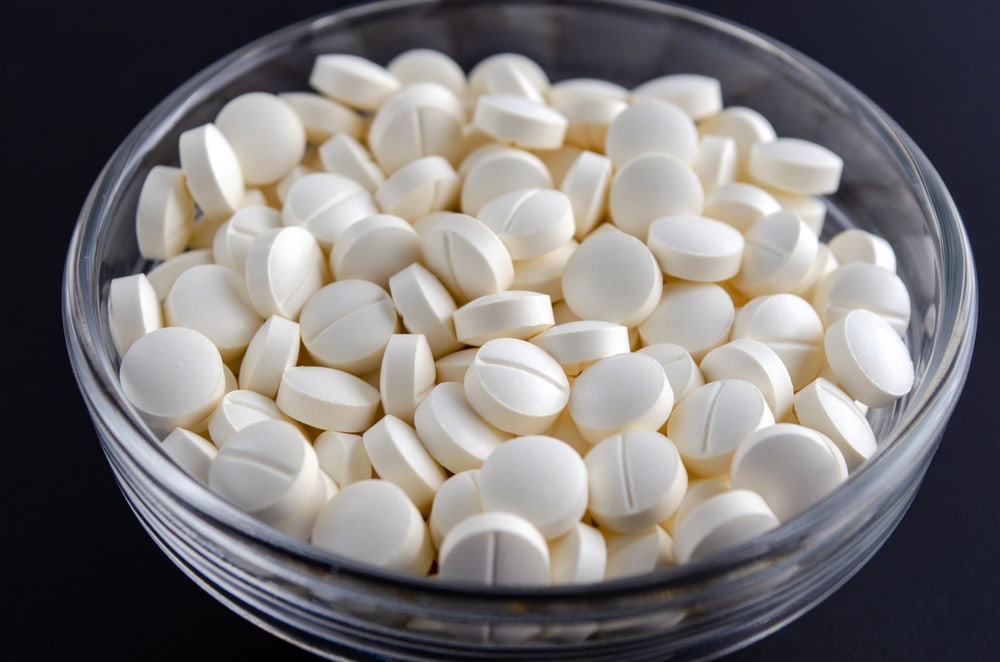
As a supplement, it can help dogs destress, relax, and sleep and can also help with certain medical conditions. Before introducing melatonin to your dog, you must speak to your veterinarian first.
What Can Melatonin Help With?
Once you’ve cleared it with your vet, you can use melatonin to help your dog feel happier and healthier.
Insomnia
Melatonin can help regulate the internal processes that tell a dog’s body if it’s night or day, and in turn, it lets it know if it’s time to sleep or be awake. Humans use melatonin supplements to help overcome insomnia associated with jet lag. It can also help senior dogs with cognitive dysfunctions to regulate their biorhythms and get a better night’s sleep.
Anxiety
Your vet may suggest melatonin if your dog suffers from separation anxiety or experience stress when traveling. It can be used whenever your dog needs a calming effect.
Cushing’s Disease
Cushing’s disease (also known as hyperadrenocorticism) occurs when the adrenal gland secretes too much cortisol, which is the stress hormone.2 Melatonin can be used to block the enzyme aromatase, reducing cortisol and other hormone levels. It is sometimes used as a first-line treatment for atypical Cushing’s disease under the guidance of a veterinarian.
Alopecia
Seasonal alopecia, also known as flank alopecia, can sometimes be treated with melatonin, but there is no scientific proof that it actually works. Some owners just like to know they are doing something to help their pet, and the side effects are very unlikely, so sometimes your vet will reason that there is no harm in trying.

Are There Any Side Effects?
There are limited studies on the effects of melatonin in animals, but it is considered safe for most dogs. Speaking to your vet before administering this supplement to your dog is still incredibly important. The dosage will depend on factors like your dog’s sensitivity to the drug and size. Some brands might also contain xylitol, which is poisonous to dogs, so it’s essential to check the ingredients and run them past your vet.
The most significant side effect to be aware of is drowsiness. Melatonin can also cause digestive upset and, sometimes, an increased heart rate. It could also cause insulin resistance in diabetic animals, affect the reproductive cycle of female dogs, and cause an allergic reaction. If your dog is on any other medication, your vet will ensure that melatonin won't interfere with them.
Can Dogs Overdose on Melatonin?
There is little evidence of dogs overdosing on melatonin, and mild symptoms seem to be diarrhea, vomiting, or excessive sleepiness. An overdose could induce potential side effects like a rapid heart rate, itchiness, incoordination, high blood pressure, and seizures. If you notice any of these signs or your dog has somehow managed to ingest more than it should, contact your vet immediately or an emergency helpline like the Pet Poison Helpline or ASPCA Animal Poison Control.

Final Thoughts
Melatonin can be used for various reasons, from helping your dog’s insomnia to relieving the effects of Cushing’s disease. It is important to consult your vet first when you are thinking about using melatonin to help your pup. Make sure you always follow the dosage instructions, and if you notice any side effects that worry you, contact your vet immediately. Melatonin can benefit dogs, but more research is needed to confirm how it affects the animals’ bodies and minds.
Related Read: Can I Give My Cat Melatonin? Vet-Approved Facts
Sources
Featured Image Credit By: photo_gonzo, Shutterstock
Get Hepper In Your Inbox


Pet care tips from our vets and experts, straight to your inbox.
You may opt-out at any time. View our Privacy Policy for more information.
Kerry-Ann lives in Scotland and wishes her garden was bigger so she could have her very own Highland cow. But her dogs probably wouldn’t like that very much. She has a La Chon called Harry who was poorly with a liver shunt when he was a puppy. It wasn't likely he would make it into adulthood, which was difficult, but he beat the odds and is a healthy old man now. She also has a Pug called Maddie who is a big foodie. She’s small, sassy, and every day she finds a new way to mess with her brother.
When she isn’t writing you can find Kerry-Ann going for long walks when the weather isn't bad, reading, or watching cartoons when she should be tidying her house. She would one day like to be a tourist in her own country and travel through the Highlands with her family.
Join the conversation
Ask a question, share your story, or send private feedback.