Hepper is reader-supported. When you buy via links on our site, we may earn an affiliate commission at no cost to you. Learn more.
Can I Give My Cat Melatonin? Vet-Approved Facts


In this article
If you’ve ever had issues with falling or staying asleep, chances are you’ve used melatonin. It especially comes in handy when you’re traveling and experiencing jetlag as it works well with sleep issues without making you drowsy while awake. But what if your cat starts to go through sleep issues. Is melatonin safe for cats to use?
The short answer is yes. Melatonin is a safe supplement to give to your cat, not only for sleep problems but also for behavior and to suppress the heat cycle. However, always discuss it with your vet before giving your cat any supplements.
We’ll discuss melatonin in more detail – how it works and how you can give it to your cat. We’ll also look at other sleep aids you can consider for your cat if melatonin doesn’t work.

What Exactly is Melatonin?
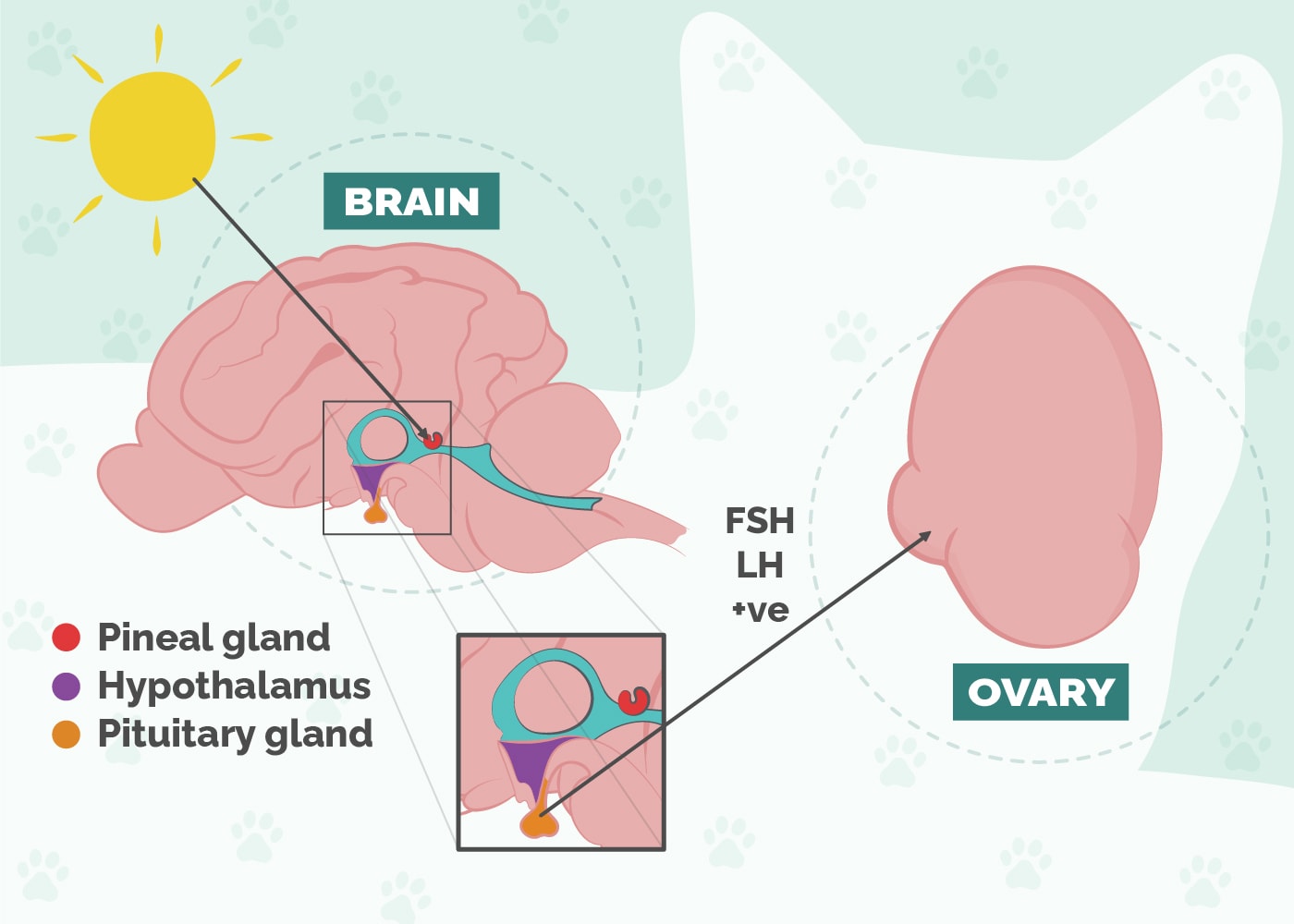
The pineal gland, located just in the center of your brain, produces and secretes the hormone melatonin.
It is sometimes called the “sleep hormone” as its levels rise in the evening naturally, letting your body know when it is night and that it’s time to wind down so you can fall asleep more readily. High melatonin levels in your system will help you fall asleep quickly and easily.
Taking melatonin as a supplement is typically associated with humans and not so much with our pets. However, it certainly has been used and is known to work.
How Does Melatonin Work?
We all have a circadian rhythm, including our cats. The circadian rhythm is like an internal clock that lets us know when to eat, sleep, and wake up. Melatonin works in conjunction with your circadian rhythm. When it’s dark out, your melatonin levels rise, which will tell your body that it’s time to sleep.
And conversely, your melatonin levels will drop when the day breaks, which tells your body it’s time to get up.
Some factors will make melatonin production lighter than it should be, which means having a lot more trouble falling asleep. This is where taking melatonin as a supplement comes in. But how does it work with our cats?

The 3 Uses of Melatonin for Cats
As previously mentioned, melatonin can be effective for cats suffering from sleep disorders as well as behavioral problems or if you need to suppress your female cat’s heat cycle.
1. Sleep Issues
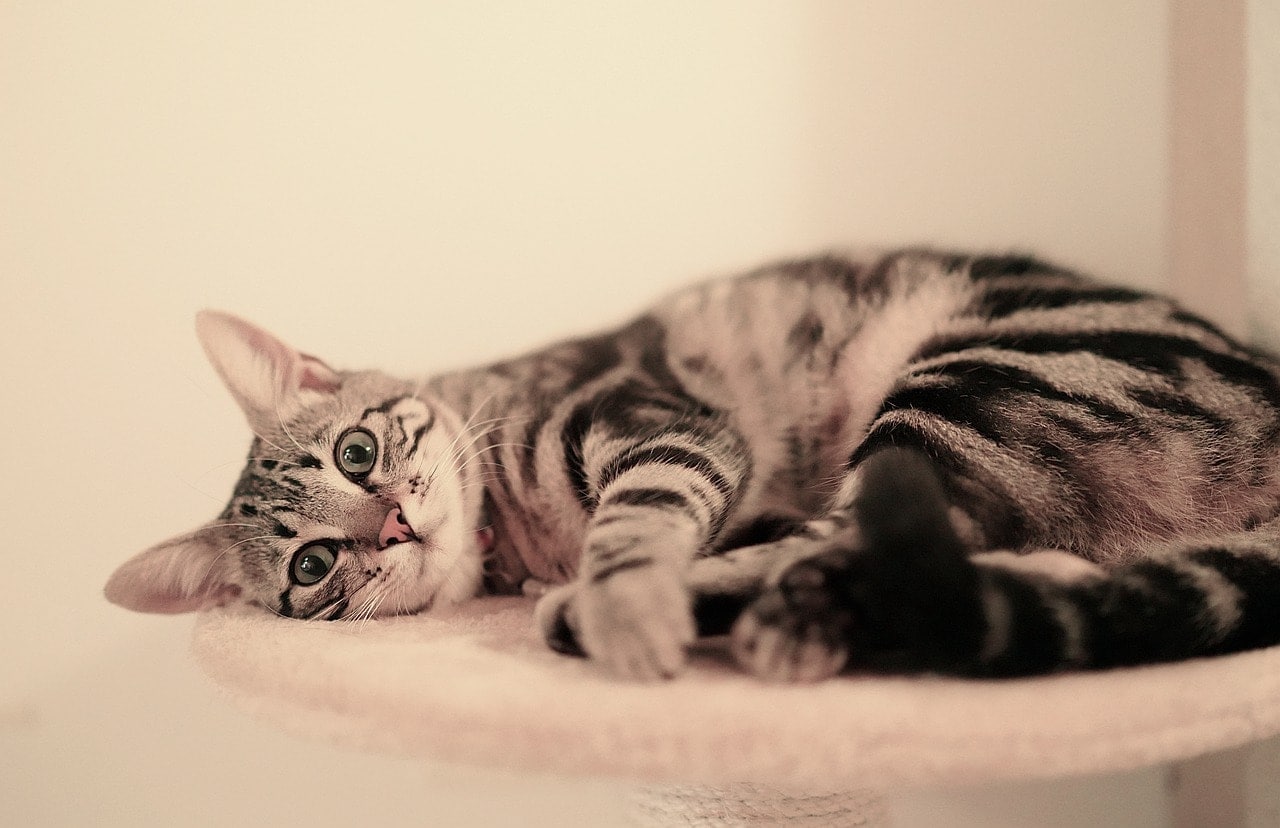
Yes, some cats can have trouble sleeping at night. Cats are crepuscular, so they are most active at dusk and dawn, but they shouldn’t be overly active overnight and keep you awake.
Cats are always more likely to be active at night if they are bored and left alone for most of the day. This can also occur as they age or due to certain health issues.
You can address some of these problems directly, such as playing with your cats before bed and hopefully wearing them out completely. But melatonin is also something to try but only with your vet’s advice.
2. Heat cycle suppression
On occasion, you may need to suppress your cat’s estrus (heat cycle) for a short period of time for various reasons. Melatonin has a role as a contraceptive.
Cats’ sexual activity starts during early springtime, when the day length increases. Melatonin levels drop when the amount of daylight increases, and this has a direct effect on the hypothalamus which sends the signal to the hypophysis to make sexual hormone levels rise. Melatonin tablets and melatonin implants (applied under the skin) have been used for this purpose with good results, although the effects can vary among individual cats.
3. Behavioral Problems
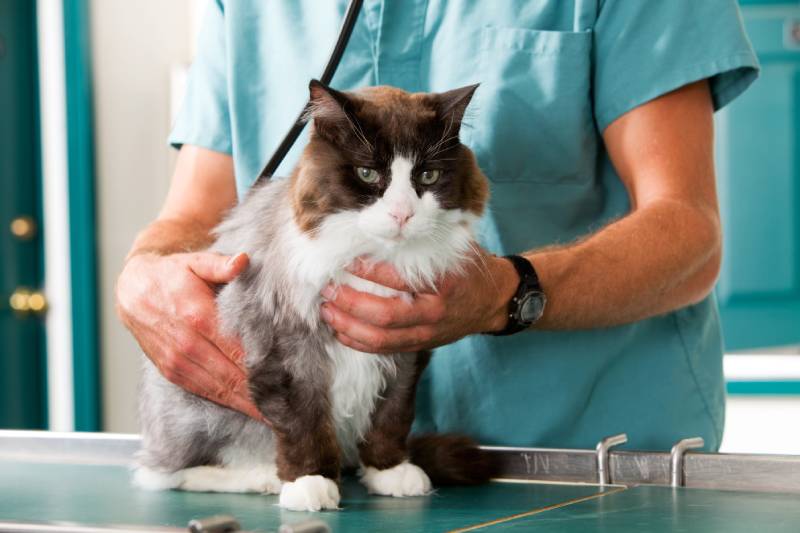
Melatonin can be very effective at helping cats with some behavioral issues. It is an antioxidant that is quite good at preventing brain deterioration by combatting free radicals. Melatonin can also be used to reduce anxiety and facilitate handling during vet exams.
It’s known to work well for cats that suffer from separation anxiety or any cats with cognitive issues, as well as pets with phobias, such as a fear of certain loud noises.
Problems with Melatonin
Melatonin is generally considered safe to use for cats, mainly when prescribed by a vet, but there’s always the possibility of side effects.
Some cats might be allergic or hypersensitive to it, and it can potentially affect female cats used for breeding purposes. This is because of how melatonin impacts sexual hormones.
It also might interact with other medications your cat might be on. This includes tranquilizers, sedatives, corticosteroids, and monoamine oxidase inhibitors.
If too much melatonin is given, it could cause lethargy (obviously) and stomach upset. Some melatonin is also sweetened with artificial sugar, which isn’t suitable for cats either. Particularly xylitol, which is very toxic to dogs, and while it isn’t known to be as bad for cats, it’s best not to take a chance with it.
Melatonin side effects are not widely studied, but they may include:
If you notice these side effects, speak to your vet and stop giving your cat melatonin. Additionally, melatonin should not be given to cats with kidney disease, liver disease, or diabetes.
How Is Melatonin Given to Your Cat?
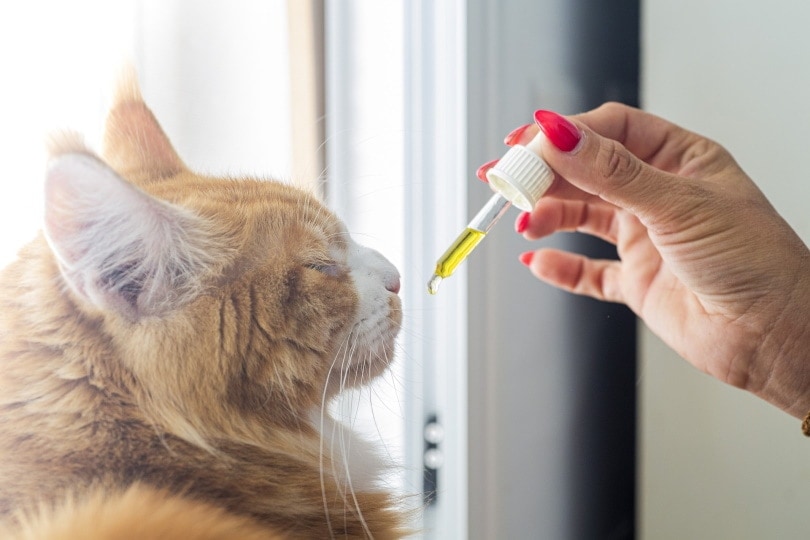
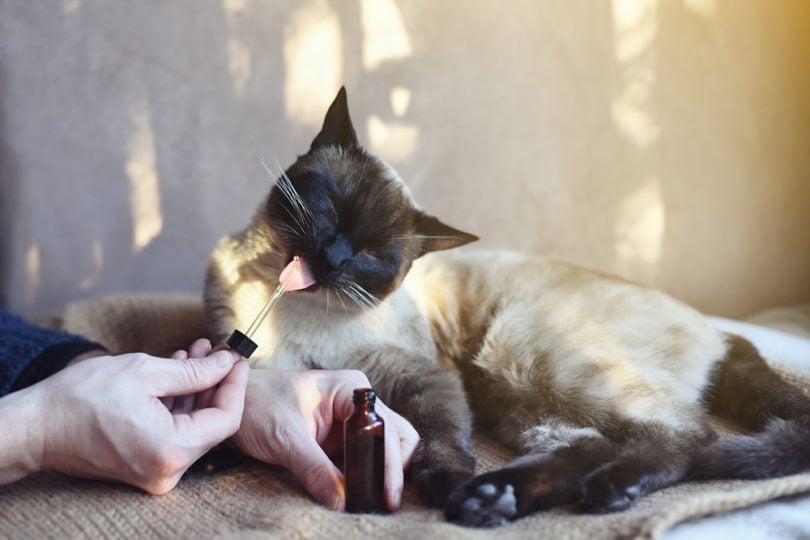
Melatonin can be given to your cat by capsule, tablet, or in liquid form. You can give it to your cat with or without food but if your cat vomits when you’ve given melatonin on an empty stomach, give it with food in the future. The effects will be noticeable in one to two hours.
In some cases, melatonin can be implanted under the skin while in the clinic. The amount you should administer will depend on your cat’s age, size, and what you’re using the melatonin for.
It’s best to stick with melatonin made for cats as it won’t contain any extra ingredients or additives that might be harmful to your cat. If you want to use melatonin meant for humans, you’ll need to double-check the ingredients for this reason.
But, not to sound like a broken record (or streaming device), you shouldn’t give your cat any melatonin or other supplement without speaking to your vet first.

Conclusion
So, yes, melatonin can be used for a cat with specific anxiety issues, sleep problems, or a hair loss condition. Some melatonin is made specifically for pets, so it’s generally safe to use. The side effects are minimal if your cat doesn’t have any kind of a precondition.
And, it bears repeating, see your vet. In many cases, a cat that isn’t sleeping might have more going on than just a little insomnia. The underlying cause of the sleeplessness should be addressed. Your cat’s health and safety is obviously your top priority.
Related Reads:
Featured Image Credit: photo_gonzo, Shutterstock
Get Hepper In Your Inbox


Pet care tips from our vets and experts, straight to your inbox.
You may opt-out at any time. View our Privacy Policy for more information.
Kathryn was a librarian in a previous lifetime and is currently a writer about all things animals. When she was a child, she hoped to work in zoos or with wildlife in some way, thanks to her strong love for animals. Unfortunately, she's not strong in the sciences, so she fills her days with researching and writing about all kinds of animals and spends time playing with her adorable but terribly mischievous tabby cat, Bella. Kathryn is hoping to add to her family in the near future – maybe another cat and a dog.
Join the conversation
Ask a question, share your story, or send private feedback.